
Choosing the right disposable diaper is a highly individual decision that depends on your baby’s unique body shape, skin sensitivity, and your household budget. In the Philippines, where high humidity and warm temperatures are constant factors, finding a reliable bean diaper—a term often associated with contoured, highly flexible diaper designs—requires balancing performance with cost. Pampers, Huggies, and Equator represent three distinct approaches to baby care, each offering unique benefits depending on whether you prioritize maximum stretch, robust leak guards, or economical daytime utility. There is no single universal winner; instead, the best choice is the one that keeps your baby dry and comfortable during their daily activities and sleep.
Evaluating Fit and Comfort Across Different Baby Body Types
A diaper’s ability to prevent leaks and blowouts depends heavily on how its physical cut aligns with your baby’s unique body shape. Babies come in all proportions, from slender builds with long torsos to active infants with chunky thighs. Because of these differences, a diaper brand that works perfectly for one family might result in frequent leaks for another. When comparing Pampers, Huggies, and Equator, it is essential to look closely at the waistband elasticity, leg cuff designs, and overall cut of each option.
Pampers is widely recognized for its highly flexible side panels and contouring fit, which are designed to mimic the natural curves of an active baby. This stretchable design allows the diaper to move with your baby, reducing the likelihood of gaping when they crawl, roll, or walk. Huggies, on the other hand, often features a highly structured waistband with a pocketed back design specifically engineered to catch runny messes and prevent back blowouts. Their leg cuffs are typically designed with double barriers to provide a snug seal around the thighs, making them a popular choice for babies with rounder legs. Equator generally offers a more traditional, straightforward cut that provides a reliable, standard fit for babies with average proportions, focusing on functional simplicity rather than high-stretch side panels.
Products mentioned in this guide
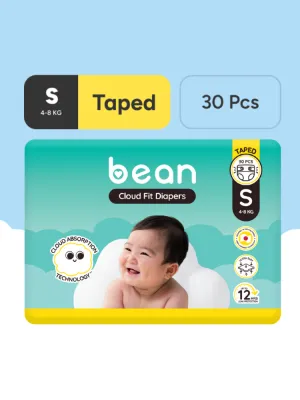
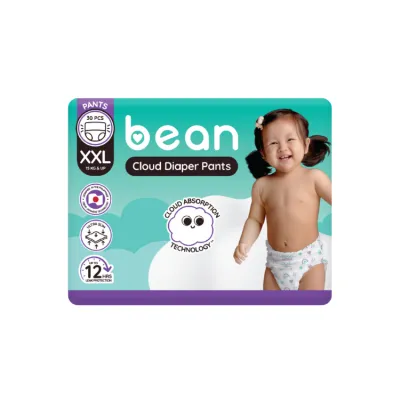
![[Bundle of 2] bean Cloud Diapers Pants Large (9-14 kg) - 60 pcs](https://img.lazcdn.com/g/p/d5ee28d7dae8a8b43cbed3a2a82f26df.png_400x400q80.png_.webp)
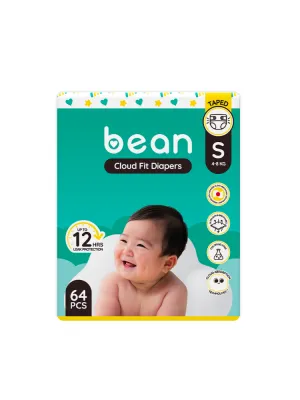
Prices are valid at publication and may change. Please refer to the product page for the latest price.
To find the right fit, caregivers must look beyond the brand name and evaluate specific product lines, such as tape versus pants styles, as well as standard versus premium tiers. A brand’s premium line may feature significantly softer materials and more elastic waistbands than its budget-friendly counterpart. When trialing any diaper, observe your baby’s skin closely during changes. If you notice deep red marks or indentations around the thighs or waist, the diaper’s cut may be too restrictive, or the size may be too small. Conversely, if you notice gaping around the legs when your baby moves, the diaper is likely too loose, which will inevitably lead to leaks.
Comparing Absorbency and Skin Protection Features
Absorbency is the core function of any disposable diaper, but how a brand manages moisture can significantly impact your baby’s skin health. In a tropical climate, trapped moisture combined with friction can quickly lead to painful diaper rash. When evaluating Pampers, Huggies, and Equator, parents should examine the product packaging for specific design features rather than relying on generalized marketing claims. Look for indicators such as wetness lines that change color when the diaper is full, and breathable backsheets designed to let hot air escape while keeping liquid contained.

Skin protection features also vary across these brands. Some premium lines incorporate lotion-infused inner liners or hypoallergenic materials designed to minimize friction against delicate skin. It is important to verify these claims directly on the product label, checking for certifications or ingredient lists if your baby has known sensitivities. Keep in mind that even the most absorbent diaper cannot prevent skin irritation if it is left on for too long. The combination of urine, stool, and sweat creates an acidic environment that quickly compromises the skin barrier.
Regardless of the brand you choose, maintaining a diligent changing routine is the most effective way to protect your baby’s skin. Caregivers should change diapers promptly after every bowel movement and at regular intervals throughout the day. After cleaning the diaper area, ensure the skin is completely dry before applying a fresh diaper or barrier cream. If your baby develops persistent redness, swelling, or a rash that does not improve within a few days, stop using the current diaper brand and consult a qualified healthcare professional or pediatrician for guidance.
Calculating Price and Value for Your Diaper Budget
Managing the ongoing cost of diapers requires a practical budgeting strategy. Because prices fluctuate across local supermarkets, neighborhood pharmacies, and online marketplaces, comparing package prices can be misleading. The most accurate way to evaluate value is to calculate the cost per piece. To do this, divide the total price of the pack by the number of diapers inside (for example, ₱500 divided by 50 diapers equals ₱10 per piece). This simple calculation allows you to compare different package sizes and brands on an equal footing.
Within Pampers, Huggies, and Equator, you will find distinct pricing tiers that reflect standard and premium product lines. Premium lines typically feature softer outer covers, more advanced absorbent channels, and superior stretch, but they come at a higher cost per piece. Standard or economy lines focus on basic dryness and containment at a much lower price point. Understanding these tiers allows you to identify where the real value lies for your household. You do not necessarily have to commit to a single brand or tier for all your diapering needs.
A highly effective strategy used by many parents in the Philippines is mixing diaper brands based on the time of day. For instance, you can use budget-friendly Equator diapers during the daytime when changes are frequent and easily managed. Because you are changing the diaper every few hours anyway, a simpler, lower-cost diaper is highly economical. You can then reserve premium, high-absorbency Pampers or Huggies diapers for overnight use or long outings, ensuring your baby stays dry and comfortable during extended periods without driving up your daily diaper expenses.
Decision Framework: Which Brand Fits Your Baby's Routine?
To finalize your choice, it helps to align each brand’s characteristics with your baby’s physical build and your daily routine. There is no need to guess which brand is superior; instead, evaluate how their specific features match your current parenting priorities. By using a structured decision framework, you can select the option that offers the best balance of comfort, performance, and value.
Consider choosing Pampers if your primary focus is securing a highly flexible, contouring fit that accommodates an active, constantly moving baby. Their premium lines are particularly suitable if you prefer exceptionally soft materials, reliable wetness indicators, and a design that minimizes bulk between the baby’s legs. This brand is often favored by parents who prioritize a lightweight, breathable feel that performs well in warm, humid conditions.
Consider choosing Huggies if your baby has a chunkier build with rounder thighs and a prominent tummy, as their elastic waistbands and robust leg guards provide a snug, secure fit. The pocketed waistband design is highly beneficial if you are dealing with frequent runny stools and want extra protection against back blowouts. This makes Huggies an excellent option for younger infants or babies who require a more structured, secure wrap.
Consider choosing Equator if your main priority is finding a highly budget-friendly option that allows you to maintain a frequent changing schedule without financial strain. Equator’s straightforward design is ideal for daytime use, providing reliable basic absorbency for standard daily routines. It is a practical choice for families who prefer to change diapers often to keep the skin fresh and dry in tropical heat.
Before committing to a bulk purchase of any brand, always verify skin compatibility by testing a small pack first. Every baby’s skin chemistry is unique, and a diaper that works beautifully for one child might cause irritation for another. Testing a small quantity allows you to observe how your baby’s skin reacts under real-world conditions before investing in a larger supply.
How to Safely Test and Transition Between Diaper Brands
When transitioning your baby to a new diaper brand, a gradual and observant approach is the safest path. Avoid the temptation to buy large, discounted boxes from online marketplaces right away, even if the deal seems highly appealing. Instead, purchase a small trial pack from a local grocery store or pharmacy. This minimizes financial waste if the new brand turns out to be a poor fit or causes skin irritation.
During the trial period, monitor your baby closely for signs that the diaper is failing to meet their needs. Frequent leaks around the legs, sagging cores that pull down when only slightly wet, or blowouts at the back are clear indicators of an improper fit or insufficient absorbency. More importantly, watch for physical signs of skin irritation, such as localized redness, small bumps, or chafing where the elastic contacts the skin.
To isolate variables during the transition, maintain your usual changing schedule and skincare routine. If you introduce a new diaper brand at the same time you change baby wipes or laundry detergents, it will be difficult to identify the cause of any sudden skin reaction. By keeping other factors constant, you can confidently evaluate whether the new diaper brand is truly compatible with your baby’s skin and body shape.
Frequently Asked Questions (FAQ)
Can I mix different diaper brands for day and night use?
Yes, mixing different diaper brands is a highly practical and common cost-saving strategy. Many parents use budget-friendly diapers for daytime hours when changes are frequent, and switch to high-absorbency, premium diapers for overnight sleep. When implementing this strategy, ensure that both brands fit your baby properly. A poor fit on either diaper can lead to leaks, disrupting your baby’s sleep or causing unnecessary mess during the day.
How do I know if a diaper is too small or too large for my baby?
You can determine if a diaper is the wrong size by checking for specific physical signs. A diaper is likely too small if it leaves deep red marks on your baby’s thighs or waist, if the fastening tabs do not easily reach the center of the waistband, or if you experience sudden, frequent leaks. A diaper is too large if there are visible gaps around the leg cuffs, if the waistband gapes when your baby sits up, or if the diaper sags heavily even when it is barely wet. Remember that the weight ranges printed on diaper packaging are general guidelines; your baby’s unique body shape is the ultimate guide to the correct size.
Do premium lines within the same brand really perform better?
Premium diaper lines generally offer noticeable upgrades in material softness, waistband elasticity, and absorbent core technology compared to standard lines. These features can provide better comfort and longer-lasting dryness, which is particularly beneficial for overnight use. However, whether these improvements justify the higher cost per piece depends on your baby’s individual needs. If your baby has highly sensitive skin or is a heavy wetter, a premium line may be worth the investment. For standard daytime use, a standard line often performs perfectly well at a more economical price point.

Community discussion
Share your experience or ask a question. Comments are reviewed before publication.