
Quick Answer: Which 8XL Diaper Brand Fits Best?
Finding the right diaper for older or larger children requires balancing comfort, absorbency, and cost. When your child outgrows standard sizes, transitioning to 8XL diaper pants becomes necessary. The “best” brand among Pampers, Huggies, and Equator is not a one-size-fits-all answer; it depends entirely on your child’s unique body shape, skin sensitivity, and daily wetting patterns.
To help you make an informed decision, this guide compares the key features of these three brands. If your child is highly active and needs maximum flexibility, one brand may stand out. If you are managing heavy overnight wetting, another might be more suitable. For budget-conscious households looking for practical daily wear, a third option could be the ideal match.
Before purchasing a large box, always verify the current packaging specifications. Manufacturers frequently update their sizing charts, material compositions, and leak-protection technologies, meaning a brand that worked well in smaller sizes might fit differently in an 8XL format.
Products mentioned in this guide
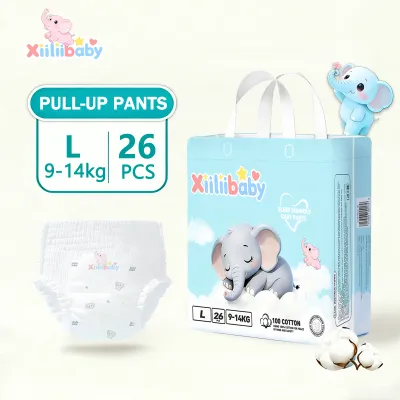
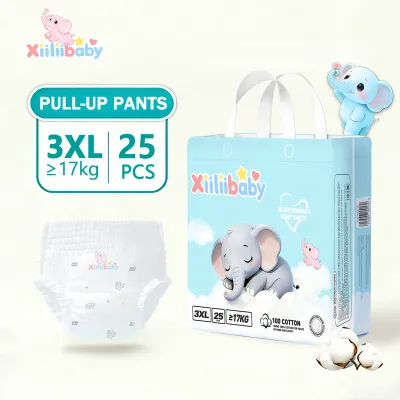
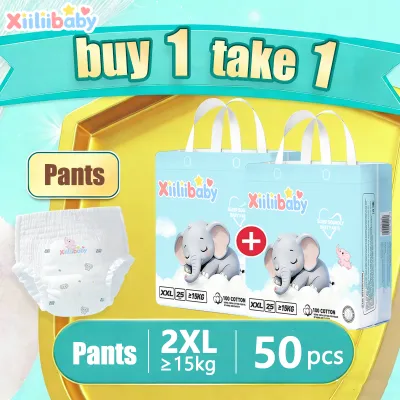
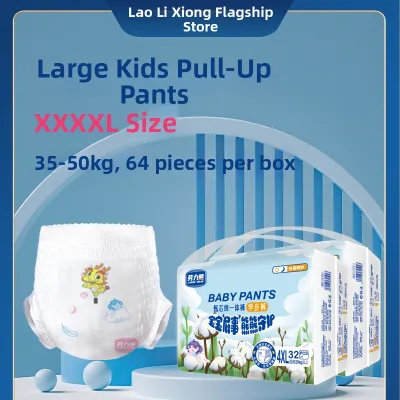
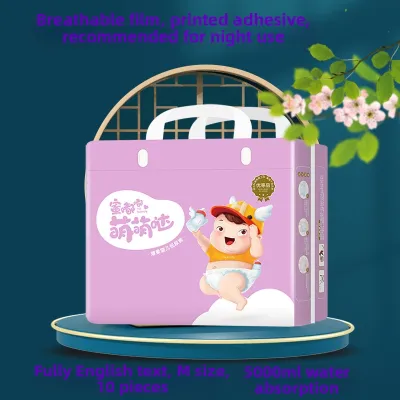
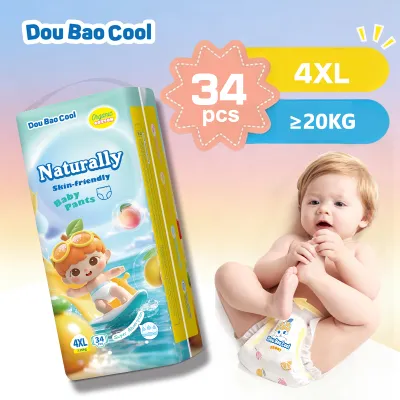
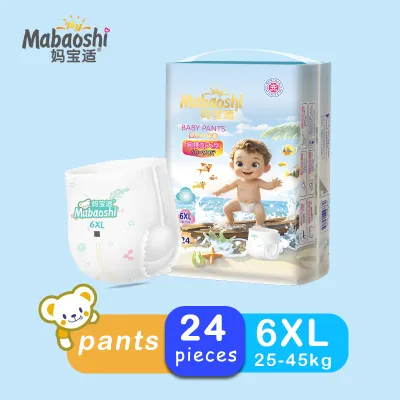
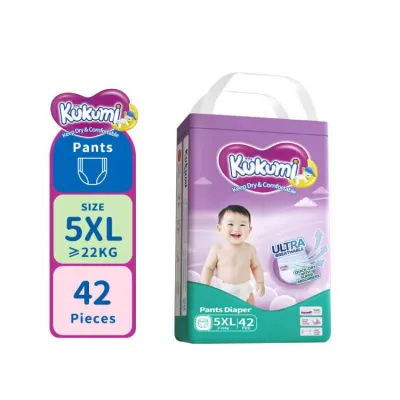
Prices are valid at publication and may change. Please refer to the product page for the latest price.
Verifying the 8XL Size: Weight, Waist, and Fit Indicators
Determining when to transition your child to 8XL diaper pants requires looking beyond age or general size labels. Because children grow at different rates, weight limits and waist measurements printed directly on the packaging serve as your primary guide. An 8XL diaper is designed for older children or larger toddlers who require extended coverage, but fit can vary significantly between brands.

To evaluate the physical fit, observe your child’s skin after several hours of wear. Red marks around the waistline or thighs indicate that the elastic bands are too tight, suggesting a need for a larger size or a brand with more generous stretch. Conversely, gaps around the leg cuffs or a waistband that slips down during movement mean the diaper is too loose, which inevitably leads to leaks.
Excessive sagging, even when the diaper is dry, is another sign of an improper fit. This often happens when the diaper’s rise—the distance from the crotch to the waistband—is too long for your child’s torso. A well-fitting 8XL diaper pant should sit comfortably above the hips without sagging or pulling down.
Keep in mind that body shape plays a crucial role in how a diaper fits. A child with a rounder tummy and slimmer thighs will require a different waistband elasticity than a child with chunky thighs and a narrow waist. If your child is at the upper weight limit of a smaller size, they may fit differently in an 8XL from one brand compared to another, making trial packs highly valuable.
Feature Comparison: Absorbency, Materials, and Leak Guards
When comparing Pampers, Huggies, and Equator, the structural design of the diaper determines its performance. Start by inspecting the core absorbency layers detailed on the packaging. Look for claims regarding superabsorbent polymers and distribution channels designed to pull moisture away from the skin quickly. A wetness indicator, which changes color when wet, is also a helpful feature to verify on the packaging.
In tropical climates like the Philippines, high humidity and heat make breathability a critical factor. Trapped moisture and sweat can quickly lead to skin irritation and diaper rash. Check the packaging for terms like “breathable outer cover” or “micro-pores” that allow air to circulate while keeping wetness locked inside. Hypoallergenic and dermatologically tested claims are also essential to verify if your child has sensitive skin.
The design of the waistband and leg cuffs is just as important as the absorbent core. Active children who are walking, running, or playing need diaper pants that move with them. Examine the elasticity of the waistband; it should be soft, highly stretchable, and wide enough to distribute pressure evenly across the abdomen.
Leg cuffs, often referred to as leak guards, should feature double-barrier protection. These are the inner and outer ruffles that hug the thighs. When putting the diaper pants on your child, always run your finger around the leg cuffs to ensure they are flared outward rather than tucked inward, as tucked cuffs are a primary cause of side leaks.
Cost and Availability: Calculating Value for Extended Sizes
Extended sizes like 8XL are specialized products, which means they often carry a higher price tag and come in smaller pack counts than standard infant sizes. To determine the true financial value of each brand, do not rely solely on the retail price of the package. Instead, calculate the exact cost per diaper using a simple formula.
Divide the total cost of the diaper pack (in ₱) by the number of diaper pants inside the package. For example, if a pack costs ₱800 and contains 20 diapers, the cost per diaper is ₱40. Comparing this unit price across Pampers, Huggies, and Equator allows you to see which brand offers the most economical option for daily use.
When testing a new brand, avoid buying bulk boxes immediately. Even if the cost per diaper is lower in bulk, you risk wasting money if the fit is incorrect or if your child experiences skin irritation. Opt for smaller trial packs first to verify the fit, absorbency, and skin compatibility before committing to a larger purchase.
Availability is another crucial factor to consider. Because 8XL is an uncommon size, it may not always be stocked on the shelves of your local neighborhood supermarket. Check the consistent availability of your preferred brand at major supermarkets, department stores, and authorized online marketplaces to ensure you can easily restock when needed.
Final Decision Framework: Pampers vs. Huggies vs. Equator
To finalize your choice, evaluate how each brand aligns with your child’s physical needs and your household budget. Use the following conditions to guide your purchasing decision:
- Choose Pampers if: Your child is highly active, prefers a lightweight and thin diaper design, and requires maximum waistband stretch for comfortable movement throughout the day.
- Choose Huggies if: Your child is a heavy wetter, particularly overnight, and benefits from deep pocket designs and robust double-barrier leg cuffs to prevent messy leaks.
- Choose Equator if: You are looking for a highly cost-effective option for frequent daytime changes and prefer straightforward, budget-friendly bulk packaging.
- Verify first if: Your child has known skin sensitivities, unique body proportions, or medical conditions that require specialized pediatric care. Always consult a healthcare professional if your child has persistent skin issues that do not resolve with diaper changes.
Frequently Asked Questions (FAQ)
How do I know if my child is ready to transition to 8XL pants?
You can identify the need to transition by observing physical and behavioral signs. Look for persistent red marks around your child’s waist or thighs, which indicate the current size is too tight. Frequent leaks, even when the diaper is changed regularly, suggest the absorbency or physical coverage of the smaller size is no longer sufficient. Additionally, if your child is highly mobile or showing interest in potty training, pull-up style pants in an 8XL size offer the convenience of easy removal compared to traditional taped diapers.
What should I do if my child experiences skin irritation with a new brand?
If your child develops a rash or skin irritation after switching to a new brand, stop using those diaper pants immediately. Examine the irritation to differentiate between friction-induced redness (often found along the tight elastic bands of the waist or legs) and material sensitivity (which typically covers the entire diaper area). Keep the skin clean and dry, and consult a pediatrician or qualified healthcare professional for persistent rashes or before applying any medicated creams.
Are 8XL diaper pants suitable for heavy overnight wetting?
Many standard 8XL diaper pants can handle overnight use, but you must check the specific packaging for overnight, extra-absorbency, or 12-hour protection claims. Observe your child’s morning leak patterns; if the diaper is completely saturated and leaking by morning, the absorbency core may have reached its maximum capacity. Only consider using diaper booster pads if the manufacturer’s instructions explicitly state they are safe and compatible with that specific pant model.

Community discussion
Share your experience or ask a question. Comments are reviewed before publication.