
There is no single “best” brand for every baby. The choice between Pampers, Huggies, and Equator diaper pants depends on your baby’s specific wetting habits, body type, skin sensitivity, and your household budget. Rather than looking for a universal winner, parents should evaluate each brand’s packaging claims, structural design, and cost per piece to find the right fit for daytime activity, overnight sleep, or frequent changes.
Evaluating Absorption and Leak Protection Features
When choosing diaper pants, understanding how a brand manages moisture is crucial for preventing leaks and keeping your baby dry. Parents should start by checking the packaging claims for specific designations, such as overnight protection or daytime wear. Many brands indicate a maximum recommended wear time on their packaging, which serves as a helpful guideline for planning changes during long outings or sleep.
To assess leak protection on a physical level, inspect the diaper pants for a wetness indicator line that changes color when wet. This feature helps you avoid unnecessary changes while ensuring your baby does not sit in a full diaper for too long. Additionally, look for dual-leak guards around the leg cuffs, which should fit snugly against your baby’s thighs to create a secure barrier against sudden blowouts.
Products mentioned in this guide
![[Bundle of 2] Cloud Diaper Pants XL - Big Pack (100s)](https://img.lazcdn.com/g/p/44163b961f25b6a29b8f7baea641e724.jpg_400x400q80.jpg_.webp)
![[Bundle of 2] bean Cloud Diapers Pants Large (9-14 kg) - 60 pcs](https://img.lazcdn.com/g/p/d5ee28d7dae8a8b43cbed3a2a82f26df.png_400x400q80.png_.webp)
![[Bundle of 3] bean Cloud Diapers Pants Large (9-14 kg) - 90 pcs](https://img.lazcdn.com/g/p/3c9b8b1d907f55a21f8b7257de1e78c1.png_400x400q80.png_.webp)
Prices are valid at publication and may change. Please refer to the product page for the latest price.
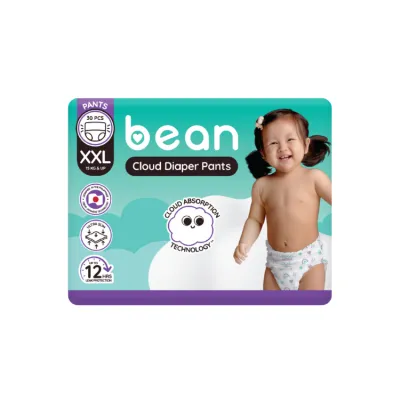
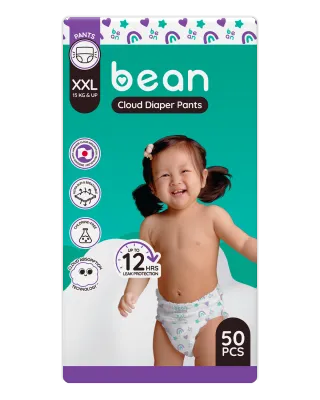
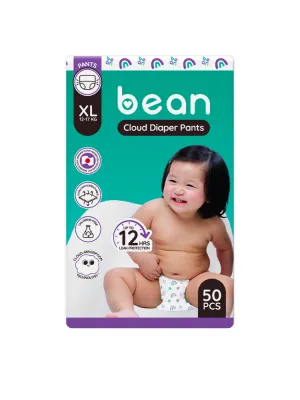
The design of the absorption core also plays a major role in how the diaper performs during active play. Some modern designs, such as bean diaper pants, utilize a textured, bubble-like inner sheet to channel liquid away from the surface rapidly. Observing how the core holds up under heavy wetting is essential; a high-quality core should distribute moisture evenly without sagging heavily between your baby’s legs, which can restrict their movement.
Furthermore, pay close attention to how the core material behaves when saturated. Some diaper pants use superabsorbent polymers (SAP) that lock moisture into a gel, preventing wetness from re-surfacing when your baby sits down. Checking the thickness of the core before and after use can give you a clear indication of whether the diaper relies on bulky pulp or advanced thin-core technology to manage wetness.
Assessing Comfort, Fit, and Skin Sensitivity
A diaper pant can have excellent absorption, but it will not work well if it causes discomfort or skin irritation. To find the right fit, compare the waistband elasticity and leg cuff flexibility across different brands. Active toddlers and babies with rounder thighs require a highly stretchable waistband that moves with them without leaving deep red marks or chafing the skin.

For babies with sensitive skin, carefully read the packaging for specific manufacturing standards and ingredient disclosures. Look for labels indicating the product is dermatologically tested, hypoallergenic, or fragrance-free. If your baby is prone to diaper rash, avoiding added fragrances and lotions can significantly reduce the risk of contact dermatitis.
In a warm and humid tropical climate like the Philippines, breathability is a critical factor in maintaining skin health. Evaluate the outer cover material of the diaper pants to ensure it allows heat and moisture to escape. A breathable outer layer helps keep the diaper area cool, reducing the buildup of sweat and humidity that often triggers heat rashes during active daytime play or long overnight stretches.
Additionally, consider the ease of removal and disposal, which directly impacts daily comfort for both the caregiver and the baby. High-quality diaper pants feature easy-tear sides that allow you to remove the diaper quickly without mess, along with an integrated disposal tape on the back to secure the rolled-up diaper cleanly before throwing it away.
Calculating Real Value and Cost per Diaper
Comparing the upfront price of diaper packs can be highly misleading because the total number of pieces varies widely by brand, size, and packaging type. To find the true financial impact on your household budget, always calculate the exact cost per piece in Philippine Pesos (₱). Divide the total price of the pack by the number of diaper pants inside to establish a clear baseline for comparison.
When evaluating value, remember that the cheapest option on the shelf is not always the most economical in the long run. If a lower-priced diaper pants option leaks frequently or sags quickly, you may find yourself changing your baby twice as often. This increased frequency, combined with the extra cost of washing soiled clothes and bedding, can quickly erase any initial savings.
To maximize your budget, look for bulk buying opportunities and bundle deals. Official brand stores on major e-commerce platforms frequently offer promotional discounts, seasonal sales, and subscription options that lower the cost per piece. Purchasing larger box sizes or multi-packs during these promotional events is often the most effective way to secure premium diaper pants at a more affordable rate.
Keep in mind that diaper costs naturally rise as your baby grows, because larger sizes contain fewer pieces per pack. Tracking your baby’s growth rate allows you to avoid overstocking smaller sizes right before a growth spurt, preventing wasted inventory that your baby can no longer wear comfortably.
Decision Framework: Matching the Brand to Your Baby's Needs
Selecting the right diaper pants comes down to matching a brand’s specific design strengths with your baby’s daily routine and physical needs. If your primary goal is a soft material feel and a contoured fit profile, Pampers is a strong candidate to consider. Before purchasing, verify the specific features of their local premium or standard variants on the packaging, as different product lines offer varying levels of softness and absorption technology.
If your baby is highly active, crawling, or walking, Huggies may be the ideal choice due to its focus on robust leak guards and high-stretch waistbands. Check their product lines designed specifically for active toddlers to ensure the waistband provides a secure fit that stays in place during vigorous movement. This brand is often favored by parents whose babies fall between standard sizes and need extra flexibility around the waist.
For households looking to optimize their daily spending, Equator offers a highly budget-friendly option that is particularly suited for frequent daytime changes. Because babies should be changed regularly during the day regardless of diaper capacity, using a more economical brand for these short intervals can drastically reduce your monthly expenses. To ensure it meets your expectations, verify its basic absorption limits by testing a small pack before committing to a bulk purchase.
Before making any final brand transition, always consult the manufacturer’s weight charts printed on the packaging. Diaper sizes are determined by weight rather than age, and a proper fit is the single most important factor in preventing leaks. If your baby has a history of skin allergies, introduce any new brand slowly and monitor the diaper area closely for any signs of redness or irritation.
Additionally, consult your pediatrician if your baby experiences persistent diaper rash or skin irritation that does not improve with regular changes and barrier creams. A medical professional can help identify whether the issue is related to a specific material sensitivity, a yeast infection, or other environmental factors requiring targeted treatment.
Frequently Asked Questions (FAQ)
How do I know when it is time to size up in diaper pants?
You can identify the need for a larger size by observing how the diaper pants fit your baby’s body during daily movement. If you notice persistent red marks around your baby’s thighs or waist, or if the waistband sits significantly below the belly button, the diaper is likely too small. Frequent leaks at the leg cuffs and difficulty pulling the pants up over your baby’s hips are also clear indicators that it is time to transition to the next size up on the manufacturer’s weight chart.
Can I mix different brands for daytime and nighttime use?
Yes, mixing different diaper brands is an excellent, cost-effective strategy used by many parents. You can use a budget-friendly brand like Equator for frequent daytime changes when your baby is active and changed often, and reserve a high-absorbency brand like Pampers or Huggies for overnight sleep or long outings. This approach helps you manage your diaper inventory efficiently, ensuring your baby stays dry and comfortable during uninterrupted sleep while keeping your overall expenses manageable.
Community discussion
Share your experience or ask a question. Comments are reviewed before publication.