
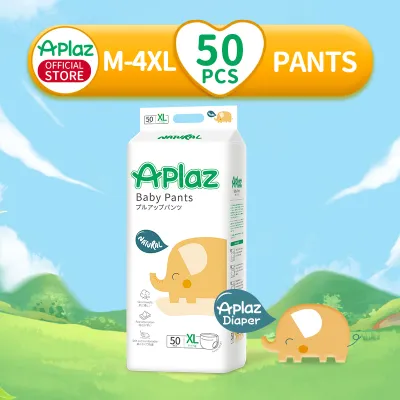
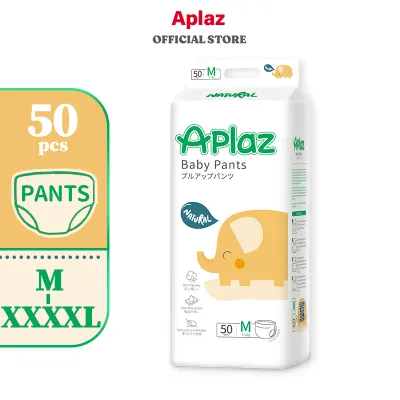
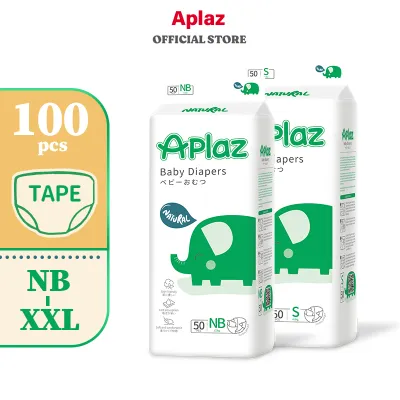
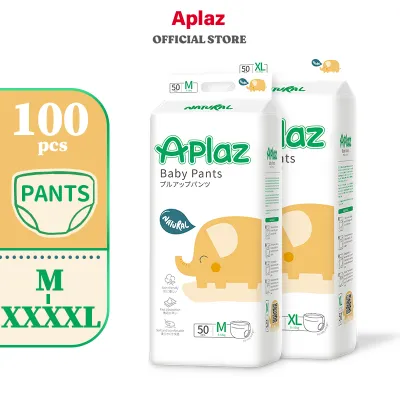
Selecting the right diaper for your baby is a continuous process of observation and adjustment, especially when comparing prominent options like Pampers, Huggies, and Equator. While exploring choices in local supermarkets or online marketplaces, you might also consider other accessible brands such as Aplaz. Because every baby has a unique body shape, activity level, and skin sensitivity, there is no single diaper that works perfectly for every infant. The most reliable choice depends on matching specific design features—such as waistband elasticity, core distribution, and leg cuff height—to your baby’s physical needs rather than relying on a single brand name.
Key Factors for Evaluating Daily Diaper Performance
When evaluating disposable diapers, the weight range printed on the packaging should always serve as your primary guide rather than the baby’s age. Manufacturers design diaper sizes based on weight distributions, but because two babies of the same weight can have vastly different body shapes, these ranges are only starting points. A baby with a rounder tummy or thicker thighs may need to transition to a larger size sooner than a baby with a leaner build, even if they both fall within the same weight bracket on the label.
Structural features are the next critical element to inspect before committing to a bulk purchase. Look closely at the waistband stretch, the height of the inner leg cuffs, and the presence of a wetness indicator. Stretchy waistbands and flexible fastener tabs allow the diaper to expand and contract as your baby breathes and moves, while high leg cuffs act as physical barriers against blowouts. Wetness indicators, which typically change color when exposed to moisture, provide a quick visual cue that helps caregivers avoid unnecessary changes while preventing prolonged wetness.
Products mentioned in this guide
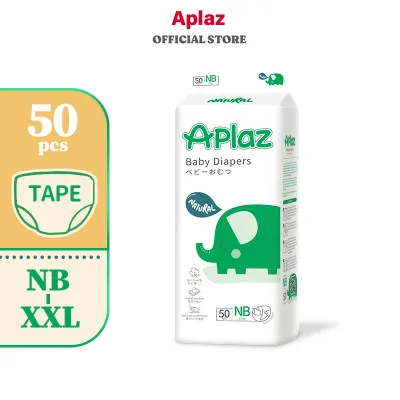

Prices are valid at publication and may change. Please refer to the product page for the latest price.
Additionally, understanding how the absorbent core is distributed within the diaper can help you anticipate how it will perform during active play. Some diapers utilize channel designs that distribute liquid evenly along parallel paths, which helps the diaper maintain its shape and prevents sagging. Other designs rely on a more uniform, centralized padding that may absorb quickly but can become bulky and bunch up between the baby’s legs once saturated. Observing how a diaper behaves when wet will help you determine if it supports your baby’s natural movements.
Fit and Comfort: Comparing Design Approaches
Different diaper brands employ distinct cutting philosophies to accommodate various infant builds. Pampers is widely recognized for its contoured, streamlined cut, which typically features a narrower crotch area and highly flexible fastener tabs. This design is often well-suited for babies with a leaner or more average build, as it minimizes bulk between the thighs and allows for unrestricted leg movement. The elastic tabs are designed to stretch significantly, securing a snug fit around the waist without restricting breathing.

In contrast, Huggies often utilizes a wider, more pocketed design that provides generous coverage across the back and hips. This cut is particularly beneficial for babies with chubbier thighs or rounder tummies, as the wider chassis prevents the material from digging into the skin. Many Huggies designs also feature a pocketed waistband at the back, which is specifically engineered to catch runny stools before they can escape upward. This structural difference makes it a popular choice for parents prioritizing blowout prevention during the infant stage.
Equator generally offers a more straightforward, traditional cut that focuses on functional simplicity. The waistband and fastener tabs provide standard elasticity, making it a practical option for babies with average body proportions. When evaluating these design approaches, it is also important to feel the inner lining texture. A soft, low-friction top sheet is essential for reducing skin irritation, especially during active crawling or walking phases when constant friction against the diaper’s edges can cause chafing.
Absorbency and Leak Protection Features
To prevent leaks effectively, a diaper must combine rapid liquid intake with secure containment barriers. The leg gussets, or inner cuffs, are your first line of defense against side leaks. High, double-layered elastic gussets are particularly important for side-sleeping infants and highly active toddlers who constantly change positions. When putting on any diaper, caregivers should always run a finger around the leg openings to ensure these cuffs are flared outward rather than tucked inward, as tucked cuffs are a common cause of immediate leaks.
Another critical factor is the dryness of the top sheet after liquid exposure. A high-performing diaper should draw moisture away from the skin rapidly and lock it within the absorbent core, leaving the inner lining dry to the touch within minutes. You can observe this by gently pressing a dry tissue against a wet diaper during a change. Additionally, keep an eye out for gel bead leakage; if you notice tiny, clear gelatinous beads on your baby’s skin after use, it indicates that the absorbent polymer core has ruptured, and you may need to switch to a more durable design or size up.
Evaluating daytime versus overnight performance requires looking at the diaper’s stated capacity and core thickness. Daytime diapers are often thinner and optimized for flexibility and frequent changes, which is ideal for active hours. Overnight diapers, however, require a denser absorbent core and enhanced distribution layers to manage multiple voids over a twelve-hour period. If a standard diaper leaks consistently during the night, transitioning to a dedicated overnight diaper or sizing up for nighttime use can provide the necessary extra capacity.
Skin Sensitivity and Material Considerations
Because a baby’s skin is exceptionally thin and sensitive, the materials used in diaper construction require careful scrutiny. When reviewing diaper packaging, look for clear disclosures regarding hypoallergenic materials, fragrance-free formulations, and dermatological testing. Fragrances and elemental chlorine bleaching processes can sometimes trigger contact dermatitis in sensitive infants. Opting for diapers that are processed without chlorine and are free from added perfumes can significantly reduce the risk of skin irritation.
In warm and humid tropical climates, such as in the Philippines, diaper breathability is paramount. High humidity and heat can easily trap moisture inside a non-breathable diaper, creating an ideal environment for diaper rash and heat rash to develop. Look for diapers featuring a breathable outer cover or backsheet, which contains microscopic pores that allow hot air and moisture vapor to escape while keeping liquid safely contained inside. This continuous airflow helps keep the skin dry and cool.
Despite careful selection, skin reactions can still occur due to friction, prolonged wetness, or individual sensitivities to specific materials. Caregivers should monitor the diaper area during every change for signs of persistent redness, chafing, or raised bumps. If a rash develops after introducing a new diaper brand, stop using that brand immediately and revert to a previously tolerated option. If the redness persists, blisters, or does not improve with standard zinc oxide barrier creams, consult a pediatrician or qualified healthcare professional for guidance.
Decision Framework: Choosing the Right Brand for Your Baby
To simplify your selection process, consider how your baby’s physical profile and daily routine align with the design characteristics of each brand:
- Choose Pampers if your baby has a lean or average build, requires a highly flexible and streamlined fit for active daytime movement, and you prefer a diaper that minimizes bulk between the legs.
- Choose Huggies if your baby has chubbier thighs, a rounder tummy, or is prone to back blowouts, as the wider cut and pocketed waistband provide robust containment and a more accommodating fit.
- Choose Equator if you are looking for a budget-friendly option for frequent daytime changes, particularly during the potty-training transition or warm afternoons when diapers are changed more often, and you are able to verify its absorbency limits for your baby's specific output.
- Verify first if your baby has known skin sensitivities by carefully reading the ingredient and material list on the packaging. When switching to any new brand, purchase a small pack first and perform a trial run to monitor for any localized skin reactions before buying in bulk.
Frequently Asked Questions (FAQ)
How do I know if a diaper is the wrong size for my baby?
You can identify an incorrect diaper size by looking for distinct physical signs during changes. If you notice deep red indentations or marks along your baby’s waistline or thighs that do not fade within a few minutes, the diaper is too tight and you should size up. Additionally, if the diaper sags excessively even when empty, fails to cover the baby’s backside completely, or if you experience frequent leaks despite proper application, the diaper is likely either too small or poorly proportioned for your baby’s current build.
Is it safe to mix different diaper brands for day and night use?
Yes, mixing different diaper brands for daytime and nighttime use is entirely safe and is a highly practical strategy for many families. You might choose a lighter, more flexible, and cost-effective diaper for frequent daytime changes, and reserve a highly absorbent, premium diaper for overnight sleep. When mixing brands, keep in mind that sizing is not standardized across manufacturers; you may need to use a size medium in one brand for daytime play and a size large in another brand to ensure adequate overnight coverage.
What should I do if my baby develops a rash from a new diaper brand?
If your baby develops a rash shortly after you introduce a new diaper brand, the immediate step is to stop using that brand completely and switch back to a diaper you know your baby tolerates well. Clean the area gently with warm water and a soft cloth rather than scented wipes, allow the skin to air-dry completely before diapering, and apply a thick layer of a fragrance-free barrier cream. If the rash is severe, starts peeling, develops blisters, or does not show signs of improvement within two to three days, consult your pediatrician promptly.
Community discussion
Share your experience or ask a question. Comments are reviewed before publication.