
Quick Answer: Navigating the Pampers, Huggies, and Equator Choice
Finding the right tape diaper in a 50-piece sale pack involves balancing cost, convenience, and your baby’s comfort. There is no single brand that works perfectly for every infant, as the ideal choice depends heavily on your baby’s unique skin sensitivity, urine output, and physical body shape.
When browsing online marketplaces, you will find distinct differences in how these brands position their products. Pampers packaging typically highlights a slim-fit design and integrated wetness indicators. Huggies often emphasizes elastic waistbands and specialized pocket designs aimed at preventing blowouts. Equator generally focuses on providing a highly budget-friendly option designed for frequent daytime changes.
Before purchasing any 50-piece bundle, always verify the manufacturing dates and specific sub-line features. Manufacturers frequently update their product designs, meaning a sale pack might feature a slightly different cut or material composition than what you previously used.
Products mentioned in this guide
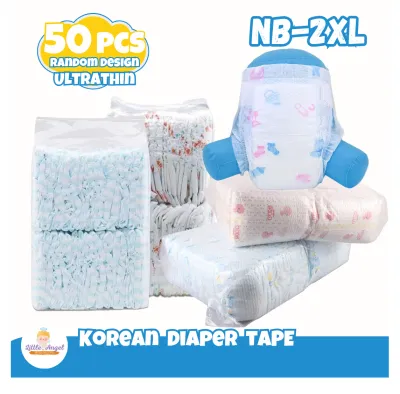
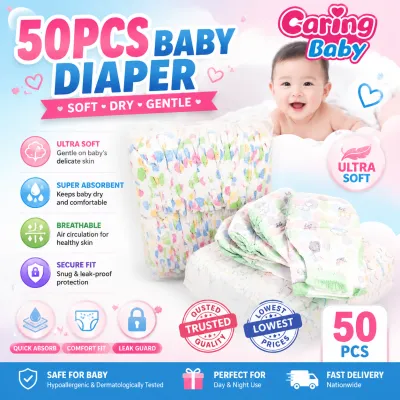
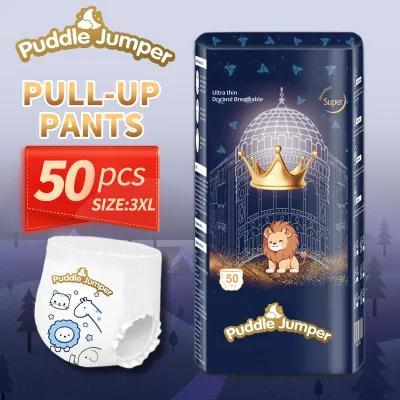
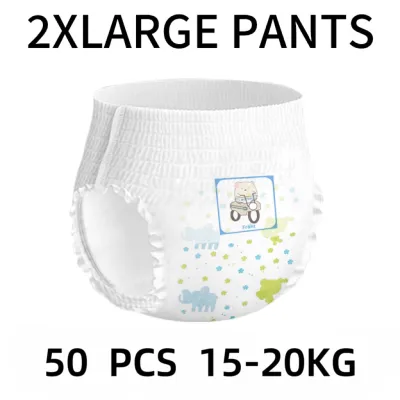
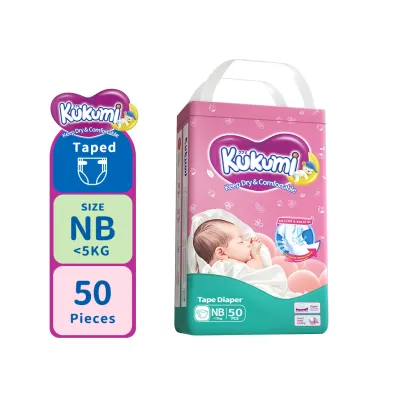
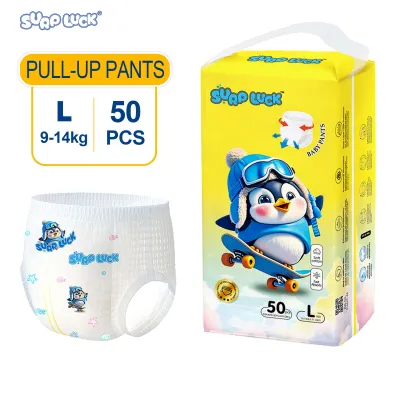
Prices are valid at publication and may change. Please refer to the product page for the latest price.
Essential Checks Before Buying 50-Piece Sale Bundles
Buying diapers in bulk 50-piece packs during online sales is an excellent way to manage household expenses, but it requires careful planning. First, always locate and verify the manufacturing or expiration dates printed on the outer plastic packaging. Although disposable diapers do not spoil like food, the elastic threads, adhesive fastening tapes, and wetness indicator chemicals can degrade over time, especially when stored in hot and humid tropical climates.

Second, consider your baby’s current growth rate and weight. If your baby is currently near the upper weight limit of a specific size, purchasing a large 50-piece pack carries the risk that they will outgrow the diapers before you can use them all. A smart transition strategy is to buy one size larger if your baby is within a kilogram of the next weight bracket, ensuring the diapers remain usable even during sudden growth spurts.
Third, carefully inspect the outer packaging for seal integrity and moisture damage immediately upon delivery. High humidity during transit or prolonged storage in local warehouses can allow moisture to seep into the pack, which can compromise the hygiene of the inner lining. If you notice any punctures, water stains, or broken seals on the plastic wrap, address it with the seller before opening the individual diapers.
Comparing Absorbency, Fit, and Material Quality
To determine which brand offers the best utility for your daily routine, you must evaluate how their physical features perform under real-world conditions. Absorbency, structural fit, and material softness are the primary pillars that dictate whether a diaper will keep your baby dry or cause unexpected leaks.
Because physical performance varies based on your baby’s movements and sleeping positions, you should use specific, observable criteria to inspect the sub-lines of Pampers, Huggies, and Equator. Evaluating these factors systematically helps you avoid wasting money on bulk packs that do not suit your baby’s needs.
Evaluating Absorbency and Leak Protection Claims
When examining the packaging of a 50-piece sale bundle, look closely at the stated absorbency technologies. Manufacturers often print terms describing specialized absorbent cores, channel designs, or wetness indicator lines that change color when wet. They may also list a recommended maximum wear time, which serves as a helpful guideline for daytime or overnight use.
To verify these claims safely at home, you can conduct a simple, observable test before putting a new diaper brand on your baby. Lay the diaper flat on a clean surface and pour a measured amount of lukewarm water—approximately 100 to 150 milliliters to simulate multiple urinations—directly onto the center. Wait a few minutes, then press a dry paper towel against the inner lining to check for surface dryness and observe how quickly the core locks the liquid away.
Additionally, examine the height and elasticity of the leg cuffs and side barriers. High-quality leak guards should stand upright naturally and feel soft to the touch. Taller, double-layered leg barriers provide a physical shield that helps contain liquid during sudden bursts, which is especially important for active babies who roll or crawl frequently.
Assessing Fit, Sizing, and Skin Sensitivity
Sizing standards can vary significantly between brands, even when they list identical weight ranges on their packaging. Compare the physical dimensions of Pampers, Huggies, and Equator by holding them side by side. Observe the stretch of the waistband and the flexibility of the side panels, as highly elastic tabs allow you to customize the fit around your baby’s waist without restricting their breathing.
Skin sensitivity is a critical consideration in warm, humid climates where sweat and friction can quickly lead to diaper rash. Check the product labels for hypoallergenic claims, dermatological testing certifications, and the absence of added fragrances, latex, or elemental chlorine. If your baby has highly reactive skin, choosing fragrance-free options reduces the risk of contact irritation.
After your baby wears a diaper for a few hours, perform a physical check of their skin. Look for red marks, chafing, or deep elastic indentations around the thighs, hips, and waist. Persistent red marks indicate that the diaper’s cut is too narrow or the elastic is too tight for your baby’s specific body shape, suggesting that you need to adjust the tabs or transition to a larger size.
Checking Breathability and Tape Fastener Durability
In tropical conditions, a diaper’s breathability is essential for maintaining skin health and preventing heat rash. Feel the outer backsheet of the diaper to assess its texture; it should feel cloth-like and pliable rather than stiff or plastic-like. Look for packaging descriptions that mention micro-pores or breathable outer covers, which allow hot air and vapor to escape while keeping liquid safely inside.
The durability of the tape fasteners is equally important, particularly if you need to open and close the diaper multiple times to check for wetness. Compare the grip strength of the adhesive or hook-and-loop tabs. High-quality fasteners should hold securely to the front landing zone without peeling away when your baby moves, and they should resist losing their grip if they accidentally come into contact with baby oil or powder.
Finally, inspect the inner lining’s texture after your baby has been active. Run your fingers across the dry lining to ensure it feels smooth and does not exhibit pilling, clumping, or tearing. A stable absorbent core that maintains its shape during movement prevents the filling from bunching up, which can cause uneven wetness distribution and premature leaks.
Calculating True Value and Managing Bulk Diaper Inventory
To find the most cost-effective option among 50-piece sale packs, look beyond the initial retail price and calculate the exact cost per piece. Use a simple formula: divide the total price of the pack in Philippine Pesos (₱) by 50. For example, a pack priced at ₱450 results in a unit cost of ₱9.00 per diaper. This calculation allows you to compare different brands and sub-lines objectively, regardless of varying discount rates.
Avoid the assumption that a higher price tag automatically translates to better performance for your baby. A moderately priced diaper that fits your baby’s body shape perfectly and is changed frequently can be more hygienic and economical than an expensive premium diaper that is left on for too long. Align your purchase with the specific features your baby actually requires rather than paying extra for unneeded additions.
Proper storage is vital to preserve the quality of your bulk diaper inventory. Store your 50-piece packs in a cool, dry area elevated off the floor, away from direct sunlight and high-humidity zones like bathrooms or laundry areas. Excessive heat and moisture can weaken the adhesive on the fastening tapes and degrade the elastic waistbands, reducing the diaper’s overall effectiveness before you can use them.
Decision Framework: Matching the Brand to Your Baby's Needs
To simplify your final purchasing decision, use this condition-based framework to match each brand’s typical characteristics to your baby’s daily routine:
- Choose Pampers if you prefer a slim-fit profile that fits neatly under lightweight clothing, value highly visible wetness indicators for quick monitoring, and have a baby with a relatively slim or average build.
- Choose Huggies if your baby is highly active, has a rounder physical build that benefits from a wider, highly stretchable waistband, or if you frequently deal with liquid stools and require a dedicated pocketed waistband to prevent back leaks.
- Choose Equator if you are looking for a highly budget-friendly option, practice frequent daytime diaper changes (such as every two to three hours), and require a straightforward, functional tape diaper for standard daily use.
- Verify first if your baby has severe eczema, extremely sensitive skin, or known allergies. In these situations, read the ingredient list carefully and consult a pediatrician before committing to a full 50-piece bulk pack, as minor differences in materials can trigger skin reactions.
Frequently Asked Questions (FAQ)
Can I mix different tape diaper brands if I buy multiple 50-piece sale packs?
Yes, mixing different tape diaper brands is a practical strategy used by many parents. For example, you might use a highly absorbent, premium brand for overnight sleep and a budget-friendly brand for frequent daytime changes. However, keep in mind that sizing and cut shapes vary between Pampers, Huggies, and Equator. You may need to adjust how tightly you fasten the tapes depending on the brand. Additionally, try to keep track of which brand your baby is currently wearing so you can easily identify the cause if they suddenly develop a skin reaction or experience a leak.
What should I do if the tape fasteners on a bulk pack seem weak or defective?
If you open a new 50-piece pack and find that the tape fasteners do not hold or tear easily, first check if the package was exposed to high heat or humidity during shipping or storage, as environmental factors can degrade adhesives. If the issue affects multiple diapers in the pack, it may be a manufacturing defect. Avoid trying to secure the diaper with household tape, as this can irritate your baby’s skin. Instead, take clear photos of the defective tapes and locate the batch number printed on the packaging. Contact the seller on the online marketplace or reach out to the brand’s local customer service in the Philippines to request a replacement or refund.

Community discussion
Share your experience or ask a question. Comments are reviewed before publication.