
Selecting the right diaper for your newborn is one of the first practical challenges you will face as a parent. In the Philippines, the market offers several prominent options, with Pampers, Huggies, and Equator standing out as popular choices across supermarkets and online marketplaces. However, there is no single diaper that works perfectly for every infant. A newborn’s unique body shape, skin sensitivity, and rapid growth rate mean that the ideal diaper is a highly individual choice. Instead of searching for a universal winner, parents should focus on understanding how these brands differ in design, fit, and cost-effectiveness. By evaluating verifiable features and learning how to monitor your baby’s physical response, you can find a diapering routine that keeps your newborn dry and comfortable without overstretching your budget.
What to Look for in a Newborn Diaper
Newborn babies have incredibly delicate skin that is highly susceptible to irritation, moisture buildup, and friction. When evaluating any diaper brand, your first consideration should be skin compatibility. Newborn skin is thinner than adult skin, meaning that wetness or harsh chemicals can quickly lead to diaper rash. Look closely at product packaging to verify claims such as “hypoallergenic,” “fragrance-free,” or the inclusion of soothing cosmetic lotions. If your family has a history of sensitive skin or eczema, prioritizing fragrance-free options is a prudent starting point.
Another critical structural feature for the first few weeks of life is the umbilical cord stump cutout. Until the umbilical cord dries and falls off naturally—typically within one to three weeks—the area must remain clean, dry, and free from friction. A diaper with a built-in U-shaped cutout at the front waistband prevents the material from rubbing against the healing stump. If a diaper lacks this feature, caregivers must manually fold down the front edge, which can sometimes compromise the diaper’s overall fit and leak protection.
Products mentioned in this guide
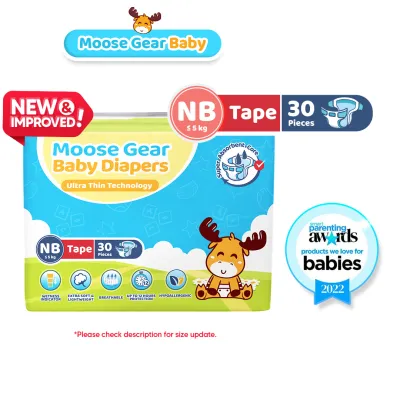
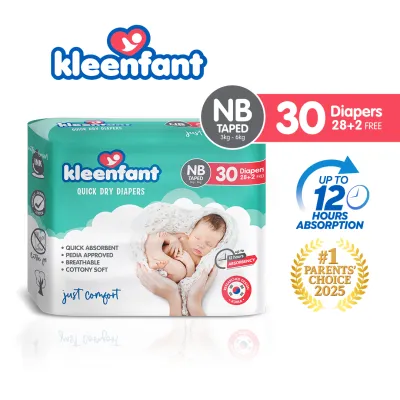
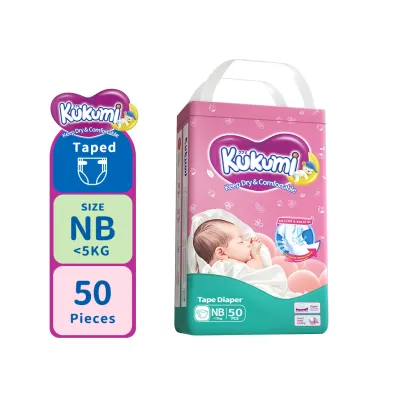
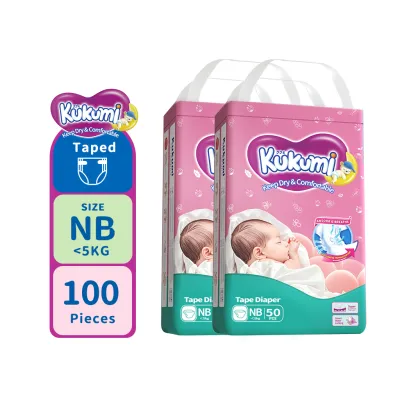
Prices are valid at publication and may change. Please refer to the product page for the latest price.
Finally, pay close attention to the diaper’s leak-prevention mechanisms. High-quality newborn diapers feature double elastic leg cuffs, often referred to as leg gaskets, which should flare outward to create a secure seal around the thighs. Additionally, look for a flexible, elastic waistband. Because newborns spend most of their time lying on their backs, a snug yet stretchy waistband is essential for preventing liquid stool from escaping up the baby’s back.
Comparing Pampers, Huggies, and Equator Features
To make an informed choice, parents must look past marketing slogans and examine the physical design elements of each brand. Each of these three manufacturers approaches newborn diaper design with different structural priorities.

Pampers is widely recognized for its focus on wetness distribution and material softness. When examining Pampers newborn diapers, such as those in their Premium Care or Baby-Dry lines, look for the presence of a wetness indicator—a yellow line that turns blue when wet. This feature is incredibly helpful for sleep-deprived parents tracking wet diaper counts. Many Pampers newborn sizes also feature a dedicated umbilical cord cutout and a highly porous top sheet designed to draw loose, runny newborn stool away from the skin. Caregivers should check the packaging to verify whether the specific pack is scented, as some Pampers lines contain mild fragrances.
Huggies takes a highly structural approach to leak containment. A standout feature to verify on Huggies newborn packaging is the pocketed waistband. This is a physical pouch or barrier at the back of the diaper designed specifically to catch runny bowel movements before they cause a blowout. Huggies diapers also frequently feature wide, stretchy fastening tabs that can be adjusted repeatedly without losing their grip. When inspecting Huggies options, look for their wetness indicators and check the material specifications to confirm if the inner liner is free from elemental chlorine bleaching.
Equator is often selected by parents seeking a straightforward, highly economical diapering solution. While it may not feature the same level of marketing prominence as the other two brands, Equator diapers provide the essential structural components needed for daily wear. When examining Equator packaging, verify the presence of basic leak guards and check the fastening system. Some budget-friendly diapers utilize tape-style fasteners rather than hook-and-loop tabs, which may be less forgiving if you need to open and re-close the diaper multiple times to check for wetness. Look for indications of material breathability to ensure heat and humidity can escape, which is particularly important in the tropical climate of the Philippines.
To help you inspect these products in person or on online marketplaces, use the following checklist to compare the features printed on the packaging:
| Feature to Verify | Pampers (Newborn) | Huggies (Newborn) | Equator (Newborn) |
|---|---|---|---|
| Wetness Indicator | Typically present; verify on pack | Typically present; verify on pack | Check packaging for availability |
| Umbilical Cutout | Available on select premium lines | Available on select premium lines | Check packaging for cutout design |
| Waistband Pocket | Flat back design | Pocketed back barrier | Flat back design |
| Fastener Type | Hook-and-loop stretchy tabs | Stretchy grip tabs | Tape or standard grip tabs |
| Fragrance Status | Scented and unscented options | Typically fragrance-free | Typically fragrance-free |
How to Evaluate Fit and Skin Comfort
No matter how highly rated a diaper brand is, its performance ultimately depends on how it fits your baby’s unique anatomy. A diaper that is too tight can cause painful chafing, while a diaper that is too loose will inevitably leak. To evaluate the fit, perform a simple three-point check after fastening the diaper. First, ensure you can comfortably slide two fingers between the diaper waistband and your baby’s tummy. Second, check that the leg cuffs are fully flared outward like the wings of a butterfly; tucked-in cuffs are a primary cause of leg leaks. Third, inspect the baby’s skin during diaper changes. Red marks around the thighs or waist indicate that the diaper is too small or fastened too tightly.
Monitoring skin comfort is a continuous responsibility during the newborn stage. Diaper rash is a common occurrence caused by prolonged exposure to moisture, friction, or sensitivity to diaper materials. If you notice persistent redness, small bumps, or dry patches in the diaper area, it may indicate a sensitivity to the specific lotions, fragrances, or synthetic materials used in that brand.
Caregivers must be prepared to adjust their approach if skin issues arise. If a diaper rash does not improve within two to three days of frequent changes and the application of a barrier cream, or if you observe signs of infection such as blisters, pus, or a fever, stop using the diaper brand immediately and consult a pediatrician. Always prioritize professional medical advice over online troubleshooting when dealing with newborn skin health.
Calculating Value and Managing Your Diaper Stash
Managing diaper expenses requires looking beyond the retail price of a single package. To find the true cost, always calculate the unit price by dividing the total cost of the pack by the number of diapers inside (Price / Count = Cost per Diaper). For example, a pack costing ₱350 containing 40 diapers results in a unit cost of ₱8.75 per diaper. Comparing unit prices across different pack sizes and retail channels will quickly reveal where the best savings lie.
While buying in bulk is a classic money-saving strategy, it carries significant risks during the newborn phase. Newborns grow at an astonishing rate, often gaining weight daily. A baby can easily outgrow the weight limit of newborn diapers (typically up to 5 kilograms) within a few weeks. If you purchase massive bulk boxes of newborn diapers before your baby arrives, you risk being left with expensive, unused stock that no longer fits. Instead, purchase small packs of 20 to 40 diapers initially. Once you confirm the brand fits well and your baby’s growth rate stabilizes, you can transition to larger pack sizes.
Another practical strategy for managing costs is brand mixing. Newborns require frequent changes—often 10 to 12 times a day. Because daytime changes occur almost immediately after a baby wets, you can use a highly economical diaper like Equator for daytime wear when you are monitoring the baby closely. For overnight sleep or long outings, you can switch to a more absorbent, premium option from Pampers or Huggies to ensure the baby remains dry and undisturbed for longer periods.
How to Decide Which Brand to Try First
When deciding which brand to purchase for your hospital bag or first week at home, let your specific household priorities guide your choice.
Consider starting with Pampers if your primary goal is maximum softness and you value a highly visible wetness indicator to help you track your baby’s output. Pampers is an excellent starting point if you prefer a diaper with a proven track record of material breathability in warm, humid tropical conditions, provided your baby does not show sensitivity to mild fragrances.
Choose Huggies as your first trial if you are highly concerned about back blowouts and want the physical security of a pocketed waistband. Huggies is also ideal for parents who prefer a completely fragrance-free diaper with highly adjustable, robust fastening tabs that accommodate babies with rounder tummies or thicker thighs.
Opt for Equator if your primary focus is establishing a highly budget-friendly diapering routine from day one. Equator is an excellent choice for daytime diapering, allowing you to perform frequent, routine changes without feeling the financial strain of premium brand pricing, provided your baby’s skin tolerates the materials well.
Regardless of which brand you choose first, the safest approach is to purchase one small trial pack of each brand before your baby is born. This hands-on comparison allows you to physically test the fit, observe how your baby’s skin reacts, and confidently choose the brand that offers the best balance of comfort and value for your growing family.
Frequently Asked Questions (FAQ)
How many newborn diapers do I need for the first month?
On average, a newborn baby requires about 10 to 12 diaper changes per day during their first month of life. This high frequency is due to their small bladder capacity and frequent feeding schedules. Consequently, you can expect to use approximately 300 to 360 diapers in the first month. Because babies grow rapidly, it is highly recommended to buy these in smaller weekly batches rather than purchasing the entire month’s supply at once, ensuring you do not get stuck with diapers your baby has outgrown.
When should I move my baby up to the next diaper size?
You should transition to the next diaper size when you observe physical signs of poor fit, even if your baby is technically within the weight range printed on the packaging. Key indicators include frequent leaks or blowouts, red marks left on your baby’s thighs or waist, or the fastening tabs failing to reach the center of the waistband easily. If the diaper template no longer covers your baby’s bottom fully, or if the diaper feels damp to the touch immediately after wetting, it is time to move up to size 1.
Community discussion
Share your experience or ask a question. Comments are reviewed before publication.