
Finding the right disposable diaper for your baby in the Philippines is a balancing act between reliable dryness, skin health in a humid climate, and daily household expenses. While Pampers, Huggies, and Equator are all popular options on supermarket shelves and online marketplaces, no single brand is universally perfect for every infant. The ideal choice depends on your baby’s unique body shape, skin sensitivity, and current developmental stage, as well as how well a specific diaper line handles tropical heat.
Rather than relying solely on brand popularity, making an informed decision requires looking closely at the design features of each product line. A diaper that keeps a newborn dry during long afternoon naps might not provide the necessary flexibility or leak protection once your baby starts crawling and exploring. By understanding how to evaluate absorbency, fit, and cost-effectiveness, you can find a diapering routine that keeps your baby comfortable without overstretching your budget.
Key Factors to Compare Before Buying Disposable Diapers
Before committing to a specific brand or purchasing large boxes of diapers, it is essential to establish a clear set of evaluation criteria. The primary factors that determine diaper performance are overnight absorbency, daytime mobility, skin breathability, and the unit cost per piece. Each of these factors plays a different role depending on your baby’s daily routine and age.
Products mentioned in this guide
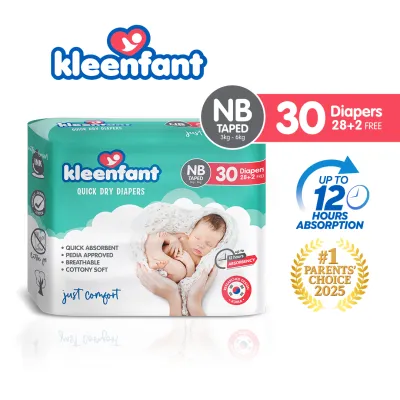
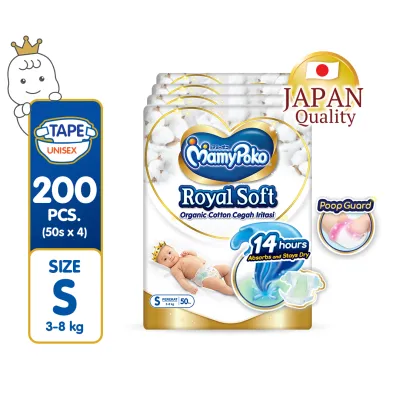
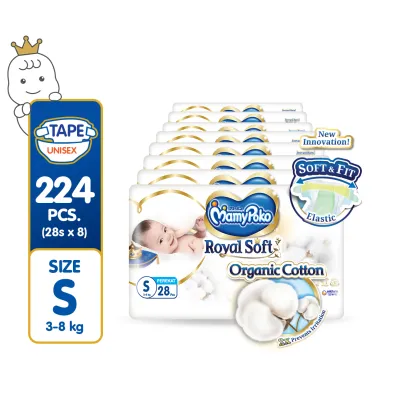


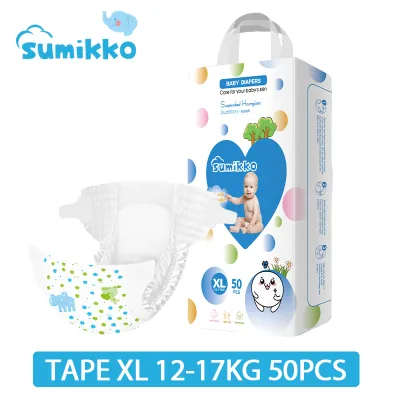
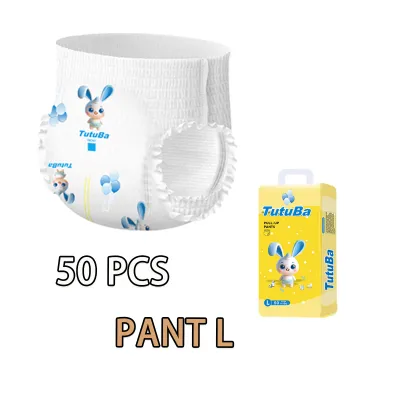
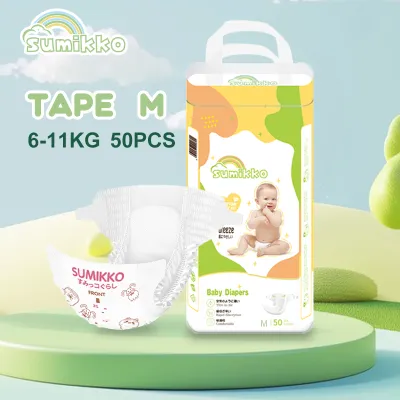
Prices are valid at publication and may change. Please refer to the product page for the latest price.
For newborns, skin sensitivity and gentle containment of loose stools are the most critical considerations. Their skin is exceptionally thin and prone to irritation, especially when trapped in warm, humid conditions. As babies grow and begin to roll, crawl, or walk, the focus shifts toward daytime mobility and secure leg seals that prevent leaks during active play. A diaper with excellent stationary absorbency might sag or gap when your child is constantly on the move.
It is also important to recognize that each brand offers multiple product tiers, ranging from basic everyday lines to premium, feature-rich variants. Comparing a premium line from one brand to a budget-friendly line from another will not yield an accurate comparison. Always check the specific product packaging to identify whether you are purchasing a standard daytime diaper or a variant designed for extended overnight wear.
Evaluating Absorbency and Leak Protection
Absorbency is the core function of any disposable diaper, but how a diaper manages moisture is particularly important in tropical climates. High humidity can prevent sweat from evaporating, making it vital that the diaper’s inner core quickly draws liquid away from the skin. When evaluating Pampers, Huggies, or Equator, look for packaging indicators that highlight advanced absorption technologies.

Key features to look for include wetness indicators, which change color to signal when a change is needed, and specialized distribution channels that spread liquid evenly across the core. Even distribution prevents the diaper from sagging in a single spot, which can cause the material to pull away from the baby’s body and create gaps. Additionally, double-layered leg cuffs and raised leak guards along the edges help contain sudden messes before they escape.
To assess how well a diaper performs for your baby, you can conduct a simple at-home observation over a few days. Monitor the diaper after three to four hours of typical daytime use, checking if the outer surface feels damp or if the inner lining remains dry to the touch. If you notice frequent leaks around the legs or waist, or if the diaper sags heavily even with minimal wetness, the core may not be matching your baby’s output. For heavy wetters or overnight sleep, look for variants specifically labeled for overnight use, which feature enhanced absorption capacities.
Checking Comfort, Fit, and Skin Sensitivity
A highly absorbent diaper can still cause discomfort or leaks if the fit is incorrect or if the materials irritate your baby’s skin. The diaper should wrap snugly around the waist and thighs without restricting movement or leaving deep impressions. When trying a new brand, observe how the waistband stretches and whether the fastening tapes or elastic pants adapt to your baby’s movements.
In the Philippines, where heat and humidity are constant, breathability is a major factor in preventing diaper rash. Check the product labels for mentions of breathable outer covers, hypoallergenic materials, and the absence of added fragrances or lotions. Fragrances can sometimes trigger allergic reactions or irritate sensitive skin, so fragrance-free options are often safer for babies prone to eczema or heat rash.
You can easily identify fit issues by looking for specific physical signs during diaper changes. Red marks or indentations around your baby’s thighs or waist indicate that the diaper is too tight or that the elastic is too stiff. Conversely, frequent blowouts at the back or gaps around the legs suggest that the diaper is either too large or not shaped correctly for your baby’s build. If you observe these signs, or if the diaper consistently sits below the belly button, it is usually time to transition to the next size up.
Calculating Price and Value Across Diaper Sizes
Managing the ongoing cost of disposable diapers requires looking past the initial price tag on the box. Because diaper packaging comes in various counts—ranging from small travel packs to massive bulk boxes—the only reliable way to compare value is by calculating the cost per individual diaper. To do this, divide the total price of the pack by the number of diapers inside to find the unit cost in ₱.
As your baby grows and moves into larger diaper sizes, the number of pieces per pack typically decreases while the price per pack remains similar. This means the cost per diaper rises significantly with each size transition. To keep costs manageable, look for legitimate bulk discounts through official brand stores or authorized distributors on online marketplaces. Purchasing from authorized sources ensures you receive genuine products that meet safety standards, avoiding the risks associated with counterfeit or poorly stored diapers.
While buying in bulk can offer substantial savings, avoid stockpiling large quantities of a single size, especially during the first year. Babies grow rapidly, and they can outgrow a size faster than you can use up a large supply. Furthermore, a brand that fits perfectly during the newborn stage might not suit your baby’s body shape once they start crawling, leaving you with unused diapers that no longer fit.
Decision Framework: Matching the Brand to Your Baby's Needs
To choose the right diaper brand for your household, match the specific features of Pampers, Huggies, and Equator to your baby’s current physical needs and your financial priorities. If your primary concern is preventing overnight leaks for a baby who sleeps through the night, focus on premium variants from Pampers or Huggies that feature high-capacity absorption cores. These lines are designed to lock away moisture for extended periods, keeping skin dry during long sleep stretches.
If your baby is highly active, crawling, or walking, look for diaper pants from Huggies or Pampers that offer high elasticity and a secure, 360-degree fit. These designs move with your child, reducing the risk of friction-induced chafing and gaps during active play. For daytime use, when changes are frequent and cost-efficiency is the main priority, Equator or the standard everyday lines of Pampers and Huggies can provide a practical, budget-friendly solution.
Verify first with a pediatrician if your baby has severe eczema, persistent diaper rash, or known skin allergies before testing new brands. A medical professional can help identify specific triggers and recommend whether you should stick strictly to fragrance-free, hypoallergenic product lines. Remember that finding the perfect diaper is often a process of trial and adjustment; switching brands or sizes as your baby’s body shape and activity levels change is a normal part of the parenting journey.
Frequently Asked Questions (FAQ)
Can I mix different diaper brands for daytime and nighttime use?
Yes, mixing diaper brands is a highly practical and cost-effective strategy used by many parents in the Philippines. You can use a more affordable, standard diaper for daytime hours when changes are frequent, typically every three to four hours. For overnight sleep, you can switch to a premium, highly absorbent diaper that can handle longer periods without leaking. This approach helps manage your monthly diaper budget while ensuring your baby stays dry and comfortable during sleep.
How do I know if I need to size up in Pampers, Huggies, or Equator?
You should consider sizing up when you observe physical signs of a poor fit, regardless of the weight guidelines printed on the packaging. Key indicators include red marks around your baby’s thighs or waist, frequent leaks or blowouts, and difficulty fastening the tape securely. If the diaper rise is too low and sits well below the belly button, or if the diaper feels damp to the touch shortly after a change, it is a clear sign that your baby needs a larger size to accommodate their growth and output.

Community discussion
Share your experience or ask a question. Comments are reviewed before publication.