
Choosing between Pampers, Huggies, and Equator requires looking past marketing slogans and focusing on your baby’s unique shape, skin tolerance, and your family’s budget. The ideal diaper must handle tropical humidity while preventing leaks and chafing. Many modern designs utilize a contoured bean diaper shape—an ergonomic, bean-like cut in the absorbent core that conforms naturally to a baby’s rounded thighs and lower belly. By evaluating how each brand’s specific cut, material, and price point align with your daily routine, you can find a reliable option that keeps your baby dry and comfortable.
Understanding the Contenders: Pampers, Huggies, and Equator
Each of these three brands approaches diaper design with a distinct philosophy, catering to different parental priorities and baby body types. Pampers is globally recognized for its focus on thinness and active-fit designs. It typically features highly stretchable side tapes and gel-based absorbency channels designed to distribute liquid evenly. This makes it a popular choice for parents who prefer a lightweight diaper that does not bulk up under lightweight clothing.
Huggies places a strong emphasis on structural security and containment. Many of its product lines feature a pocketed waistband at the back, which is specifically designed to catch runny stools and prevent blowouts. The brand often utilizes a more structured, substantial outer cover and thick fastening tabs, making it a common choice for babies who are highly active or prone to back leaks.
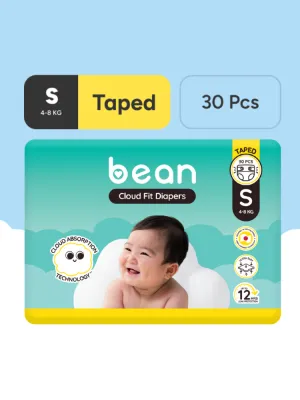
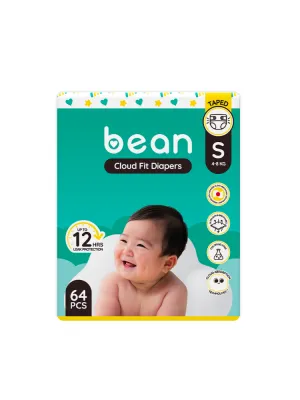
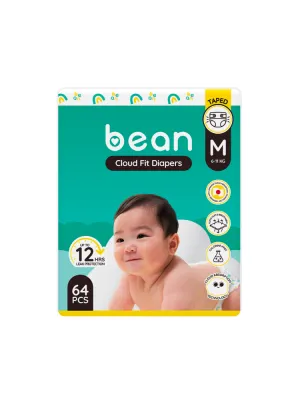
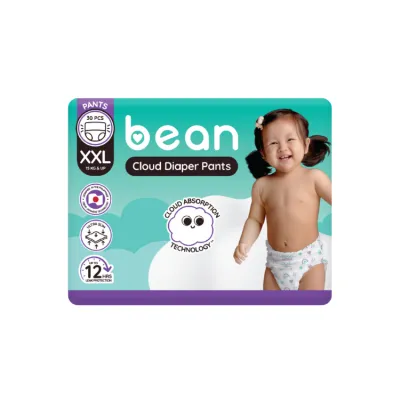
Products mentioned in this guide
![[Bundle of 2] bean Cloud Diapers Pants Large (9-14 kg) - 60 pcs](https://img.lazcdn.com/g/p/d5ee28d7dae8a8b43cbed3a2a82f26df.png_400x400q80.png_.webp)
![[Bundle of 3] bean Cloud Diapers Pants Large (9-14 kg) - 90 pcs](https://img.lazcdn.com/g/p/3c9b8b1d907f55a21f8b7257de1e78c1.png_400x400q80.png_.webp)
Prices are valid at publication and may change. Please refer to the product page for the latest price.
Equator serves as a prominent value-focused option in the local market. It prioritizes straightforward, high-capacity utility without the premium price tag of global brands. Often sold in high piece-count packs, Equator is favored by households looking for a practical, everyday diaper that supports frequent, routine changes. To verify which specific product lines are currently available, parents should check the packaging details on local online marketplaces or physical supermarket shelves, as designs and features can vary by batch.
Comparing Absorbency and Leak Protection
Absorbency is not just about how much liquid a diaper can hold, but how quickly it draws moisture away from the skin and distributes it. When evaluating these brands, inspect the inner lining for channel designs. Channels help distribute liquid evenly along the length of the diaper, preventing the heavy, sagging clump in the middle that can restrict your baby’s movement and cause the diaper to pull away from the body.

Look for a wetness indicator on the outer shell, which is a color-changing strip that runs from the front to the back. This is a highly practical tool for monitoring wetness without peeling the diaper open, especially during humid afternoons when sweat and ambient moisture can make it difficult to tell if a diaper change is needed.
Examine the physical barriers, specifically the waistband and the double-layered leg cuffs. The leg cuffs should have flexible, elasticized gathers that sit snugly in the groin crease. If the elastic is too stiff, it can leave red marks on your baby’s skin; if it is too loose, leaks will occur. Run your finger along the inside of the cuff after fastening to ensure the inner guard is standing upright to catch leaks.
Recognize the signs of insufficient absorbency. If your baby’s skin feels damp during a routine change, or if you notice frequent leaks even when the diaper is not fully saturated, it may be time to adjust your changing frequency, try a different size, or switch to a brand with a different core structure.
Evaluating Softness and Skin Sensitivity
In a warm, tropical climate, high heat and humidity make skin care a top priority for parents. Friction from a stiff diaper combined with trapped moisture is a primary cause of diaper rash. Before committing to bulk purchases, buy small trial packs to physically inspect the top sheet. Run your fingers over the inner lining to assess its softness. A quilted or textured top sheet can minimize direct skin contact with wetness, which helps protect delicate skin.
Read the packaging carefully to identify hypoallergenic, fragrance-free, or lotion-free options. While some parents prefer a light scent to mask odors, added fragrances can trigger allergic reactions or irritation on sensitive skin. If your baby has highly reactive skin, prioritizing fragrance-free options is a safer starting point.
Monitor your baby’s skin closely during transitions between brands. Look for redness along the waistband, chafing around the thighs, or localized bumps. If you observe persistent irritation, stop using that specific brand immediately. Keep the area clean and dry, and consult a pediatrician if the redness does not subside or if it shows signs of infection.
Analyzing Price per Piece and Sizing Value
To manage your household budget effectively, look past the initial shelf price of a diaper pack and calculate the price per piece. Use this simple formula: divide the total cost of the pack by the number of diapers inside to find the price per piece in pesos (₱). This allows you to compare a premium brand’s jumbo pack directly against a budget brand’s standard pack to see where the true value lies.
When testing a new brand or a different size, avoid the temptation of bulk discounts. A massive box of diapers is only a saving if they fit your baby correctly. Start with small trial packs to verify the fit, absorbency, and skin compatibility. Once you confirm that a specific diaper works well for your baby’s body shape, you can confidently transition to bulk boxes to lower your average cost per piece.
Pay close attention to the manufacturer’s weight-based sizing charts printed on the packaging. Sizing ranges often overlap between sizes. Do not rush to upsize just because your baby reaches the lower weight limit of the next size. A diaper that is too large will have gaps around the legs and waist, leading to leaks and reducing the overall value of your purchase. Keep your baby in the current size as long as it fits securely without leaving deep red marks.
Making the Choice: Which Brand Fits Your Baby?
Choose Pampers if your baby has a slender or long build and benefits from highly stretchable side panels that conform to active movements. This brand is highly suitable if you prefer a thin, lightweight diaper that does not bulk up under lightweight clothing, and you value widely available premium lines with advanced channel technology.
Choose Huggies if your baby has a rounder belly or chunkier thighs, where a snug, elasticized waistband and deep pocketed back are essential to prevent blowouts. This option is ideal if you prefer a more structured, substantial diaper feel and want reliable, heavy-duty containment for active crawlers or sleepers.
Choose Equator if you are looking for a highly economical, practical option for daytime use where frequent, routine changes are easy to manage. This brand is excellent for budget-conscious households that want to maximize their diaper count per peso without paying extra for premium brand marketing or specialized features.
Verify first with a pediatrician or qualified healthcare professional if your baby suffers from chronic diaper rash, severe eczema, or other persistent skin conditions. A medical professional can help determine if skin issues are caused by diaper materials, moisture retention, or external factors, and can recommend specialized care before you switch brands.
Frequently Asked Questions (FAQ)
How do I know if the diaper size is too small or too large?
A diaper is too small if it leaves deep, persistent red marks on your baby’s thighs or waist, if the waistband sits significantly below the belly button, or if you experience frequent blowouts. Conversely, a diaper is too large if there are visible gaps around the leg cuffs when the baby moves, if the waistband overlaps excessively when fastened, or if the diaper sags heavily even when completely dry.
Can I mix different diaper brands for daytime and nighttime use?
Yes, mixing diaper brands is a highly practical strategy for many parents. You might choose a budget-friendly, lighter diaper like Equator for daytime hours when you change your baby frequently, and switch to a highly absorbent, premium option like Pampers or Huggies for overnight sleep to prevent leaks. Always monitor your baby’s skin to ensure they do not react negatively to switching between different inner lining materials throughout the day.

Community discussion
Share your experience or ask a question. Comments are reviewed before publication.