
Quick Answer: Is There a Single Best Newborn Diaper?
When preparing for a new arrival, finding the right newborn baby diaper is one of the most frequent decisions caregivers face. There is no single diaper brand that is universally superior for every infant. The ideal choice depends heavily on your baby’s unique skin sensitivity, physical body shape, and your daily caregiving routine.
Pampers, Huggies, and Equator each approach newborn care with distinct design philosophies, material selections, and price structures. What works perfectly for one baby might cause leaks or skin irritation for another, making a one-size-fits-all recommendation impossible.
Instead of committing to bulk purchases before your baby is born, it is highly recommended to buy small packs of different brands first. This approach allows you to test the physical fit, observe real-world absorbency, and monitor your baby’s skin for any adverse reactions in real-time.
Products mentioned in this guide
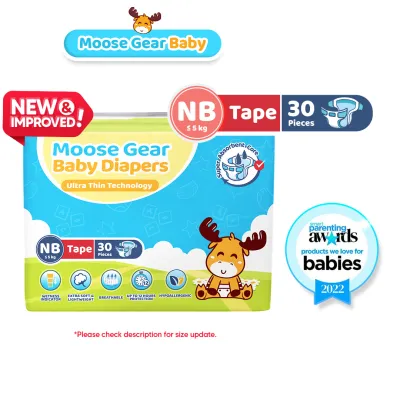
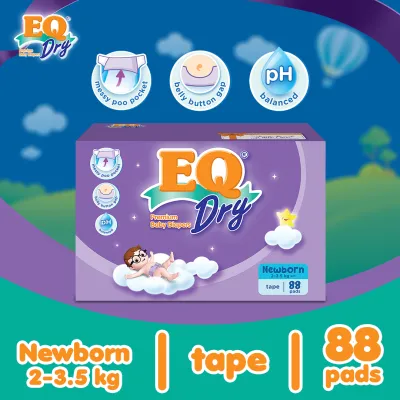
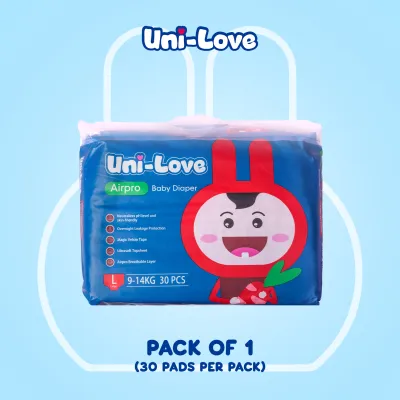
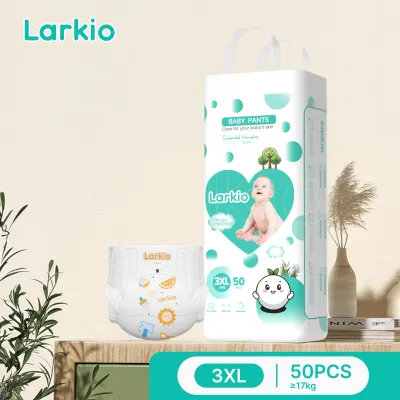
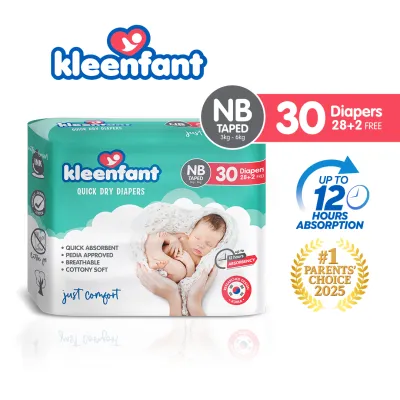
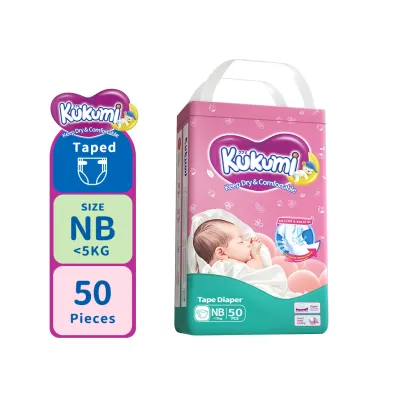
Prices are valid at publication and may change. Please refer to the product page for the latest price.
During the first few weeks of life, protecting the delicate newborn skin barrier and accommodating the healing umbilical cord are the absolute top priorities. Evaluating how each brand addresses these specific developmental needs will guide you to the safest and most comfortable option for your family.
Core Performance Factors to Evaluate on the Packaging
When shopping for a newborn baby diaper, the product packaging contains essential details that help you evaluate performance and safety claims before making a purchase. Understanding how to read these labels allows you to make an informed decision tailored to your baby’s needs.

Absorbency and wetness indicators are critical features to look for on the packaging. Look for descriptions of the core technology, such as superabsorbent polymers or specialized distribution channels designed to pull moisture away from the skin quickly. A color-changing wetness indicator line on the outer cover is a highly practical tool, allowing you to visually confirm when a diaper is wet without needing to open it and disturb your resting baby.
Leak protection is another vital factor, especially since newborns spend most of their time lying down. Examine the packaging illustrations for details on double leg cuffs, elastic waistbands, and pocketed barriers. These structural features help contain liquid stools and prevent side leaks or back blowouts during sleep or tummy time.
Skin compatibility is paramount because newborn skin is exceptionally thin and highly susceptible to irritation. Search the diaper labels for terms like fragrance-free, hypoallergenic, or dermatologically tested. Additionally, verify if the manufacturer lists any specific skin safety certifications, which you can independently research to ensure they meet your standards for chemical safety.
Brand-by-Brand Evaluation Guide for Newborns
Comparing diaper brands requires looking past marketing slogans and focusing on the specific structural features detailed on the packaging. Here is what to look for when evaluating Pampers, Huggies, and Equator in your local store or online.
Pampers: What to Look For
When examining Pampers newborn diapers, look closely at the front of the packaging for mentions of their signature wetness indicator line. This visual aid changes color when wet, helping you maintain a dry environment for your baby’s skin.
Check the product description for an umbilical cord cutout. This is a curved recess at the front waistband designed to keep the diaper from rubbing against the healing umbilical stump, reducing the risk of friction and irritation.
Review the ingredients list or material description on the back of the pack to see if the inner lining contains added lotions, such as aloe vera. If your baby has highly sensitive skin, you will want to verify whether these added substances are compatible or if a fragrance-free alternative is safer.
Always consult the weight chart on the packaging. Pampers sizing can vary between their different product lines, so matching your newborn’s current weight to the recommended range on the specific pack is essential for a secure fit.
Huggies: What to Look For
When evaluating Huggies newborn diapers, look for their pocketed waistband design, often highlighted on the packaging illustrations. This physical pocket at the back of the diaper is specifically engineered to catch and contain loose newborn stools, helping to prevent messy back blowouts.
Inspect the packaging for details regarding an umbilical cord cutout or a fold-down waistband option. Keeping this area dry and free from pressure is vital during the first two weeks of your baby’s life.
Look for explicit claims regarding hypoallergenic materials and the absence of added fragrances or elemental chlorine bleaching. These details are crucial for minimizing the risk of contact dermatitis on delicate newborn skin.
Verify the descriptions of the absorbent core and the elasticity of the leg cuffs. The cuffs should offer a snug yet gentle seal that adapts to your baby’s movements without leaving deep red marks.
Equator: What to Look For
When inspecting Equator newborn diapers, focus on the material composition and breathability claims printed on the label. In warm, humid tropical climates, a highly breathable outer cover is essential for allowing heat and moisture to escape, which helps prevent heat rash.
Check the packaging for the presence of a basic wetness indicator and stretchable side panels. While Equator may focus on straightforward utility, these features are highly beneficial for ensuring a proper fit and timely changes.
Examine the diaper count per package and calculate the unit price. Divide the total price of the pack in ₱ by the number of diapers inside to find the cost per piece.
Compare this cost per piece against Pampers and Huggies to evaluate the overall value proposition, especially since newborns require frequent diaper changes throughout the day and night.
How to Decide: Matching Diaper Features to Your Baby
Choosing the right diaper involves matching these specific product features to your baby’s physical build, skin sensitivity, and your family’s budget.
Consider Pampers if your priority is a diaper with a widely recognized soft texture, a reliable wetness indicator, and a premium feel. This option is highly suitable for caregivers who want a trusted, readily available diaper that focuses on keeping moisture away from the skin.
Opt for Huggies if your newborn is highly active or prone to frequent back blowouts. The structured pocketed waistband provides a physical barrier that is particularly effective at containing liquid stools during sleep or tummy time.
Select Equator if you are looking for a highly budget-friendly option that allows you to perform frequent diaper changes without worrying about high costs. This is an excellent choice for daytime use when you can change the diaper immediately upon wetness, or for families prioritizing basic, functional absorbency.
Regardless of the brand you choose, monitor your baby’s skin closely. If you notice persistent redness, bumps, or signs of contact dermatitis, stop using the current diaper brand immediately. Switch to a fragrance-free, sensitive-specific line, and consult a pediatrician or qualified healthcare professional for guidance.
Sizing, Fit Checks, and Smart Purchasing
Managing your diaper inventory and ensuring a safe, comfortable fit requires ongoing attention as your newborn grows rapidly.
Newborns outgrow the smallest diaper sizes much faster than many caregivers anticipate. Avoid buying bulk boxes of size NB (Newborn) before your baby arrives, as they may transition to Size 1 within a few weeks, leaving you with unused stock.
To perform a reliable fit check, use the two-finger rule: you should be able to slide two fingers comfortably between the diaper waistband and your baby’s tummy. Additionally, run your finger around the leg cuffs to ensure they are flared outward and not tucked inward, which can cause leaks.
Check your baby’s thighs and waist when changing the diaper; if you notice deep, persistent red marks, it is a clear sign that the diaper is too tight and it is time to transition to the next size up.
When purchasing diapers, always buy from official brand stores, authorized supermarkets, or reputable online marketplaces. Counterfeit or improperly stored diapers can pose hygiene and chemical safety risks, so verifying the seller’s authenticity is a critical step in protecting your baby’s health.
Frequently Asked Questions (FAQ)
How often should I change a newborn's diaper?
As a general rule, you should change your newborn’s diaper after every bowel movement and check for wetness every 2 to 3 hours. Leaving a wet or soiled diaper on for extended periods increases the risk of diaper rash and skin breakdown.
While the color-changing wetness indicator on the diaper is a highly convenient tool, do not rely on it exclusively. Always perform a physical check by gently feeling the diaper for bulkiness or checking the skin directly to ensure your baby remains dry and comfortable.
Can I use regular size 1 diapers for a newborn?
Newborn-specific (NB) diapers are uniquely designed with a curved cutout at the front waistband to protect the healing umbilical cord stump from friction. Regular size 1 diapers usually lack this feature, which can lead to irritation if the waistband rubs against the cord.
Always check the weight range printed on the diaper packaging before making a decision. If your newborn is larger and fits the weight criteria for size 1, you can use them, but you must carefully fold down the front waistband to keep the umbilical stump completely exposed and dry until it falls off naturally.
Community discussion
Share your experience or ask a question. Comments are reviewed before publication.