
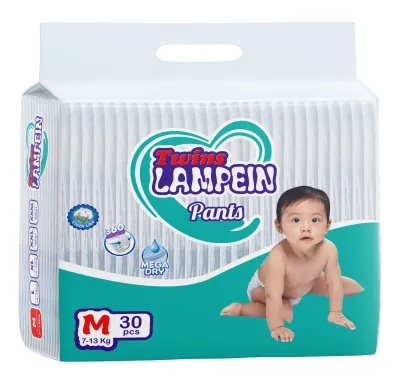
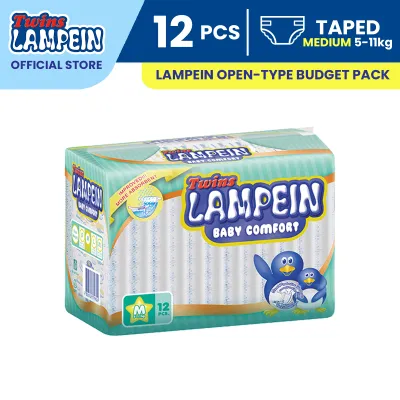
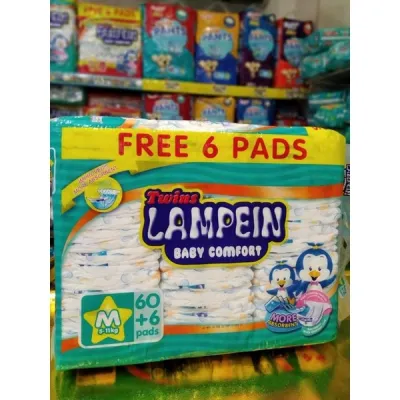
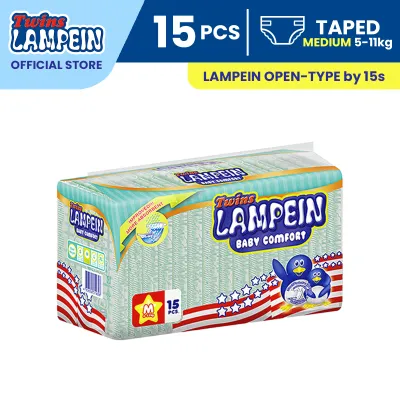
Choosing the right medium diaper for your growing baby involves balancing comfort, leak protection, and your household budget. As babies transition into the medium size, they typically become much more active—rolling, crawling, and exploring their surroundings. This physical milestone means their diaper needs to offer both a secure fit and reliable absorbency to keep up with their movements. In the Philippines, where high humidity and warm temperatures are daily realities, finding a diaper that keeps skin dry and rash-free is even more critical. When searching for the ideal lampien diaper medium options, parents frequently compare household names like Pampers, Huggies, and Equator. Each of these brands approaches diaper design with different materials, cuts, and price points, making a direct comparison essential for finding the perfect match for your little one.
To make the best choice, you must look beyond the brand name and evaluate how each diaper performs in real-world conditions. A diaper that works wonderfully for one baby might cause leaks or red marks on another due to differences in body shape and skin sensitivity. By understanding how sizing, materials, and costs compare, you can establish a diapering routine that keeps your baby comfortable and dry without overstretching your budget.
Understanding Medium Diaper Sizing and Fit
Determining whether a “Medium” diaper is the correct size for your baby requires looking closely at both the manufacturer’s weight guidelines and your baby’s physical build. While most brands design their medium diapers for babies within a specific weight range, these thresholds are not standardized across the industry. A medium diaper from Pampers may have a slightly different weight limit or cut compared to one from Huggies or Equator. Always check the weight chart printed on the specific packaging before purchasing, as relying solely on the “Medium” label can lead to sizing mistakes.
Products mentioned in this guide
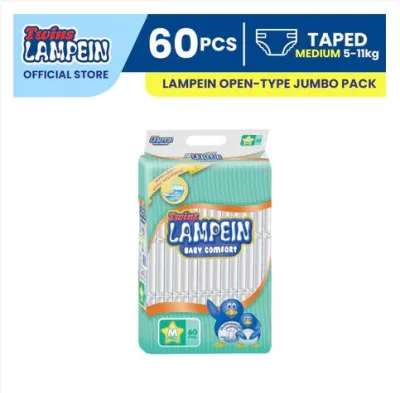
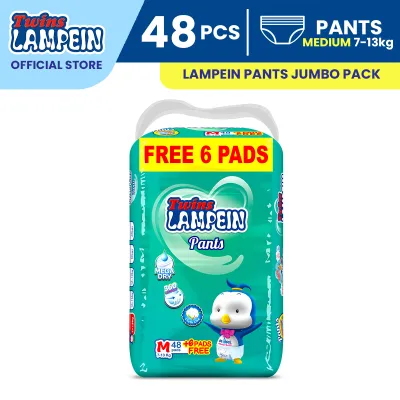
Prices are valid at publication and may change. Please refer to the product page for the latest price.
Physical fit indicators are far more reliable than weight charts alone when assessing diaper comfort. When fastening the diaper, observe the waistband and the leg cuffs closely. The waistband should be snug but flexible; you should be able to slide two fingers comfortably between the diaper and your baby’s tummy. If the waistband leaves deep red marks or feels rigid, the diaper is likely too tight. Similarly, the leg cuffs should wrap securely around the thighs without gaping, as gaps are the primary cause of messy leaks during active play or sleep.
Your baby’s unique body shape plays a significant role in how a diaper fits. Babies with chunkier thighs or longer torsos often outgrow a diaper size much faster than babies with a leaner build, even if their weight falls squarely within the recommended range. For instance, if your baby has rounder thighs, a brand with highly stretchable leg elastics may be necessary to prevent pinching. If you notice frequent blowouts at the back or leaks around the legs, it is often a sign that you need to size up or switch to a brand with a wider, more accommodating cut.
In tropical climates, a proper fit is also essential for maintaining skin health. A diaper that is too tight traps heat and moisture against the skin, creating an environment ripe for heat rashes and friction irritation. Ensuring there is adequate breathing room around the waist and legs helps minimize sweat buildup. If you observe persistent redness around the elastic zones, consider trying a different brand’s medium cut or transitioning to the next size up to give your baby’s skin more breathing room.
Comparing Core Features: Absorbency, Materials, and Skin Care
Evaluating the structural and material differences between Pampers, Huggies, and Equator requires a close look at packaging claims and hands-on observation. One of the most convenient features to look for is the wetness indicator line. This color-changing strip runs along the outside of the diaper, shifting color as the inner core absorbs moisture. This allows you to monitor saturation at a glance without having to unfasten the diaper, which is particularly helpful during outings or busy daytime hours.

Packaging claims regarding skin care and materials also deserve careful comparison. Many brands highlight features such as hypoallergenic materials, lotion-infused inner liners, or highly breathable backsheets designed to draw moisture away from the skin. While these claims indicate the manufacturer’s focus on skin health, you should verify how your baby’s skin reacts to these materials. Some babies thrive with lotion-infused liners, while others with highly sensitive skin may experience mild irritation and prefer simpler, fragrance-free alternatives.
To assess the absorbency and flexibility of a diaper, take a moment to feel the product’s core. Some diapers utilize a very thin, compressed absorbent core designed to minimize bulkiness and allow maximum freedom of movement. A thinner core is often highly flexible, making it less noticeable under light summer clothing. However, a thinner design may have a different absorption capacity compared to a slightly thicker, more traditional pulp-and-gel core. Thicker cores can sometimes hold larger volumes of liquid but may sag or feel heavy when fully saturated.
There is a natural trade-off between diaper bulkiness and overall absorbency capacity. A ultra-thin diaper is excellent for active daytime wear when you can change your baby frequently, as it keeps them light and agile. On the other hand, a slightly thicker diaper with a high-capacity absorbent core may be more suitable for longer periods, such as naptime or overnight sleep. Understanding these material differences allows you to choose a diaper that aligns with your baby’s daily activity levels and sleep patterns.
Price and Value: Evaluating Cost Per Diaper
To manage your household expenses effectively, it is crucial to calculate the true cost of diapers rather than relying on the upfront price of a single pack. Because pack sizes vary significantly between Pampers, Huggies, and Equator, comparing the total box price can be misleading. To find the real value, divide the total price of the pack by the number of diapers inside to determine the cost per piece (₱). This simple calculation reveals which brand offers the most economical option for daily use.
When evaluating value, you must also factor in the frequency of diaper changes. A budget-friendly diaper that has a lower cost per piece might seem like the most economical choice at first. However, if that diaper has lower absorbency or a less secure fit, it may require more frequent changes or lead to leaks that soil clothing and bedding. In contrast, a slightly more expensive diaper that keeps your baby dry for longer periods can reduce the total number of diapers you use each day, potentially saving you money in the long run.
To secure the best deals on medium diapers, regularly check official brand stores on major e-commerce platforms and at local supermarkets. Online marketplaces frequently offer bulk discounts, subscription savings, and bundle deals during monthly promotional events. Buying in bulk is an excellent way to lower the cost per piece, but you should only commit to large quantities once you are absolutely certain that the brand and size fit your baby perfectly without causing skin irritation.
Because babies remain in the medium diaper size for several months during their peak growth phase, small price differences add up quickly. Saving even ₱1 to ₱2 per diaper can result in significant savings over the course of a month. By balancing the cost per piece with the diaper’s real-world performance, you can find a cost-effective option that does not compromise your baby’s comfort or skin health.
Decision Framework: Which Brand Fits Your Baby Best?
Choosing the right brand of medium diaper depends on your family’s specific priorities, budget, and your baby’s unique physical shape. If your primary goal is a slim, contoured fit that allows for maximum mobility, Pampers is a strong candidate. Its design focuses on a thin, flexible core that fits neatly under clothing, making it a popular choice for active babies who are constantly on the move. This brand is ideal if your baby’s skin tolerates their specific liner materials and you prefer a lightweight feel.
If your baby has a rounder build or chunkier thighs, Huggies may offer a more comfortable fit. Known for its highly stretchable waistbands and secure leg elastics, this design is engineered to hug a baby’s curves snugly without pinching. The pocketed waistband design is also highly regarded for containing active movements and preventing back blowouts, making it an excellent option for parents who prioritize a secure, leak-resistant seal on a robust baby.
For families seeking a highly budget-friendly option, Equator serves as a practical choice. It is particularly well-suited for frequent daytime changes when you want to refresh the diaper often to maintain hygiene. Using a more economical brand during the day allows you to keep your baby clean and dry without worrying about the high cost of frequent changes, provided the diaper’s shape and fit align well with your baby’s body.
Before committing to a large bulk purchase of any brand, always buy the smallest available travel pack or trial pack. This allows you to conduct a real-world test on your baby for a few days. Observe how the diaper handles wetness, check for any signs of skin redness or diaper rash, and ensure there are no leaks during active play. Testing a small pack first protects your budget and ensures you find the perfect match before investing in bulk boxes.
Frequently Asked Questions (FAQ)
When should I switch from Medium to Large diapers?
You should consider transitioning from a medium to a large diaper when you begin to notice consistent physical signs of poor fit, regardless of your baby’s actual weight. Frequent leaks around the leg cuffs or waistband during normal movement or sleep are strong indicators that the diaper’s absorbent core can no longer handle the volume of wetness. Additionally, if you find deep red elastic marks on your baby’s thighs or tummy immediately after removing the diaper, the fit has become too tight.
Another clear sign is difficulty fastening the diaper tabs. If the tabs must be secured at the very outer edges of the waistband rather than meeting comfortably near the center, the diaper is too small. A diaper that looks disproportionately short on your baby’s body or sits well below the belly button also indicates that it is time to upgrade to a larger size to ensure proper coverage and protection.
Can I mix different diaper brands for day and night use?
Mixing different diaper brands for daytime and nighttime use is a highly practical and cost-effective strategy used by many parents. During the day, when your baby is awake and active, you can utilize a more affordable, highly breathable option like Equator. Because daytime changes occur frequently—typically every few hours—using a budget-friendly diaper helps manage daily expenses while keeping your baby fresh and clean.
For overnight use or long outings, you can transition to a premium, high-absorbency option like Pampers or Huggies. These diapers are designed to lock away moisture for extended periods, helping your baby stay dry and sleep comfortably through the night without interruptions. When implementing this strategy, monitor your baby’s skin closely to ensure that switching between different materials and liners does not cause friction or sensitivity.

Community discussion
Share your experience or ask a question. Comments are reviewed before publication.