
Selecting the right baby gear is a continuous process of trial and error, especially when your little one reaches the milestone of wearing larger sizes. When looking for the ideal fit, many local parents find themselves weighing household names like Pampers and Huggies against budget-friendly alternatives like Equator or a popular local favorite like the moose gear diaper large. Each brand offers a distinct approach to absorbency, material softness, and structural design, which can dramatically affect your daily routine and your baby’s comfort.
To make an informed choice, caregivers must look beyond brand reputation and analyze how these diapers perform under real-world conditions. In a tropical climate, factors like humidity, heat, and active movement play a massive role in diaper performance. This comparison breaks down the key differences to help you determine which diaper aligns best with your baby’s physical development and your household budget.
Quick Answer: Which Large Diaper Should You Choose?
Your final choice should depend on your baby’s specific physical needs, skin sensitivity, and your daily changing routine. No single diaper is perfect for every situation, but matching a brand’s strengths to your primary concerns will yield the best results.
Products mentioned in this guide
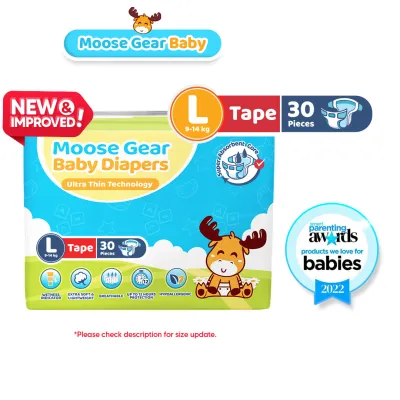
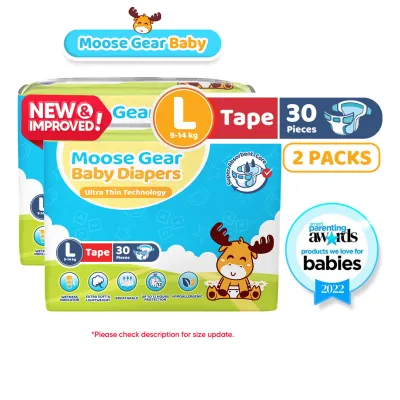
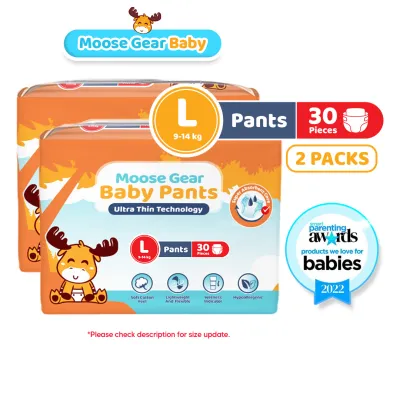
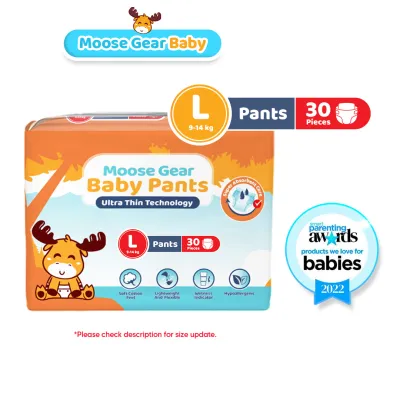
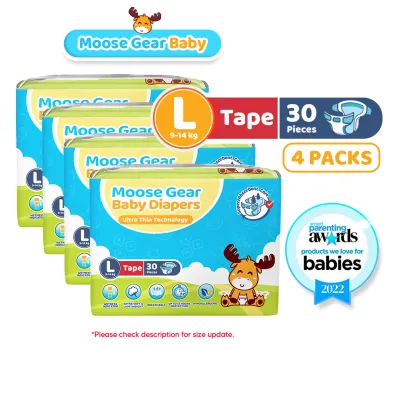
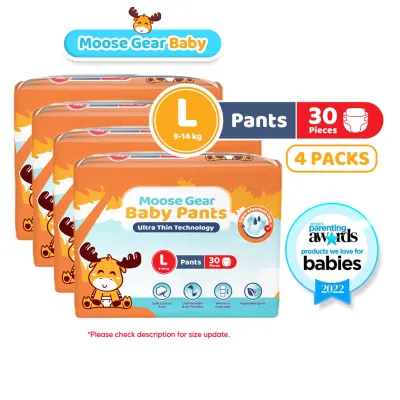
Prices are valid at publication and may change. Please refer to the product page for the latest price.
Consider this quick decision framework to guide your next purchase:
- Choose Pampers Large if your primary goals are rapid wetness distribution, a lightweight and flexible feel, and a reliable wetness indicator that simplifies quick daytime checks.
- Choose Huggies Large if you require heavy-duty overnight absorbency, a secure pocketed waistband to contain messy diaper blowouts, and a snug fit designed for highly active, mobile babies.
- Choose Equator Large if you are looking for an economical, straightforward daytime diaper that supports frequent, routine changes without straining your family budget.
Transitioning your baby to a large diaper is a major milestone that usually coincides with increased physical activity, such as crawling, pulling up, or walking. As your baby becomes more mobile, their fluid intake and output increase, requiring diaper gear that can adapt to rapid movements. The ideal diaper must balance secure leakage protection with high breathability to keep your baby comfortable in hot, humid weather.
Absorbency and Leak Protection for Active Babies
Absorbency is the core function of any disposable diaper, but how a diaper manages fluid distribution is just as important as how much liquid it can hold. Active babies put constant pressure on the diaper core when they sit, crawl, and roll, which can cause liquid to squeeze back out if the core technology is insufficient.

Pampers Absorbency Technology
Pampers utilizes advanced distribution channels designed to pull liquid away from the surface quickly and spread it evenly across the entire core. This design prevents the diaper from sagging or clumping in one spot, which can restrict your baby’s natural movements. The top sheet features a rapid-absorption layer that keeps wetness away from the skin, while the exterior wetness indicator changes color to let caregivers know when it is time for a change.
Huggies Absorbency Performance
Huggies is widely recognized for its heavy-duty absorbency, making it a popular choice for overnight wear. The brand features deep absorbency channels coupled with a specialized pocketed waistband at the back. This pocket acts as a physical barrier, trapping loose stools and heavy liquid before they can escape up the baby’s back. The highly absorbent core locks moisture deep within its polymer layers, maintaining a dry surface even after hours of continuous use.
Equator Absorbency Profile
Equator offers a more traditional, straightforward absorbent core that provides reliable protection for standard daytime intervals. While it may lack the advanced multi-channel distribution layers found in premium brands, it features a thick, absorbent pad that handles moderate wetting efficiently. This makes Equator an excellent, cost-effective option for daytime wear when parents are already changing diapers frequently, though it may require more frequent monitoring if used for extended overnight sleep.
Practical Saturation Checks for Caregivers
To prevent leaks and skin irritation in a humid environment, caregivers should physically inspect the diaper every few hours rather than relying solely on visual cues. Gently press the outside of the diaper core; a squishy, gel-like texture indicates that the superabsorbent polymers are saturated and nearing capacity. In tropical climates, changing your baby immediately after bowel movements and maintaining a regular daytime changing schedule of every three to four hours is essential to prevent moisture buildup.
Fit, Elasticity, and Blowout Prevention: Sizing Up the Moose Gear Diaper Large and Competitors
A diaper can only prevent leaks if it fits your baby’s unique body shape correctly. As babies grow, their proportions change; some develop chunky thighs and round tummies, while others grow taller and maintain a leaner build. Finding a diaper with the right elastic tension is key to preventing painful red marks and messy blowouts.
Waistband and Leg Cuff Design
The waistband and leg gathers are the primary defense lines against leaks. Huggies features a highly elastic, wide waistband with excellent stretch and recovery, which hugs the lower back securely without gaping. Pampers utilizes soft, flexible side tapes that stretch comfortably around the abdomen, accommodating natural tummy expansion after feeding. Equator uses functional, standard elastic side tabs that provide a secure hold but offer slightly less stretch recovery than premium options.
Leg cuffs require a delicate balance of tension. If the elastic is too loose, liquid will escape; if it is too tight, it will restrict circulation and leave painful marks. Babies with chunky thighs often benefit from the wider, softer leg gathers found in Pampers, which distribute pressure evenly. Leaner, longer babies may get a more secure seal from the snugger, tighter elastic cuffs of Huggies or a local alternative like the moose gear diaper large, which prevents gaping holes when the baby bends their knees.
Sizing Consistency and Fit Verification
Sizing labels are not standardized across different diaper brands. A “Large” diaper from one manufacturer might fit a baby weighing 9 to 14 kilograms perfectly, while another brand’s large might run smaller or feature a narrower cut. For example, when comparing mainstream options with local favorites like the moose gear diaper large, parents often notice variations in the physical rise of the waistband and the overall width of the crotch area.
To ensure your baby is wearing the correct size, use this practical fit checklist:
- The Two-Finger Test: Slide two fingers easily between the diaper waistband and your baby's tummy to ensure it is not too tight.
- Leg Cuff Flare: Run your finger around the elastic leg bands after fastening to ensure the outer ruffles are flared outward rather than tucked inside.
- Symmetrical Fastening: Check that the adhesive tapes secure symmetrically on the front landing zone to prevent an uneven, lopsided fit.
- Skin Inspection: Look for deep red indentations around your baby's waist or thighs during bath time, which indicate that the diaper is too small or the elastic tension is too high.
Material, Breathability, and Skin Sensitivity
In the tropical climate of the Philippines, high humidity and heat create a challenging environment for baby skin. Trapped sweat and urine can quickly lead to heat rash, chafing, and diaper dermatitis. The materials used in a diaper must allow air to circulate freely while keeping the inner lining soft against delicate skin.
Top-Sheet Softness and Texture
The inner lining of the diaper is in direct contact with your baby’s skin for hours at a time. Pampers is known for its exceptionally soft, cotton-like top sheet that minimizes friction during movement. Huggies incorporates a textured liner designed to reduce the surface area touching the skin, which helps keep the baby dry. Equator features a simpler, smooth top sheet that is functional and soft, though it may feel slightly more synthetic under extremely humid conditions.
Breathability in Humid Climates
True breathability relies on outer covers with microscopic pores that allow hot, damp air to escape while keeping liquid water safely locked inside. Premium diapers often feature advanced breathable back-sheets that facilitate continuous airflow. Without this ventilation, the temperature inside the diaper rises quickly, creating a breeding ground for bacteria and yeast. Selecting a diaper with high breathability is crucial for preventing sweat rash around the waistband and legs during hot afternoon hours.
Fragrances, Lotions, and Skin Irritants
Many diaper manufacturers add mild fragrances or lotion coatings to their top sheets to help mask odors and soothe the skin. Pampers often includes a subtle baby scent and a protective lotion layer. While many parents appreciate this feature, infants with highly sensitive skin or eczema may react to these added ingredients. Huggies and Equator offer hypoallergenic, fragrance-free options that minimize exposure to potential chemical irritants.
Pediatric Consultation and Skin Safety
If your baby develops a persistent diaper rash, blistering, skin peeling, or signs of an allergic reaction, stop using your current diaper brand immediately. Clean the area gently with lukewarm water and a soft cloth, pat the skin completely dry, and allow for some diaper-free air time. Consult a pediatrician or qualified healthcare professional before applying medicated steroid creams or heavy over-the-counter ointments, as incorrect treatment can worsen skin irritation.
Value, Availability, and Everyday Convenience
Managing baby care expenses requires finding a balance between high-quality performance and long-term affordability. Because diapers are a daily necessity for several years, understanding how to source them efficiently can save your family significant money and effort.
Sourcing and Local Availability
Pampers and Huggies enjoy widespread distribution across the Philippines. You can easily find them in local supermarkets, neighborhood convenience stores, major pharmacies, and official brand flagship stores on leading online marketplaces. Equator is also highly accessible, commonly positioned as an affordable option in major supermarket chains and online stores, making it easy to restock at short notice.
Calculating True Cost-per-Diaper
Evaluating diaper value based solely on the upfront price of a package can be misleading. Instead, calculate the unit cost by dividing the total price of the pack by the number of diapers inside. This simple calculation helps you see the true cost of each change:
$$\text{Unit Cost} = \frac{\text{Total Pack Price (₱)}}{\text{Number of Diapers in Pack}}$$
Premium diapers with advanced features often carry a higher unit cost, but they may save you money if they prevent leaks and reduce the total number of diaper changes required per day. For example, using a highly absorbent, premium diaper that costs ₱12 per piece for overnight use, combined with a budget-friendly daytime diaper that costs ₱7 per piece, can optimize both your budget and your baby’s comfort.
Smart Bulk-Buying Strategies
Buying diapers in bulk or purchasing “mega packs” during online sales is a proven way to reduce your overall expenses. However, because babies grow rapidly, over-purchasing a single size can lead to wasted inventory. Avoid stocking up on more than a two-month supply of size Large diapers at one time. If your baby experiences a sudden growth spurt, they may quickly outgrow the weight limit of their current size, leaving you with unused packs that cannot be returned.
Final Decision Framework: Matching the Diaper to Your Baby
Choosing the best large diaper requires assessing your baby’s physical build, skin sensitivity, and daily routine. By identifying your primary caregiving priorities, you can select a brand that delivers the right balance of protection and value.
| Baby Profile / Priority | Recommended Brand | Key Operational Reason |
|---|---|---|
| Heavy Overnight Wetter | Huggies Large | Deep core channels and a pocketed waistband prevent back leaks during sleep. |
| Sensitive Skin / Fragrance-Free | Huggies / Equator | Hypoallergenic, fragrance-free options minimize potential chemical irritation. |
| Active Daytime Crawler | Pampers Large | Lightweight, highly flexible side-tapes, and even wetness distribution. |
| Budget-Conscious / Frequent Changes | Equator Large | Lower cost-per-diaper makes it highly economical for routine daytime changes. |
Before purchasing a large bulk box of any diaper brand, always buy a small trial pack or ask fellow parents for samples. This allows you to test the physical fit, observe how your baby’s skin reacts to the materials, and ensure the elastic leg cuffs do not leave red marks. Remember that your baby’s needs will evolve, and using a combination of different diaper brands for daytime and nighttime use is a highly practical and effective strategy.
Frequently Asked Questions (FAQ)
How do I know when it is time to move up to a large diaper?
You should transition your baby to a large diaper when their current medium diaper begins leaking frequently, or when the fastening tabs can barely reach the designated tape area on the front panel. Other clear physical indicators include the waistband riding significantly below your baby’s belly button, or the appearance of deep, red elastic marks around their thighs and waist after a few hours of wear.
Can I mix different diaper brands for daytime and nighttime use?
Yes, mixing diaper brands is a highly effective, budget-friendly strategy used by many parents. You can use a highly absorbent, premium diaper for overnight sleep to ensure your baby stays dry and comfortable for up to 12 hours. During the day, when diaper changes are much more frequent, you can switch to a more economical, highly breathable diaper to save money while keeping your baby’s skin clean and dry.
Are cloth diapers a better alternative for the Philippine climate?
Modern cloth diapers offer excellent breathability because they are made from natural fabrics like cotton, bamboo, or hemp, which can be highly beneficial in hot, humid weather. However, they require a significant commitment to laundry, water usage, and consistent sun-drying to maintain proper hygiene. They also tend to have a slower immediate absorption speed compared to the advanced chemical cores of disposable diapers, meaning they must be changed immediately upon wetting to prevent skin irritation.
Community discussion
Share your experience or ask a question. Comments are reviewed before publication.