
Quick Answer: Which Brand Should You Try First?
Finding the right diaper for a newborn baby in the Philippines is a highly individual process. Because newborn babies come in all shapes and sizes, and tropical humidity can affect how their skin reacts to different materials, there is no single “best” brand for everyone. Instead, the ideal choice depends on your baby’s unique body shape, skin sensitivity, and your family’s daily changing routine.
As a general starting point, you might try Pampers if you want a slimmer, highly flexible fit that moves easily with your baby. Huggies is an excellent option to test if you are concerned about back blowouts, as many of their newborn designs feature a structured, pocketed waistband. If you prioritize budget-friendly daytime changes where you swap diapers frequently to combat tropical heat and moisture, Equator offers a highly economical alternative.
Before committing to large boxes, always purchase the smallest packs available. This allows you to test how the diaper fits your baby’s thighs and waist, and lets you monitor their skin for any signs of irritation or redness.
Products mentioned in this guide
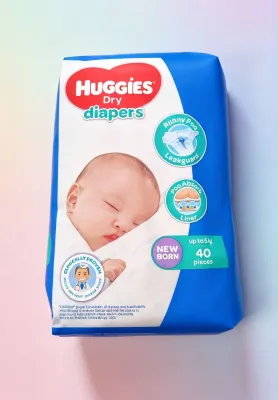
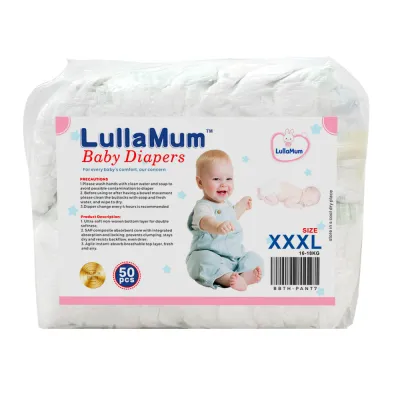
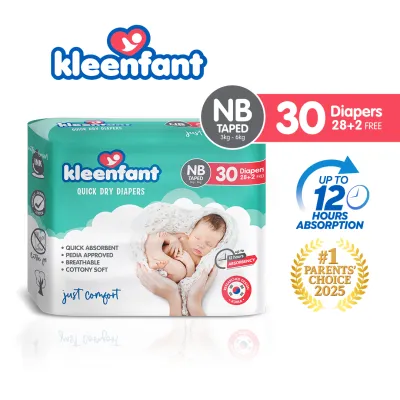
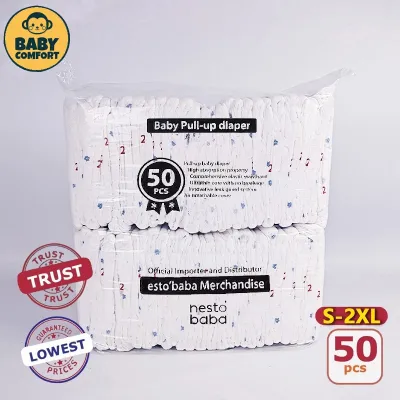
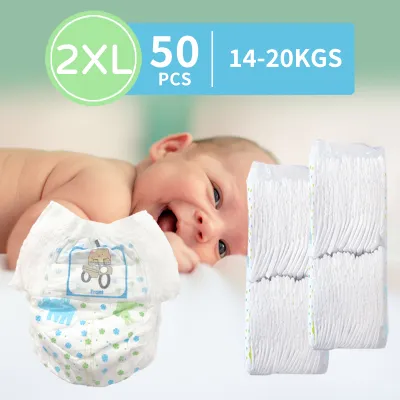
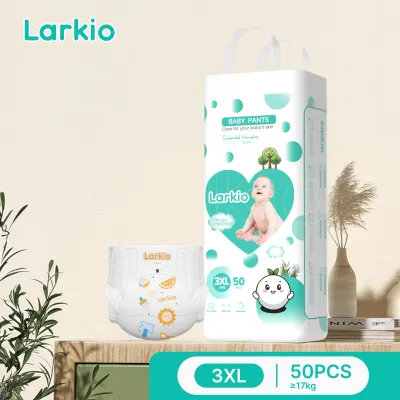
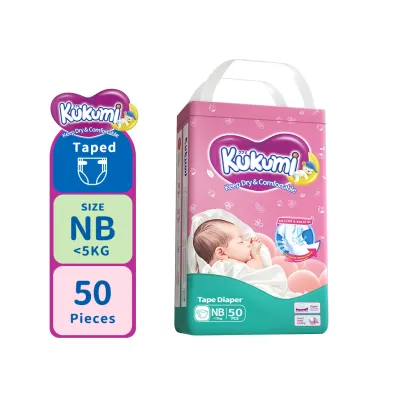
Prices are valid at publication and may change. Please refer to the product page for the latest price.
What to Look for in a Newborn Diaper
Selecting a diaper for a newborn baby requires looking past marketing claims and focusing on specific, observable design features. Because a newborn’s skin is incredibly thin and delicate, the right diaper must balance moisture management with physical comfort.

Fit and Sizing Features
A proper fit is your primary defense against leaks and blowouts. When evaluating a diaper, look closely at the leg cuffs and waistband. The leg cuffs should have soft, elasticized double barriers that hug your baby’s thighs without leaving deep red marks. The waistband needs enough stretch to accommodate a full belly after feeding while remaining snug enough to prevent gaps at the back. For newborns, check the packaging for an umbilical cord cutout. This curved indentation at the front of the diaper prevents the material from rubbing against the healing umbilical stump, reducing irritation and keeping the area dry.
Softness and Material Quality
High humidity in tropical climates means trapped moisture can quickly lead to skin irritation. Examine the inner lining of the diaper. It should feel soft to the touch, resembling cotton rather than plastic. Look for fragrance-free labels on the packaging, as added perfumes can sometimes trigger allergic reactions on sensitive newborn skin.
Absorbency and Leak Protection
A reliable newborn diaper must draw wetness away from the skin rapidly. Look for diapers that feature a wetness indicator—a colored line on the outside of the diaper that changes color when wet. This helps you know exactly when to change your baby without having to unfasten the tabs. Additionally, observe the thickness and distribution of the absorbent core; a well-designed core distributes liquid evenly rather than letting it pool in one spot.
Skin Sensitivity and Breathability
Because newborn babies sweat and urinate frequently, breathability is crucial. Check the outer cover of the diaper to ensure it is made of breathable materials that allow air to circulate. Always monitor your baby’s skin during the first few days of using any new brand. If you notice persistent redness, bumps, or chafing, it may be a sign that the material or fit is not compatible with your baby’s skin.
Pampers for Newborns: Features and What to Verify
Pampers is a widely recognized name in the Philippines, offering several variants suitable for newborns. When shopping locally, you will typically find options like Pampers Baby-Dry or Pampers Premium Care in newborn sizes.
Observable Design and Fit
Pampers newborn diapers are generally known for their slim, lightweight profile. This design is highly flexible, contouring closely to the baby’s body without adding unnecessary bulk under their clothes. If your baby has a slimmer build or thinner thighs, this snug, contoured fit can help prevent gaps around the legs where leaks often occur.
Packaging Claims to Check
When purchasing, check the packaging to verify if the specific newborn size includes an umbilical cord cutout, as this feature can vary depending on the product line and manufacturing batch. Look for claims regarding breathability and wetness indicators. The brand often highlights its unique absorbent channels designed to distribute wetness evenly.
Value and Pricing Verification
To assess the value, do not rely solely on the total pack price. Instead, divide the total cost of the package by the number of diapers inside to find the price per piece in ₱. Compare this unit price across different pack sizes, as larger packages or online promotional bundles on local e-commerce platforms may offer a lower cost per diaper.
Huggies for Newborns: Features and What to Verify
Huggies is another popular choice among parents in the Philippines, offering variants such as Huggies Dry and Huggies Natural Soft for newborn babies.
Observable Design and Fit
Huggies newborn diapers often feature a slightly wider and more structured design compared to slimmer alternatives. One of the most notable physical features to look for is the pocketed waistband at the back. This elasticized pocket is specifically designed to trap runny newborn stools, helping to prevent messy back blowouts. The padding also tends to feel slightly thicker and more cushioned.
Packaging Claims to Check
Examine the packaging for specific skin-soothing claims, such as the inclusion of natural cotton fibers or pH-balanced liners. Verify if the newborn size features a wetness indicator and check the stretchiness of the grip tabs. The secure fastening system is designed to allow for multiple adjustments to achieve a snug fit around your baby’s waist.
Value and Pricing Verification
Huggies is available in various pack sizes, from small travel packs to large box sets. Calculate the price per piece in ₱ at your local supermarket or online marketplace. Keep in mind that while a thicker, highly structured diaper may have a slightly higher unit price, its blowout-prevention features might save you from frequent clothing changes and extra laundry.
Equator for Newborns: Features and What to Verify
Equator is positioned as a highly practical, budget-friendly diaper option in the Philippine market. It is often favored by parents who prioritize frequent diaper changes to keep their baby fresh in warm weather.
Observable Design and Fit
Physically, Equator diapers may feel slightly simpler in construction compared to premium brands. The padding is typically straightforward, and the overall fit may be more basic. However, they provide a roomy fit that can comfortably accommodate babies with rounder bellies or chubbier thighs.
Packaging Claims to Check
When reviewing an Equator package, check for basic absorbency features and breathability claims. Look at the tape fasteners; verify whether they use reusable magic tape or standard adhesive tape, as magic tape allows for easier adjustments if you need to check the diaper. While they may lack some of the advanced features of premium brands, they focus on delivering reliable, everyday wetness protection.
Value and Pricing Verification
The primary advantage of Equator is its highly competitive price per piece. Calculate the unit cost in ₱ and compare it to Pampers and Huggies. Because newborns require extremely frequent changes—often immediately after feeding or waking—using a budget-friendly diaper like Equator during the day can significantly reduce your monthly diapering expenses.
Side-by-Side Comparison Checklist
To help you make an objective decision, use this checklist to compare the observable features of each brand. Because product specifications can change, always verify these details on the physical packaging at your local store before purchasing.
| Feature | Pampers Newborn | Huggies Newborn | Equator Newborn |
|---|---|---|---|
| Primary Fit Profile | Slim, highly flexible, contoured | Wide, structured, thicker padding | Roomy, basic, straightforward |
| Special Back Protection | Standard elastic waistband | Pocketed waistband to catch blowouts | Standard elastic waistband |
| Wetness Indicator | Check packaging for availability | Check packaging for availability | Check packaging for availability |
| Umbilical Cord Cutout | Available on select premium lines | Available on select premium lines | Typically absent; fold down waistband |
| Fastener Type | Stretchable grip tabs | Adjustable grip tabs | Check packaging (tape or magic tape) |
| Price per Diaper (₱) | Calculate: Pack Price ÷ Diaper Count | Calculate: Pack Price ÷ Diaper Count | Calculate: Pack Price ÷ Diaper Count |
To calculate the exact price per diaper, use this simple formula:
Price per Diaper = Total Pack Price in ₱ / Total Number of Diapers in Pack
Always compare the unit price rather than the total package price, as pack sizes vary widely between these three brands.
How to Decide: Matching the Diaper to Your Baby
Choosing the right diaper is about matching the brand’s specific design strengths to your baby’s physical build and your family’s daily routine.
When to Choose Pampers
Pampers is highly suitable if your newborn has a slimmer build, narrower hips, or thinner thighs. Its lightweight, flexible design conforms closely to the body, minimizing bulk under clothing and allowing your baby to move comfortably. It is also a great option if you prefer a diaper that feels thin yet offers reliable, even wetness distribution.
When to Choose Huggies
Huggies is an excellent choice if your baby is prone to frequent back blowouts or has a rounder, more robust build. The structured pocketed waistband provides an extra physical barrier that helps contain runny stools. If you prefer a diaper with thicker, more cushioned padding and highly adjustable tabs for a customized waist fit, Huggies is a strong candidate.
When to Choose Equator
Equator is ideal if you are practicing high-frequency diaper changes, which is highly recommended in the hot and humid climate of the Philippines to prevent diaper rash. Because you will be changing your newborn up to 12 times a day, using Equator during the daytime allows you to maintain excellent hygiene without straining your budget.
Important Safety and Health Guidelines
Regardless of the brand you choose, your baby’s skin health is the ultimate indicator of compatibility. If your baby develops a persistent diaper rash, severe redness, or signs of skin irritation, stop using the diaper immediately. Ensure you keep the diaper area clean and dry, and consult a qualified pediatrician for proper medical advice and treatment. Never rely solely on diaper features to manage severe skin conditions.
Frequently Asked Questions (FAQ)
How many diapers does a newborn use per day?
A newborn baby typically requires between 8 to 12 diaper changes every 24 hours. This high frequency is because newborns feed often—whether breastfed or formula-fed—which naturally stimulates their digestive system. To maintain healthy skin and prevent diaper rash in the humid Philippine climate, it is crucial to change the diaper as soon as it becomes wet or soiled. Because of this high volume, we advise buying smaller packs of different brands initially to find the best fit before investing in bulk boxes.
When should I switch from newborn to size 1 diapers?
You should transition to a larger size when you notice physical signs of a poor fit, regardless of the weight guidelines printed on the packaging. Key signs include deep red marks around your baby’s thighs or waist, frequent leaks or blowouts, or the fastening tabs failing to reach the center of the landing zone. While diaper packaging provides weight ranges, every baby’s body shape is unique. If your baby has chubby thighs or a round belly, they may need to graduate to size 1 diapers even if their weight is technically within the newborn range.
Can I mix different diaper brands for day and night use?
Yes, mixing diaper brands is a highly practical and cost-effective strategy for many parents. You might choose to use a highly absorbent, premium diaper like Pampers or Huggies at night to help keep your baby dry and comfortable during longer sleep stretches. During the day, when you are monitoring and changing your baby much more frequently, you can switch to a budget-friendly option like Equator. If you choose to mix brands, always monitor your baby’s skin closely to ensure they do not experience any adverse reactions to the different materials or adhesives used by each manufacturer.
Community discussion
Share your experience or ask a question. Comments are reviewed before publication.