
Quick Answer: Which Diaper Brand Is Right for Your Baby?
Finding the right baby disposable diapers in the Philippines requires balancing performance, comfort, and household expenses. Because every baby has a unique body shape, skin sensitivity level, and activity pattern, there is no single diaper brand that serves as a universal winner. Instead, the ideal choice depends on matching your baby’s current developmental stage and your family’s daily routine with the specific design strengths of each brand.
Choose Pampers if you prioritize long-lasting dryness, a thin profile, and a trusted reputation for overnight protection. Their diaper lines are designed to distribute liquid evenly, preventing sagging and keeping moisture away from delicate skin during long sleep stretches or warm, humid afternoons.
Choose Huggies if you want a secure, contoured fit that accommodates active, moving babies. Their designs feature robust elastic waistbands and specialized barriers that help prevent messy blowouts, making them a strong option for infants who are crawling, rolling, or walking.
Products mentioned in this guide
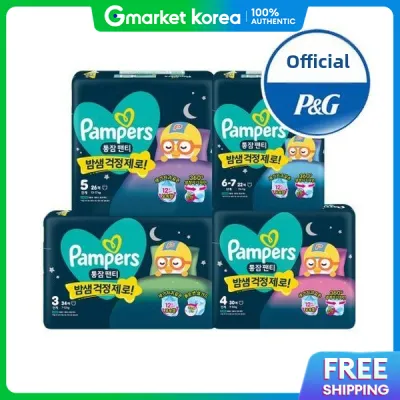
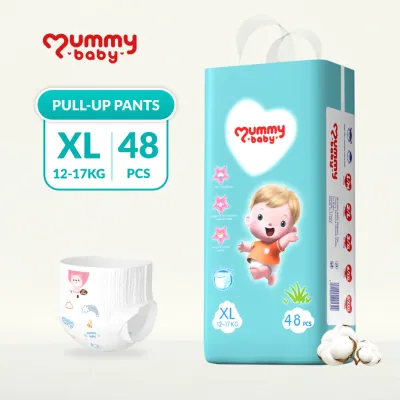
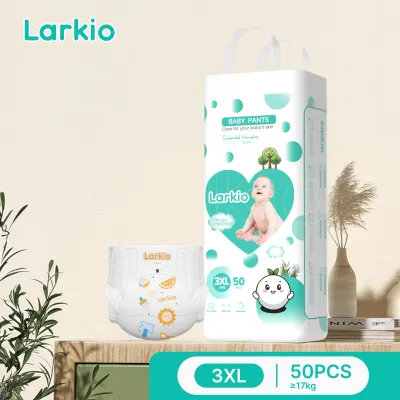
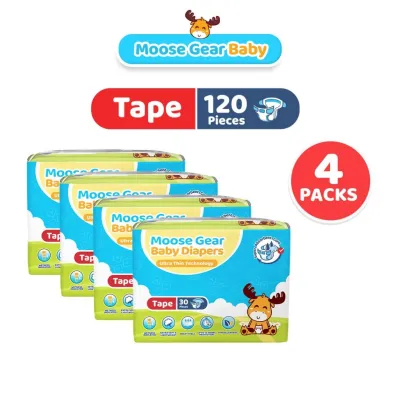
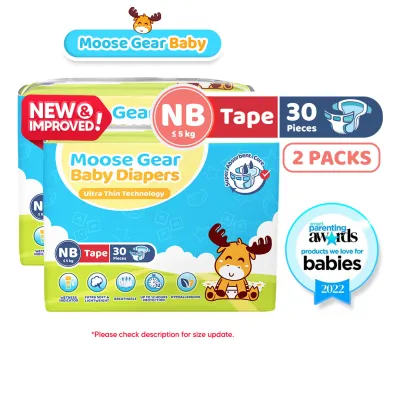
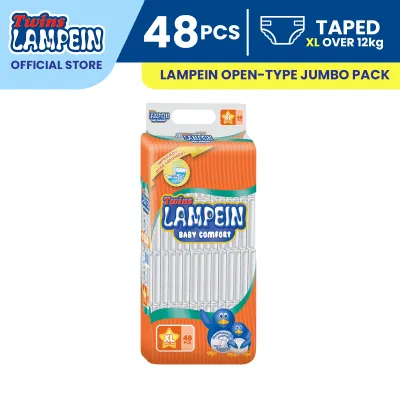
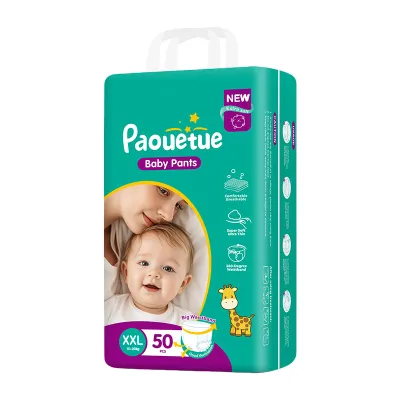
Prices are valid at publication and may change. Please refer to the product page for the latest price.
Choose Equator if you are looking for an economical, practical option for frequent daytime changes. This brand offers reliable, straightforward utility that helps parents manage diaper budgets effectively without sacrificing core leak protection during the day.
Brand Profiles: Pampers, Huggies, and Equator at a Glance
Pampers, Huggies, and Equator are three prominent names in the Philippine market, each offering distinct product lines designed to cater to different parenting needs. Understanding the general product tiers and design philosophies of these brands can help you navigate the diaper aisle more effectively. Because manufacturers regularly update their diaper designs, materials, and features, caregivers should always check the physical packaging for the most current product specifications.

Pampers is globally recognized for its focus on advanced moisture-wicking technology and lightweight materials. In the local market, their primary offerings include Pampers Baby-Dry (available in both tape and pants formats) and Pampers Premium Care. Their design philosophy centers on keeping the diaper as thin and breathable as possible, which is highly beneficial in a tropical climate where trapped heat can cause discomfort.
Huggies focuses heavily on anatomical fit and robust physical barriers. Their main product lines, such as Huggies Dry, Huggies Dry Pants, and Huggies Natural Soft, are engineered to hug the baby’s body securely. Huggies often incorporates features like pocketed waistbands to catch runny stools and wetness indicators that change color when the diaper is saturated.
Equator occupies a vital space as a highly accessible, budget-friendly diaper brand. It is widely distributed in local supermarkets and wholesale stores, offering straightforward tape and pants options. Equator focuses on delivering essential absorbency and reliable daytime protection, making it an attractive choice for families who prioritize cost-efficiency and high-frequency diaper changes.
Absorbency and Leak Protection: Keeping Your Baby Dry
In a tropical country like the Philippines, superior absorbency and quick moisture distribution are essential for maintaining your baby’s comfort. High humidity levels can exacerbate the discomfort of a wet diaper, making it critical for the core materials to lock liquid away rapidly. Disposable diapers achieve this through Superabsorbent Polymers (SAP) and specialized distribution channels.
Pampers utilizes proprietary absorbent channels that distribute liquid evenly across the entire core. This design prevents the diaper from sagging or clumping in the middle, which helps maintain a dry surface against the baby’s skin. This uniform distribution makes Pampers a popular choice for overnight use, as it can handle multiple settings without creating localized wet spots.
Huggies features a rapid-draw top sheet designed to pull wetness away from the surface instantly. Their diapers are structured to handle sudden, heavy flows, which is particularly useful for active babies during daytime play. The quick-absorption layer helps ensure that liquid is locked into the core before it has a chance to escape through the leg openings or waistband.
Equator provides a solid, traditional absorbent core that performs reliably under normal daily conditions. While it may not feature the advanced multi-channel distribution systems of premium brands, it offers sufficient capacity for standard daytime intervals. Using Equator requires parents to maintain a regular changing schedule to ensure the baby remains dry and comfortable.
To prevent leaks effectively, caregivers must learn to monitor diaper saturation and identify the root causes of wetness escape. A leak does not always indicate a failure of the diaper’s absorbency; it is often caused by an incorrect fit, a misaligned leg cuff, or an outdated diaper size. Regularly check that the elastic leg barriers are flared outward rather than tucked inside, and monitor how quickly the diaper swells to determine if it is time for a change.
Fit, Comfort, and Skin Sensitivity
The physical fit of a diaper directly impacts both its leak-prevention capabilities and your baby’s comfort. A diaper must seal gently around the thighs and waist without restricting movement or causing friction. Because babies grow rapidly and have varying body shapes—some with rounder bellies and others with thicker thighs—the same diaper size can fit differently across different brands.
Huggies is widely appreciated for its highly elastic waistband and contoured shape, which provides a snug fit that stays in place during vigorous movement. This secure seal is particularly effective at preventing leaks from the back. Pampers offers highly stretchable side tapes and a flexible core that conforms easily to the baby’s movements, providing a lighter, less restrictive feel. Equator provides a simpler, functional cut that works well for babies with average proportions, though it may offer less stretch in the waistband compared to premium alternatives.
When a diaper does not fit correctly, it can cause uncomfortable friction and trap sweat against the baby’s skin. In hot and humid conditions, tight elastics can leave deep red marks on the thighs or waist, which can quickly lead to localized heat rash or chafing. Caregivers should regularly inspect these areas during diaper changes to ensure the elastics are not digging into the skin.
Addressing skin sensitivity requires a cautious, proactive approach, as no disposable diaper can guarantee a completely rash-free experience. Diaper rash, or irritant contact dermatitis, is typically caused by prolonged contact with urine and stool, friction, or individual sensitivities to specific materials, fragrances, or lotions. To protect your baby’s delicate skin, always check the product packaging for material lists and fragrance disclosures to identify potential allergens.
If your baby develops persistent redness, swelling, or skin irritation in the diaper area, stop using the current product immediately. Caregivers should increase the frequency of diaper changes, allow the skin to air-dry completely, and apply a suitable barrier cream. If the rash does not improve within a few days, or if you notice signs of infection such as blisters or pus, consult a pediatrician or qualified healthcare professional promptly for a proper diagnosis and treatment plan.
Price and Value: Budgeting for Baby Diapers
Managing the ongoing cost of baby disposable diapers is a major consideration for parents in the Philippines. Because diapers are a daily necessity for several years, small differences in unit cost can add up to significant household savings over time. To determine the true value of a diaper brand, caregivers should look beyond the total package price and calculate the “price per piece” (PPP).
To calculate the price per piece, divide the total cost of the diaper pack by the number of diapers inside. This metric allows you to make direct, accurate comparisons between different pack sizes and brands. Often, larger bulk packages or “mega packs” offer a substantially lower price per piece than small, travel-sized convenience packs, making bulk buying a highly effective budgeting strategy.
When comparing Pampers, Huggies, and Equator, parents must weigh the trade-offs between premium and economy product lines. Premium lines generally carry a higher price per piece but may offer superior absorbency and comfort, potentially reducing the total number of diapers used per day. Economy lines, such as Equator or standard daytime pants, have a much lower price per piece, making them highly cost-effective for frequent daytime changes when diapers are replaced every two to three hours regardless of saturation.
A practical budgeting strategy involves purchasing diapers in bulk through official brand stores on major e-commerce platforms or during supermarket sales. Online marketplaces frequently offer discount vouchers, bundle deals, and promotional events that can significantly lower your diaper expenses. When shopping online, always purchase from verified official stores to ensure you are receiving authentic products that meet quality standards.
Sizing and Transitioning: When to Move Up
As babies grow and reach new developmental milestones, their diapering needs change. A diaper size that worked perfectly during infancy may become prone to leaks as the baby becomes more active or experiences a growth spurt. Recognizing the physical and behavioral signals that indicate it is time to transition to a larger size can save parents from dealing with frequent leaks and skin irritation.
Caregivers should monitor for several clear, observable signs that a diaper is becoming too small. If you notice frequent leaks despite proper fastening, or if the diaper core becomes saturated almost immediately, the diaper may no longer have sufficient absorbent capacity. Physical indicators include deep, lingering red marks on your baby’s thighs or waist, the fastening tapes meeting at the very edges of the landing zone, or the diaper failing to fully cover the baby’s backside.
It is important to remember that diaper sizing is not standardized across different brands. A baby who fits comfortably in a medium-sized Pampers diaper may require a large size in Huggies or Equator due to differences in cut, elastic tension, and overall dimensions. Before purchasing a new bulk supply of diapers, always consult the specific brand’s weight chart printed on the packaging and consider your baby’s unique body shape.
When transitioning between sizes or brands, consider purchasing a small convenience pack first to test the fit and performance. This approach allows you to verify that the new size accommodates your baby’s movements and skin sensitivity before committing to a larger, more expensive bulk purchase.
Frequently Asked Questions (FAQ)
Can I mix different diaper brands for day and night use?
Yes, mixing different diaper brands for daytime and nighttime use is a highly practical and cost-effective strategy used by many parents in the Philippines. You can use an economical brand like Equator for daytime hours, when diapers are changed frequently due to active play and regular feeding schedules. This helps keep your daily diapering costs low while maintaining good hygiene.
For nighttime sleep, you can switch to a highly absorbent, premium diaper from Pampers or Huggies. These premium options are designed to handle multiple wetness cycles and keep moisture away from your baby’s skin for up to twelve hours, helping to ensure uninterrupted sleep for both you and your baby. When using this strategy, ensure that both brands fit your baby correctly to avoid leaks and skin chafing.
How do I know if a diaper is causing a rash?
Determining the exact cause of a diaper rash requires careful observation of your baby’s skin and diapering habits. Rashes are most commonly caused by prolonged exposure to moisture, friction from a tight-fitting diaper, or a mild sensitivity to the materials, fragrances, or lotions used in the product. If the redness is localized strictly along the elastic leg cuffs or waistband, it is likely due to friction or sweat retention caused by a tight fit.
If the irritation covers the entire diaper area, it may be due to prolonged contact with wetness or a reaction to the diaper’s materials. To help resolve the issue, increase the frequency of diaper changes, allow your baby to have diaper-free air time, and check the packaging to verify if the product contains added fragrances. If the rash persists, spreads, or shows signs of infection, stop using the diaper and consult a pediatrician immediately for professional medical advice.
Community discussion
Share your experience or ask a question. Comments are reviewed before publication.