
Finding the right diaper pants for your little one is a highly personal journey that every parent in the Philippines navigates. With active babies who love to wiggle and explore, diaper pants offer a convenient, pull-up design that simplifies changing times. However, walking down the baby care aisle of a local supermarket or browsing online marketplaces reveals a wide array of options, with Pampers, Huggies, and Equator standing out as three prominent brands. Deciding which brand is best for your baby is not about finding a single, universal winner, but rather about identifying which diaper matches your baby’s unique body shape, skin sensitivity, and your household budget.
To make an informed decision, you must look past generic brand reputations and focus on three key evaluation pillars: absorbency performance, physical fit, and cost-per-piece value. Every baby is built differently; a diaper pant that fits a lean, active crawler perfectly might cause red marks on a baby with chunkier thighs. Similarly, the high humidity and tropical heat of the Philippines mean that breathability and skin dryness are critical factors in preventing diaper rash. By relying on packaging labels, weight-based size charts, and structured, short-term observation, you can systematically determine which brand provides the comfort and protection your baby needs.
Evaluating Absorbency and Leak Protection Claims
Absorbency is the primary line of defense against leaks and skin irritation, especially during long overnight stretches or active daytime play. When comparing Pampers, Huggies, and Equator diaper pants, start by inspecting the product packaging for specific core technologies. Manufacturers often highlight features such as liquid distribution channels, superabsorbent polymer cores, and wetness indicators that change color when the diaper is full. These indicators are highly practical for busy caregivers, allowing you to see at a glance whether a change is needed without having to pull at the waistband. Pay close attention to any maximum wear-time claims on the packaging, keeping in mind that these are tested under controlled conditions and may vary based on your baby’s fluid intake.
Products mentioned in this guide
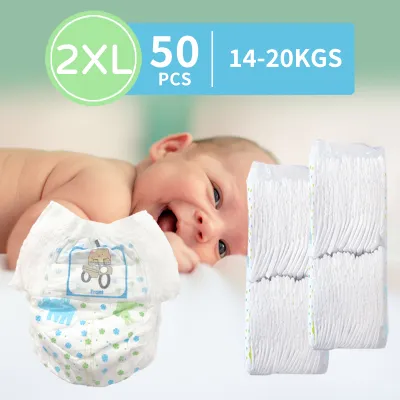
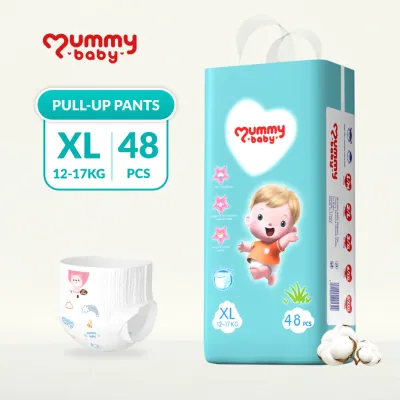
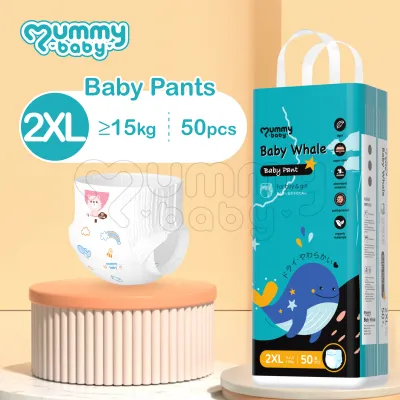
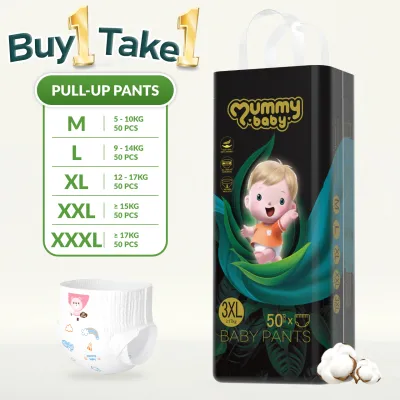
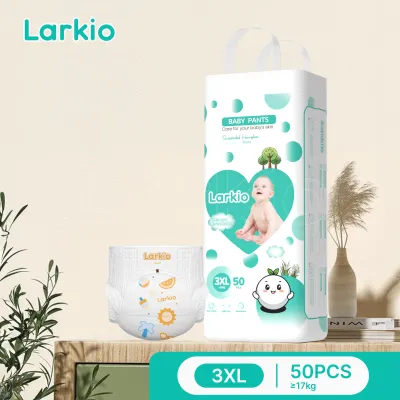
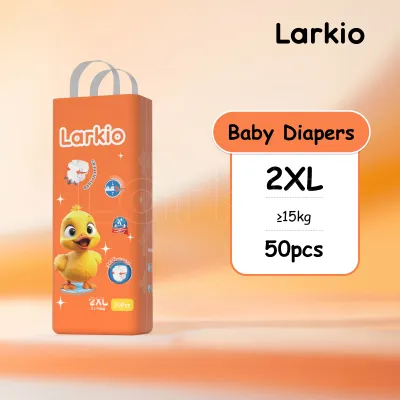

Prices are valid at publication and may change. Please refer to the product page for the latest price.
To verify how well these absorbency claims hold up in your daily routine, conduct simple, real-world observation tests over a few days. Track how often leaks occur, particularly around the leg cuffs during naps or overnight sleep. Observe the physical state of the diaper pant when it is full; some diaper cores tend to sag heavily between the baby’s legs, which can restrict movement and pull the waistband down, while others distribute moisture more evenly across the entire core. A heavy, sagging diaper is often a sign that the absorbent material has reached its capacity or that the liquid is pooling in one area rather than being distributed efficiently.
Another effective way to compare absorbency is to perform a quick dryness check during diaper changes. When you remove a wet diaper pant, gently press a dry paper towel against the inner lining that was in contact with your baby’s skin. A high-performing absorbent core will lock moisture away deep inside, leaving the surface lining dry to the touch. If the paper towel dampens quickly, it indicates that moisture is sitting on the surface, which can lead to skin breakdown and irritation under humid tropical conditions. By monitoring these observable factors, you can determine which brand’s core technology truly keeps your baby dry.
Checking Fit, Comfort, and Skin Compatibility
A diaper pant can have excellent absorbency, but if the fit is poor, leaks and discomfort are inevitable. The pull-up design of mummy baby diaper pants relies heavily on the elasticity of the waistband and the structure of the leg cuffs to create a secure seal. Before putting a new diaper pant on your baby, physically stretch the waistband and leg cuffs with your hands. Note how much resistance you feel and how quickly the material snaps back into shape. A good waistband should feel soft and highly elastic, stretching easily to accommodate a full belly after feeding while remaining snug enough to prevent the diaper from slipping down during active play.

Once the diaper pant is on, pay close attention to the leg cuffs, which act as the final barrier against blowouts. The inner leg guards should stand upright and wrap snugly around your baby’s thighs without gaping. After your baby has worn the diaper pant for a few hours, carefully inspect their skin during a change. Look for any red marks, deep indentations, or chafing around the waist, thighs, and groin. Persistent red marks are a clear sign that the elastic is too tight, the cut is too narrow, or the diaper size is too small for your baby’s current build.
Skin compatibility is especially crucial in the warm, humid climate of the Philippines, where sweat and trapped moisture can quickly trigger diaper rash. When evaluating Pampers, Huggies, and Equator, read the product labels to verify claims such as hypoallergenic materials, fragrance-free formulations, or dermatological testing. While these labels provide a helpful starting point, your baby’s skin is the ultimate judge. Introduce any new brand gradually, monitoring the diaper area for signs of redness, bumps, or irritation. If your baby has highly sensitive skin, opting for fragrance-free options and ensuring frequent changes will help maintain a healthy skin barrier.
Calculating Value and Navigating Size Charts
Finding a diaper pant that fits your baby’s needs also means finding one that fits your family’s monthly budget. Because diaper prices can vary significantly depending on the pack size, retailer, and promotional discounts, comparing them by the total pack price can be misleading. Instead, calculate the true cost per use by dividing the total price of the pack by the number of diaper pants inside to find the price per piece (₱). Keep a running log of these unit prices when shopping at local supermarkets, baby specialty stores, or online marketplaces to identify where you can get the best value for your preferred brand.
Navigating size charts is another critical step in maximizing value, as sizing standards can differ noticeably between Pampers, Huggies, and Equator. Most brands categorize their diaper pants by weight ranges, but these ranges often overlap. For example, a baby weighing 9 kilograms might fit into both Medium and Large sizes depending on the brand’s specific cut. Do not rely solely on the weight range printed on the front of the pack; also consider your baby’s physical build, such as thigh circumference and torso length. If your baby is near the upper limit of a weight range or has a rounder belly and chunkier thighs, you may need to size up sooner than expected.
Sizing up too early or staying in a size that is too small can both lead to wasted money through leaks and blowouts. When a diaper pant runs small, the absorbent core is smaller, and the elastic tension is higher, increasing the risk of red marks and leaks. Conversely, a diaper that is too large will have gaps around the legs where liquid can easily escape. Factor in the cost implications of sizing up, as larger sizes typically contain fewer pieces per pack, which increases the price per piece (₱). Balancing the correct size with the unit cost ensures you do not overpay for diaper pants that do not fit properly.
Decision Framework: Matching the Brand to Your Baby
To help you navigate the choices between Pampers, Huggies, and Equator diaper pants, it is helpful to establish a conditional decision framework based on your specific observations and priorities. No single brand is the absolute best for every infant, but each has characteristics that may make it more suitable for your baby’s current developmental stage and physical build. By matching these characteristics to your baby’s daily needs, you can make a confident choice that balances performance and cost.
You may find that Pampers diaper pants are the most suitable choice if your physical observations confirm that their design provides a slim, contoured fit that matches your baby’s leaner build. If you highly value a clear, reliable wetness indicator to guide your changing schedule and prefer a diaper that feels lightweight under clothing, this brand is worth testing. It is particularly well-suited for active daytime wear when you want to minimize bulk while maintaining a secure fit during movement.
On the other hand, Huggies diaper pants may be the preferred option if your baby has a sturdier build with chunkier thighs and a rounder tummy. If you notice that other brands leave red marks on your baby’s skin, the highly elastic waistband and soft, defensive leg cuffs of this brand can offer a more accommodating, comfortable fit. This secure seal is especially beneficial if you are looking for a diaper pant that holds up well during long overnight stretches without slipping or gaping when your baby rolls around in their sleep.
If your primary goal is to manage your household budget without compromising on basic protection, Equator diaper pants are an excellent candidate to test. Choose this brand if your initial trial shows that it successfully meets your baseline absorbency and skin compatibility checks during regular daytime hours. Because daytime changes should occur frequently to maintain hygiene in humid weather, using a brand with a lower price per piece (₱) can lead to significant savings over time.
Regardless of which brand you lean toward, always prioritize your baby’s skin health. If your baby has extremely sensitive skin, verify your diaper choices with a pediatrician before committing to bulk purchases. Buying smaller trial packs of each brand allows you to test the fit, absorbency, and skin compatibility in real-world conditions before investing in large, economy-sized boxes.
Frequently Asked Questions (FAQ)
How do I know if a diaper pant is too small or too large?
You can identify if a diaper pant is the wrong size by looking for specific physical signs on your baby’s body. If the diaper pant is too small, you will notice deep red marks or indentations along your baby’s waistband and thighs after a few hours of wear. The diaper may also feel tight when you try to slide two fingers under the waistband, or you might experience frequent leaks because the absorbent core is too small for your baby’s output. Conversely, if the diaper pant is too large, you will see visible gaping at the leg cuffs or a significant sag in the crotch area even when the diaper is completely dry. A loose fit allows liquid to escape easily before it can reach the absorbent core.
Can I mix different diaper brands for daytime and nighttime use?
Yes, mixing different diaper brands for daytime and nighttime use is a highly practical and cost-effective strategy used by many parents in the Philippines. During the day, when you change your baby’s diaper frequently to prevent sweat and moisture buildup in the tropical heat, you can opt for a more budget-friendly brand that meets your baseline absorbency needs. For overnight use, when your baby sleeps for longer stretches and changes are less frequent, you can switch to a brand that offers enhanced overnight absorbency and a more secure fit to prevent leaks. Just ensure that both brands pass your baby’s skin compatibility checks and do not cause irritation.
What should I do if my baby develops a rash from a new diaper brand?
If your baby develops a rash after you switch to a new diaper brand, the first step is to stop using that specific brand immediately. Switch back to a previously tolerated diaper brand or use a fragrance-free, gentle alternative while the skin heals. Increase the frequency of diaper changes to keep the area as dry as possible, and allow your baby’s skin to air-dry completely during changes before putting on a new diaper pant. You can also apply a thin layer of a pediatrician-approved diaper barrier cream to protect the irritated skin from moisture. If the rash persists for more than a few days, worsens, or is accompanied by a fever or broken skin, consult a pediatrician promptly for proper medical advice.

Community discussion
Share your experience or ask a question. Comments are reviewed before publication.