
Finding the right 50-piece diaper pants pack for your baby involves balancing fit, absorbency, and budget. While Pampers, Huggies, and Equator are popular options in the market, there is no single brand that works perfectly for every infant. The ideal choice depends on your baby’s current developmental stage, physical shape, and how their skin reacts to different materials under humid, tropical conditions.
Quick Answer: How to Choose the Right 50-Piece Diaper Pants Pack
Selecting the right 50-piece diaper pants pack requires looking closely at your baby’s daily activity levels and physical build. Active crawlers and toddlers who move constantly often benefit from diaper pants designed with highly flexible waistbands and secure leg cuffs to prevent shifting. Babies with sensitive skin may require premium lines that emphasize breathable outer covers to minimize moisture buildup in warm weather.
For daytime routines where changes are frequent, a standard or budget-friendly pack can be highly practical. Conversely, overnight sleep typically demands a diaper with enhanced core distribution layers to handle longer hours without leaking. Because features can vary significantly even within a single brand’s product lines, always check the specific packaging details of the 50-piece pack rather than relying solely on the brand name.
Products mentioned in this guide


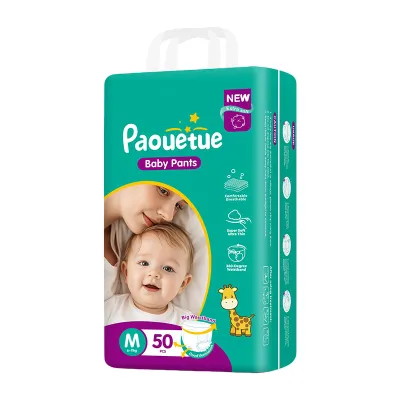
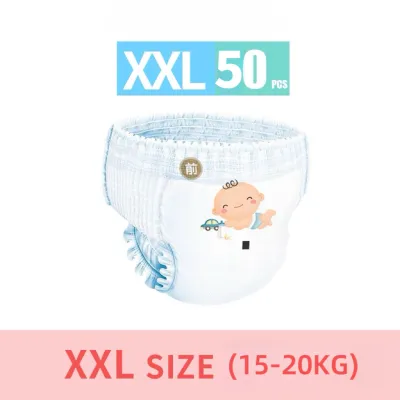
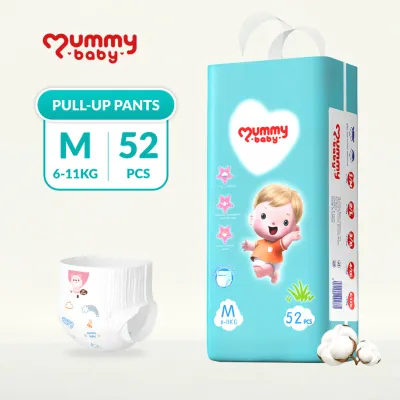
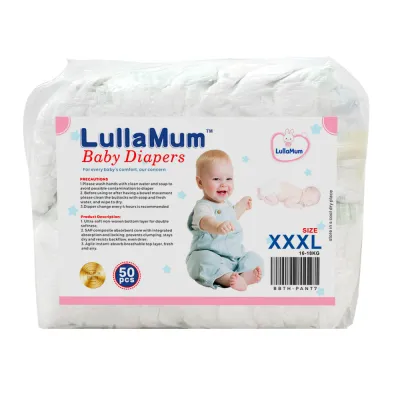
Prices are valid at publication and may change. Please refer to the product page for the latest price.
Ultimately, the best brand is the one that keeps your baby dry, comfortable, and free from skin irritation. Parents often find that a combination of brands works best, using one for daytime and another for overnight. By understanding how to evaluate each brand’s features, you can make an informed decision that suits both your baby’s needs and your household budget.
How to Verify Absorbency and Leak Protection Across Brands
To evaluate how well a diaper pants pack will protect against leaks, start by examining the manufacturer’s stated absorbency technology on the packaging. Look for mentions of specialized channels, wetness indicators, or rapid-dry core distribution layers. These features are designed to draw moisture away from your baby’s skin quickly, which is especially critical in high-humidity environments where dampness can quickly lead to skin irritation.

You can conduct simple, observable checks at home to assess real-world performance. After your baby has worn the diaper pants for a few hours, feel the outer cover to check for dampness and observe whether the core sagged excessively or distributed liquid evenly. Additionally, inspect the physical height and elasticity of the double leak guards around the thighs; taller, snug-fitting barriers generally provide better containment during sudden movements.
Another key factor to verify is the behavior of the superabsorbent polymer (SAP) inside the diaper core. When wet, high-quality SAP should lock moisture into a gel-like state without clumping or shifting excessively when your baby moves. If you notice the absorbent material breaking apart into lumps inside the diaper, it may lead to uneven wetness distribution and premature leaks.
The demands on a diaper change dramatically between daytime play and overnight sleep. Daytime use focuses on mobility and frequent, routine changes, making standard absorbency levels perfectly adequate. For overnight use, look for labels that explicitly state extended protection or overnight dry technology, as these packs are engineered to hold larger volumes of liquid while keeping the surface dry.
Evaluating Fit, Sizing, and Comfort for Your Baby's Shape
Diaper brands use different cuts and elastic designs, meaning a size medium in one brand might fit differently than a size medium in another. Some brands feature a higher-waist cut with highly elastic waistbands, while others utilize a lower-rise design with more stretch concentrated in the side panels. Observing how these designs interact with your baby’s specific shape—whether they have a round tummy or chubby thighs—helps prevent uncomfortable chafing.
Many modern diaper pants feature a 360-degree elastic waistband designed to mimic real underwear. This design helps distribute tension evenly around your baby’s waist, reducing the likelihood of tight pressure points. When trying a new brand, gently stretch the waistband to assess its softness and elasticity, ensuring it is pliable enough to move with your baby’s breathing and movement.
To find the correct size, always refer to the weight ranges printed on the 50-piece pack rather than relying on your baby’s age. Weight is a far more accurate indicator of fit because babies grow at highly individualized rates. Keep in mind that if your baby is near the upper limit of a weight range, it is often best to transition to the next size up to ensure adequate coverage and comfort.
Watch for clear physical signs that indicate a poor fit or the need to change sizes. Red marks around your baby’s waist or thighs suggest the elastic is too tight, while gaps at the leg cuffs or frequent blowouts often mean the diaper is either too large or lacks the structure needed for your baby’s body shape. If you notice these issues consistently, it is time to adjust the size or try a different brand’s cut.
Additionally, consider the ease of removal when evaluating diaper pants. High-quality diaper pants should have side seams that are easy for a caregiver to tear open during a change, yet strong enough to withstand your baby’s active play without splitting prematurely. Checking this balance during your first few uses will help you determine if the brand fits your daily routine.
How to Calculate the True Value of 50-Piece Diaper Packs
Comparing the value of Pampers, Huggies, and Equator requires looking beyond the initial shelf price of a 50-piece pack. To find the exact cost per piece, divide the total price of the pack in ₱ by 50. This simple calculation allows you to compare different brands and retail outlets on an equal basis, helping you identify which option fits your household budget.
However, the cheapest diaper per piece does not always deliver the best overall value. If a lower-priced diaper pants pack requires more frequent changes due to slower absorption or minor leaks, you will consume more diapers daily. A slightly higher-priced diaper that keeps your baby dry for longer periods can sometimes result in fewer total diaper changes, proving more economical over time.
When shopping on an online marketplace or at local retail stores, look for bulk promotions or subscription options that can lower the cost per piece of your preferred 50-piece pack. Be sure to factor in shipping costs or travel expenses when calculating the final price, as these can sometimes offset the savings of a discounted pack.
When purchasing bulk 50-piece packs, always check the manufacturing date printed on the packaging and ensure the diapers are stored in a cool, dry place. High humidity can degrade the elastic bands and affect the integrity of the absorbent materials over time. Verifying proper storage conditions ensures that the final diaper in the pack performs just as well as the first.
Finally, check if the diaper pants include a convenient disposal tape on the back. While this feature does not affect absorbency or fit, it significantly improves the ease of rolling up and securing a soiled diaper for clean disposal, adding practical value to your daily routine.
Decision Framework: Which Brand Matches Your Baby's Daily Routine?
To finalize your choice among these three options, align the diaper’s design features with your baby’s daily routine and physical needs:
- Choose Pampers if… your baby benefits from a specific, contoured fit and you have already observed reliable dryness and skin compatibility with their current product line.
- Choose Huggies if… your baby is highly active and requires robust waistband elasticity or specific leg guard structures that accommodate constant crawling, walking, and stretching.
- Choose Equator if… you are managing a strict household budget and need a practical, cost-effective option for frequent daytime changes where diapers are replaced regularly.
- Verify first if… your baby has highly sensitive skin or a history of diaper rash. Carefully read the ingredient list on the packaging for fragrances or specific materials, and consult a pediatrician if you suspect a skin allergy before committing to a full 50-piece pack.
By matching these characteristics to your baby’s specific needs, you can select a 50-piece pack that offers the best balance of performance and value. Remember that your baby’s needs will change as they grow, so remaining open to re-evaluating your choice every few months is a natural part of the process.
Frequently Asked Questions (FAQ)
Can I mix different brands of diaper pants in a single day?
Yes, alternating between different diaper brands throughout the day is a common and practical strategy for many parents. You can use a more budget-friendly brand for frequent daytime changes when you can replace the diaper immediately, and switch to a premium, highly absorbent brand for overnight sleep or long outings.
When mixing brands, monitor your baby’s skin closely for any localized redness or irritation. Different manufacturers use distinct adhesives, materials, and fragrances, and some babies may react to one brand’s components even if they tolerate another perfectly. If you notice any signs of skin sensitivity, stick to the single brand that causes no reaction.
How do I know when to transition from taped diapers to diaper pants?
The transition to diaper pants is typically driven by your baby’s developmental milestones rather than a specific age. When your baby begins rolling over, crawling, standing, or actively resisting lying down during diaper changes, taped diapers can become difficult to secure. Diaper pants can be pulled on quickly while your baby is standing or moving, simplifying the changing process.
Before making the switch, check the weight and sizing charts on the 50-piece diaper pants packaging. Pull-up style diaper pants rely heavily on a snug, elastic fit around the waist and thighs to prevent leaks, so ensuring your baby meets the minimum weight recommendation for the pants size is crucial for reliable performance.

Community discussion
Share your experience or ask a question. Comments are reviewed before publication.