
Quick Answer: Comparing Pampers, Huggies, and Equator 4XL
Finding the right lampin 4xl for a growing toddler in the Philippines requires balancing physical comfort, skin health, and absorbency. Because toddlers at this stage vary widely in body shape, there is no single option that works for every child. The ideal choice depends heavily on whether your toddler has a rounder tummy, chunky thighs, or a taller, slimmer build, as well as their specific wetting patterns during active play or sleep.
Generally, Pampers is recognized for its slimmer profile and structured channel absorption, making it a common choice for active, lean toddlers. Huggies often features highly elastic waistbands and deep pocketed designs, which tend to suit rounder toddlers who need extra security against back leaks. Equator is typically positioned as a budget-friendly option that provides basic bulk absorbency, making it suitable for frequent daytime changes. Caregivers must always verify the exact weight and waist limits printed on the specific product packaging, as sizing standards can vary between product lines and manufacturing batches.
Evaluating Fit and Absorbency in lampin 4xl Options
Selecting an extra-large diaper involves more than simply looking at the size label on the box. As toddlers grow more active, their physical proportions change, requiring caregivers to perform specific checks to ensure a leak-free and comfortable experience.
Products mentioned in this guide
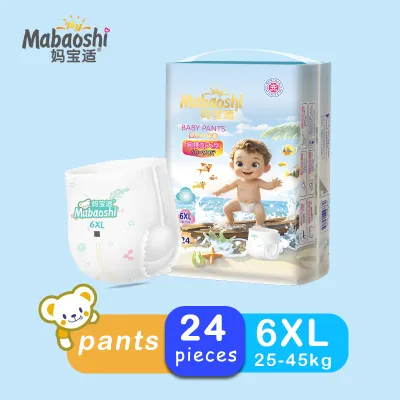
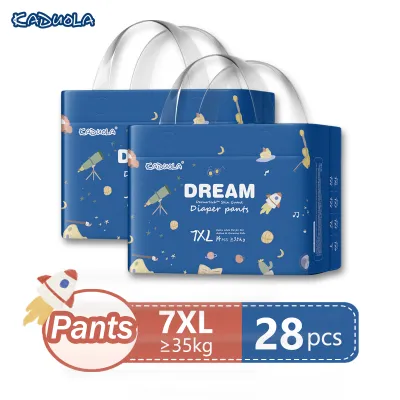
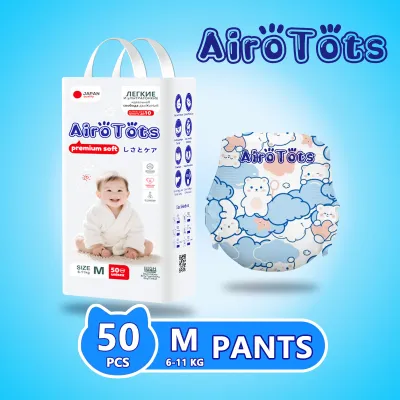
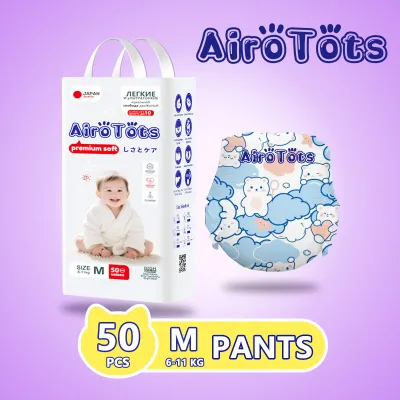
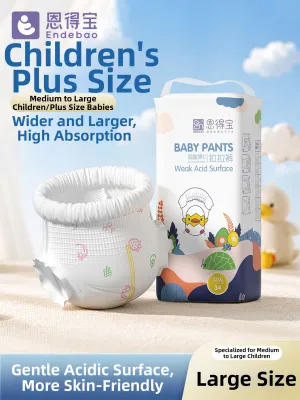
Prices are valid at publication and may change. Please refer to the product page for the latest price.

Weight and Waist Measurements
Before purchasing a bulk box of lampin 4xl, measure your toddler’s current weight and waist circumference. Do not rely solely on age guidelines, as toddlers of the same age can have vastly different builds. Cross-reference your child’s measurements with the manufacturer’s size chart printed on the packaging. If your toddler is near the upper limit of a size range, or if they have a particularly round belly, sizing up to a 4XL can prevent the waistband from digging into their skin during movement.
Leg Cuff Elasticity
Active toddlers run, climb, and squat, putting constant pressure on the leg openings of the diaper. Inspect the leg cuffs after your child has worn the diaper for a few hours. Look for deep red marks or indentations around the thighs, which indicate the elastic is too tight and may cause friction or chafing. Conversely, check for visible gaps between the cuff and the skin when your toddler moves; gaps are the primary cause of side leaks, especially during loose bowel movements.
Absorbency Distribution
Observe how the diaper swells when wet to understand its absorbency distribution. Some diapers concentrate liquid in the center, while others distribute it evenly from front to back. If your toddler is a front-wetter (common for boys or active toddlers who stand frequently), you need a core that quickly draws moisture away from the front panel. For toddlers who spend more time sitting or sleeping, a diaper that distributes wetness toward the middle and back is more effective at preventing leaks.
What to Expect from Pampers 4XL Diapers
Pampers is a widely recognized brand that caregivers often turn to for active toddlers. When evaluating Pampers 4XL options, there are several design characteristics and fit profiles to keep in mind.
Typical Design Elements
When examining a pack of Pampers 4XL, look for their signature absorbent channels. These channels are designed to distribute liquid evenly across the core rather than letting it pool in one spot. Many variants also include a wetness indicator strip on the outside, which changes color to signal when a change is needed. This feature is highly practical for busy caregivers who want to avoid unnecessary diaper checks.
Fit Profile
Pampers diapers generally feature a slimmer, more contoured cut. This design aims to reduce bulkiness between the thighs, allowing toddlers to walk and run with less restriction. However, this slimmer profile means caregivers must carefully check the fit if their toddler has thicker, chunkier thighs. If the material feels too snug or causes friction during play, it may be necessary to adjust the fastening tabs outward or consider a different cut.
Caregiver Checks
Monitor the diaper for sagging after heavy wetting. Because of the slim design, a fully saturated diaper can pull downward, which might cause gaps at the waist. Ensure that the fastening tabs reach the designated landing zone on the front panel without overstretching the side panels, as overstretching can compromise the elasticity and cause the tabs to tear away during active play.
What to Expect from Huggies 4XL Diapers
Huggies is another prominent option in the extra-large diaper category, known for designs that prioritize secure containment and robust waist elasticity.
Typical Design Elements
When inspecting Huggies 4XL packaging, look for features such as a pocketed waistband at the back. This pocket is designed to catch runny stools and prevent upward blowouts, which is particularly useful for toddlers who still have occasional loose bowel movements. The brand also frequently utilizes wide, stretchy waistbands that wrap securely around the toddler’s midsection.
Fit Profile
Huggies diapers typically offer a wider, more generous cut through the hips and thighs. The highly elastic waistband is designed to stretch comfortably over rounder tummies, adapting to the child’s shape as they breathe and move. This makes Huggies a strong candidate for toddlers with a sturdier or more solid build who find slimmer diapers too restrictive around the waist.
Caregiver Checks
When putting on a Huggies diaper, always run your finger along the inner leg gathers to ensure they are fully pulled out and standing upright. If these gathers remain tucked inward, liquid can easily bypass the absorbent core. Additionally, monitor the skin around the waistband for any signs of redness or irritation, especially in hot and humid tropical conditions where sweat can accumulate under tight elastic bands.
What to Expect from Equator 4XL Diapers
Equator is often positioned as a practical, value-oriented choice for families looking to manage household expenses without sacrificing basic diapering needs.
Typical Design Elements
Equator 4XL diapers generally feature a straightforward, traditional core design. Depending on the specific product line available in your local market, they may be offered in either tape or pants formats. The packaging typically highlights basic leak guards and a soft top sheet. Because it is a value brand, it may omit premium features like wetness indicators or complex channel systems in favor of a simpler, high-capacity absorbent pad.
Fit Profile
The fit of Equator diapers tends to be more traditional and can feel slightly bulkier between the legs compared to premium, ultra-thin alternatives. Caregivers should inspect the breathability of the backsheet material. In warm, humid climates, a breathable outer cover is essential to allow heat and moisture to escape, reducing the risk of heat rash (bungang-araw) on the toddler’s sensitive skin.
Caregiver Checks
Because value-tier diapers may use different absorbent polymer blends, monitor how quickly the diaper feels wet to the touch on the outside or how heavy it becomes after a single wetting. Caregivers using Equator 4XL may need to establish a more frequent changing schedule, especially during active daytime hours, to ensure the toddler’s skin remains dry and comfortable.
Comparison Checklist: What to Verify on the Packaging
Before committing to a large purchase, use this checklist to compare the key design features and practical considerations of each brand based on the information printed on the packaging.
| Evaluation Dimension | Pampers 4XL (To Verify) | Huggies 4XL (To Verify) | Equator 4XL (To Verify) |
|---|---|---|---|
| Target Fit Profile | Slimmer, contoured cut; check for snugness around thick thighs. | Wider, elasticated cut; check for coverage over round tummies. | Standard, straight cut; check for bulkiness between the legs. |
| Waistband Design | Flat front with stretchy side tabs; verify tab tension. | High-stretch elastic waistband; verify back pocket presence. | Basic elastic or tape closure; verify tab durability. |
| Absorbency Style | Structured channels; observe if wetness distributes evenly. | Front-to-back distribution; observe for localized swelling. | Traditional absorbent core; observe saturation speed. |
| Cost Calculation | Divide pack price by piece count to find cost per piece in ₱. | Divide pack price by piece count to find cost per piece in ₱. | Divide pack price by piece count to find cost per piece in ₱. |
Beyond these design features, always check the manufacturing date printed on the plastic packaging. Diapers stored in warm, highly humid environments for extended periods can experience degradation of the elastic threads and the superabsorbent polymers, leading to premature leaks or tearing. To avoid wasting money, purchase small trial packs from official brand stores or trusted online marketplaces before buying bulk boxes.
Decision Framework: Which Brand Fits Your Toddler Best?
To make the final decision, evaluate your toddler’s physical build, daily routine, and skin sensitivity against these condition-based guidelines:
- Choose Pampers 4XL if: Your toddler has a relatively slim or tall build, requires a diaper that allows maximum leg movement without bulk, and you prefer structured channels that prevent sagging during active daytime play.
- Choose Huggies 4XL if: Your toddler has a rounder tummy or chunky thighs, is prone to leaks at the back when sitting or sleeping, and benefits from a highly elastic, wide waistband that distributes pressure evenly.
- Choose Equator 4XL if: You are managing a strict household budget, change diapers frequently throughout the day, and your toddler's skin tolerates standard absorbent materials well without irritation.
If your toddler has highly sensitive skin, a history of severe diaper rash, or existing skin conditions, consult a pediatrician before switching brands. Always look for specific hypoallergenic, fragrance-free, or dermatologically tested claims on the packaging of whichever brand you choose.
Frequently Asked Questions (FAQ)
How do I know if my toddler needs to size up to 4XL?
Your toddler may need to size up to a 4XL if you notice persistent red marks or deep elastic indentations around their waist or thighs after removing the diaper. Another clear sign is frequent leaks or blowouts, even when the diaper does not feel completely saturated, which indicates the physical cup capacity of the diaper is too small to contain sudden gushes. Finally, if the fastening tabs struggle to reach the designated landing zone on the front panel, or if the diaper constantly rides down and exposes the buttocks, it is time to transition to a larger size.
Can standard 4XL diapers be used overnight for heavy wetters?
Standard daytime 4XL diapers are designed for regular daytime intervals and may not have the capacity to hold ten to twelve hours of urine for a heavy-wetting toddler. To manage overnight wetting, check if your preferred brand offers a dedicated nighttime or overnight variant in the 4XL size, as these are engineered with extra absorbent polymers. Alternatively, you can make practical adjustments such as limiting fluid intake right before bedtime, performing a diaper change right before you go to sleep, or using a compatible diaper booster pad while closely monitoring your toddler’s skin for any signs of moisture-induced irritation.

Community discussion
Share your experience or ask a question. Comments are reviewed before publication.