
Finding the right XXXL diaper for a larger toddler in the Philippines requires balancing physical fit, skin comfort under tropical humidity, and household expenses. While Pampers, EQ (often referred to as Equator), and Huggies all offer extended sizing options for toddlers who have outgrown standard double-extra-large (XXL) options, they do not fit the same way. The ideal choice is not a universal brand, but rather the one whose specific cut, waistband elasticity, and material breathability match your child’s unique body shape and daily activity levels.
Selecting the wrong diaper shape can lead to persistent leaks, skin irritation, and unnecessary spending. By understanding how each brand structures its largest sizes, you can make an informed decision that keeps your toddler dry and comfortable throughout the day and night. This guide breaks down the essential factors to consider when comparing these three popular options in the local market.
Understanding XXXL Sizing and Fit for Larger Toddlers
Manufacturer weight ranges printed on diaper packaging serve as a general guideline, but they are rarely a perfect indicator of fit. For instance, an XXXL diaper might list a weight range starting at 18 kilograms or 22 kilograms, but two toddlers of the exact same weight can have completely different body shapes. A child with a rounder belly and slender legs will require a different diaper cut than a child with a lean waist and thick thighs.
Products mentioned in this guide
![EQ Pants Big Pack XXXL (15kg up) - 24 pcs x 8 packs (192 pcs) - Diaper Pants [Case]](https://img.lazcdn.com/g/p/22f4e17753cb93d89d5dea63f92c0c8f.png_400x400q80.png_.webp)
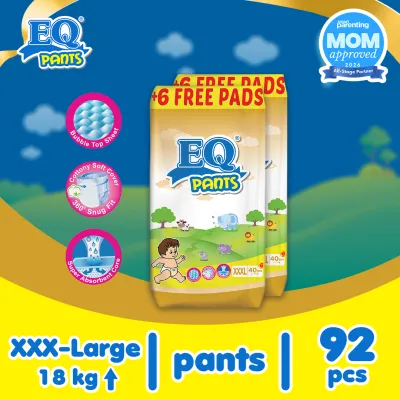
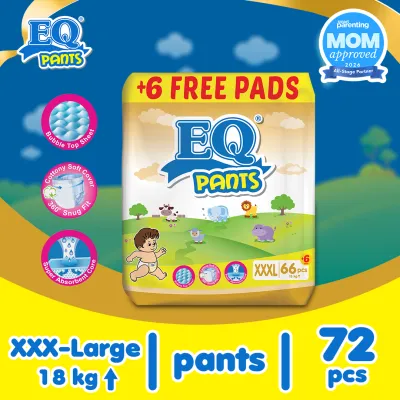
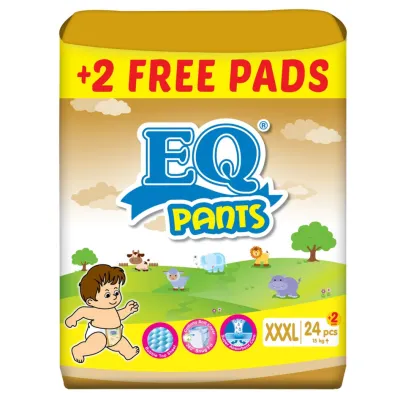
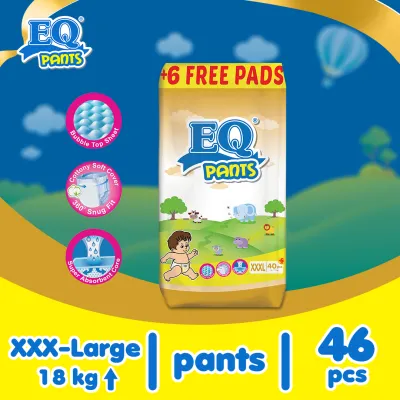
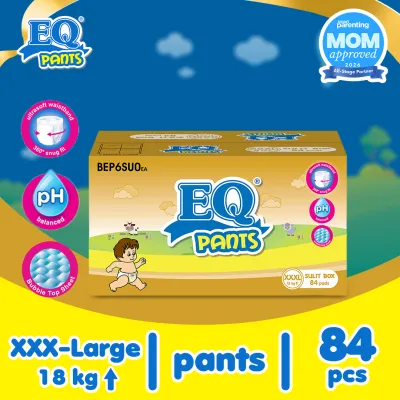
Prices are valid at publication and may change. Please refer to the product page for the latest price.
To prevent leaks and discomfort, you must actively monitor how the diaper sits on your toddler’s body. A proper fit means the waistband rests securely above the hips without sagging, and the leg cuffs wrap snugly around the thighs without gaps. If you notice frequent side leaks, blowout incidents, or the diaper sliding down during active play, these are clear indicators that the current size or brand cut is no longer suitable.
Physical comfort is equally important when assessing fit. Check your toddler’s skin during diaper changes for deep red marks or indentations around the waist and thighs, which indicate that the elastic is too tight and restricting movement. Conversely, if the diaper sags heavily even when empty, or if you can easily fit more than two fingers inside the waistband, the diaper is too loose and will likely fail to contain moisture.
Individual body shape variations dictate which brand cut will perform best. Toddlers with longer torsos often benefit from diapers with a higher rise, which prevents the waistband from slipping down. Toddlers with thicker thighs require highly flexible, wide leg cuffs that stretch naturally with their movements. Observing these physical traits helps narrow down whether a brand’s specific cut aligns with your child’s build.
Comparing Design, Comfort, and Absorbency Features
When evaluating Pampers, EQ Equator, and Huggies in their XXXL sizes, the construction of the waistband and leg cuffs is a primary comfort factor. Active toddlers require a 360-degree elastic waistband that stretches easily as they run, climb, and sit. Look closely at the gather design on the waistband; some models feature soft, multi-strand elastics that distribute pressure evenly, while others use wider, flatter elastic bands that provide a firmer hold but may feel stiffer.

Leg cuff designs are your primary defense against leg-hole leaks. High-quality XXXL diapers feature double-layered leg guards that flare outward to create a secure barrier. When putting the diaper on, always run your finger around the inner leg cuffs to ensure they are fully extended and not folded inward, as folded cuffs are a common cause of immediate leaks during active play.
Absorbency structures vary significantly across these brands, and manufacturers use different technologies to manage fluid distribution. Some designs utilize specialized channels that lock wetness away and distribute it evenly across the core, preventing the diaper from sagging in a single spot. Other designs rely on a centralized absorbent pad that concentrates moisture in the middle. Checking the packaging for terms like “speed channels” or “fluid distribution layers” can help you identify how the core is engineered to handle heavy wetting.
In the hot and humid climate of the Philippines, breathability is essential for maintaining healthy skin and preventing heat rash, locally known as bungang-araw. Look for manufacturers that describe their outer covers as micro-porous or highly breathable, which allows heat and moisture to escape while keeping wetness inside. The inner liner should also feature a textured or cottony-soft surface that minimizes direct contact between the wet core and your toddler’s sensitive skin.
Evaluating Value and Cost per Diaper
To find the most practical option for your household budget, you must calculate the true cost per diaper rather than comparing the shelf prices of different packs. Because XXXL packs generally contain fewer pieces than smaller sizes, a pack that appears inexpensive may actually cost more per piece. To find the unit price, divide the total cost of the pack by the number of diapers inside (₱ Price / Piece Count).
In the Philippines, diaper packaging configurations vary widely between supermarkets, local department stores, and official brand stores on online marketplaces. You will find options ranging from small travel packs to mega packs and bulk boxes. While purchasing larger bulk boxes typically offers the lowest cost per piece, it is highly recommended to buy a small trial pack first when testing a new brand or size to avoid being stuck with a large quantity of diapers that do not fit.
Balancing premium features against your toddler’s actual consumption rate can optimize your spending. If your child undergoes frequent daytime changes, using a highly premium, expensive diaper for every change may not be cost-effective. Some families find success by using a standard, budget-friendly diaper for active daytime hours when changes are frequent, and reserving a high-capacity, premium diaper specifically for overnight use or long outings.
Decision Framework: Choosing the Right XXXL Diaper
Choose Pampers if your toddler is highly active and benefits from a lightweight, body-hugging fit. This brand is often characterized by its thin profile and highly elastic side panels, which conform closely to the body and minimize bulkiness under clothing. If your child has a standard to slender build and requires maximum flexibility for running and playing without friction, this design is highly suitable.
Choose EQ Equator if your primary goal is to find a practical, cost-effective diaper for frequent daytime changes. This brand is widely recognized in the local market for offering a reliable balance of basic absorbency and sturdy construction at an accessible price point. If your toddler has a rounder build and you prefer a straightforward, dependable diaper that fits comfortably within a daily budget, this option is a strong candidate.
Choose Huggies if your toddler has thicker thighs or a body shape that requires robust, structured leg guards to prevent leaks. This brand often features a secure, pocketed waistband design and defined leg cuffs that excel at containing moisture during long periods of sitting or active movement. If you frequently experience leg-hole leaks with other brands, their specific cut may provide the secure seal your child needs.
Verify first if your toddler is showing signs of readiness for toilet training before investing heavily in a new stock of XXXL diapers. If your child can communicate when they need to go, stay dry for several hours at a time, or express discomfort when their diaper is wet, they may be ready to transition to pull-up training pants or training underwear. In this case, purchasing a large volume of taped or standard pant-style XXXL diapers may no longer be necessary.
Frequently Asked Questions (FAQ)
When should I transition my toddler from XXXL diapers to pull-ups or underwear?
You should consider transitioning your toddler when they demonstrate the physical and developmental signs of toilet training readiness. Key indicators include the ability to pull their own pants up and down independently, showing interest in using the toilet, and maintaining a dry diaper for two hours or more during the day. Additionally, if your toddler actively communicates their need to urinate or bowel movement before it happens, it is a strong sign to begin introducing training pants. Always consult pediatric guidelines or your pediatrician to assess developmental readiness rather than relying solely on the maximum weight limit of your current diaper size.
How can I manage heavy nighttime wetting in an XXXL diaper?
To manage heavy nighttime wetting, start by verifying that the diaper’s packaging explicitly states it is designed for overnight use or extended wear, as these models feature higher absorbency capacities. Before your toddler goes to sleep, ensure the diaper is positioned correctly with the waistband pulled up high and the leg cuffs fully flared outward to eliminate any gaps. Avoid making unsafe modifications to the diaper, such as adding loose absorbent inserts not designed for the product, as these can cause choking hazards or skin irritation. If your toddler consistently leaks through their XXXL diaper overnight despite a perfect fit, consider transitioning to a dedicated overnight training pant or consult your pediatrician to rule out any sudden changes in bladder patterns.

Community discussion
Share your experience or ask a question. Comments are reviewed before publication.