
Finding the best XXXL diaper for a growing toddler depends entirely on their specific body shape, thigh thickness, and overnight wetting volume. There is no single universal winner; Pampers often suits active toddlers with slimmer builds, Huggies typically accommodates chunkier thighs and heavy overnight wetting, while Equator and local alternatives like Super Twins offer high-count value for frequent daytime changes. Because sizing and core structures can vary by batch and region, the final choice requires verifying current packaging specs and observing your child’s physical fit signals.
In the tropical climate of the Philippines, finding the right diaper balance is even more critical. High humidity and heat mean that a diaper that is too tight or lacks breathability can quickly lead to skin irritation, while an improperly fitting leg cuff can cause messy leaks during active play. By understanding what to look for on the packaging and how to evaluate the physical diaper, you can keep your toddler comfortable and dry throughout the day and night.
Verifying XXXL Sizing and Weight Limits
When toddlers reach the transition phase between XXL and XXXL, relying solely on the weight range printed on the packaging can be misleading. Diaper manufacturers establish their own sizing parameters, meaning an XXXL diaper from one brand may fit completely differently from another. For instance, a brand designed with a slimmer, contoured cut might have a lower practical weight limit than a brand that features a wider, more generous seat. Parents should always check the specific weight guidelines on the current packaging of Pampers, Huggies, Equator, or Super Twins, but treat these numbers as a starting point rather than a strict rule.
Products mentioned in this guide
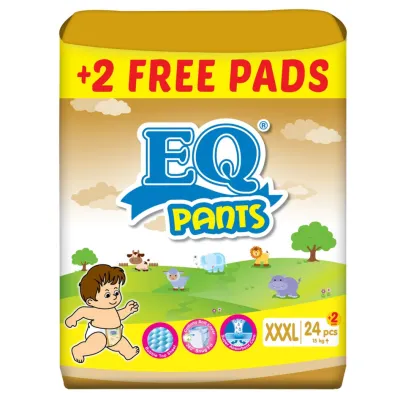
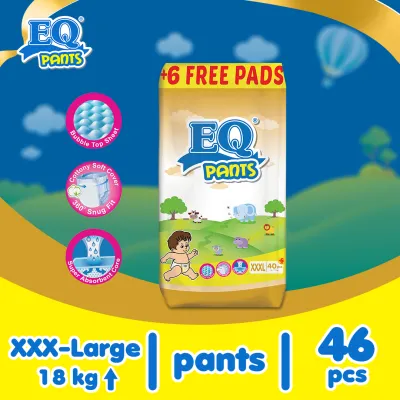
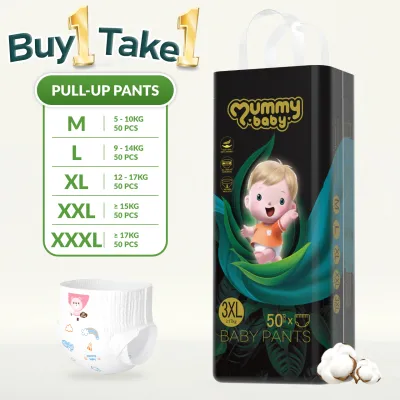
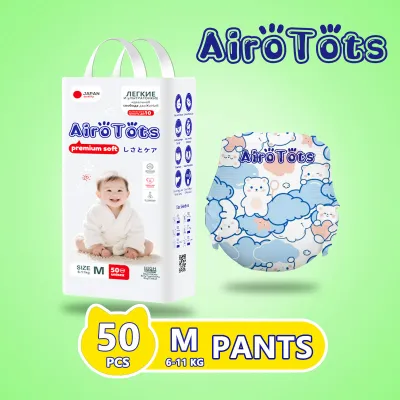
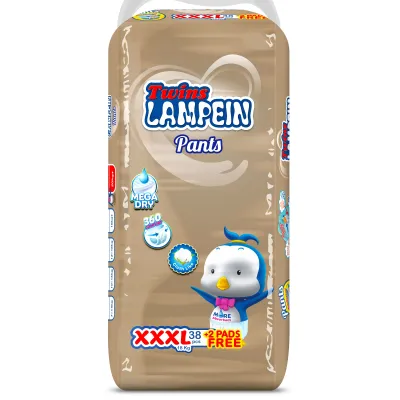
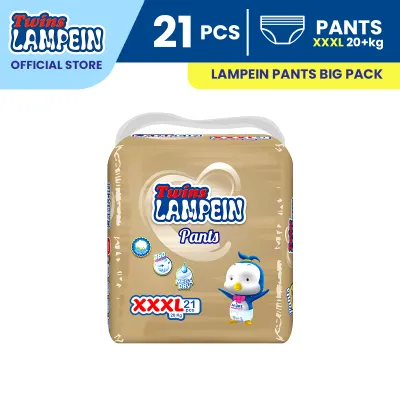
Prices are valid at publication and may change. Please refer to the product page for the latest price.
Physical fit signals are far more reliable indicators of whether your toddler has outgrown their current size. Look closely at your child’s skin when changing their diaper; deep red marks or indentations around the thighs or waist indicate that the elastics are under too much tension. Frequent leaks at the waistband, especially when your toddler is sitting down, or a diaper that constantly sags below the hips even when dry, are clear signs that the diaper’s rise is too short and a size upgrade to XXXL is necessary.
Furthermore, the physical dimensions of XXXL diapers can vary significantly across brands. Some manufacturers design their XXXL size to accommodate toddlers up to 25 kilograms, while others cap their range much lower. If your toddler has a rounder belly or thicker thighs, a brand with highly elasticized side panels will offer a more forgiving fit. Conversely, for taller, leaner toddlers, a diaper with a longer rise and narrower crotch width will prevent the material from bunching up and causing gaps near the legs.
Comparing Absorbency Structures and Leak Protection
To ensure reliable protection, especially during long overnight stretches, parents must inspect the physical absorbency structures of each diaper. When examining a dry diaper, run your fingers along the inner core to feel how the absorbent material is distributed. Some premium brands utilize advanced channel designs that distribute liquid evenly across the front and back, preventing the diaper from sagging in a single spot. Other budget-friendly options may use a traditional flat pulp pad, which works exceptionally well for quick absorption during the day but can bunch up once saturated.

Standing leg cuffs and double leak guards are your primary defense against side leaks and blowouts. When unfolding an XXXL diaper, check the height and elasticity of these inner barriers. They should stand upright naturally and feel soft to the touch. For active toddlers who spend their days running, climbing, and jumping, these double guards must hug the groin area snugly without binding. If the leg cuffs are too loose or lack sufficient elasticity, liquid will easily bypass the absorbent core during sudden movements.
While packaging labels often boast “12-hour dryness” or specific wetness indicators, these claims should be treated as manufacturer guidelines rather than absolute performance guarantees. Actual absorbency depends heavily on your toddler’s hydration levels, diet, and whether they are a heavy overnight wetter. Wetness indicators—lines that change color when wet—are highly convenient for quick checks, but they do not measure the remaining capacity of the core. For overnight use, look for diapers that explicitly feature a reinforced rear zone to capture liquid when your toddler sleeps on their back.
Evaluating Fit, Elasticity, and Skin Comfort
Toddlers are constantly on the move, making the elasticity of the waistband a crucial factor for both comfort and leak prevention. A high-quality XXXL diaper should feature a wide, highly stretchable waistband that moves dynamically with your toddler’s breathing and digestion. When evaluating a brand, gently pull the waistband to its maximum stretch; it should offer resistance without feeling stiff. A waistband that is too rigid can dig into a toddler’s abdomen, especially after meals, while one that is too loose will slide down under the weight of a wet diaper.
In hot and humid tropical environments, the breathability of the inner lining and outer cover is paramount. Trapped moisture and heat are the primary causes of diaper rash and prickly heat. Feel the inner sheet of the diaper to assess its softness; it should feel cloth-like rather than plastic-like. Micro-pores in the outer cover allow hot air to escape while keeping liquid contained, which is essential for maintaining healthy skin during afternoon naps. If a diaper feels stiff or crinkly when handled, it may lack the breathability required for sensitive toddler skin.
For toddlers prone to contact dermatitis, eczema, or heat rash, parents should carefully review the packaging for hypoallergenic properties. Many brands offer fragrance-free and lotion-free variants to minimize the risk of skin sensitization. While some parents prefer scented diapers to mask odors, added fragrances can sometimes trigger allergic reactions on compromised skin barriers. If your toddler frequently develops redness along the waistband or leg cuffs, switching to a fragrance-free, dermatologically tested option is a highly recommended step.
Assessing Value, Availability, and Local Alternatives
Managing a household budget requires looking beyond the initial price tag of a diaper pack and calculating the true cost per piece. To do this, divide the total price of the pack by the number of diapers inside (₱ Price / Diaper Count = Cost per Piece). Because XXXL diapers contain more raw materials, they naturally carry a higher cost per piece than smaller sizes. By calculating this metric, you can easily compare premium options like Pampers and Huggies against budget-friendly alternatives like Equator and Super Twins baby diaper in XXXL to see exactly how much you save per change.
Availability is another critical factor, as running out of diapers unexpectedly can cause significant stress. Premium brands like Pampers and Huggies are widely available in major supermarkets and department stores across the Philippines, often sold in large jumbo packs that offer a lower cost per piece. On the other hand, value-focused brands like Equator and local favorites like Super Twins are highly accessible in local grocery stores and wholesale markets, making them excellent, cost-effective options for daytime use when changes are more frequent.
When purchasing diapers in bulk from online marketplaces or ecommerce platforms, verifying seller authenticity is essential. Always look for official brand stores or authorized distributors to ensure you are receiving genuine products. Counterfeit diapers may look similar on the outside but often lack proper absorbent polymers, leading to immediate leaks and potential skin infections. Additionally, check the manufacturing or expiration dates printed on the packaging, as the elastic components and adhesive tapes in disposable diapers can degrade over several years of improper storage.
Decision Framework: Matching the Diaper to Your Toddler
To finalize your purchase decision, match the specific physical characteristics of your toddler and your daily routine to the strengths of each brand:
- Choose Pampers if your toddler is highly active, has a slimmer or average build, and requires a flexible, low-bulk diaper that allows for unrestricted movement during daytime play.
- Choose Huggies if your toddler has a sturdier build with thicker thighs, a larger waist, or if you require maximum containment and heavy-duty absorbency for uninterrupted overnight sleep.
- Choose Equator or Super Twins if your primary goal is managing a tight budget with high-volume daytime changes, and your toddler has standard body proportions without severe skin sensitivities.
Before committing to a large bulk purchase, always verify if your toddler has shown any signs of skin allergies to a specific brand’s materials. It is also wise to buy a single small pack first when transitioning to a new brand, as manufacturers occasionally update their sizing dimensions, materials, or core structures, which can alter how the diaper fits your child compared to previous batches.
Frequently Asked Questions (FAQ)
When should I switch my toddler from XXL to XXXL diapers?
You should transition your toddler to XXXL diapers when their weight consistently exceeds the upper limit of their current XXL size, or when you observe physical signs of poor fit. These signs include frequent leaks at the waist or legs despite proper application, the diaper sitting too low on the hips, and deep, red elastic marks left on your toddler’s thighs or tummy after wear. If you find yourself struggling to fasten tape diapers securely or if pull-up pants are difficult to slide over your toddler’s hips, it is time to upgrade to XXXL.
Can I use XXXL pull-up pants instead of tape diapers for potty training?
Yes, XXXL pull-up pants are highly effective tools for potty training as they mimic regular underwear, allowing toddlers to practice pulling them up and down independently. Functionally, pull-up pants offer similar absorbency levels to tape diapers, making them suitable for both daytime wear and naps. However, they tend to fit more snugly around the waist to stay secure without tapes, so you must ensure the waistband is soft and highly elastic to prevent chafing during active movement and toilet transitions.

Community discussion
Share your experience or ask a question. Comments are reviewed before publication.