
Finding the right XXL diaper for an active toddler in a warm, humid climate requires balancing physical fit, reliable containment, and daily household expenses. As toddlers grow, their increased mobility and larger liquid output demand a diaper that can keep up with constant running, climbing, and sleeping. While Pampers, Equator, and Huggies all offer XXL options, the best choice depends on your child’s unique body shape, skin sensitivity, and your family’s budget. By evaluating how each brand’s design handles active movement and heavy wetting, you can select a diaper that keeps your toddler comfortable and dry throughout the day and night.
Decoding the XXL Fit: Waistbands, Leg Cuffs, and Body Shape
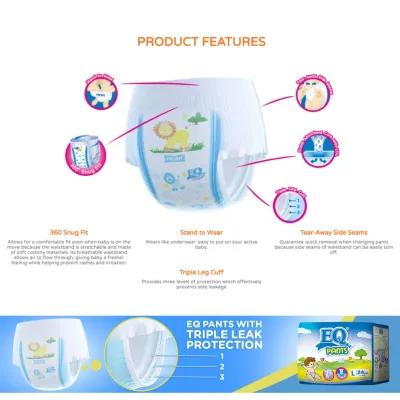
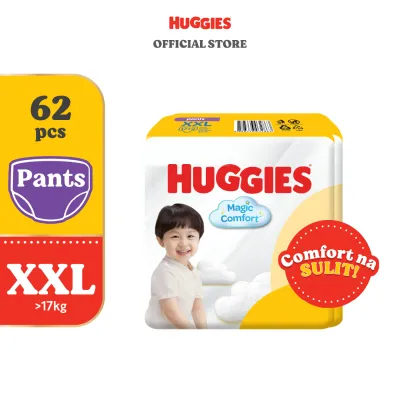
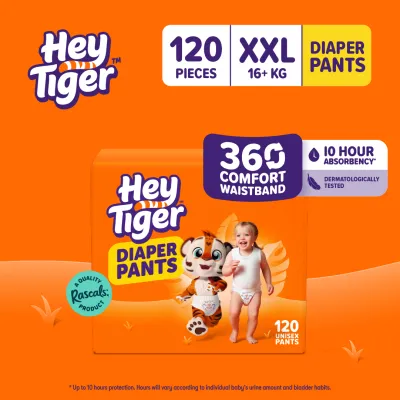
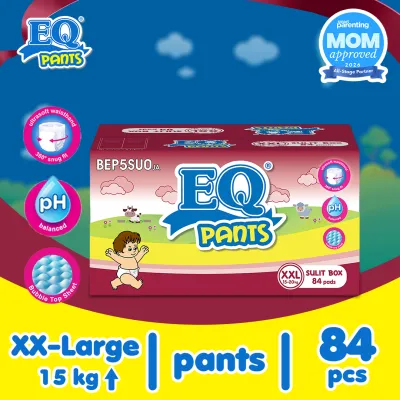
An XXL diaper must accommodate a toddler’s rapid physical development and constant movement, making the cut and elasticity of the waistband crucial. When examining Pampers, Equator, and Huggies XXL options, look closely at the waistband design printed on the packaging. Some brands utilize highly flexible, 360-degree stretchy waistbands that pull on like pants, which are ideal for toddlers who resist lying down during changes. Other designs rely on adjustable fastening tabs that allow you to customize the waist snugness for children with narrower waists or wider hips. The rise—how high the diaper sits on your toddler’s waist—also varies, with some cuts offering a higher back coverage to prevent leaks during active play.
Leg cuffs and double-barrier gussets serve as the primary defense against leaks around the thighs. When inspecting these features, check if the elastic lining is soft yet resilient enough to hug your toddler’s legs without pinching. A well-designed leg cuff should flare outward naturally to create a secure seal, especially when your toddler is running, climbing, or sleeping in tropical humidity. To verify this, run your finger along the inside of the leg elastic after putting the diaper on to ensure the outer guard is fully extended and not tucked inward.
Products mentioned in this guide
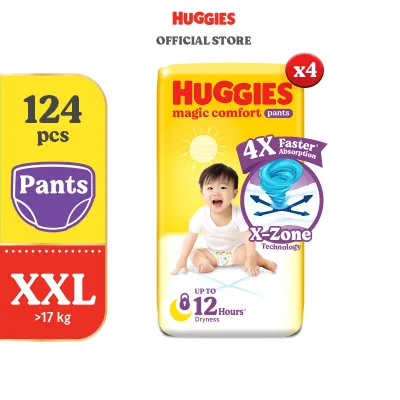
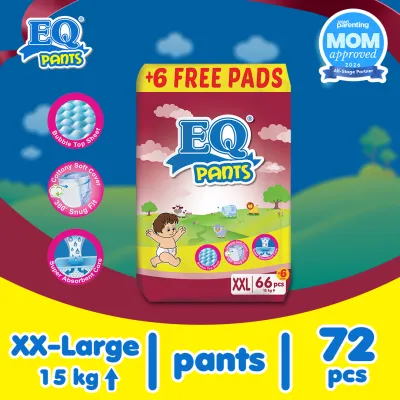
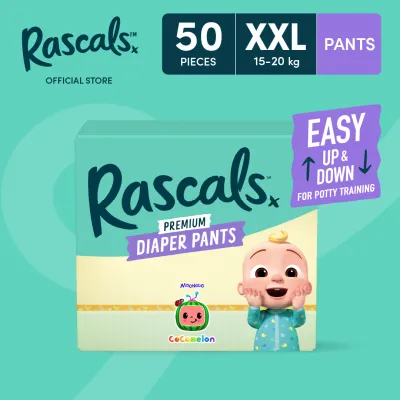
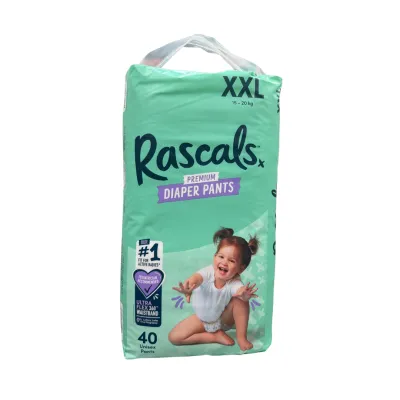
Prices are valid at publication and may change. Please refer to the product page for the latest price.
To ensure the correct fit, always refer to the manufacturer’s weight and size charts printed directly on the diaper packaging. Because sizing standards differ between brands, a toddler who fits comfortably in one brand’s XL might require an XXL in another. Weight ranges are guidelines, so you must also observe how the diaper sits on your child’s unique body shape. If your toddler is at the lower end of the XXL weight range but has chunky thighs, they may still need the larger size to prevent restriction.
Keep an eye out for physical signs of an improper fit during daily changes. Deep red marks or indentations on your toddler’s thighs, hips, or waist indicate that the elastic is too tight and the diaper is too small. Conversely, frequent sagging, gaping leg holes, or fastening tabs that overlap completely suggest that the diaper is too large, requiring a size adjustment to prevent leaks. If you can easily fit two fingers between the waistband and your toddler’s tummy, the waist fit is generally correct.
Absorbency and Skin Comfort: Managing Heavy Wetting
Managing heavy wetting in a tropical climate like the Philippines requires an absorbent core that quickly draws moisture away from the skin to prevent diaper rash. When comparing these brands, review the product labels for details on their absorbent core technology, such as specialized distribution channels or superabsorbent polymers. These channels help distribute liquid evenly throughout the diaper, preventing heavy pooling in a single spot. Many XXL diapers also feature an external wetness indicator line that changes color when wet, helping you monitor when a change is needed without opening the diaper.

Skin comfort is highly dependent on the breathability of the outer cover and the texture of the inner lining. Look for packaging claims highlighting breathable, micro-porous materials that allow heat and humidity to escape, which is essential for preventing heat rashes in warm weather. If your toddler has sensitive skin, verify if the packaging indicates hypoallergenic properties, lotion-free linings, or dermatologically tested materials to minimize friction and irritation. The inner lining should feel soft to the touch, reducing the risk of chafing during active movement.
Even with advanced absorbency claims, you should regularly monitor the diaper for signs of saturation. Heavy sagging, a cold or damp outer surface, or visible gel beads on your toddler’s skin are clear indicators that the diaper has reached its capacity. To maintain optimal skin health, establish a regular changing schedule—typically every three to four hours during the day, or immediately after bowel movements. Leaving a saturated diaper on for too long increases the risk of skin breakdown and bacterial growth.
If your toddler develops a persistent diaper rash that does not improve with frequent changes and barrier creams, do not rely solely on diaper brand adjustments. Consult a pediatrician or qualified healthcare professional to rule out yeast infections, allergic contact dermatitis, or other underlying skin conditions. A professional can provide targeted treatment and advise you on specific ingredients to avoid in baby wipes and diaper materials.
Price and Value: Calculating the Cost per Diaper
To manage your monthly household budget effectively, compare diaper costs by calculating the exact cost per piece rather than looking only at the total package price. You can determine this by dividing the retail price of the pack in ₱ by the total number of diapers inside. This simple calculation allows you to compare premium and budget-friendly options on an equal scale, revealing the true cost of daily use. Keep a small log of how many diapers your toddler uses daily to project your weekly and monthly expenses accurately.
While buying bulk boxes or mega-packs generally offers a lower cost per diaper, it is wise to purchase smaller packs when transitioning to a new brand or size. Testing a smaller quantity first allows you to evaluate how the diaper fits your toddler’s body and whether their skin tolerates the materials. This approach prevents the waste of money and storage space if the diaper causes irritation or leaks. Once you have confirmed that a specific brand works well, you can confidently invest in larger quantities.
To maximize your savings, look for promotional bundles, seasonal sales, and loyalty programs at local supermarkets or authorized online marketplaces. Many ecommerce platforms offer subscription services that provide a percentage discount on recurring deliveries, which can significantly lower your long-term expenses. Always verify that you are purchasing from official brand stores or authorized distributors to ensure product authenticity and quality, as counterfeit or improperly stored diapers can compromise safety and performance.
The Final Verdict: Choosing the Right Brand for Your Toddler
Selecting the ideal XXL diaper involves matching your toddler’s physical needs and daily routine with the specific design strengths of each brand. Because no single diaper fits every child perfectly, a conditional approach based on your primary priorities will guide you to the right choice.
Consider Pampers XXL if your toddler has a leaner build and benefits from a highly flexible, stretchy waistband that conforms closely to their movements. This brand is often suitable for parents who prioritize a soft, cloth-like inner lining texture designed to minimize friction during active daytime play. It is a strong candidate if your child prefers a lightweight feel that does not restrict their natural range of motion.
Opt for Equator XXL if your primary goal is finding a budget-friendly option for frequent daytime changes. This brand is highly practical for families looking to minimize daily expenses while maintaining basic absorbency during the hours when your toddler is changed most often. It serves as an excellent utility diaper for daytime wear when you can monitor and change your toddler frequently.
Select Huggies XXL if your toddler is highly active, prone to heavy wetting, or requires robust leak-guard structures around the legs. The secure fastening tabs and pocketed waistbands found in this design are particularly useful for containing active movement and preventing overnight leaks. It is well-suited for toddlers who sleep on their tummies or move extensively throughout the night.
Before making a final decision, always verify your toddler’s current skin sensitivity and unique body proportions. Keep in mind that manufacturing batches can occasionally vary, so if a previously reliable diaper suddenly fits differently or causes irritation, inspect the packaging for any updated design labels or consult the manufacturer’s customer service for guidance.
Frequently Asked Questions (FAQ)
When should I transition my toddler to XXL diapers?
You should transition your toddler to XXL diapers when you observe physical signs that the current XL size is too restrictive. Look for deep red marks around your toddler’s thighs or waist, frequent leaks or blowouts, or fastening tabs that struggle to reach the designated landing zone. Always cross-reference your toddler’s current weight with the weight range printed on the XXL packaging, keeping in mind that a taller or more active child may need to size up sooner than the weight guide suggests.
Can I mix different diaper brands for day and night use?
Yes, mixing diaper brands is a highly practical and cost-effective strategy for many families. You can use a budget-friendly brand for daytime hours when changes are frequent, and switch to a highly absorbent, premium brand for overnight sleep to ensure uninterrupted rest. When doing this, monitor your toddler’s skin closely for any signs of irritation, as switching between different inner lining materials can sometimes affect sensitive skin.
What should I do if the XXL diaper still leaks?
If your toddler’s XXL diaper continues to leak, first perform a quick physical check during application. Ensure the diaper is centered, the fastening tabs are secure and symmetrical, and the inner leg cuffs are pulled completely outward to form a proper seal. If the fit is correct but leaks persist, your toddler’s liquid output may simply exceed the diaper’s maximum capacity, indicating a need for more frequent changes or a transition to specialized overnight pants.
Community discussion
Share your experience or ask a question. Comments are reviewed before publication.