
Finding the right extra-large (XL) diaper for a growing toddler is a highly individualized process that depends on their unique body shape, movement level, and skin sensitivity. Because absorbency and fit vary significantly from child to child, there is no single universal winner among Pampers, Equator, and Huggies. Instead of relying on generalized marketing claims, parents must evaluate specific design features—such as waistband elasticity, leg cuff height, and core distribution—directly on the packaging and through real-world observation to determine which brand best prevents leaks and maintains comfort for their toddler.
In tropical climates like the Philippines, where high humidity and heat can exacerbate diaper rash and discomfort, finding the correct fit becomes even more critical. A diaper that is too tight can trap sweat and moisture against a toddler’s delicate skin, while a loose fit inevitably leads to messy leaks during active play. By understanding what to look for on the packaging and how to conduct a structured home trial, you can confidently select the diaper that matches your child’s physical build and your household budget.
Key Factors That Determine XL Diaper Fit and Absorbency
To make an informed choice, you must first understand the physical design elements that actually prevent leaks and ensure comfort for larger, more active toddlers. As children reach the toddler stage, their movements become more varied and vigorous, placing unique stresses on diaper fasteners and elastic bands.
Products mentioned in this guide
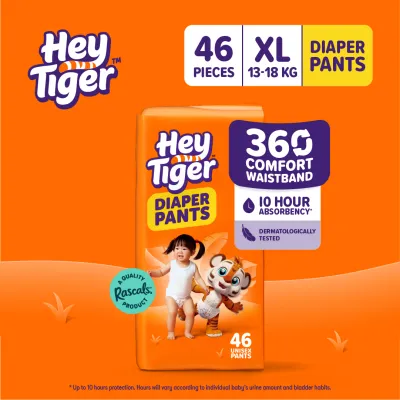
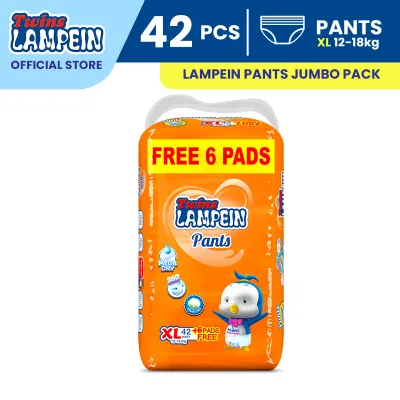
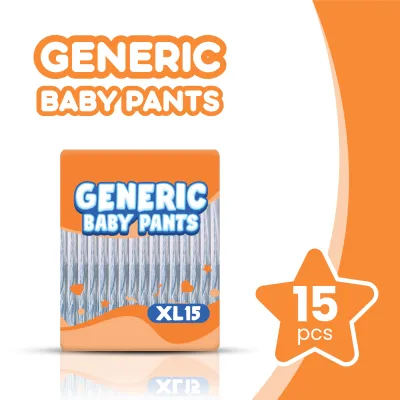
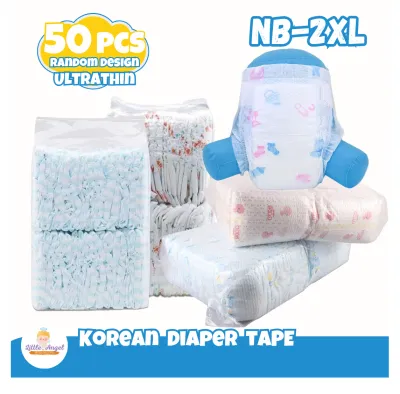
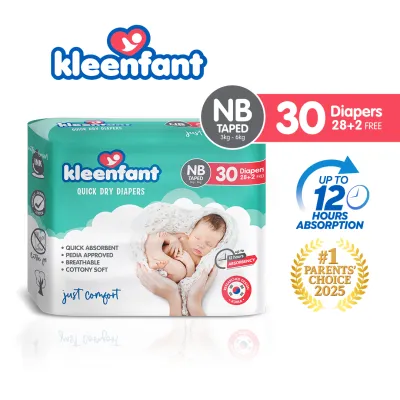
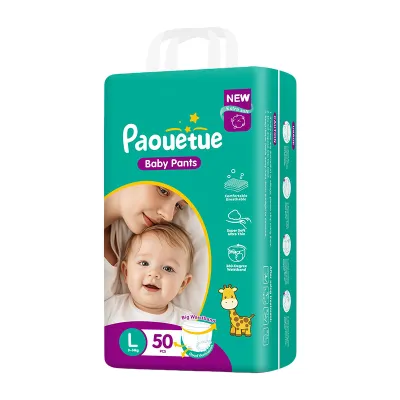
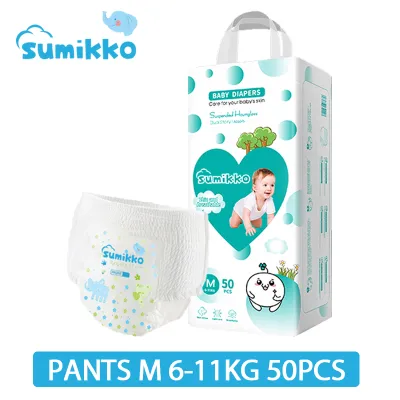
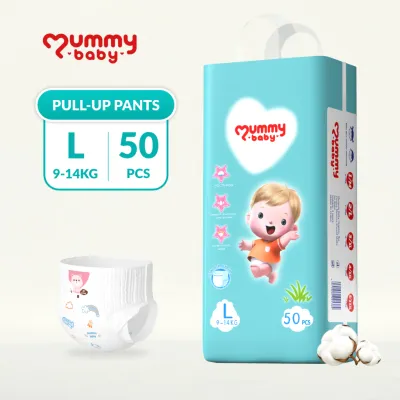
Prices are valid at publication and may change. Please refer to the product page for the latest price.
Waistband stretch and fastener placement are critical for accommodating active movement and thicker toddler builds. A high-quality waistband should stretch smoothly to fit snugly around the waist without digging into the skin or leaving red marks. The fasteners must be strong enough to stay secure during running, climbing, and bending, yet flexible enough to adjust as your toddler’s tummy expands after meals.
Leg cuff height and elasticity create the primary seal against side leaks, which are common when toddlers sit, crawl, or sleep on their sides. Double-layered leg gathers provide an extra barrier, but they must be gently pulled outward during diaper changes to function correctly. If the elastic is too weak, gaps will form; if it is too tight, it can restrict circulation and cause chafing in hot weather.
Core channeling and wetness indicators are essential for managing heavy saturation, particularly during overnight use. Channels help distribute liquid evenly throughout the absorbent core, preventing the diaper from sagging heavily in one spot. Wetness indicators, which change color when wet, allow you to monitor saturation levels at a glance without constantly opening the diaper and disrupting your child’s play or sleep.
Evaluating Pampers XL Diapers for Toddlers
When evaluating Pampers XL diapers, the first step is to check the manufacturer’s stated weight range and sizing chart printed on the packaging. Because sizing standards can vary between different product lines within the same brand, verifying the specific weight limits ensures you do not accidentally purchase a variant that is too small or too large for your toddler’s current growth stage.

During active play, closely observe the waistband material and fastener flexibility. You want to ensure that the side panels stretch comfortably as your toddler moves and do not cause friction or dig into the skin. If you notice the fasteners straining or popping open during normal movement, it may be an indication that the diaper’s cut is too narrow for your child’s build.
Additionally, note the absorbent core layout and the visibility of the wetness indicator lines. Pampers diapers often feature specific core designs intended to distribute moisture quickly. By observing how the core swells when wet, you can determine if the liquid is spreading evenly or pooling in one area, which can help you track saturation levels and time your changes before leaks occur.
Evaluating Equator XL Diapers for Toddlers
To assess Equator XL diapers, begin by verifying the exact weight limits and physical dimensions printed on the box before making a purchase. Checking these specifications helps you compare the physical cut of the diaper against your toddler’s current measurements, as some brands run smaller or larger than the industry average.
Inspect the leg gather design and backsheet breathability claims to ensure they match your toddler’s skin needs, especially in warm, humid conditions. A breathable outer cover allows heat and moisture vapor to escape, reducing the risk of sweat rash. Examine the height of the inner leg cuffs to ensure they are tall enough to contain liquid during sudden, heavy wetting.
Monitor how the diaper handles heavy saturation during daily use, paying close attention to whether the core clumps, shifts, or stays flat. A core that clumps or breaks apart when wet can cause discomfort and uneven wetness distribution, leading to premature leaks. Observing the diaper’s structural integrity when fully saturated will give you a clear indication of its daytime performance.
Evaluating Huggies XL Diapers for Toddlers
When considering Huggies XL diapers, review the manufacturer’s sizing guide and specific weight thresholds for the exact product line you are purchasing. Sizing can differ between daytime and overnight variants, so matching your toddler’s weight to the specific package guidelines is crucial for achieving a secure fit.
Examine the waistband design, paying particular attention to any pocketed features or elastic bands at the back. A pocketed waistband is designed to trap runny messes and prevent back blowouts, which is highly beneficial for active toddlers who are still transitioning to solid foods. Ensure the waistband provides a snug, gap-free fit against the lower back.
Finally, assess the thickness of the core and how it affects your toddler’s mobility and the fit of their clothing. A thicker core may offer high absorbency but can sometimes restrict movement or make clothing fit tightly around the hips. Observe whether your toddler can walk, run, and sit comfortably without the diaper bunching awkwardly between their thighs.
Side-by-Side Feature Checklist for Parents
To make an objective decision, you can use a structured checklist to compare Pampers, Equator, and Huggies based on observable traits and packaging details rather than unverified marketing claims. Conducting a systematic comparison helps remove guesswork from the selection process.
For packaging verification, compare the weight ranges, total piece count, and calculate the exact unit price (in ₱) for each brand. This allows you to understand the true cost per diaper, which is essential for long-term budgeting. Keep in mind that a lower price per pack does not always mean better value if you have to change the diaper more frequently.
For physical inspection, test the stretchiness of the side panels, the softness of the inner lining, and the height of the leg cuffs with your fingers. A softer lining reduces the risk of friction-induced irritation, while taller leg cuffs provide a more reliable barrier against leaks.
For performance tracking, log leak frequency, skin redness, and core sagging over a 3-day trial period for each brand. Use a simple notebook or digital log to record when leaks occur, whether any red marks appear on your toddler’s skin, and how heavily the diaper sags when wet. This real-world data will clearly point to the brand that works best for your child’s body shape.
How to Decide Which XL Diaper Fits Your Toddler Best
Choosing the right diaper involves matching a brand’s specific design strengths to your toddler’s physical needs and your household budget. Because every child’s body is shaped differently, a diaper that works perfectly for one toddler may leak constantly on another.
Consider choosing Pampers if your primary goal is a specific core channeling design that distributes wetness evenly and you rely on highly visible wetness indicators for quick overnight checks. This design is often suitable for toddlers who sleep for long stretches and require a diaper that keeps moisture away from the skin surface.
Consider choosing Equator if you are looking for a cost-effective option (be sure to verify the ₱ per piece on the packaging) for frequent daytime changes. This is a practical choice for active daytime hours when you plan to change the diaper often, reducing the need for heavy-duty overnight absorbency.
Consider choosing Huggies if your toddler has a thicker, sturdier build and requires a highly stretchy waistband or a pocketed back design to prevent blowouts. The elastic back design is particularly helpful for containing messes during active physical play and sitting.
Regardless of the brand you choose, always verify first if your toddler has known skin sensitivities by checking the material list printed on the box. If you notice persistent skin irritation, redness, or diaper rash that does not improve with frequent changes, stop using the brand immediately and consult a pediatrician for professional medical advice.
Frequently Asked Questions (FAQ)
When should I transition my toddler from L to XL diapers?
You should transition your toddler to XL diapers when you observe physical signs that the current Large size is too small. Look for persistent red marks around your toddler’s waist or thighs, frequent side leaks despite proper diaper placement, and fasteners that struggle to close securely near the center of the waistband. If the diaper’s rise is too low, leaving the belly button uncovered, or if the absorbent core does not cover the entire wetness zone, it is time to upgrade to the next size.
Does a higher price per piece guarantee better absorbency?
No, a higher price per piece does not guarantee better absorbency for your specific child. Diaper pricing often reflects brand positioning, marketing, or added features such as wetness indicators, wetness-distribution channels, and premium outer materials. Actual absorbency and leak prevention depend heavily on the density of the absorbent core, a proper physical fit that matches your toddler’s body shape, and timely diaper changes. A well-fitting, moderately priced diaper will often perform better than an expensive, poorly fitting one.

Community discussion
Share your experience or ask a question. Comments are reviewed before publication.