
Quick Answer: Which XL Diaper Pants Offer the Best Value?
Finding the right extra-large (XL) diaper pants for an active toddler in the Philippines involves balancing performance, comfort, and household expenses. There is no single brand that serves as a universal winner for every family. Instead, the best value depends entirely on your daily routine, your budget, and your child’s unique physical build.
Generally, Pampers is positioned as a premium option focusing on high absorbency and moisture distribution, making it a frequent choice for overnight wear. Equator serves as a highly budget-friendly alternative, prioritizing everyday affordability and straightforward utility for frequent daytime changes. Huggies focuses heavily on ergonomic fit, flexibility, and secure waistbands designed for highly active toddlers. Because manufacturers regularly update their packaging, pack counts, and material designs, you should always check the current per-piece cost and product labels before making a bulk purchase.
Comparing Absorbency and Leak Protection
As toddlers grow into the XL size range, their urine volume increases significantly. This makes absorbency and leak protection the primary factors in preventing messy cleanups and keeping your child comfortable in our warm, humid tropical climate. When comparing Pampers, Equator, and Huggies, you must look beyond marketing claims and evaluate specific design features on the packaging.
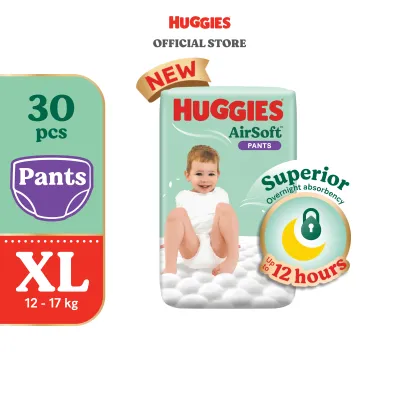
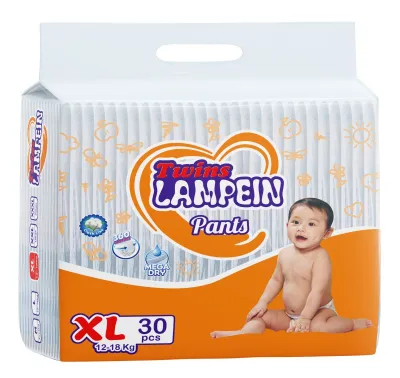
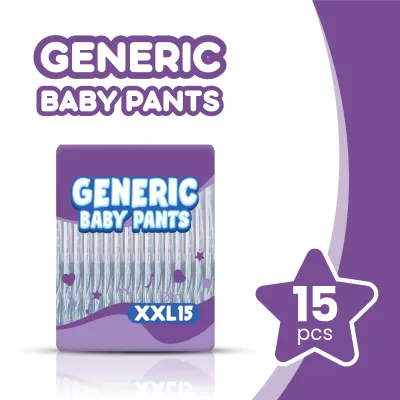
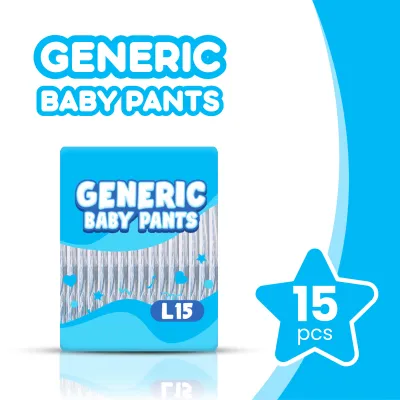
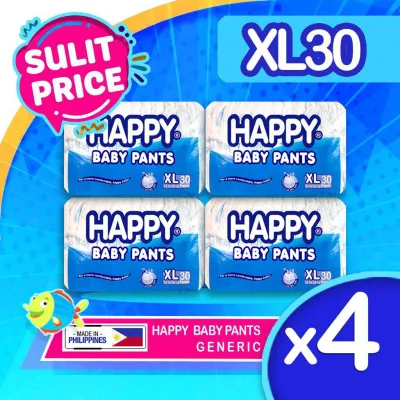
Products mentioned in this guide
![[BUNDLE SAVER] 2-Pack Happy Baby Pants Diapers XL Generic (60 pieces)](https://img.lazcdn.com/g/ff/kf/S4566ec3545d348dcae717870829b281cH.jpg_400x400q80.jpg_.webp)
Prices are valid at publication and may change. Please refer to the product page for the latest price.

Start by examining the core construction of the diaper pants. High-quality diaper pants often feature specialized core channel designs that distribute liquid evenly across the absorbent zone rather than letting it pool in one spot. Look for packaging indicators that mention multi-layer distribution systems or absorbent gel technology. A wetness indicator—typically a line that changes color when wet—is also a highly practical feature to look for, as it helps you monitor wetness levels without tearing or pulling down the diaper.
Real-world observation is the most reliable way to test absorbency in your home. After your toddler wears a diaper for several hours, check for sagging or heavy pooling between the legs. A diaper that sags excessively when only partially wet can restrict your toddler’s movement and cause the leg cuffs to pull away from the skin, leading to leaks. Pay close attention to morning wake-ups; if you consistently notice damp pajamas or bedding after overnight use, the diaper’s core may not be handling the volume, or the liquid distribution may be failing.
For XL sizes, the leg cuff barriers are just as critical as the absorbent core. Active toddlers crawl, climb, and run, putting constant pressure on the leg openings. Look for double-layered elastic leg gathers that stand upright when the diaper is opened. These barriers act as a physical dam against sudden, high-volume wetness. If you observe frequent leaks around the thighs despite the core being dry, the leg cuffs may be too loose, or the elastic may have lost its tension.
Evaluating Fit, Comfort, and Skin Sensitivity
A diaper can have excellent absorbency, but if it does not fit well or causes skin irritation, it offers poor value. In the Philippines, high humidity and heat can exacerbate diaper rash, making breathability and fit essential considerations for your toddler’s comfort.
Begin your evaluation by checking the waistband elasticity and the overall softness of the materials. The waistband of a diaper pant should stretch easily to accommodate a toddler’s expanding belly after meals, yet retract securely to prevent the pants from slipping down during play. Feel the inner lining and the outer cover of each brand. Materials that feel stiff or paper-like can rub against active legs, causing friction and discomfort. Look for brands that highlight breathable outer covers, which allow hot air and moisture to escape, helping to keep the skin dry.
To assess the fit on your toddler, look for physical signs of pressure or friction. When you change your toddler, inspect the waistline and the inner thighs for red marks or deep elastic indentations. These marks indicate that the elastic is too tight, the cut is too narrow, or your toddler is ready to transition to a larger size or a different brand with a more generous cut. A well-fitting XL diaper pant should sit comfortably above the hips without digging into the skin or leaving gaps around the legs.
Skin sensitivity is highly individual, meaning a diaper that works perfectly for one child might cause a reaction in another. Carefully read the ingredient and material labels on the packaging. Some brands include mild lotions, botanical extracts, or light fragrances to control odors, while others focus on fragrance-free, elemental chlorine-free, or dermatologically tested materials. If your toddler has sensitive skin or a history of eczema, prioritize fragrance-free options and monitor their skin closely during the first few days of using any new brand.
Assessing Price and Overall Value
To find the true value of XL diaper pants, you must look past the retail price of the package. Large bags of diapers can vary wildly in pack counts, making direct price comparisons misleading. Instead, you should calculate the cost per piece to understand exactly what you are paying for each diaper change.
The formula is simple: divide the total price of the diaper pack by the number of diapers inside. For example, if a pack costs ₱600 and contains 40 XL diaper pants, the cost per piece is ₱15. Keep a running log of these per-piece costs when shopping at local supermarkets, wholesale clubs, or official brand stores on online marketplaces. E-commerce platforms often offer bulk bundles, subscription discounts, or seasonal vouchers that can significantly lower the per-piece cost compared to buying single packs at a convenience store.
However, a lower per-piece cost does not always translate to better overall value. You must consider the diaper’s performance in relation to your daily routine. If a highly budget-friendly brand like Equator costs less per piece but requires changing every two hours to prevent leaks, you will use more diapers throughout the day. Conversely, if a premium brand like Pampers or Huggies costs more per piece but keeps your toddler dry for longer stretches or overnight, you may end up using fewer diapers overall.
Consider your household budget and daily schedule. If your toddler is at home and can be changed immediately upon wetting, a budget-friendly diaper with a lower per-piece cost is highly efficient for daytime use. If your toddler is attending daycare, traveling, or sleeping through the night, investing in a diaper with a higher per-piece cost but superior holding capacity can save you money on laundry, sheet changes, and skin rash treatments.
Decision Framework: Choosing the Right XL Diaper Pants
To simplify your purchasing decision, use this structured framework to match each brand’s typical characteristics with your family’s specific needs.
Choose Pampers XL Diaper Pants if:
- Your primary goal is reliable overnight dryness and you want to minimize middle-of-the-night diaper changes.
- You prefer a diaper with a thin, lightweight profile that does not bulk up excessively under your toddler's clothing.
- You value advanced moisture-distribution channels to keep wetness away from your toddler's skin during long naps.
Choose Equator XL Diaper Pants if:
- You are looking for a highly economical option for daytime wear when you can change your toddler frequently.
- You want to minimize your upfront household expenses on disposable baby products.
- Your toddler has predictable bathroom habits and does not require heavy-duty overnight absorbency.
Choose Huggies XL Diaper Pants if:
- Your toddler is extremely active, climbing, running, and jumping, requiring a highly secure and flexible waistband.
- You want a soft, cloth-like feel with robust leg gathers to prevent blowout leaks during active play.
- You prefer a brand that emphasizes ergonomic fit and body-conforming elastic designs.
Verify first if:
- Your toddler has highly sensitive skin or known allergies; always check the packaging for fragrance-free, hypoallergenic, or lotion-free labels.
- Your toddler has unique body proportions, such as chunky thighs or a very slim waist, which may require trying different brands to find the right cut.
- You are planning to buy in bulk; always purchase a single, small pack first to test the fit and skin compatibility before investing in a large box.
Frequently Asked Questions (FAQ)
When should I switch my toddler to XL diaper pants?
You should use the manufacturer’s weight guidelines printed on the diaper packaging as your primary starting point. However, physical signs are often more accurate indicators than weight alone. If you notice persistent red marks around your toddler’s waist or thighs, experience frequent leaks despite proper application, or find it difficult to pull the diaper pants up over their hips, it is time to transition to an XL size. A diaper that is too small will restrict movement and have insufficient absorbent material to handle your growing toddler’s urine volume.
Can I mix different diaper brands for day and night use?
Yes, mixing diaper brands is an excellent, cost-effective strategy used by many parents in the Philippines. You can use a highly budget-friendly brand for daytime hours when you are able to change your toddler frequently, and switch to a premium, high-absorbency brand for overnight sleep or long outings. This approach helps stretch your household budget while ensuring your toddler remains dry and comfortable when leak protection is most critical. Keep track of your inventory to ensure you do not run out of your designated overnight diapers.

Community discussion
Share your experience or ask a question. Comments are reviewed before publication.