
Finding the driest extra-large (XL) diaper for your baby in the tropical climate of the Philippines is less about finding a universal winner and more about matching a diaper’s specific cut to your child’s unique body shape. Pampers, Equator, and Huggies each design their XL diapers with distinct structural philosophies. A diaper that keeps one active toddler completely dry might leak on another due to differences in thigh circumference, waist height, or sleeping positions. To avoid wasting money on bulk packs, parents must look past marketing buzzwords and evaluate how these physical designs interact with their baby’s movement patterns and skin sensitivity under humid conditions.
Absorption and leak protection rely heavily on physical fit and sizing rather than marketing claims. Even the most advanced absorbent core will fail if there is a gap along the leg cuff or if the waistband sits too low on the hips. When comparing these brands, you are evaluating how their specific shapes conform to your baby’s body during play and sleep.
Before committing to a bulk purchase, parents should verify physical features and weight limits on the actual packaging. Manufacturers frequently update their product lines, meaning that absorption technologies and sizing cuts can change without notice. Checking the physical package ensures you have the most up-to-date specifications for your baby’s safety and comfort.
Products mentioned in this guide
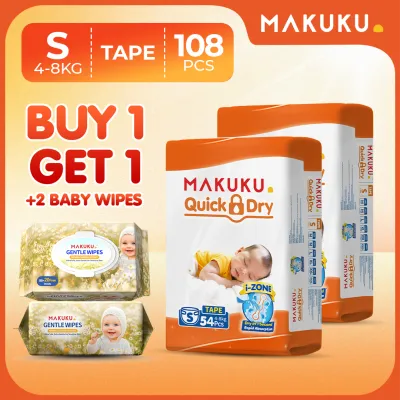
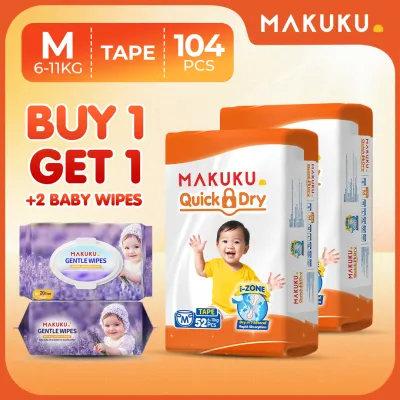
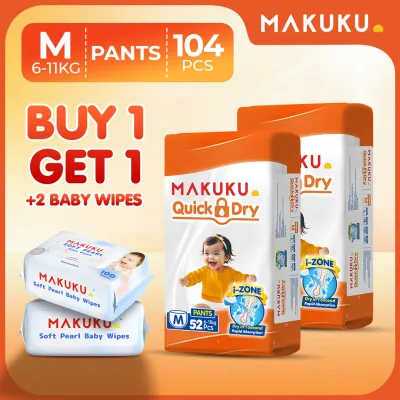
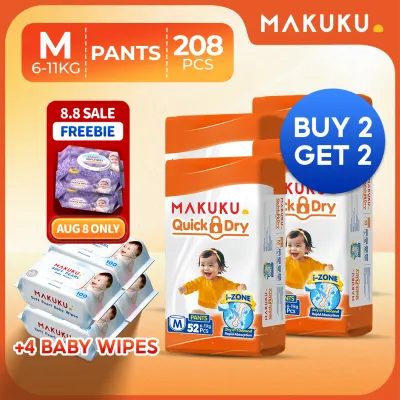
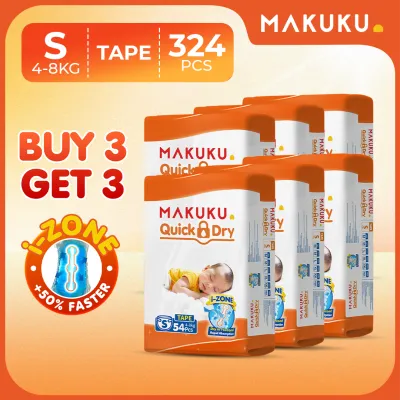
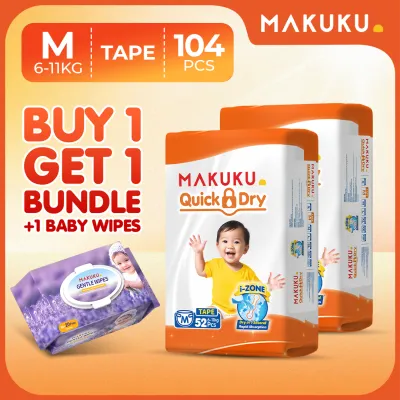
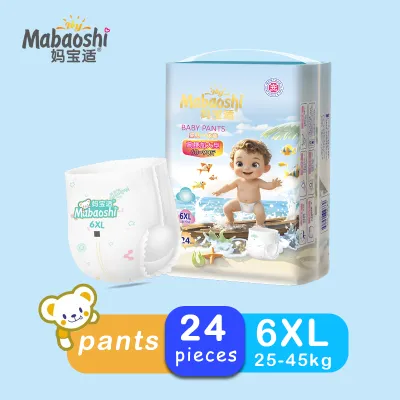
Prices are valid at publication and may change. Please refer to the product page for the latest price.
Comparing Absorption and Leak Protection Features
To understand how Pampers, Equator, and Huggies XL diapers manage wetness, you must look closely at their absorbent core designs. Modern disposable diapers utilize superabsorbent polymers (SAP) mixed with wood pulp or structured into channels to lock away moisture. When examining a diaper’s packaging, look for indicators of structured distribution channels. These channels help spread liquid evenly throughout the core, preventing the diaper from sagging and clumping in one spot. In hot, humid weather, a diaper that distributes wetness efficiently keeps the surface material drier against your baby’s skin, which is crucial for preventing heat rash and irritation.
Leak guard construction serves as the primary defense against blowout leaks around the legs. A high-quality XL diaper typically features double-layered elastic barriers that hug the thighs. When comparing these diapers physically, gently stretch the leg cuffs to assess their elasticity and softness. The inner barrier should stand upright to catch liquid, while the outer cuff should lay flat against the thigh without digging in. If the elastic is too loose, liquid will bypass the core; if it is too tight, it can cause chafing and skin irritation.
Surface material and indicators contribute significantly to perceived dryness and ease of monitoring. Textured or embossed top sheets help channel runny stools away from the skin and minimize the contact area. Wetness indicators—typically a line that changes color from yellow to blue—are highly convenient for quick visual checks, especially during busy days or outings. However, parents should verify if this feature is present on the specific sub-line of the brand they are purchasing, as some budget-friendly or bulk packaging options omit it.
Sizing and Fit: Preventing Leaks Through Proper Proportions
XL diapers generally cater to toddlers transitioning into active walking and running, but the exact weight limits vary by brand. Always consult the weight chart printed on the side of the packaging. A baby who weighs 12 kilograms might fit comfortably in one brand’s XL but find another brand’s XL too loose or too tight, as weight distribution varies wildly between babies of the same weight.

Toddlers with chunkier thighs often require wider leg openings and more generous elastic gathers to prevent red marks. Conversely, taller babies with longer torsos need a diaper with a higher waistband to prevent leaks from the back, especially when lying down. Pampers, Equator, and Huggies use slightly different cutting patterns; some favor a snug, athletic fit, while others offer a wider, more relaxed cut.
Leaks are rarely caused by a failure of the absorbent material itself; more often, they indicate a mismatch in fit. If you notice deep red marks around your baby’s thighs or waist, the diaper is too small or the cut is too restrictive. Gaping holes around the legs when your baby crawls or walks, or frequent leaks occurring shortly after urination, suggest the diaper is too large or the elastic has lost its tension.
Verifiable Specifications Checklist
Because manufacturers frequently update their product lines, use this table as a template to verify the exact specifications printed on the packaging before purchasing. This checklist helps you compare the physical attributes of each brand’s XL diaper side-by-side.
| Feature | Pampers XL | Equator XL | Huggies XL |
|---|---|---|---|
| Official Weight Range | Verify on packaging (typically 12–17 kg) | Verify on packaging (typically 12–17 kg) | Verify on packaging (typically 12–17 kg) |
| Wetness Indicator | Check package for presence | Check package for presence | Check package for presence |
| Core Technology | Channel-based distribution | Absorbent core design | Channel-based distribution |
| Leg Cuff Style | Double-barrier elastic | Double-barrier elastic | Double-barrier elastic |
Use this table as a practical checklist when examining products in-store or reviewing product images online. Checking these details beforehand prevents purchasing a large pack that does not align with your baby’s current developmental stage.
Calculating True Value and Cost Per Diaper
Because retail prices, pack sizes, and promotions fluctuate frequently, parents should calculate the cost per piece to make accurate financial comparisons. To find the true cost of each diaper, use this simple formula:
$$\text{Cost per Piece} = \frac{\text{Total Pack Price (₱)}}{\text{Number of Diapers in Pack}}$$
For example, if a pack of XL diapers costs ₱600 and contains 40 pieces, the cost per diaper is ₱15.00. Standardizing the cost this way allows you to compare different pack sizes and bundle offers objectively.
Upfront cost is only one part of the value equation. A cheaper diaper that leaks consistently ends up costing more due to the increased frequency of changes, extra laundry cycles, and potential skin treatments for diaper rash. If a slightly more expensive diaper keeps your baby dry through the night, it may offer better overall value by reducing diaper consumption and improving sleep quality.
To find the best deals, check for current promotions, bulk discounts, or subscription offers on official brand stores and reputable online marketplaces. Avoid purchasing from unverified sellers to ensure you receive genuine products that meet safety standards.
Decision Framework: Choosing the Right Brand for Your Baby
Selecting the right diaper involves balancing your baby’s physical needs with your household budget. Use this condition-based guide to help determine which brand’s design philosophy aligns with your priorities:
- Choose Pampers XL if your baby has a long, lean torso and you prefer a diaper with highly defined wetness distribution channels that prevent sagging during active play.
- Choose Equator XL if you are looking for a balanced design that prioritizes cost-effectiveness per piece while maintaining standard double-barrier leg cuffs for daily wear.
- Choose Huggies XL if your baby is highly active, has chunkier thighs, and benefits from a wide, stretchy waistband that moves with them to prevent back leaks.
Before making a final decision, verify if your baby is currently between sizes or has highly sensitive skin. If your baby has experienced skin irritation in the past, check the packaging for fragrance-free, hypoallergenic, or breathable material certifications. If severe diaper rash persists regardless of the brand used, stop use immediately and consult a qualified pediatrician.
How to Test Fit and Performance at Home
Before committing to a large inventory of a new diaper brand, conduct a simple home test to verify the fit and performance. Start by applying the safe “two-finger” rule. Slide two fingers easily between the diaper’s waistband and your baby’s tummy; if it feels tight or leaves an imprint, the diaper is too small. Do the same around the leg cuffs to ensure a snug but comfortable seal that does not restrict circulation.
Next, conduct a controlled overnight or heavy-wetting test. Put a fresh diaper on your baby right before bedtime and observe how well it holds overnight. In the morning, check for any dampness on the pajamas, inspect the baby’s skin for redness or wetness, and note if the core absorbed the liquid evenly without clumping.
If you are also exploring other popular regional options, such as a Makuki diaper XL, apply these exact same fit, sizing, and leak-check criteria. Testing a small pack first ensures that whatever brand you choose keeps your baby dry, comfortable, and rash-free.
Frequently Asked Questions (FAQ)
When is the right time to transition my baby to XL diapers?
The right time to transition to XL diapers is when your baby’s current diaper size consistently leaks or leaves deep red marks on their skin. Check your baby’s actual measured weight against the weight range printed on your current diaper packaging; if they are within two kilograms of the upper limit, it is often time to size up. Physical signs like a waistband that sits too low on the hips or tape tabs that strain to close also indicate a need for a larger size. Sizing up is often the most effective first solution to sudden leak issues before assuming a brand is defective.

Community discussion
Share your experience or ask a question. Comments are reviewed before publication.