
Choosing the right diaper pants for your growing baby is a balancing act between performance, comfort, and household budget. In the Philippines, where the tropical climate introduces high humidity and heat, diaper performance is put to an ultimate test. Finding the “best value” diaper pants in the Large size category does not mean simply buying the cheapest pack on the shelf. Instead, true value depends on your baby’s daily routine, skin sensitivity, and how you manage daytime versus nighttime diapering.
Pampers, Huggies, and Equator (commonly known as EQ) each occupy distinct positions in the market. Pampers is widely recognized for its high-capacity overnight absorbency and slim profiles. Huggies is favored for its secure, ergonomic fit designed for highly active babies who are crawling or walking. Equator serves as a highly popular, budget-friendly powerhouse that offers excellent utility for daytime use.
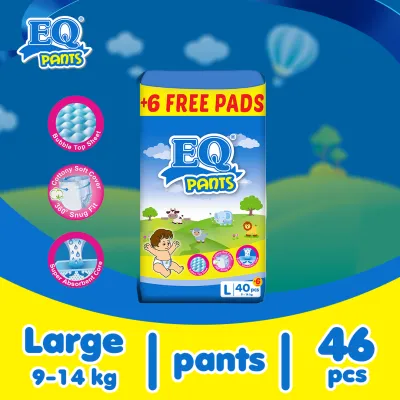
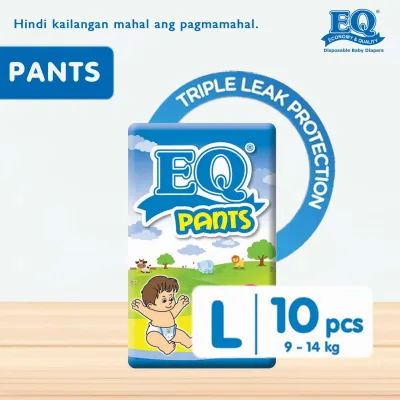
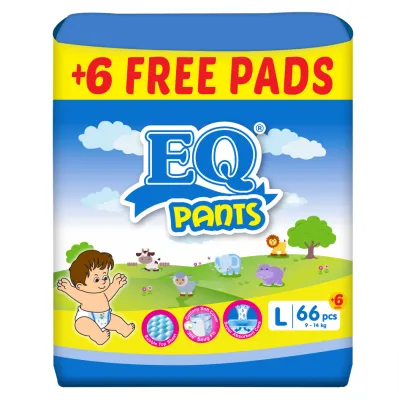
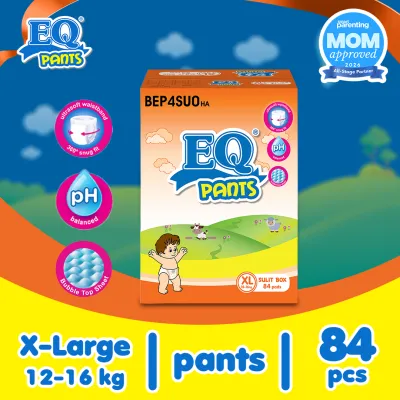
For cost-conscious parents, looking out for an eq pants large sale on major e-commerce platforms can dramatically lower your cost per piece. By understanding the unique strengths of each brand, you can strategically combine them to keep your baby dry and comfortable without overstretching your budget.
Products mentioned in this guide
Prices are valid at publication and may change. Please refer to the product page for the latest price.
How to Calculate True Value During an EQ Pants Large Sale
To find the most economical diapering setup, you must look past the upfront price of a diaper package and calculate the Price Per Piece (PPP). This simple calculation is performed by dividing the total cost of the pack by the number of individual diaper pants inside. For example, a pack priced at ₱450 containing 36 diaper pants yields a unit cost of ₱12.50 per piece. Comparing diaper options using this metric prevents you from being misled by different packaging sizes, such as travel packs, standard bags, or mega-pack boxes.
Evaluating bulk boxes against smaller trial packs requires a long-term view of your baby’s growth rate. While bulk boxes almost always offer a lower price per piece, babies can outgrow their current size rapidly. Buying too many Large-size diapers at once carries the risk that your baby will transition to Extra-Large before you finish the supply. For this reason, it is wise to purchase smaller trial packs first when testing a new brand’s fit, and then commit to bulk purchases once you are certain of the sizing.
Online shopping festivals, monthly double-day promotions, and flash discounts present excellent opportunities to stock up. When navigating an eq pants large sale or similar brand events on online marketplaces, always calculate the final checkout price after applying shipping vouchers and store coupons. Divide this final, actual cost by the total quantity of diapers to see if the discount is genuinely superior to your local supermarket’s everyday pricing.
In the humid climate of the Philippines, proper storage of bulk diaper purchases is critical to maintaining their performance. High humidity can degrade the elastic waistbands, weaken the side-seam adhesives, and even cause the wetness indicators to change color prematurely. Always check the manufacturing and expiration dates printed on the packaging before buying. Store your bulk supply in a cool, dry area of your home, keeping the diapers sealed in their original plastic packaging or inside airtight plastic containers to protect them from moisture and dust.
Absorbency and Leak Protection: What to Expect from Each Brand
Diaper pants rely on a combination of Superabsorbent Polymer (SAP) and fluff pulp to draw moisture away from your baby’s skin. Because laboratory test results vary across different product lines and batches, parents should evaluate absorbency claims by looking at the specific core construction and leak-guard features detailed on the packaging.

Pampers
Pampers diaper pants typically focus on rapid-dry technology and uniform liquid distribution. Their absorbent cores are designed with specialized channels that distribute wetness evenly across the diaper, preventing the core from sagging or clumping between the baby’s legs. This design helps keep the surface layer dry against the skin, which is crucial for preventing diaper rash during long sleep cycles.
Most Pampers lines include a highly visible wetness indicator—a color-changing line on the outer cover that turns from yellow to blue when wet. Caregivers should monitor this indicator during use to determine when a change is necessary without having to tear open the sides. When shopping, check the packaging carefully to distinguish between everyday lines and premium variants designed specifically for overnight use, as overnight options contain a higher concentration of SAP to handle multiple wettings.
Equator
Equator diaper pants are engineered as a highly practical, cost-effective option for everyday daytime use. The brand focuses on delivering reliable core absorbency that handles regular wetting efficiently. Because they are priced lower per piece, they are ideal for parents who prefer to change diapers frequently during the day to maintain hygiene in hot weather.
For heavy wetters or long overnight stretches, parents should look at verified user reviews on online marketplaces to see how the specific product line performs under extended use. To prevent leaks when using these budget-friendly pants, it is best to establish a routine of more frequent daytime changes, rather than pushing the diaper to its maximum liquid capacity.
Huggies
Huggies diaper pants are designed with a heavy emphasis on dynamic leak protection for active babies. Their absorbency system is paired with robust physical barriers, including specialized inner leg cuffs and pocketed waistbands. These features work together to trap liquid quickly and prevent liquid feces from escaping through the back or sides.
When applying Huggies pants, caregivers should check that the inner leg cuffs are fully deployed. Run your finger around the inside of the elastic leg openings to ensure the double-layered barriers are flared outward rather than folded inward. This simple adjustment maximizes the diaper’s built-in leak-guard engineering and prevents side leakage during active play.
Fit, Comfort, and Sizing: Navigating "Large" Across Brands
Sizing standards are not uniform across the diaper industry, meaning a “Large” diaper pant in one brand may fit differently than a “Large” in another. Manufacturers design their patterns based on different baby body types, meaning that weight ranges printed on the packaging are only general guidelines. Parents must observe how the physical diaper conforms to their baby’s unique proportions.
Pampers
Pampers diaper pants generally feature a slimmer, more contoured cut with highly flexible, 360-degree stretchy waistbands. This design is intended to minimize bulkiness, allowing babies to move freely without a large mass of material bunching between their thighs. The elastic material is designed to hug the torso gently to keep the diaper secure during movement.
When using Pampers, caregivers should regularly inspect the baby’s skin around the waist and upper thighs. If you notice deep, persistent red marks or indentations left by the elastics, the diaper is too tight. This indicates that your baby may need to transition to a larger size or a brand with a wider cut, even if their weight still falls within the recommended limits on the box.
Equator
Equator diaper pants often feature a slightly wider, more generous cut through the hips and seat. This makes them highly suitable for babies with rounder bellies or chubbier thighs who find slimmer-cut diapers restrictive. The outer cover is designed with breathable materials to help heat and moisture escape, which is vital in tropical conditions.
Because of this wider cut, it is highly recommended to buy a small trial pack of EQ pants before purchasing a large box. Testing a few pieces allows you to verify that the leg openings fit snugly enough around your baby’s thighs to prevent gaps, as gaps are a primary cause of gravity-induced leaks when the baby sits or crawls.
Huggies
Huggies diaper pants are known for their secure, snug-fit waistbands and soft, fabric-like outer covers. The waistband is designed to stretch and contract dynamically as the baby’s stomach expands and flattens throughout the day, particularly after feeding. This snug fit is engineered to keep the diaper firmly in place during crawling, climbing, and walking.
When putting Huggies pants on your baby, ensure the waistband sits high enough on the lower back and stomach. Verify that the elastic is secure but comfortable by slipping two fingers easily inside the waistband. If the diaper slips down when the baby crawls, or if the waistband restricts their breathing when sitting, you should adjust the positioning or evaluate a different size.
Quick Comparison Matrix for Large Diaper Pants
This comparison matrix summarizes the key design differences and value strategies for each brand. Always check the specific product label to verify weight limits, material composition, and manufacturer warnings before use.
| Brand | Best Suited For | Typical Fit Profile | Key Packaging Features to Check | Value Strategy |
|---|---|---|---|---|
| Pampers | Overnight dryness and long sleeping stretches | Slim, contoured cut with highly flexible 360-degree stretch | Wetness indicator, specialized absorption channels | Use for overnight diapering; purchase in bulk during major sales |
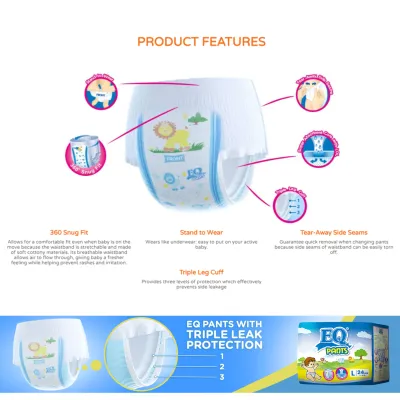
| Equator (EQ) | Frequent daytime changes and budget optimization | Generous, wider cut around the hips and thighs | Breathable outer cover, easy-tear side seams | Primary daytime diaper; stock up during an eq pants large sale |
| Huggies | Active babies, crawling, and blowout prevention | Snug, secure waistband with robust double leg cuffs | Pocketed waistband, active-channel indicators | Use for daytime play and outdoor trips; buy mid-sized packs |
Decision Framework: Which Brand Fits Your Baby Best?
To make your final purchasing decision, evaluate your baby’s daily routine, physical activity level, and skin sensitivity against these conditional recommendations:
- Choose Pampers if: Your primary goal is uninterrupted overnight sleep. If your baby wakes up due to wetness or has a high volume of urine at night, investing a bit more per piece in Pampers' high-capacity absorption channels is highly practical.
- Choose Equator if: You want to maximize your daily household budget. If you practice frequent diaper changes during the day—which is highly recommended in the hot and humid climate of the Philippines to prevent sweat and diaper rashes—buying EQ pants, especially when capitalizing on an eq pants large sale, provides the best utility per peso.
- Choose Huggies if: Your baby is constantly on the move, crawling, or learning to walk. The snug waistband and robust leg cuffs are ideal for preventing messy blowouts and keeping the diaper securely in place during active physical play.
- Verify first if: Your baby has highly sensitive skin or a history of allergic contact dermatitis. Before committing to any brand in bulk, check the ingredient list on the packaging for potential irritants. Purchase a small pack first, perform a patch test by having your baby wear the diaper for a few hours under close supervision, and check for any signs of redness or irritation.
Caregiver Safety Warning: If your baby develops a persistent, bright red diaper rash, skin peeling, or pustules that do not improve with frequent changes, gentle cleaning, and air-drying, stop using the diaper immediately. Consult a pediatrician or qualified healthcare professional for a proper diagnosis and treatment plan.
Frequently Asked Questions (FAQ)
How do I know if my baby needs to move up to an Extra-Large (XL) size?
Your baby may need to transition to an Extra-Large (XL) size if you observe consistent physical indicators of poor fit. These signs include persistent red marks or chafing around the waist and thighs, the waistband sitting significantly below the belly button, or frequent leaks despite correct application. Additionally, if the diaper’s side seams tear too easily when pulling the pants up, or if your baby’s weight is approaching the upper limit printed on the current Large-size packaging, it is time to try a trial pack of the next size up.
Are premium diaper lines always worth the higher price per piece?
Premium diaper lines are worth the higher cost if your baby has highly sensitive skin that reacts to standard materials, or if you require maximum absorbency for long overnight stretches. Premium lines often feature softer, more breathable materials and advanced absorption technologies that keep moisture away from the skin longer. However, for routine daytime diapering where diapers are changed every few hours regardless of wetness, standard or budget-friendly diaper lines offer excellent value and perform perfectly well.
Can I mix different diaper brands for day and night use?
Yes, mixing different diaper brands is a highly effective and common strategy used by parents to balance performance and budget. You can use a highly cost-effective brand like Equator for frequent daytime changes when you can monitor and change the diaper immediately. Then, switch to a high-absorbency, premium brand like Pampers or Huggies for overnight use to ensure your baby remains dry and sleeps comfortably through the night. This hybrid approach optimizes your diaper spending while maintaining excellent skin health for your baby.

Community discussion
Share your experience or ask a question. Comments are reviewed before publication.