
Finding the right diaper for your baby in the Philippines requires balancing absorbency, fit, and cost, especially under the country’s humid, tropical conditions. The ideal choice is rarely a single brand for every family; instead, it depends on whether your priority is maximum overnight dryness, a highly flexible fit for active babies, or a budget-friendly option for frequent daytime changes. While many parents search for options like Lampein diapers, understanding how major players like Pampers, Huggies, and Equator compare will help you tailor your choice to your baby’s unique developmental stage and your household budget.
Quick Answer: Which Diaper Brand Should You Choose?
Selecting the right diaper comes down to identifying your primary daily challenges, whether that is preventing midnight leaks, avoiding tight thigh marks on a chunky baby, or managing a tight monthly budget.
Choose Pampers if your baby needs reliable overnight leak protection and you prefer a softer, cloth-like top-sheet feel. Pampers is well-suited for parents who are willing to pay a mid-to-premium price for established absorbent core technologies that distribute wetness evenly, making it an excellent choice for long, uninterrupted stretches of sleep.
Products mentioned in this guide
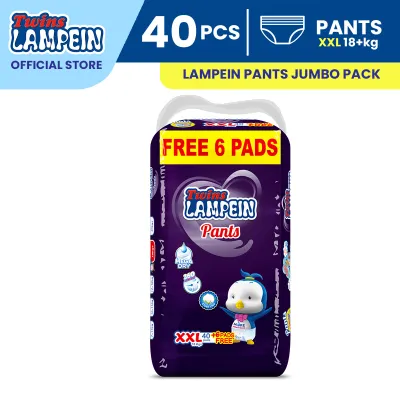
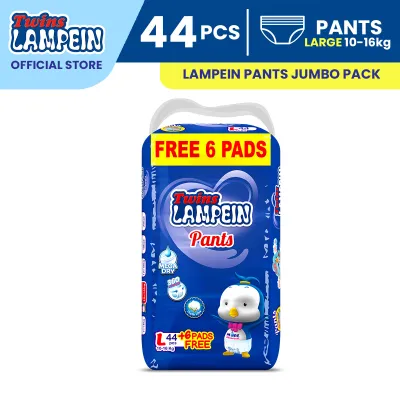
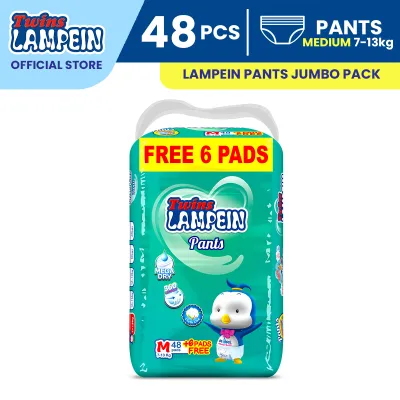
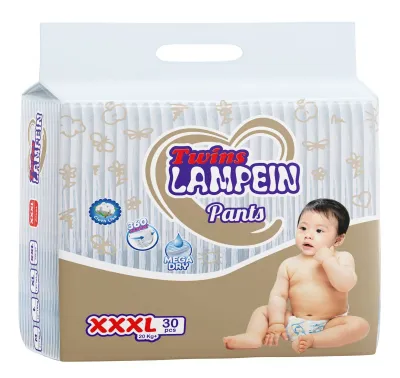
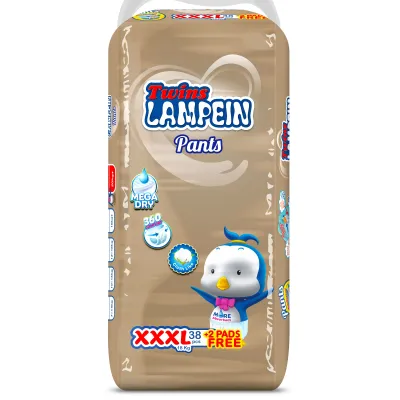
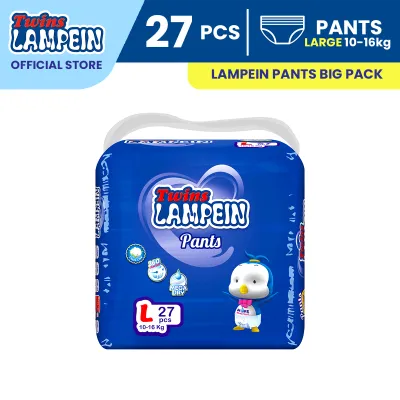
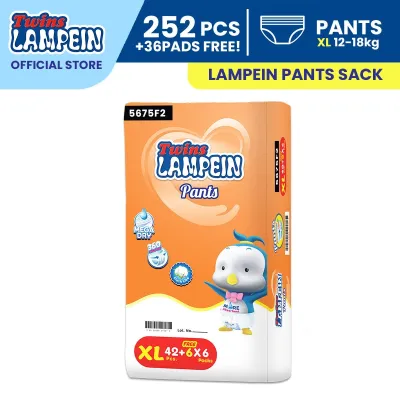
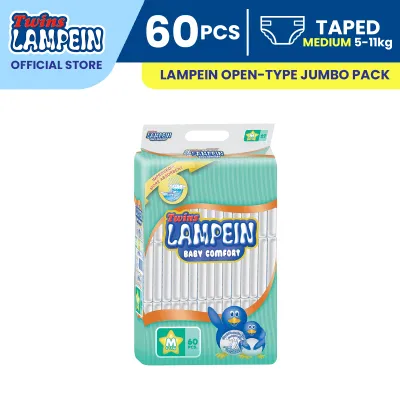
Prices are valid at publication and may change. Please refer to the product page for the latest price.
Choose Huggies if your baby has a rounder, chunkier build that benefits from highly elastic waistbands and structured, snug-fit leg cuffs. This brand is particularly effective at preventing messy blowouts and side leaks during active play, offering a secure hold that moves naturally with your baby’s body.
Choose Equator if you want a highly cost-effective, locally available option for frequent daytime changes. It serves as a practical choice for balancing your monthly expenses without sacrificing basic dryness, especially during the day when babies require diaper changes every few hours regardless of the brand.
Verify first if your baby has highly sensitive skin or is prone to contact dermatitis. You must always check the specific product line’s material claims, hypoallergenic certifications, and dermatological testing labels on the packaging, as formulations and materials vary significantly between standard, economy, and premium variants of each brand.
How Pampers, Equator, and Huggies Compare on Key Performance Factors
When navigating the diaper aisle in local supermarkets or browsing online marketplaces, the sheer volume of marketing claims can be overwhelming. While brands frequently highlight proprietary terms for their absorbent cores or liners, real-world performance in the Philippines depends on how these products handle high humidity, fit your baby’s physical build, and protect delicate skin.

Parents searching for gentle, budget-conscious alternatives like Lampein diapers will find that comparing these three major brands provides a clear benchmark for what to expect in terms of daily utility. Let us break down how each brand performs across the three most critical dimensions: absorbency, physical fit, and skin safety.
Absorbency and Leak Protection
The primary job of any disposable diaper is to lock away moisture quickly and keep it away from your baby’s skin. Pampers typically utilizes a channel-based distribution technology in its absorbent core, which spreads liquid evenly across the diaper rather than letting it pool in a single spot. This design prevents the diaper from sagging heavily between the baby’s legs, maintaining a more comfortable profile as it fills. The channels are designed to guide fluid along the length of the core, utilizing superabsorbent polymers (SAP) that expand uniformly when exposed to moisture.
Huggies often employs a centralized, highly concentrated absorbent pad design. This approach is designed to capture rapid bursts of moisture quickly, making it highly effective for heavy wetters or older babies who consume larger volumes of liquids. The structured core acts as a reliable barrier, locking wetness deep inside the lower layers of the diaper to keep the surface dry. Many parents find this concentrated pad particularly useful for active boys or girls, as it targets the areas where wetness is most likely to pool first.
Equator takes a more straightforward, traditional approach to its absorbent core. While highly capable of handling standard daytime wetness and regular intervals between changes, it may not feature the advanced moisture-locking polymers found in the premium lines of its competitors. For heavy overnight wetting, Equator may require more frequent changes, or parents might choose to use it primarily as a daytime diaper while reserving a more absorbent brand for bedtime. This simple core structure is efficient and keeps the diaper lightweight, which is highly appreciated during hot, humid afternoons.
To ensure you are getting the best performance, physically check the wetness indicator strip on the outside of the diaper, which changes color when wet, and inspect the height of the inner leak guards. High, elasticized double leak guards along the thighs are crucial for preventing side leaks. Remember that persistent leaks are often a symptom of improper sizing or an uneven fit rather than a mechanical failure of the absorbent core itself.
Comfort, Fit, and Breathability
A diaper must move naturally with your baby while keeping them cool in the intense heat and humidity of the Philippines. Huggies is widely recognized for its structured, snug waistband design, which often features a pocketed back elastic to catch runny stools and prevent back leaks. This secure fit is highly favored by parents of active crawlers and toddlers who need a diaper that stays firmly in place during vigorous movement. The waistband’s elasticity is firm yet supportive, ensuring that the diaper does not slide down as it becomes heavier.
Pampers, on the other hand, generally focuses on flexible, stretchy side panels rather than a highly structured back waistband. This design offers a more customized, adaptive fit around the hips and waist, reducing the likelihood of leaving tight red marks on babies with broader waistlines. The materials used in Pampers are typically thinner and more pliable, which many parents find less bulky under lightweight tropical clothing, allowing for greater freedom of movement.
Breathability is a vital factor in preventing heat rash, or bungang-araw, in tropical climates. The thickness of the diaper and the presence of micro-pores on the outer back sheet directly affect how well air circulates. While premium lines from both Pampers and Huggies feature highly breathable, cloth-like outer covers that allow hot air and moisture to escape, standard budget lines may feel slightly more plastic-like, which can trap heat if the diaper is not changed promptly. Ensuring proper ventilation helps maintain a dry microclimate around your baby’s skin.
To guarantee your baby’s comfort, always consult the weight range guidelines printed on the packaging rather than relying solely on age recommendations. If you notice deep red marks on your baby’s thighs or waist, or if the diaper is sitting too low on the lower back, it is a clear indication that the current size is too tight and you need to size up immediately to prevent chafing.
Skin Sensitivity and Rash Prevention
Protecting a baby’s delicate skin barrier requires soft materials and minimal exposure to potential irritants. Premium lines of Pampers and Huggies frequently feature hypoallergenic top sheets infused with mild lotions, organic cotton components, or pH-balancing properties designed to minimize irritation. These premium features are highly beneficial for newborns whose skin is exceptionally thin and sensitive, helping to buffer against the acidic nature of urine and stool.
Budget-friendly options like Equator utilize standard, non-woven top sheets that provide reliable dryness but may lack the specialized cosmetic additives or ultra-soft textures of premium lines. For babies without highly sensitive skin, these standard materials are perfectly adequate and offer a practical way to manage daily care expenses. It is always wise to monitor your baby’s skin during the initial days of using any new brand to verify compatibility.
It is helpful to clarify a common point of confusion for local parents searching for lampein diapers. While Lampein is a highly trusted, household name in the Philippines, the brand is primarily celebrated for its baby skincare products—such as gentle baby powders, oils, and protective creams—rather than manufacturing disposable diapers. Parents searching for this term are typically looking for gentle, affordable local diaper brands like Equator, or they are planning to pair their chosen diaper brand with Lampein’s soothing diaper rash products to maintain healthy skin. This combination of a reliable diaper and a protective skin barrier cream is a popular routine among Filipino households.
Regardless of the brand you choose, no diaper is entirely rash-proof on its own. The most effective way to prevent diaper rash is to maintain a strict routine of frequent changes, gentle cleansing with alcohol-free wipes or water, and applying a thin layer of a reliable barrier cream during every change to shield the skin from moisture and friction.
Price and Value: Evaluating the Cost per Diaper
Managing the ongoing cost of disposable diapers is a major aspect of family budgeting in the Philippines. To understand the true financial impact, you must calculate the cost per individual piece rather than comparing the shelf price of different packages. This is because diaper pack sizes, piece counts, and configurations vary widely between physical supermarkets, local convenience stores, and authorized online retailers.
Pampers and Huggies generally sit in the mid-to-premium pricing tier. Their advanced features—such as specialized overnight channels, wetness indicators, and ultra-stretchy waistbands—come at a higher cost per piece. For families prioritizing maximum performance, especially during long sleep stretches or travel, this higher price point is often viewed as a worthwhile investment in convenience and sleep quality.
Equator positions itself firmly in the value-for-money category. By focusing on essential dryness and simple, reliable designs, it offers a significantly lower cost per piece. For budget-conscious families, purchasing Equator in bulk or larger box sizes provides substantial monthly savings, making it an incredibly practical choice for daytime use when diapers are changed frequently.
Many local parents successfully adopt a hybrid diapering strategy to optimize their budget without sacrificing comfort. This involves using premium, highly absorbent diapers from Pampers or Huggies for overnight use or long outings, and switching to budget-friendly options like Equator for the daytime when changes occur every two to three hours. When purchasing, always check current prices and bulk bundle deals on official brand stores or authorized mall retailers, as seasonal sales and promotional vouchers can heavily reduce your overall cost.
How to Choose the Right Diaper for Your Baby's Needs
Ultimately, the best diaper brand is the one that fits your baby’s unique anatomy, suits their skin sensitivity, and fits comfortably within your family’s monthly budget. A diaper that works perfectly for a friend’s baby might cause leaks or rashes on yours due to differences in body shape, movement patterns, and wetting frequency.
To find the perfect match, consider a practical “trial and observe” approach. Instead of buying large, economy-sized boxes right away, purchase small trial packs of Pampers, Huggies, and Equator. Observe how each brand performs over a few days, paying close attention to how the diaper fits when fully wet and how your baby’s skin reacts.
When evaluating the fit during your trial, look for these key physical signs of a proper fit:
- The waistband sits comfortably just below the belly button without gaping or digging in.
- You can easily slide two fingers under the waistband and around the leg cuffs.
- The leg cuffs flare outward naturally to form a secure seal against leaks.
- There are no deep red marks or indentations left on your baby's skin after a few hours of wear.
Be prepared to stop using a specific brand or size if you encounter frequent back blowouts, persistent side leaks, or recurring red marks on the waist or thighs. These are clear signs that the diaper’s cut is incompatible with your baby’s current growth stage, or that it is time to transition to the next size up.
As a vital safety boundary, if you observe persistent skin irritation, severe diaper rash, or blistering that does not improve within a few days of frequent changes and proper hygiene, stop using the diaper immediately. Consult a pediatrician or qualified healthcare professional to rule out allergic contact dermatitis or infections, and to receive professional guidance on safe skin care management.
Frequently Asked Questions (FAQ)
Can I use Lampein products with Pampers, Huggies, or Equator diapers?
Yes, you can safely use Lampein baby powders, oils, and barrier creams alongside any major diaper brand, including Pampers, Huggies, and Equator. To ensure the diaper performs optimally, apply these skincare products sparingly and allow them to absorb fully into your baby’s skin before fastening the diaper. Applying too much cream can transfer onto the diaper’s inner lining, creating a barrier that clogs the micro-pores, compromises absorbency, or interferes with the adhesive fastening tapes.
Which diaper brand is best for overnight use in a humid climate?
For overnight use in the humid Philippine climate, you need a diaper that offers high absorbency combined with excellent breathability to prevent heat and moisture buildup. Premium, overnight-specific lines from Pampers or Huggies are generally best suited for this task because they feature advanced moisture-locking cores and highly breathable outer covers. These features keep your baby’s skin dry and cool throughout the night, whereas standard budget-friendly options like Equator are better utilized for frequent daytime changes.
How do I know if I need to size up my baby's diaper?
You should size up your baby’s diaper if you experience frequent leaks or blowouts, notice deep red marks on their thighs or waist, or find that the adhesive tapes are difficult to fasten securely. Additionally, if the rise of the diaper sits too low on your baby’s hips or belly, it is time to move to the next size. Always check the weight guidelines printed on the packaging of the specific brand you are using, as sizing cuts can vary slightly between Pampers, Huggies, and Equator.
Community discussion
Share your experience or ask a question. Comments are reviewed before publication.