
Quick Answer: Which Bulk Diaper Brand Fits Your Baby Best?
Finding the right diaper for your baby is a highly personalized decision. There is no single brand that serves as a universal solution for every household. The ideal choice for your family depends on your baby’s specific body shape, their skin’s sensitivity to moisture, and your monthly household budget.
To help you navigate your options, the three major brands in this comparison occupy distinct positions in the market:
- Pampers is widely favored for its slim, lightweight profile and highly reliable moisture distribution, making it a popular choice for daytime wear.
- Huggies is celebrated for its robust structural design, featuring highly elastic waistbands and deep pocketed barriers that excel at containing leaks during active play or sleep.
- Equator serves as a highly practical, budget-friendly alternative that prioritizes basic utility and maximum cost savings, making it ideal for caregivers who practice very frequent diaper changes.
When planning to purchase in bulk, committing immediately to a large package can be risky if the diaper does not suit your baby. It is always safest to test a smaller trial pack first to confirm the physical fit and skin compatibility before purchasing a complete 50-piece box.
Products mentioned in this guide
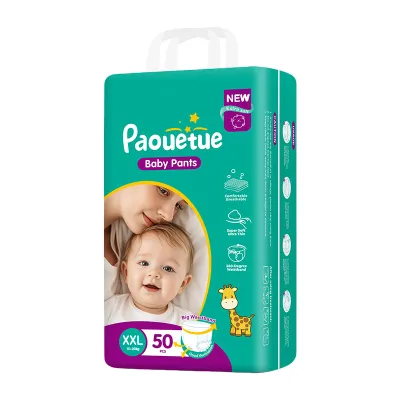
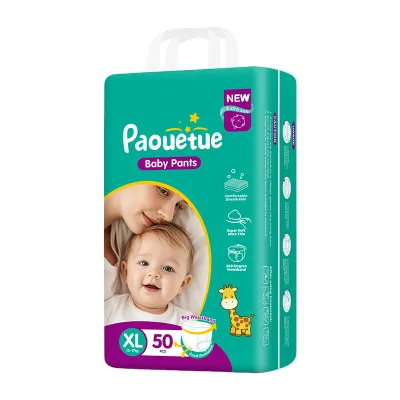
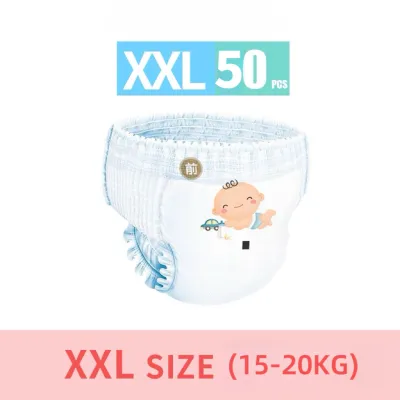
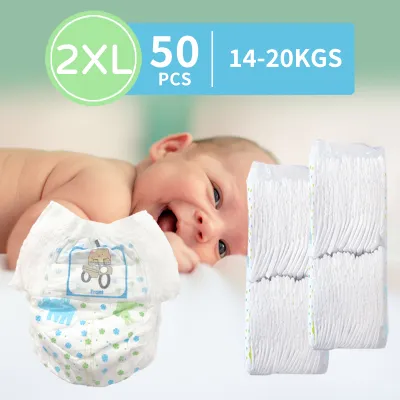
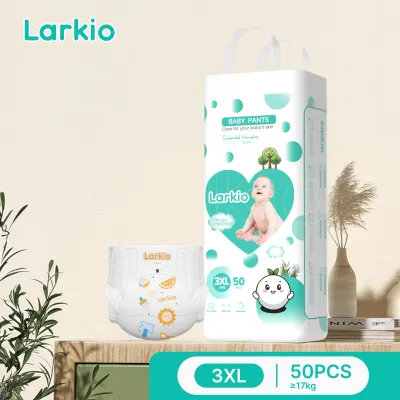
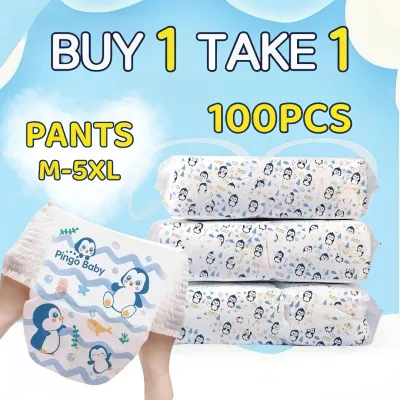
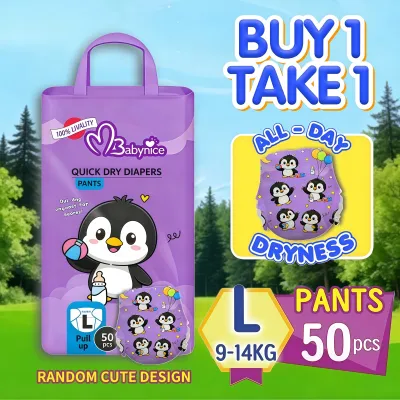
Prices are valid at publication and may change. Please refer to the product page for the latest price.
What to Check Before Buying a Diaper 50pcs Free Shipping Pack Online
Transitioning to bulk buying is one of the most effective ways to manage your household’s monthly childcare expenses. Opting for a 50-piece package significantly lowers the individual cost per diaper and reduces the time spent making last-minute trips to local convenience stores. When you search online for a diaper 50pcs free shipping deal, you can maximize these savings by taking advantage of promotional vouchers, platform discounts, and free delivery options that eliminate the added cost of transporting heavy bulk parcels.

However, shopping on online marketplaces requires careful verification to ensure you are receiving genuine, high-quality products. Always prioritize buying from authorized distributors or official brand flagship stores. Counterfeit diapers or poorly stored inventory can compromise your baby’s hygiene and safety, as exposure to damp warehouse conditions can damage the absorbent polymers before the package even arrives at your doorstep.
Before finalizing your online transaction, carefully verify the manufacturer’s weight and sizing guidelines listed in the product description. Sizing standards vary significantly between brands, and a baby’s physical build is more important than their age when choosing a size. Because infants grow at rapid and unpredictable rates, bulk buying is only truly cost-effective if your baby is firmly in the lower or middle range of their current size category. If they are already approaching the upper weight limit, they may outgrow a 50-piece pack before you can finish using it.
Finally, check the manufacturing date or shelf-life information provided by the seller. While disposable diapers do not spoil in the traditional sense, the elastic components and adhesive tapes can degrade over extended periods, particularly when stored in warm climates. Ensuring you receive fresh stock guarantees that the structural components of the diaper will perform exactly as intended.
Absorbency and Leak Protection: Pampers vs. Huggies vs. Equator
Pampers Absorbency Features
Pampers designs its diapers with a strong focus on maintaining a thin, non-bulky profile while securing reliable wetness protection. The brand utilizes specialized absorbent channels that run lengthwise through the core of the diaper. These channels are engineered to draw liquid away from the surface quickly and distribute it evenly across the entire absorbent pad, preventing the sagging and clumping that can restrict a baby’s movement.
Most Pampers lines also include a highly visible wetness indicator strip on the outer cover that changes color from yellow to blue as the diaper becomes saturated. Caregivers should note that Pampers offers several product tiers, ranging from premium lines to standard everyday options. The overall absorbency capacity and speed of moisture absorption can vary between these tiers, so it is important to review the specific packaging details to understand which level of protection you are purchasing. Because of its slim design and efficient distribution system, Pampers is highly favored for active daytime wear where freedom of movement is a priority.
Huggies Leak Protection
Huggies focuses heavily on structural barriers to prevent leaks, making it a highly reliable option for deep sleepers and active babies. A signature design element of many Huggies diapers is the pocketed waistband at the back, which is specifically engineered to trap runny stools and prevent messy blowouts. This feature is complemented by robust, double-layered leg cuffs that sit snugly against the thighs to block moisture from escaping during movement.
These structural elements make Huggies highly effective for babies who crawl, roll over, or prefer sleeping on their sides or stomachs, positions that naturally place uneven pressure on the diaper’s edges. If you intend to use the diaper for uninterrupted overnight sleep, look for specific packaging labels indicating extra-absorbency or overnight protection. These specialized versions feature reinforced absorbent cores designed to handle multiple voids over several hours without leaking.
Equator Absorbency and Value
Equator is designed primarily as a high-volume, budget-conscious diaper that focuses on essential moisture management. Unlike premium brands that utilize advanced channel systems to distribute liquid, value-oriented brands like Equator typically rely on a traditional blend of fluff pulp and superabsorbent polymers. This classic construction is effective at locking away moisture, but it may result in a thicker, heavier feel once the diaper is wet.
Because the liquid tends to pool in the areas of direct contact rather than distributing evenly, caregivers should expect to change Equator diapers more frequently to prevent saturation and surface wetness. When evaluating Equator packaging or online product images, look closely for the presence of raised leak guard cuffs along the leg openings. Ensuring these cuffs are properly flared outward during application is essential to achieving a reliable seal and preventing leaks with a value brand.
Fit, Comfort, and Skin Sensitivity in Humid Climates
Cut, Elasticity, and Body Shape
The physical shape of a diaper determines how well it accommodates your baby’s natural movements and prevents chafing. Pampers generally features a more tailored, contoured cut with a narrower crotch area. This design provides a streamlined fit that fits exceptionally well on babies with a standard or slender body build, reducing bulkiness between the thighs.
In contrast, Huggies tends to offer a wider, roomier cut accompanied by highly elastic waistbands and stretchy side tabs. This generous elasticity makes Huggies a highly suitable option for babies with rounder bellies or chunky thighs, as the materials stretch comfortably without digging into the skin or leaving red marks.
When choosing between tape-style and pants-style diapers within these brands, consider your baby’s developmental stage:
- Tape-style diapers allow for a highly customizable fit around the waist, making them ideal for younger infants who spend most of their time lying down.
- Pants-style diapers feature an all-around elastic waistband that is easy to pull up on active, squirming toddlers, providing a secure fit that stays in place during walking and climbing.
Always check the elasticity claims on the product packaging and read customer reviews to see how other parents rate the fit on babies with similar body proportions to your own.
Breathability and Skin Health
Managing skin health is a primary concern for caregivers living in warm, tropical climates where high humidity and elevated temperatures are daily realities. Under these environmental conditions, trapped heat and sweat can quickly lead to diaper rash or prickly heat (bungang-araw). A diaper’s breathability is determined by the quality of its outer cover and topsheet, which must allow air to circulate freely while keeping moisture locked inside.
When shopping for bulk diapers, look for specific product claims on the packaging such as “breathable outer cover,” “hypoallergenic materials,” or “dermatologically tested.” Premium lines often feature micro-pore technology that allows hot air to escape, helping to keep the baby’s skin dry and cool.
However, caregivers must remember that no diaper, regardless of its advanced materials or premium price point, can completely prevent skin irritation if it is left on for too long. The most critical factor in maintaining healthy skin is practicing timely diaper changes as soon as wetness occurs. Always ensure the baby’s skin is completely clean and dry before securing a fresh diaper. If you observe persistent redness, swelling, or skin irritation, stop using the brand immediately and consult a qualified pediatrician or healthcare professional.
Overall Quality and Value for Bulk Buyers
To determine the true value of a bulk diaper purchase, you must look beyond the initial checkout price and evaluate the long-term cost of use. Pampers and Huggies occupy the mid-to-premium price tier, reflecting their investment in proprietary materials, advanced absorption technologies, and softer fabric-like covers. Equator operates firmly in the budget tier, offering a significantly lower entry price that appeals to price-sensitive households.
To calculate the actual economic value, divide the total cost of the package by 50 to find the cost per individual piece. When shopping online, be sure to factor in any shipping fees, available shop vouchers, and platform discounts, as an attractive “free shipping” deal is only beneficial if the base price of the diaper remains competitive.
Upon receiving your bulk delivery, perform a quick quality control inspection before opening the entire pack:
- Inspect the outer packaging for any signs of tearing, punctures, or water damage that may have occurred during transit.
- Verify the total diaper count to ensure it matches the 50-piece specification printed on the label.
- Check for unusual chemical odors or strong artificial fragrances when you open the package, as high-quality diapers should have a clean, neutral scent.
Remember that a lower upfront purchase price only translates to real savings if the diaper performs reliably. If a budget-friendly diaper leaks frequently, you may find yourself changing your baby’s clothes and bedsheets more often, leading to increased water and electricity costs from extra laundry. Additionally, if a diaper causes skin irritation, the cost of specialized barrier creams or medical consultations can quickly wipe out any initial savings. Balancing the purchase price with the diaper’s real-world performance is the key to successful bulk buying.
Final Verdict: Which Brand Should You Choose?
To make your final decision, align your purchase with your baby’s physical needs and your daily caregiving routine. Use this conditional framework to determine which brand best suits your household:
- Choose Pampers if: You prefer a highly streamlined, lightweight diaper that does not bulk up under clothes, your baby has a slender or standard physical build, and you want a reliable daytime diaper with excellent moisture distribution.
- Choose Huggies if: Your baby is highly active, has chunky thighs or a round belly, needs robust leak protection around the waistband to prevent blowouts, or you require a highly secure diaper for overnight sleep.
- Choose Equator if: Your primary goal is to minimize your upfront childcare expenses, you practice a strict schedule of frequent daytime changes, and you are comfortable with a slightly thicker diaper core in exchange for maximum volume savings.
Before purchasing a full 50-piece bulk package of any brand, always buy a small trial pack first. Testing a few pieces in real-world conditions is the most reliable way to verify the physical fit, observe how the materials react to your baby’s skin, and ensure you are making a safe, practical investment for your family.
Frequently Asked Questions (FAQ)
How long does a 50-piece pack of diapers last?
The lifespan of a 50-piece diaper pack depends heavily on your baby’s age, diet, and developmental stage. Newborns and young infants typically require frequent changes, averaging 8 to 12 diapers per day, meaning a 50-piece pack will last approximately 4 to 6 days. Older babies and toddlers who have transitioned to solid foods generally need fewer changes, averaging 4 to 6 diapers per day, which extends the lifespan of a 50-piece pack to about 8 to 12 days.
Is it safe to buy diapers in bulk online?
Yes, purchasing diapers in bulk online is safe, provided you buy directly from official brand flagship stores or highly rated, authorized retailers on established e-commerce platforms. To preserve the quality of your bulk purchase, store the unopened packages in a cool, dry indoor space away from direct sunlight, high humidity, and pests. Proper storage prevents the elastic bands from degrading and ensures the absorbent core remains dry and ready for use.

Community discussion
Share your experience or ask a question. Comments are reviewed before publication.