
Finding the best value diaper in the Philippines requires looking beyond the eye-catching brand logos and bright packaging. While Pampers, Equator, and Huggies are household names, determining which brand offers the lowest cost per piece involves a mix of simple math, smart shopping strategies, and an understanding of your baby’s physical needs. In a tropical climate where humidity can quickly lead to skin irritation, the cheapest option on paper is not always the most cost-effective if it requires more frequent changes or causes discomfort.
To find the true winner for your household budget, you must evaluate how much you pay for each individual diaper rather than looking at the total price of a pack. This guide will walk you through the exact steps to calculate these costs, navigate popular promotions like the “aplas diaper by 1 take 1” deals, and compare physical specifications on the packaging so you can make an informed decision.
Understanding the True Cost Per Piece
When browsing the baby care aisle or scrolling through online marketplaces, the sheer variety of packaging sizes can be overwhelming. A jumbo pack of Huggies might seem like a better deal than a medium pack of Pampers or a budget-friendly bag of Equator, but comparing total pack prices is highly misleading. To establish a fair comparison, you must calculate the cost per piece (CPP) for every option you consider.
Products mentioned in this guide
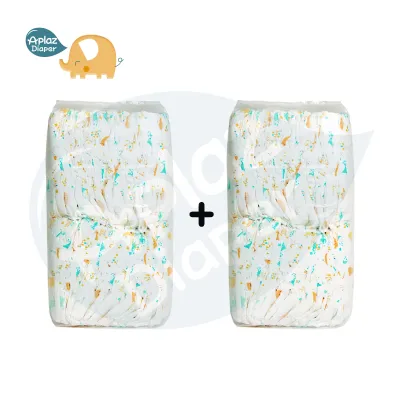
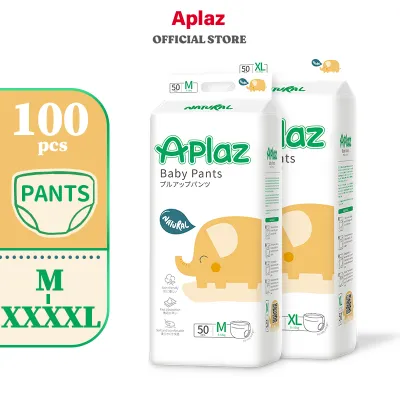
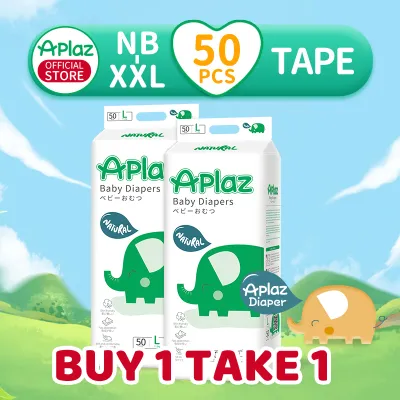
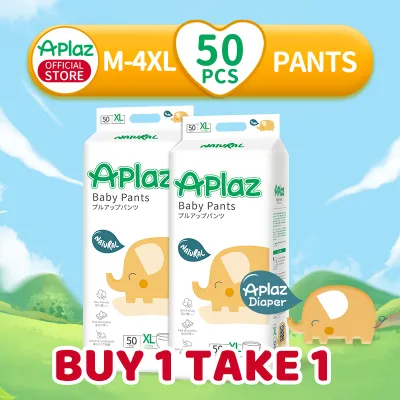
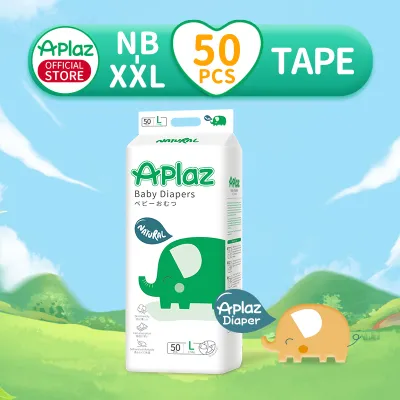
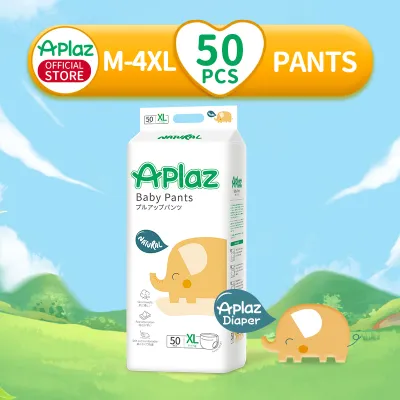
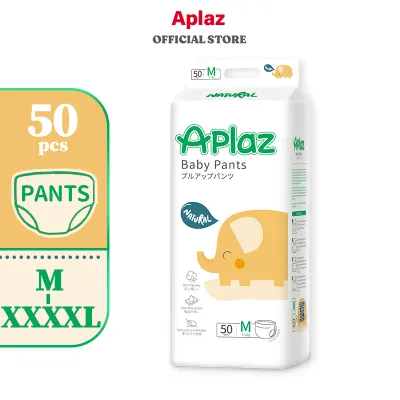
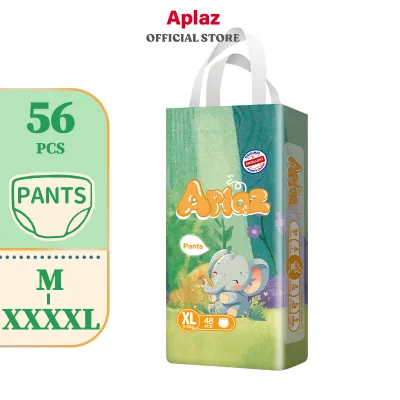
Prices are valid at publication and may change. Please refer to the product page for the latest price.
The formula to find this metric is straightforward: divide the total price of the pack by the number of diapers inside. For example, if a pack costs ₱450 and contains 50 diapers, the calculation is ₱450 divided by 50, resulting in a cost of ₱9.00 per piece. By reducing every package to this single number, you can easily compare a 30-pack, a 60-pack, and a 120-pack box side by side.
However, calculating the cost per piece requires looking beyond the shelf price, especially when shopping online. Hidden costs can quickly inflate your actual per-piece expense. Shipping fees, platform service charges, and packaging taxes must be factored into your total cost before you divide by the diaper count. If you pay ₱500 for a diaper pack but also pay ₱80 for shipping, your true total cost is ₱580, which significantly raises the cost per piece.
To get the most accurate calculation, always calculate your CPP using the final checkout price, including all discounts, vouchers, and shipping fees. This practice ensures that you are comparing the actual amount of money leaving your wallet against the number of dry changes your baby will receive.
Navigating Buy-1-Take-1 and Bundle Diaper Promos
Promotional events are highly popular among parents in the Philippines, with “buy-1-take-1” and bundle deals frequently appearing during monthly online sales. Deals like the “aplas diaper by 1 take 1” promotions can offer substantial savings, but they require careful verification to ensure they are genuine. Some sellers may temporarily raise the baseline price of a single pack right before a promotion, making the bundle seem like a massive discount when it actually offers little to no savings.

Before committing to a bulk purchase, always research the standard retail price of the individual pack. Compare the promotional bundle’s total cost against the regular price of two separate packs to verify that the discount is real. If the cost per piece during the promotion is not significantly lower than the standard everyday price, it may not be worth tying up your household budget in a large bulk order.
Another critical factor to check when buying bundled diapers is the manufacturing date. Diapers do not have an indefinite shelf life; the elastic bands, adhesive tapes, and absorbent polymers can degrade over time, especially when stored in warm, humid tropical conditions. Inspect the packaging labels for production dates and ensure you are not purchasing older stock that might lose its structural integrity or adhesive strength before you can use it.
Additionally, you must assess whether the bundled sizes align with your baby’s current and near-future growth stages. Babies grow rapidly during their first year, often transitioning through diaper sizes in a matter of weeks. Buying a massive “buy-1-take-1” bundle of Newborn or Small diapers might result in leftover packs that your baby outgrows before they can be used, completely wiping out any initial financial savings.
Comparing Pampers, Equator, and Huggies: What to Check on the Label
To balance your budget with your baby’s comfort, you must learn to read and compare the physical specifications listed on the packaging of Pampers, Equator, and Huggies. Price is only one part of the value equation; a cheaper diaper that leaks constantly will end up costing you more in extra changes, laundry, and skin creams than a slightly more expensive, highly absorbent option.
Start by evaluating the absorbency indicators and wetness lines described on the packaging. Many modern diapers feature a color-changing wetness indicator on the outside, which helps caregivers identify exactly when a change is needed without opening the diaper. Check the manufacturer’s specifications to see if the diaper features specialized channels designed to distribute wetness evenly, as this prevents sagging and maximizes the usable surface area of the absorbent core.
In the warm and humid climate of the Philippines, material breathability is a vital feature to look for on the label. Look for terms like “breathable outer cover,” “micro-pores,” or “cottony-soft air channels” on the packaging of Pampers, Huggies, or Equator. A diaper that traps heat and moisture increases the risk of diaper rash, which can cause discomfort for your baby and lead to additional medical expenses.
Furthermore, pay close attention to the waistband elasticity and leg cuff features. A diaper with highly stretchable waistbands and double-layered leak guards provides a secure fit that adapts to your baby’s movements. Always match the diaper’s stated weight range on the packaging to your baby’s actual weight, keeping in mind that if your baby is near the upper limit of a size range, it is usually more cost-effective and comfortable to transition to the next size up to prevent leaks.
Building a Smart Diaper Budget for Your Baby's Stages
Managing your baby care expenses effectively involves creating a flexible diapering strategy that adapts to your daily routine. Rather than relying solely on one premium brand or one budget brand, many parents find success by mixing different options based on the time of day and specific activities. This hybrid approach allows you to optimize your spending without compromising on your baby’s comfort or skin health.
A highly effective strategy is to use premium, high-absorbency diapers from brands like Pampers or Huggies for nighttime sleep and long outings. These diapers are designed to keep moisture away from the skin for extended periods, ensuring your baby gets uninterrupted rest. During the day, when you are at home and can change your baby more frequently, you can switch to more budget-friendly options like Equator or promotional bundles like the “aplas diaper by 1 take 1” deals, where the lower cost per piece aligns perfectly with shorter wear times.
As your baby grows, you must also manage your diaper stockpile carefully to avoid overspending. Avoid purchasing too many boxes of a single size in advance, even if you encounter an appealing online sale. Keep a close eye on your baby’s physical development and weight; if you notice red marks around their thighs or frequent leaks, it is a clear sign to stop buying the current size and start transitioning your budget toward the next size up.
To maximize your savings over time, utilize the digital tools available on major online marketplaces. Set up price alerts for your preferred diaper brands to receive notifications when historical price drops occur. By tracking these price trends and planning your purchases around major monthly sales events, you can consistently secure the lowest possible cost per piece for your household.
Frequently Asked Questions (FAQ)
How often should I change my baby's diaper to balance cost and skin health?
To maintain healthy skin while managing your budget, it is generally recommended to change your baby’s diaper every two to three hours during the day, or immediately after they have a bowel movement. Leaving a wet diaper on for too long can lead to skin breakdown and painful rashes, which ultimately increases your expenses for soothing creams and medical care. At night, you can extend this interval by using a high-absorbency diaper designed for overnight wear, provided your baby remains comfortable and dry.
Is it safe to buy diapers in bulk from online marketplaces?
Yes, buying diapers in bulk online is safe if you take proper precautions to verify the source. Always look for official brand store badges or highly rated preferred sellers on the ecommerce platform to ensure you are purchasing genuine products. When your delivery arrives, inspect the outer packaging seals to confirm they are intact and undamaged, and check the manufacturing dates printed on the plastic to ensure the diapers are fresh and ready for use.

Community discussion
Share your experience or ask a question. Comments are reviewed before publication.