
Finding the right small tape diaper for your baby is a balancing act between secure fit, reliable absorption, and skin comfort. In the warm, humid climate of the Philippines, a diaper that is too tight can trap sweat and cause painful heat rashes, while a loose fit inevitably leads to messy leaks. Pampers, Equator, and Huggies each offer distinct design philosophies for their small tape diapers, focusing on different combinations of stretchable waistbands, secure fastening zones, and specialized leak guards. To determine which brand fits and absorbs best for your little one, you must evaluate how their specific structural features align with your baby’s unique body shape and daily activity levels.
Rather than relying on a single universal winner, the ideal choice depends on observing how each diaper performs on your baby’s physical frame. A diaper’s effectiveness is not just about its maximum liquid capacity, but how well its materials adapt to your baby’s movements and keep moisture away from delicate skin. By understanding what to look for on the packaging and how to inspect the physical diaper, you can make an informed decision that keeps your baby dry and comfortable throughout the day and night.
Understanding Small Tape Diaper Sizing and Fit
Before comparing specific diaper brands, it is essential to verify whether a “small” size is truly the correct fit for your baby’s current development stage. Every major manufacturer prints a recommended weight range on their packaging, which serves as the primary baseline for selection. For Pampers, Equator, and Huggies, these weight ranges often overlap, but the physical cut of the diaper can vary significantly even within the same weight category. Checking these labels carefully helps prevent purchasing a bulk pack that your baby might quickly outgrow or find uncomfortable.
Products mentioned in this guide
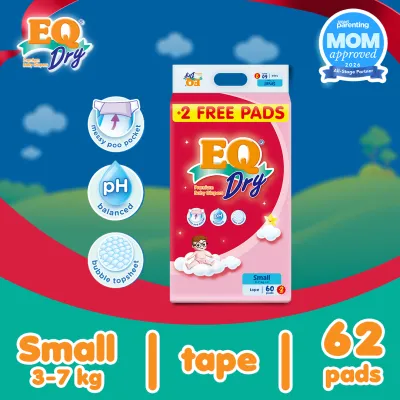
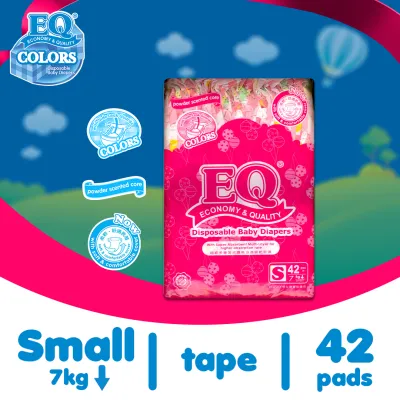
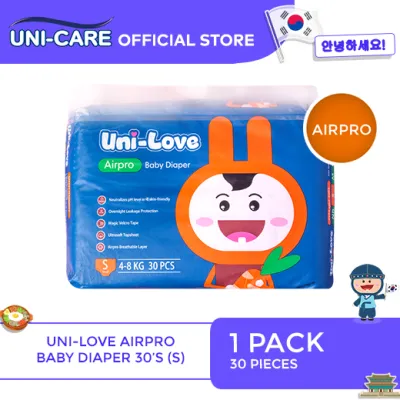
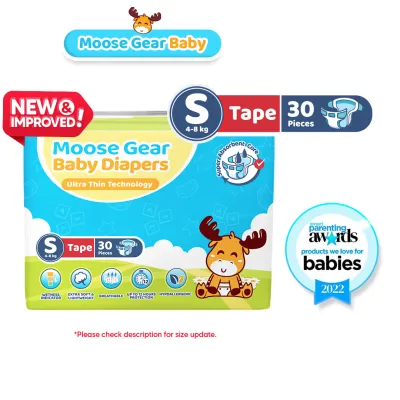
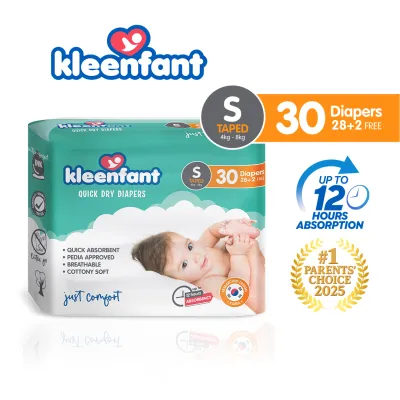
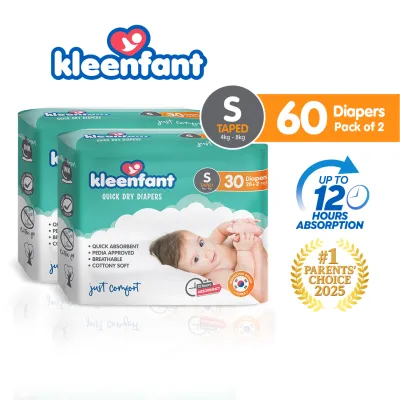
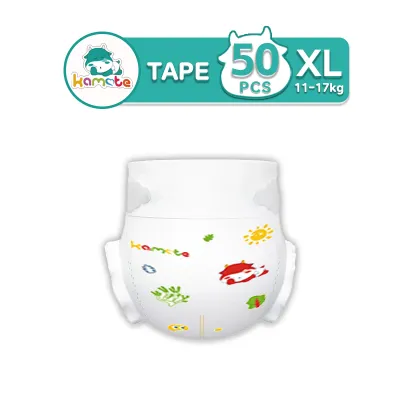
Prices are valid at publication and may change. Please refer to the product page for the latest price.
Physical signs on your baby’s skin are far more reliable indicators of fit than the numbers on a scale. If you notice deep red marks around your baby’s thighs or waist after removing a diaper, the elastic is likely too tight, indicating that the diaper is restricting circulation or chafing the skin. Conversely, gaps between the leg cuffs and your baby’s skin, or frequent leaks around the waistband during sleep, suggest that the diaper is too loose or improperly positioned. These visible cues are clear signals that the current size or brand shape is not matching your baby’s anatomy.
It is important to remember that weight guidelines are merely starting points because babies grow in highly individual proportions. A baby with chubby thighs and a shorter torso will require a very different diaper shape than a baby of the exact same weight who has a long torso and slender legs. Some brands cut their diapers narrower in the crotch area, while others provide wider coverage across the hips. Observing how the diaper wraps around your baby’s specific contours will help you identify which brand’s silhouette offers the most natural, restriction-free fit.
As your baby grows, they will inevitably transition between sizes, requiring you to evaluate when to upgrade based on physical changes. If you find that the adhesive tape tabs must be fastened at the very outer edges of the landing zone to secure the diaper, it is time to move up to a medium size. Similarly, if the diaper’s rise no longer reaches just below your baby’s belly button, the core is likely too short to contain waste effectively. Recognizing these transition cues early prevents sudden blowouts and ensures your baby remains comfortable during active daytime hours.
Comparing Leg and Waist Fit Across the Three Brands
To find the best match for your baby’s shape, you must closely examine the structural design of the leg cuffs and waistbands across Pampers, Equator, and Huggies. The elasticity and width of these components dictate how well the diaper conforms to your baby’s movements without causing discomfort. When inspecting the packaging or the physical diapers, look at the thickness of the elastic bands and the flexibility of the side panels. A wider waistband generally distributes pressure more evenly, while double-layered leg gathers provide an extra line of defense against active leg movements.

Different brands incorporate specialized design features on their labels to address the needs of smaller infants. For instance, some small tape diapers feature a specialized cutout at the front to protect a healing umbilical cord, while others focus on highly stretchable side panels that expand as the baby’s tummy rises and falls with breathing. The quality of the tape fasteners also plays a critical role; they must be strong enough to stay secure when the baby wiggles, yet gentle enough to be repositioned multiple times without tearing the diaper’s outer cover.
Pampers Small Tape Diapers
Pampers small tape diapers are designed with a strong emphasis on flexibility and a contouring fit that adapts to active babies. The manufacturer highlights the stretchability of the waistband and side panels, which are engineered to hug the baby’s waist snugly without restricting natural breathing. This flexibility is particularly beneficial for babies who experience temporary tummy expansion after feeding, as the side panels stretch gently to accommodate the change in shape.
When examining the leg cuffs of a Pampers diaper, you will notice a soft ruffle design with elastic tension intended to minimize thigh gaps. This double-barrier system is designed to sit flat against the skin, creating a gentle seal that prevents liquid from escaping during sudden movements. Additionally, Pampers includes a clear wetness indicator on the front of the diaper, which changes color when wet. This indicator is aligned precisely with the diaper’s center seam, helping caregivers verify that the diaper is positioned symmetrically on the baby’s body for an even fit.
Equator Small Tape Diapers
Equator small tape diapers focus on providing a secure, reliable fastening system paired with a structured core design. The tape tabs on Equator diapers are designed to grip firmly onto a wide landing zone, allowing caregivers to customize the waist fit precisely to their baby’s proportions. This secure fastening mechanism is highly beneficial for preventing the diaper from sagging or shifting out of place when the baby is carried or moves around in their crib.
The core of the Equator diaper is contoured to sit comfortably between the baby’s legs, reducing bulkiness that could otherwise restrict leg movement. The outer cover material is manufactured to be soft and flexible, minimizing friction against the baby’s delicate skin during hot and humid days. By checking the packaging details, parents can verify how the brand’s materials are structured to balance structural integrity with a soft, non-irritating texture that supports daily comfort.
Huggies Small Tape Diapers
Huggies small tape diapers are characterized by specialized containment features tailored specifically for younger infants. Many products in their small diaper line feature a pocketed waistband at the back, which is designed to trap runny stools and prevent messy back blowouts. This pocket acts as a physical barrier, sitting flat against the baby’s lower back to ensure that waste is directed downward into the absorbent core rather than escaping upward.
The leg gathers on Huggies diapers feature a highly elastic design that adapts easily to varying thigh sizes. This elasticity helps create a secure seal around both slender and chubby legs, reducing the risk of leaks without leaving deep, red indentations on the skin. For newborns and very small infants, some Huggies product lines also include an umbilical cord notch or a fold-down front design, which keeps the diaper material away from the sensitive belly button area during the first few weeks of life.
Evaluating Absorption Capacity and Leak Protection
Evaluating how well a diaper absorbs liquid requires looking closely at the manufacturer’s stated core technology and the physical thickness of the absorbent layers. Many modern diapers utilize superabsorbent polymers distributed throughout a thin core, which locks moisture away from the surface to keep the baby’s skin dry. When comparing Pampers, Equator, and Huggies, check the packaging for descriptions of their core channels or distribution layers, which are designed to spread liquid evenly rather than letting it pool in one spot.
During daily use, caregivers can monitor visual and tactile cues to assess when a diaper has reached its functional capacity. A heavily saturated diaper will often sag visibly, and the absorbent core may feel clumped or heavy to the touch. In the tropical climate of the Philippines, leaving a saturated diaper on for too long can quickly lead to skin maceration and diaper rash due to trapped humidity. Regularly checking the diaper’s surface wetness with a clean finger can help you determine if the core is successfully keeping moisture away from your baby’s skin.
It is vital to understand that absorption needs are highly individual and can change based on your baby’s feeding schedule and hydration levels. A baby who urinates frequently in small amounts may require more frequent diaper changes, regardless of a brand’s claims of long-lasting dryness. Therefore, relying solely on maximum capacity specifications is less effective than establishing a regular changing routine. Ensuring that the leak guard barriers—the inner ruffles along the leg openings—are pulled outward and sit flat against the skin is also crucial for preventing leaks, as folded barriers will allow liquid to bypass the absorbent core entirely.
Skin Sensitivity and Material Considerations
Delicate newborn skin is highly susceptible to irritation, making the material composition of small tape diapers a primary consideration for parents. When selecting a brand, take the time to read the ingredient and material lists printed on the packaging. Some diapers incorporate mild lotions, botanical extracts, or light fragrances to mask odors, while others are completely fragrance-free and processed without elemental chlorine bleaching. Identifying these components helps you avoid known irritants that could trigger contact dermatitis on your baby’s sensitive skin.
Many brands feature dermatological testing claims or hypoallergenic labels on their packaging, but it is important to treat these as guidelines rather than absolute guarantees. Every baby’s skin chemistry is unique, and a diaper that is perfectly gentle for one infant may cause a reaction in another. The most reliable way to verify skin compatibility is to monitor your baby’s diaper area closely for any signs of redness, small bumps, or localized warmth after introducing a new brand. If any irritation occurs, discontinue use of that specific diaper immediately and switch to a plain, unfragranced alternative.
If your baby has a documented history of severe skin conditions, such as eczema or extreme contact allergies, consult your pediatrician before committing to a specific diaper brand. A qualified medical professional can provide personalized recommendations on which materials to avoid and suggest appropriate barrier creams to protect the skin. In the Philippines, where high humidity can exacerbate skin irritation, keeping the diaper area clean and completely dry during changes is just as important as the diaper materials themselves.
How to Choose the Right Small Tape Diaper for Your Baby
Choosing the right small tape diaper involves matching your baby’s physical proportions and your daily caregiving priorities to the unique design features of each brand. If your baby is highly active, has a rounder tummy, or requires a highly flexible waistband that stretches easily during feedings, Pampers small tape diapers are an excellent option to consider. The stretchable side panels and flexible leg ruffles observed on their packaging are specifically engineered to accommodate constant movement while maintaining a snug, comfortable fit.
If your primary concern is securing a precise, customizable waist fit that will not slip or sag, Equator small tape diapers are a strong candidate. Their robust tape fastening system and structured core contour are designed to keep the diaper firmly in place, making them highly suitable for babies who need a stable, reliable fit around the hips. Checking the softness of the outer cover on the packaging can also help you verify if this brand aligns with your preferences for overall material texture.
For babies who are prone to frequent, runny stools or those who still require protection around a healing belly button, Huggies small tape diapers offer specialized containment features. The pocketed waistband at the back is highly effective at stopping liquid stools from escaping, while the elastic leg gathers adapt well to both slender and chubby thighs. If these specific containment features match your baby’s current developmental needs, Huggies provides a practical solution for minimizing messy cleanups.
Before making a final decision, always verify if your baby has any known skin sensitivities by reviewing the material lists on the packaging and consulting a pediatrician if you have concerns. If you find that your baby is currently between sizes, neither brand may provide a perfect fit. In such cases, check the manufacturer’s weight ranges and consider sizing up to a medium diaper, especially if you observe persistent red marks around the thighs or waist, or if the tape tabs are struggling to reach the secure landing zone.
Frequently Asked Questions (FAQ)
When should I transition my baby from small to medium tape diapers?
You should consider transitioning your baby to a medium tape diaper when their weight nears or exceeds the upper limit printed on the small diaper packaging. Physical indicators are also key: look for deep red marks on your baby’s thighs or waist, frequent leaks despite proper application, or tape tabs that must be fastened at the very edges of the landing zone. Because babies experience rapid growth bursts and have unique body proportions, these physical cues are often more accurate indicators of the need to size up than age or weight numbers alone.
Can I mix different brands of small tape diapers for day and night use?
Yes, mixing different brands of small tape diapers is a practical and safe approach, provided your baby’s skin does not show any adverse reactions to the materials of either brand. Many parents choose to use a highly absorbent diaper with specialized containment features, like a pocketed waistband, for longer overnight sleep stretches to prevent leaks. During the day, when changes are much more frequent, you can switch to a lighter, highly flexible diaper that allows for maximum breathability and freedom of movement in warm weather. Always monitor your baby’s skin for redness when introducing a mixed routine.

Community discussion
Share your experience or ask a question. Comments are reviewed before publication.