
Finding the right small diaper for your baby involves balancing fit, absorbency, and your household budget. While Pampers, Equator, and Huggies are popular choices, the “best” brand depends entirely on your baby’s unique body shape, skin sensitivity, and wetting patterns. Since babies grow quickly and vary in proportions, this guide will help you compare the design features, observable performance, and cost of each brand so you can make an informed decision based on your baby’s actual needs rather than marketing claims.
Overview of Pampers, Equator, and Huggies Small Diapers
When shopping for small diapers, the first step is checking the manufacturer’s stated weight range on the physical packaging. While “Small” is a standard category, the exact weight limits can vary slightly between brands. For instance, some brands design their small size for babies weighing around 4 to 8 kilograms, while others might have a slightly narrower or wider range. Always verify these numbers on the pack before purchasing, as a baby’s weight is the primary guide for a proper fit.
Each of these three brands approaches diaper design with a slightly different philosophy. Pampers often emphasizes premium softness and a lightweight feel, aiming to minimize friction against delicate newborn skin. Huggies typically focuses on a secure, structured fit with robust elastic features designed to keep up with active babies. Equator generally positions itself as a practical, budget-friendly option for daily use, focusing on essential coverage and straightforward utility.
Products mentioned in this guide
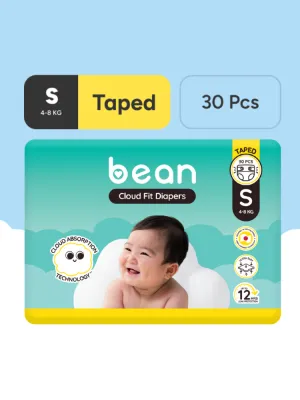
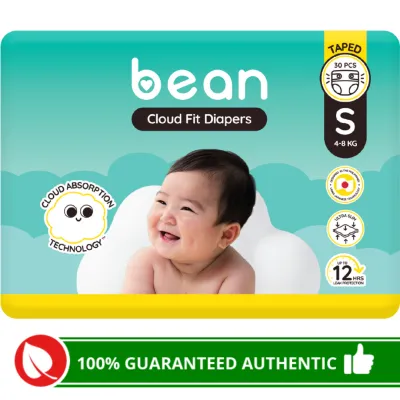
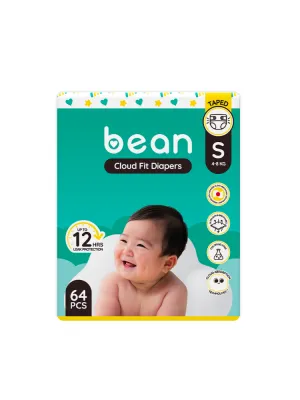
![[Bundle of 2] bean Cloud Fit Taped Diapers Small (4-8 kg) - 60 pcs](https://img.lazcdn.com/g/p/478688985ce425555446352d186aea3a.png_400x400q80.png_.webp)
![[Bundle of 3] bean Cloud Fit Taped Diapers Small (4-8 kg) - 90 pcs](https://img.lazcdn.com/g/p/b02dce3dccb4c1145554d2b070784475.png_400x400q80.png_.webp)
![[Bundle of 5] bean Cloud Fit Taped Diapers Small (4-8 kg) - 150 pcs](https://img.lazcdn.com/g/p/54a7112e7b384e7fb7fbe728673080fe.png_400x400q80.png_.webp)
![[Bundle of 4] bean Cloud Fit Taped Diapers Small (4-8 kg) - 120 pcs](https://img.lazcdn.com/g/p/003af5da1264126f10fd167d8f93d084.png_400x400q80.png_.webp)
Prices are valid at publication and may change. Please refer to the product page for the latest price.
Because sizing standards are not universal, relying solely on the word “Small” can lead to unexpected leaks or discomfort. A small diaper from one brand might run narrow, while another might offer a wider cut. Checking the weight and age recommendations on the packaging helps ensure you do not accidentally buy a pack that your baby will immediately outgrow.
Comparing Fit and Comfort for Your Little Bean
A diaper’s fit is crucial for preventing leaks and keeping your baby comfortable throughout the day. To evaluate this, look closely at the waistband elasticity and leg cuff designs of each physical product. A high-quality waistband should stretch easily to accommodate a baby’s tummy after feeding, while the leg cuffs need to be flexible enough to seal around the thighs without pinching.

When putting a diaper on your baby, you can perform the “two-finger rule” to check for waist tightness. Slide two fingers easily between the diaper waistband and your baby’s tummy; if it feels too tight, the diaper is too small, and if it is too loose, leaks are likely to occur. Additionally, always run your finger around the leg cuffs to ensure the outer ruffles are fully unfolded and pointing outward, which acts as a barrier against moisture.
Poor fit usually leaves clear visual signs that indicate it is time to make an adjustment. If you notice deep red marks on your baby’s thighs or waist, the diaper is likely too tight or the elastic is too stiff. Conversely, gaps between the diaper and the skin at the legs or back, or frequent blowouts during normal movement, suggest the diaper is either too large or does not match your baby’s body shape.
Evaluating Absorbency and Skin Protection
Managing moisture is essential for maintaining healthy skin, especially in warm, humid tropical climates. Many modern small diapers feature wetness indicators, which are colored lines on the outside of the diaper that change hue when wet. This tool helps you time diaper changes accurately without having to constantly open the diaper to check, reducing unnecessary exposure to air and moisture.
To assess skin protection, examine the diaper’s inner lining material and any breathability claims printed on the packaging. A soft, textured inner sheet can help channel liquid away from the skin quickly, while a breathable outer cover allows air to circulate, helping to keep the diaper area dry. In high-humidity environments, this circulation is particularly important for preventing heat rash and irritation.
Establishing a consistent routine for checking skin dryness is the best way to monitor diaper performance. Touch your baby’s skin during a change; it should feel dry to the touch even if the diaper is wet. If you observe persistent redness, irritation, or diaper rash despite frequent changes, stop using that specific brand and consult a pediatrician to address potential sensitivities to the materials or adhesives.
Calculating Value and Cost per Diaper
To find the most economical choice for your household, you must calculate the true cost per piece rather than comparing total pack prices. To do this, take the total price of the pack in ₱ and divide it by the exact number of diapers inside. This simple calculation reveals the unit cost, allowing you to make an accurate financial comparison between different brands and packaging options.
Standard packs sold in local grocery stores often have a higher cost per piece than bulk boxes or mega-packs. When shopping on official brand stores or online marketplaces, look for larger packaging options or bundle deals, which frequently offer a lower unit price. However, only buy in bulk once you are certain a specific brand fits your baby well and does not cause skin irritation.
Remember to factor in the hidden cost of diaper change frequency. A highly budget-friendly diaper might seem cheaper upfront, but if its absorbency requires you to change your baby more frequently to maintain skin dryness, you will use more pieces per day. In contrast, a slightly more expensive diaper that keeps skin dry for longer periods may end up costing less over time by reducing the total number of daily changes.
How to Choose the Right Small Diaper for Your Baby
Selecting the right brand comes down to matching your baby’s physical needs and your budget to the specific strengths of each diaper. If your baby has highly sensitive skin that easily reacts to friction, Pampers is often a suitable choice due to its emphasis on premium softness and gentle materials. This brand is particularly useful for babies who need a soft, non-abrasive barrier against their skin.
If your baby is highly active, constantly kicking, or rolling over, Huggies is a strong candidate. Its design focuses on a secure, snug fit with elastic waistbands and sturdy tabs that help prevent side leaks during movement. This structured fit is ideal for babies who tend to wiggle out of looser diapers or experience leaks when they move.
For households looking for a cost-effective daily option, Equator serves as a practical choice. It is well-suited for daytime use when you can change your baby frequently, making it an economical way to manage daily diapering without paying a premium for advanced features. It works best if your baby does not experience frequent heavy wetting or overnight leaks.
Before making a final purchase, verify where your baby falls on the weight boundary of the “Small” category. If your baby is near the upper limit of the weight range, it is often wise to buy a smaller pack or transition to the next size up, as sizing up can resolve persistent leak issues regardless of the brand you choose.
Frequently Asked Questions (FAQ)
How do I know if my baby needs to size up from small diapers?
You can identify the need to size up by looking for key physical indicators during daily wear. If the diaper leaves deep red marks on your baby’s waist or thighs, or if the waistband sits significantly below the belly button, the diaper is too small. Frequent leaks, blowouts, or difficulty fastening the tabs securely also indicate that your baby has outgrown the current size and needs to transition to the next weight range.
Can I mix different diaper brands for daytime and nighttime use?
Yes, mixing different diaper brands is a practical strategy that many caregivers use to balance budget and performance. You might choose a highly cost-effective brand for daytime hours when changes are frequent, and use a more absorbent, premium brand for longer nighttime sleep. If you adopt this approach, monitor your baby’s skin closely to ensure they do not experience any adverse reactions from switching between different inner lining materials.
Community discussion
Share your experience or ask a question. Comments are reviewed before publication.