
Finding the right diaper for a toddler’s special event or active playdate involves balancing mobility, skin comfort, and reliable leak protection. When comparing Pampers, Equator, and Huggies party diapers—often referred to in local contexts as a kalansangan party diaper or event-wear pull-up—there is no single universal winner. The ideal choice depends on your child’s unique body shape, how much they sweat in tropical climates, and how long they will be wearing the diaper without a change. By focusing on observable fit indicators and checking package labels, parents can select a diaper that prevents embarrassing leaks during parties.
Active toddlers require diapers that move with them, especially during high-energy games and outdoor gatherings. In warm, humid environments like the Philippines, a diaper must not only absorb liquid but also allow heat and moisture to escape to prevent painful chafing. Evaluating these brands requires looking closely at their structural designs, elastic components, and material certifications. This guide outlines the exact criteria you should inspect on the physical packaging and observe during active wear to make an informed decision.
Key Criteria for Evaluating Toddler Party Diapers
To find a reliable diaper for events, caregivers must first examine the physical construction of the waistband and leg cuffs. A high-quality party diaper should feature a highly elastic waistband that stretches comfortably around the toddler’s abdomen without leaving deep red indentations. The leg cuffs require double-layered elastic barriers that sit flat against the inner thighs, acting as the primary defense against sudden leaks when the child runs, jumps, or climbs.
Products mentioned in this guide

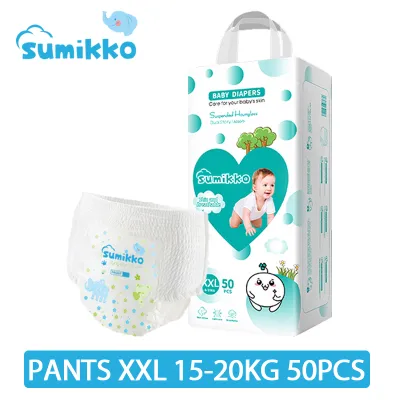
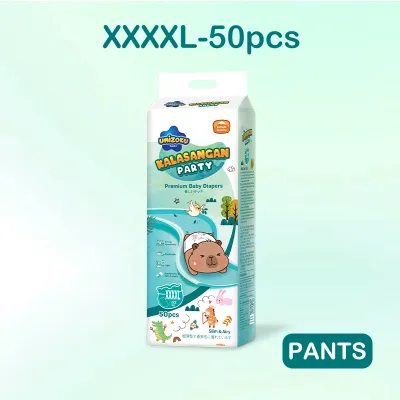
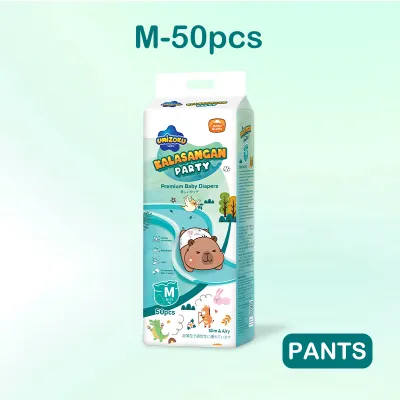
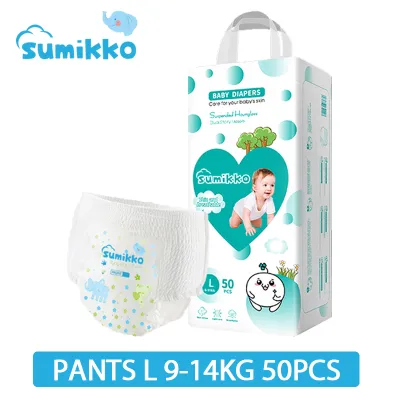
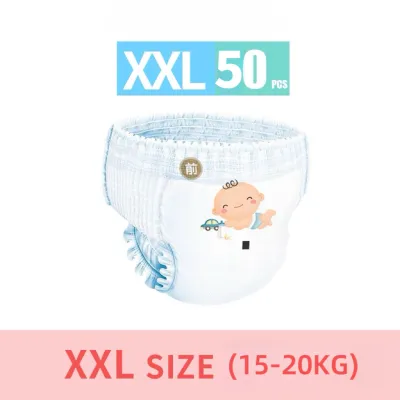
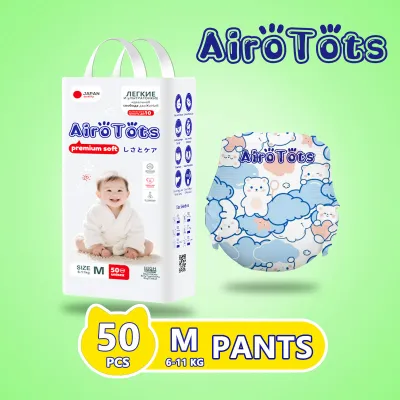
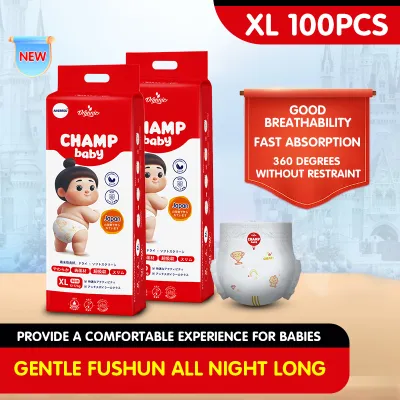
Prices are valid at publication and may change. Please refer to the product page for the latest price.
Another critical element is the distribution of the absorbency core and the presence of a reliable wetness indicator. For active toddlers, the absorbent material must remain stable and not clump together when wet, which can restrict movement and cause the diaper to sag. A clear wetness indicator on the outside of the diaper allows parents to perform quick visual checks during a busy party without having to undress the child completely.
Finally, material breathability and skin sensitivity labels are paramount, particularly during long outings in warm weather. Caregivers should look for packaging that explicitly states the materials are breathable or feature micro-pores that allow air circulation. Verifying hypoallergenic labels, fragrance-free certifications, and dermatological test marks on the package helps minimize the risk of sudden allergic reactions or heat rash during an event.
Evaluating Pampers Party Diapers for Active Play
Pampers pull-up style diapers are widely recognized for their focus on a soft, cloth-like feel and flexible fit. When evaluating a specific Pampers variant for active play, parents should inspect the packaging for claims regarding 360-degree stretch and breathable outer layers. These features are designed to mimic regular underwear, allowing the toddler to move freely without feeling restricted by a bulky or stiff structure.

To assess the performance of these diapers, observe the waistband recovery after your toddler has been running or bending for an hour. The elastic should return to its original shape without slipping down the hips or bunching up at the lower back. Additionally, check the leg seals to ensure they remain snugly in place against the skin, preventing gaps from forming during wide-legged movements like climbing or sliding.
Skin safety is another crucial factor to verify on Pampers packaging before purchasing. Look for specific labels indicating that the materials are hypoallergenic and free from parabens or latex. Many Pampers products carry endorsements or dermatological testing seals from independent skin health organizations, which provide peace of mind for parents whose toddlers are prone to eczema or diaper dermatitis in humid weather.
Assessing Equator Party Diapers for Event Absorbency
Equator diapers are often considered a practical option for families looking for reliable performance during routine outings and events. When examining Equator party diapers, start by inspecting the thickness and structure of the absorbent core. A well-designed core should distribute liquid evenly across the front and back, preventing the heavy sagging that can pull the diaper down and cause leaks at the waist.
The pull-up stretch limits and side panel durability of Equator diapers are also important to evaluate. Active toddlers put significant stress on the side seams of pull-up diapers when they squat or run. Check the side panels to ensure they offer sufficient elasticity to accommodate sudden movements while remaining strong enough not to tear prematurely during active play.
Additionally, review the packaging for recommended wear-time guidelines and the specific design of the leak-guard barriers. Some variants may feature raised leak guards along the legs that are specifically engineered to contain liquid during high-impact activities. Understanding these manufacturer recommendations helps you plan diaper changes effectively during a long party or family gathering.
Checking Huggies Party Diapers for Movement and Leak Protection
Huggies diapers are frequently selected by parents of highly active toddlers due to their structured design and targeted protection zones. When assessing a Huggies variant for event wear, look for features such as a contoured fit and specialized absorbent zones that are positioned differently for boys and girls or optimized for unisex active wear. This targeted design helps absorb liquid quickly at the point of impact, reducing the risk of surface wetness touching the skin.
The side panels of Huggies pull-ups deserve close inspection, particularly regarding how easily they can be torn open for quick changes. During a busy event, you want a diaper that stays secure during play but can be removed quickly without hassle when it is time for a replacement. Test the tear-away sides on a sample diaper to ensure they rip smoothly along the designated seam without leaving sharp or rough edges.
Lastly, check the product label for skin-safe certifications and fragrance-free options. Many Huggies lines are formulated without elemental chlorine, natural rubber latex, or added fragrances, making them suitable for sensitive skin. Verifying these certifications on the physical package ensures that the diaper will not irritate your toddler’s skin during hours of continuous movement and sweating.
Feature Comparison Matrix for Active Toddlers
To help you compare these three options at a glance, the following matrix summarizes the key verifiable features and label claims commonly found on their packaging. Please note that exact absorbency capacities, material compositions, and current retail prices in Philippine Pesos (₱) can vary. You should always check the physical packaging and local store listings to verify these details before making a purchase.
| Feature | Pampers Pull-Ups | Equator Pull-Ups | Huggies Pull-Ups |
|---|---|---|---|
| Waistband Type | 360-degree elastic stretch | Standard elastic waistband | Contoured elastic waistband |
| Wetness Indicator | Available on most variants | Check specific packaging | Available on most variants |
| Hypoallergenic Labels | Yes, dermatologically tested | Check package for details | Yes, fragrance-free options |
| Tear-Away Sides | Yes, smooth tear seams | Yes, standard tear seams | Yes, easy-open side panels |
Decision Framework: Which Brand Fits Your Toddler's Needs?
Selecting the best diaper for your active toddler involves matching the diaper’s specific design strengths with your child’s physical needs and the nature of the event. Choose Pampers if your primary goal is to find a diaper with widely verified skin-sensitivity labels and a highly flexible, cloth-like stretch fit that minimizes friction against the skin. This option is particularly suitable for toddlers with sensitive skin who require a soft, non-irritating barrier during long hours of social interaction.
Opt for Equator if you are looking for a practical, budget-friendly option that allows for frequent changes during shorter events. This brand is ideal for parents who prefer to change their toddler’s diaper at regular, short intervals to maintain freshness, rather than relying on a single diaper for an extended period. It provides a functional balance of stretch and absorbency for standard play sessions.
Select Huggies if your toddler is exceptionally active and requires a highly structured diaper with targeted leak guards and robust side panels. This choice is excellent for high-impact events where your child will be jumping, running, or participating in physical games that demand maximum structural integrity from the diaper.
Before making your final choice, always verify if your toddler has any known skin allergies by carefully reading the exact ingredient and material lists printed on the physical package. Testing a small pack of any new brand at home before a major event is the safest way to ensure a comfortable, leak-free experience for your child.
Frequently Asked Questions (FAQ)
Can I use regular tape diapers instead of party diapers for events?
While regular tape diapers are highly adjustable, they can be impractical for active toddlers during events. Changing a tape diaper usually requires the toddler to lie down, which can be difficult and unhygienic in crowded public restrooms or event spaces. Furthermore, the adhesive tapes on regular diapers run a higher risk of detaching or shifting when subjected to the constant twisting, running, and jumping typical of active play, potentially leading to sudden leaks.
How do I know if the party diaper is too tight or too loose?
You can determine if a diaper fits correctly by performing a few simple visual checks. After removing the diaper, look for deep red marks or indentations around your toddler’s waist and upper thighs; these signs indicate the diaper is too tight and may cause chafing. Conversely, if you observe gaps between the leg cuffs and the skin, or if the diaper sags significantly even when dry, the diaper is too loose and is highly likely to leak during active movement.
Should I size up for party diapers during long outings?
Sizing up is not always the best solution for long outings and should be decided based on fit rather than duration. Always consult the manufacturer’s weight range printed on the packaging as your primary guide. If your toddler is near the upper limit of their current size and you frequently observe leaks at the leg cuffs or red marks on the skin, sizing up can provide additional absorbency and a more comfortable fit. However, sizing up too early can create gaps at the legs, leading to immediate leaks.

Community discussion
Share your experience or ask a question. Comments are reviewed before publication.