
Finding the right pants diaper for an active baby in a warm, humid climate can be a daily challenge. When babies start crawling, pulling up, and walking, traditional tape diapers often shift, leading to messy leaks. Pants diapers offer a convenient solution, but choosing between major brands like Pampers, Equator, and Huggies requires looking closely at how they fit your baby’s unique body shape.
There is no single diaper that works perfectly for every child. Instead, the most reliable leak protection depends entirely on your baby’s thigh thickness, waist size, and movement patterns. Generally, Pampers focuses on a highly flexible, stretchy fit that moves with the baby. Huggies emphasizes structured absorbency channels and firm leg elastics to lock in wetness. Equator offers a budget-friendly option designed for bulk capacity and frequent changes. To find the perfect match, parents must understand how these designs interact with an active baby’s daily movements.
What Actually Prevents Leaks in Pants Diapers?
To evaluate any pants diaper objectively, it helps to understand the physical mechanisms that keep wetness contained. Active babies put diapers through rigorous stress tests every time they bend, sit, crawl, or climb.
Products mentioned in this guide
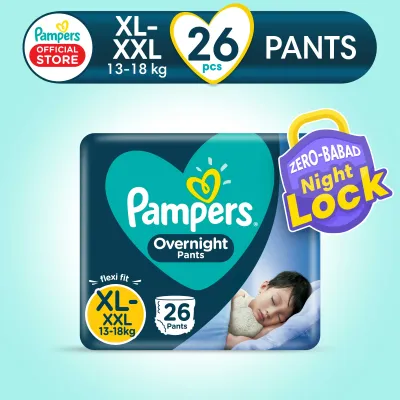
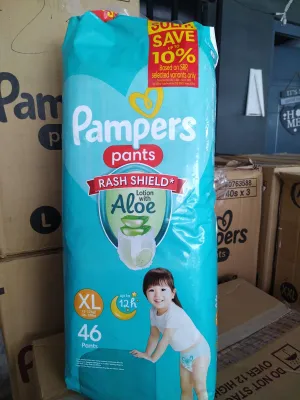
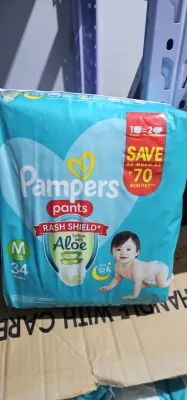


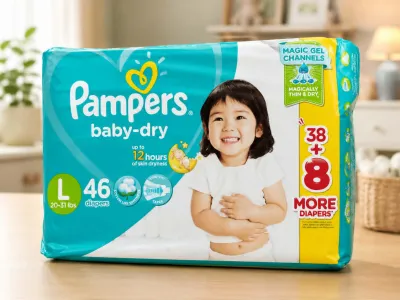
Prices are valid at publication and may change. Please refer to the product page for the latest price.
Leg Cuffs and Elasticity The leg openings are the most common site for side leaks. Quality pants diapers feature double leak guards, which are inner and outer barriers made of hydrophobic material. These guards must stand upright against the baby’s skin. Stretchy leg elastics ensure that as the baby moves, the cuff maintains a continuous seal without leaving gaps.
Waistband Fit A 360-degree stretchy waistband is essential for active infants. When a baby transitions from standing to sitting or crawling, their abdomen expands and contracts. A flexible waistband stretches to accommodate these changes while maintaining a snug seal at the lower back, preventing messy back leaks.
Absorbent Core Distribution The way a diaper distributes liquid determines how long it can perform. Modern pants diapers use absorbent cores with specialized channels or distributed superabsorbent polymers. This design prevents the liquid from pooling in one spot, which causes the diaper to sag, pull away from the body, and create gaps at the thighs.
Wetness Indicators While not a physical barrier, a wetness indicator strip changes color to show when the diaper is saturated. This visual cue helps caregivers change the diaper before its physical capacity is exceeded, which is especially useful in humid tropical climates where skin health depends on keeping babies dry.
Comparing Pampers, Equator, and Huggies Pants Features
Let’s look closely at the physical characteristics of each brand to see how they handle the demands of an active baby.

Pampers Pants Often available as Pampers Baby-Dry Pants, this option is widely recognized for its thin profile and exceptional waistband stretch. The waistband is soft and highly elastic, distributing pressure evenly around the baby’s waist without leaving harsh red marks. The leg cuffs are soft and flexible, making them highly accommodating for babies with average to slender builds. When wet, the core distributes moisture across absorbing channels, keeping the diaper relatively thin and preventing heavy sagging between the legs.
Huggies Pants Typically found as Huggies Dry Pants, this brand features a more structured and robust design. The waistband is slightly firmer, providing a secure hold that resists sliding down even when the diaper is full. Huggies diapers often incorporate highly defined absorbent channels designed to lock wetness away quickly. The leg elastics are firm and provide a secure, snug fit, which is particularly beneficial for babies with chubbier thighs who need a reliable seal to prevent side leaks.
Equator Pants As a budget-conscious alternative, Equator Pants focus on providing reliable, straightforward protection. These diapers are often slightly thicker than premium brands, relying on a traditional absorbent core. While the waistband and leg elastics offer basic stretch, they may not feel as soft or highly flexible as those on Pampers or Huggies. However, for parents who practice frequent diaper changes—especially during hot, humid days—Equator offers a practical solution that balances cost and capacity.
| Feature | Pampers Pants | Huggies Pants | Equator Pants |
|---|---|---|---|
| Waistband Stretch | High flexibility, soft texture | Firm, secure hold | Moderate stretch, basic elastic |
| Leg Cuff Design | Soft, double-layer guards | Firm, structured double guards | Standard double leak barriers |
| Core Thickness | Thin, channel-distributed | Medium, structured channels | Thicker, traditional core |
| Wetness Indicator | Available on most lines | Available on most lines | Varies by product line |
How to Test and Verify Leak Protection at Home
Because every baby is built differently, the ultimate test of any pants diaper happens in your own home. You can use a simple, systematic approach to verify if a brand is working for your child.
The Fit Check When putting on a new pants diaper, always perform a quick manual check. Run your fingers along the inside of the waistband; you should be able to fit two fingers comfortably without stretching the elastic to its limit. Next, check the leg cuffs. Ensure the outer frills are pulled completely outward and are not tucked inward, which is a primary cause of immediate leg leaks.
The Movement Test Observe your baby during active play. Watch them crawl, climb, or walk. If the diaper begins to sag heavily or shift to one side before it is wet, the fit is too loose. Conversely, if you notice the waistband rolling down or leaving deep red indentations on their skin after play, the diaper is too tight or the cut is incompatible with their body shape.
The Stress Test Pay close attention during periods of high fluid intake or long sleep stretches. A diaper that works perfectly during active daytime play might leak overnight if the baby is a heavy wetter. If you experience consistent leaks during sleep, it may indicate that the diaper’s core capacity has been reached, or that the baby’s sleeping position causes liquid to pool faster than the core can absorb it.
When to Stop and Switch Do not hesitate to change brands or sizes if you notice persistent issues. If your baby develops red marks around the thighs or waist, experiences frequent side leaks despite correct fitting, or if the diaper sags to the point of restricting movement, it is time to try a different size or switch to a brand with a different cut.
Decision Framework: Which Brand Fits Your Baby Best?
To finalize your choice, consider your baby’s physical build, daily routine, and your household budget.
Choose Pampers if Your baby has a slender or average build, moves constantly, and needs a highly flexible waistband that stretches easily. This option is ideal if you prefer a thin, lightweight diaper that minimizes bulk under lightweight clothing.
Choose Huggies if Your baby has thicker thighs, is a heavy wetter, or needs a firmer, more structured waistband to prevent the diaper from sliding down during active play. The robust leg cuffs are excellent for containing sudden, heavy wetness.
Choose Equator if You are managing a strict budget where every ₱ counts, and you prefer to change your baby’s diaper frequently to maintain hygiene in warm weather. It is a practical choice for daytime use when you can monitor and change the diaper regularly.
Verify First if Your baby has highly sensitive skin or unique body proportions. Always purchase a small trial pack first to test the fit and skin compatibility before investing in bulk boxes from online marketplaces or local supermarkets.
Frequently Asked Questions (FAQ)
Does sizing up in pants diapers stop leaks for active babies?
Sizing up can be an effective troubleshooting step if leaks occur because the diaper is reaching its maximum absorbency capacity too quickly. A larger size contains more absorbent material, which can handle more liquid. However, caregivers must be cautious: if you size up too early, the leg cuffs and waistband may be too loose. This creates gaps around the thighs and waist, leading to increased leaks during crawling or walking. Always check the weight guidelines on the packaging, but prioritize the physical fit on your baby’s thighs and waist over the weight number alone.
Why do pants diapers leak at the back during crawling?
Back leaks during crawling typically happen because of the baby’s physical posture. When a baby crawls, their body is angled downward, causing liquid to pool toward the front and middle before migrating backward. If the waistband lacks sufficient stretch or is not pulled up high enough, a gap forms at the lower back when the baby bends. To prevent this, ensure the waistband is pulled up evenly, sitting just above the hip bones. You can also look for diapers with a high waist guard or a pocketed waistband design that physically traps liquid before it can escape up the back.

Community discussion
Share your experience or ask a question. Comments are reviewed before publication.