
Choosing the right pants diaper for your baby in the Philippines is a complex balancing act that requires parents to weigh absorbency, skin protection, and daily cost. With the year-round tropical heat and high humidity, a diaper that fails to breathe or sags under pressure can quickly lead to physical discomfort and painful diaper rash. When comparing Pampers, Equator, and Huggies pants diapers, there is no single, universally superior option for every household. Instead, the correct choice depends heavily on your baby’s developmental stage, physical build, and your family’s daily budget.
To help you make an immediate, informed decision, consider this conditional framework based on your primary parenting priorities:
- Choose Pampers pants if your primary goal is a slim, lightweight fit that offers excellent daytime mobility. This design is highly suitable for active toddlers who run hot and need a diaper that does not feel bulky under light tropical clothing.
- Choose Huggies pants if you require heavy-duty leak protection, particularly for overnight use or for highly active crawlers who put constant physical pressure on the diaper's edges.
- Choose Equator pants if you are looking for a highly budget-friendly, reliable everyday diaper that provides solid basic absorbency for frequent daytime changes without a premium price tag.
Ultimately, your baby’s unique physical anatomy—such as the thickness of their thighs and the shape of their waist—will dictate which brand provides the most secure fit. Parents should always start with small trial packs to observe how a specific cut conforms to their baby’s body before committing to bulk purchases.
Products mentioned in this guide
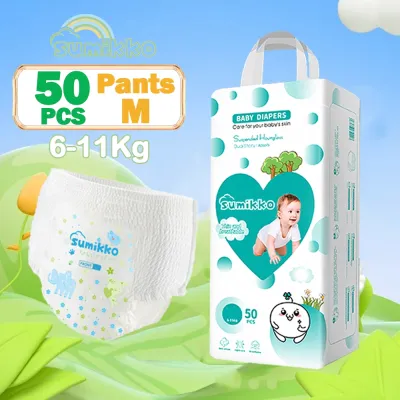
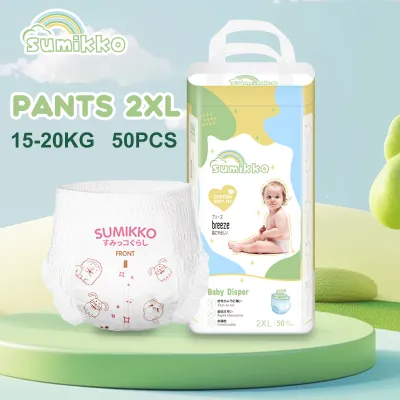
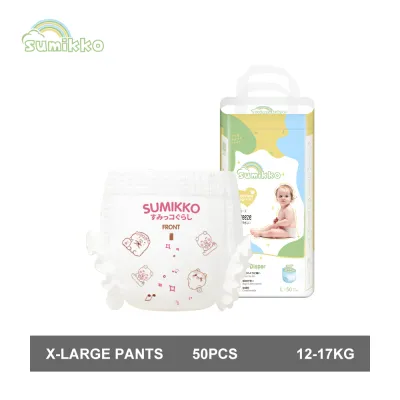
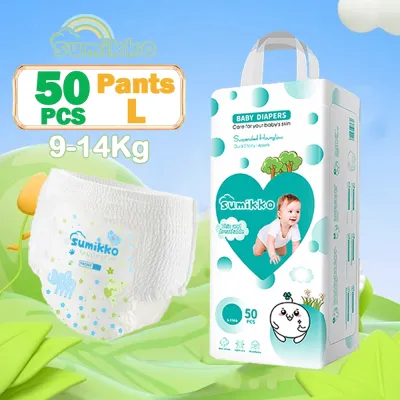
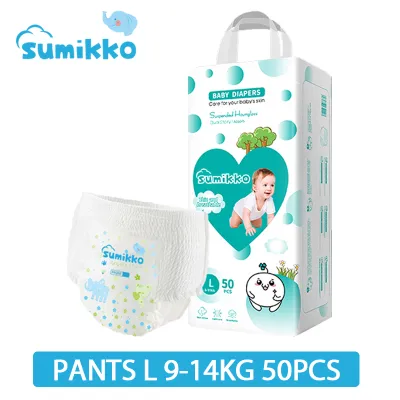
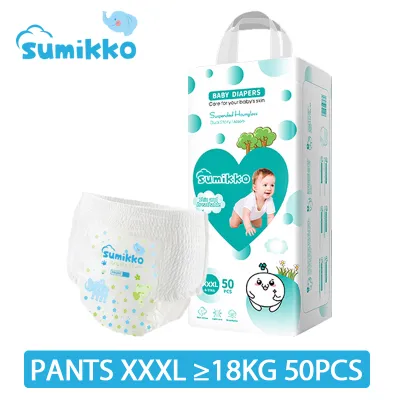
Prices are valid at publication and may change. Please refer to the product page for the latest price.
Absorbency and Leak Protection Compared
Core Absorbency Technology and Distribution
To understand how these brands keep your baby dry, it is essential to look at the materials and technology inside the core. Modern pants diapers rely on Superabsorbent Polymers (SAP) mixed with cellulose wood pulp or structured into specialized channels to lock away liquid. When shopping, always inspect the packaging for terms like “absorbent channels,” “magic gel,” or “multi-layer distribution sheets.” These features are designed to draw wetness away from the surface quickly and distribute it evenly throughout the diaper.
To evaluate this performance at home, perform a visual and tactile inspection after your baby has worn the diaper for a few hours. A high-performing core will distribute the liquid along the entire length of the diaper, keeping the surface relatively dry to the touch. If you notice that the wetness pools in one specific spot—creating a heavy, saggy gel clump right in the middle—the diaper’s distribution layers may not be operating efficiently for your baby’s posture. In the humid Philippine climate, pooled moisture can trap heat against the skin, increasing the risk of irritation, making even distribution a critical factor.
Another practical way to test absorbency is the “paper towel check.” During a diaper change, gently press a clean, dry paper towel against the inner lining of the wet diaper. If the paper towel comes away damp, it indicates that the diaper is allowing moisture to re-wet the skin under the pressure of your baby’s body weight. High-quality SAP cores should lock moisture away so securely that the paper towel remains dry, protecting the skin barrier from prolonged wetness.
Leak Guard Designs for Active Movement
Even the most absorbent core will fail if the diaper’s physical barriers cannot contain sudden rushes of liquid. This is where leg cuffs and waistband barriers become vital. Leg cuffs typically consist of double-layered elastic ruffles made from hydrophobic materials that repel water. These ruffles act as a physical dam, holding back liquid until the core can absorb it.
When your baby is crawling, sitting, or climbing, their body shape changes constantly, creating temporary gaps between the diaper and the skin. To prevent leaks, check for gaps around the thighs and waist while your baby is in various positions. A proper fit means the elastic sits snugly against the skin without digging in. Always make it a habit during diaper changes to run your finger along the inner leg ruffles to pull them outward. If these ruffles remain folded inward, they lose their protective sealing capability, leading to predictable leg leaks regardless of the brand’s overall quality.
Additionally, pay close attention to the back waistband barrier. Active babies who spend a lot of time lying on their backs or crawling often experience leaks if the waistband lacks a snug elastic seal. A diaper with a high, elasticized back waist provides an extra layer of security against upward leaks, especially during loose bowel movements.
Fit, Comfort, and Mobility for Active Babies
Waistband Elasticity and Leg Cuff Tension
The way a pants diaper hugs your baby’s waist determines both its security and its comfort. Different brands employ distinct design philosophies when it comes to elasticity. Some brands utilize a full 360-degree stretch waistband that mimics underwear, providing uniform tension all the way around. Others rely on targeted stretch panels located primarily at the sides or back, leaving the front panel flatter.

To ensure the waistband is not too tight, use the “two-finger rule.” After pulling the pants diaper up, you should be able to easily slide two fingers between the elastic band and your baby’s tummy. If you find yourself struggling to insert your fingers, or if you notice deep red marks or indentations on your baby’s waist or thighs after removal, the elastic tension is too high. This is a clear indicator that you need to size up, even if your baby’s weight still falls within the recommended range printed on the packaging.
The tension of the leg cuffs must also be evaluated carefully. While a tight seal prevents leaks, excessive tension can restrict blood circulation and cause chafing, particularly on babies with rounder, chubbier thighs. If you notice your baby pulling at the leg openings or if the skin in the groin crease appears raw or irritated, the diaper is likely too tight or the cut is incompatible with their body shape.
Bulkiness and Range of Motion
There is a direct trade-off between maximum diaper absorbency and a baby’s freedom of movement. Diapers designed for heavy overnight use often feature thicker absorbent cores, which can become bulky and heavy when wet. For daytime wear, especially when babies are learning to roll, crawl, or take their first steps, a bulky diaper can sit awkwardly between the thighs, potentially altering their natural walking gait.
Observe your baby as they move around the room. A well-fitting pants diaper should remain close to the body, moving naturally with the baby’s hips. If you notice the diaper sagging significantly between the legs—even when it is relatively dry—or if your baby frequently pulls at the waistband or struggles to lift their legs while climbing, the diaper’s cut may be too bulky or poorly proportioned for their frame. Choosing a slimmer daytime diaper can support their gross motor development while keeping them comfortable.
Furthermore, the weight of a fully saturated, bulky diaper can pull the waistband down, leading to sagging and eventual leaks. A slim, highly efficient core that maintains its structure even when wet is highly desirable for daytime play, as it keeps the diaper securely in place without restricting the baby’s natural range of motion.
Skin-Friendliness and Breathability in Tropical Climates
Surface Material and Airflow Design
In the Philippines, where high ambient humidity and warm temperatures are the norm, diaper breathability is a primary concern for preventing heat rash and diaper dermatitis. The inner lining of the diaper, which directly touches your baby’s skin, should feel soft and dry. Many premium diaper brands design their outer covers with micro-pores or breathable zones that allow hot, humid air to escape while keeping liquid locked inside.
When choosing a diaper, feel the inner sheet yourself to check for a soft, cotton-like texture rather than a stiff, plastic feel. Some manufacturers add skin-conditioning lotions, such as aloe vera or chamomile, to the top sheet to help protect the skin barrier. Always check the product label for these ingredients to verify if they are suitable for your baby, especially if your child has extremely sensitive skin or known allergies. Remember, however, that no added lotion or breathable membrane can replace the need for timely changes; leaving a wet diaper on for too long will inevitably compromise skin health.
The outer cover, or backsheet, also plays a massive role in temperature regulation. Diapers with plastic-like backsheets trap heat and sweat, creating a sauna-like environment inside the diaper. Look for diapers that feature a “cloth-like” or “breathable” backsheet, which allows vapor to pass through. You can often test this by holding the diaper over a cup of hot water; if steam passes through the outer cover, the diaper possesses high breathability.
Wetness Indicators and Changing Routines
Most modern pants diapers feature a wetness indicator—a chemical strip down the center that changes color (usually from yellow to blue or green) when exposed to moisture. In highly humid tropical environments, ambient moisture in the air can occasionally cause these indicators to change color slightly even before use, so always store your diaper packs in a cool, dry place and seal open packages tightly.
To maintain healthy skin, establish a consistent changing routine. During daytime hours, diapers should generally be changed every three to four hours, or immediately following any bowel movement. If your baby develops persistent redness, swelling, broken skin, or a rash that does not improve after a few days of frequent changes and barrier cream application, stop using the current diaper brand immediately and consult a qualified pediatrician. These symptoms could indicate an allergic reaction to a specific material or a secondary fungal infection that requires professional medical treatment.
When applying barrier creams during changes, ensure the skin is completely dry first. Applying cream over damp skin can trap moisture underneath, worsening irritation. For daily maintenance, a thin layer of zinc oxide or petroleum-based barrier cream can protect the skin from the corrosive enzymes present in urine and stool.
Value, Availability, and Special Editions
To determine which brand offers the best financial value for your household, look beyond the price tag of the bag and calculate the cost per piece. To do this, divide the total cost of the pack by the number of diapers inside. This calculation allows you to compare value accurately across different pack sizes, such as small travel packs, medium bags, and bulk boxes. Typically, diaper pricing falls into three broad bands in the local market: budget options (often under ₱7 per piece), mid-tier options (₱8 to ₱12 per piece), and premium options (₱13 and above per piece).
In addition to standard designs, some brands occasionally release limited-edition prints to appeal to parents and toddlers. A notable example is the sumikko pants diaper collaborations, which feature popular, adorable characters on the outer cover. While these special editions add a fun, aesthetic element to diaper changes, parents should always verify that these decorated diapers maintain the same core absorbency, materials, and fit specifications as the brand’s standard line. Sometimes, specialty prints are priced slightly higher, so you must weigh the aesthetic appeal against your daily budget.
Regardless of the brand you choose, always purchase your diapers from official brand stores on authorized e-commerce platforms, reputable local pharmacies, or major supermarkets. Buying from authorized channels ensures you are getting authentic products that have been stored in temperature-controlled, hygienic conditions, protecting your baby from counterfeit goods or degraded materials that fail to perform safely. Avoid buying extremely cheap, unbranded diapers from unauthorized online sellers, as these products may lack safety testing and contain harsh chemicals that can harm your baby’s skin.
How to Transition and Test a New Diaper Brand
Switching your baby to a new brand of pants diapers requires a careful, systematic approach to avoid wasting money on a bulk purchase that might not fit or could irritate your baby’s skin.
First, always purchase the smallest available trial or travel pack of the new brand. Begin your test during the daytime when your baby is active and you can perform frequent check-ins. This allows you to monitor how the diaper handles movement, whether the leg cuffs create a reliable seal, and how the baby’s skin reacts to the new materials. Keep a close eye on the waistband and thigh areas for any signs of chafing or red marks.
Second, avoid introducing a new diaper brand at the same time you are making other significant changes in your baby’s routine, such as introducing solid foods, transitioning to a new skincare lotion, or during active teething. If your baby develops a skin reaction or digestive change during a multi-variable transition, it becomes incredibly difficult to isolate the diaper as the cause. By testing the diaper in isolation, you can accurately evaluate its performance and skin-friendliness for your baby.
Finally, keep a simple log for the first three to five days of using the new brand. Note any leaks, the time of day they occurred, and the condition of your baby’s skin during changes. This structured observation will give you clear, objective data on whether the new diaper is a successful match for your baby’s needs.
Frequently Asked Questions (FAQ)
Can I use pants diapers for newborns?
Pants diapers are generally not recommended for newborns. They are designed for older, more active babies who can roll over, crawl, or stand, as the pull-up design requires the caregiver to lift the baby’s legs or have the baby stand during changes. For newborns, traditional tape diapers are much easier to apply while the baby is lying flat on their back. Additionally, tape diapers allow for precise adjustments around a newborn’s delicate, healing umbilical cord. Always check the manufacturer’s minimum weight guidelines printed on the packaging before transitioning your baby to pants diapers.
How do I know if the pants diaper is too small?
There are several clear, physical signs that your baby has outgrown their current diaper size. First, look for deep red marks or elastic indentations around your baby’s waist or thighs after removing the diaper. Second, if you experience frequent leaks or blowouts even when the diaper is not fully saturated, the coverage area may be too small. Third, if the waistband sits significantly below your baby’s belly button or if you find yourself struggling to pull the diaper up over their hips, it is time to transition to the next size up to ensure proper protection and comfort.

Community discussion
Share your experience or ask a question. Comments are reviewed before publication.