
Quick Answer: Which Medium Diaper Pants 50-Pack Should You Choose?
Choosing a diaper pants medium 50 pcs pack is a practical decision for parents in the Philippines, where high humidity and active daily routines require a reliable balance of absorbency, breathability, and value. There is no single “best” diaper for every infant; instead, the ideal option depends directly on your baby’s skin sensitivity, physical activity level, and your household budget.
- Choose Pampers if your baby is highly active, crawling, or cruising, and you require a lightweight diaper with rapid-drying channels and a highly flexible, 360-degree elastic waistband that moves with them.
- Choose Equator if you prioritize cost-effective daytime management, allowing for frequent, routine diaper changes without premium-brand expenses, especially during hot afternoons when frequent refreshes are crucial for skin hygiene.
- Choose Huggies if your baby has sensitive skin prone to redness, requires robust back-leak protection (such as when sleeping or sitting), or if you prefer a thicker, cotton-like outer texture.
Because a 50-pack represents a multi-week commitment, always verify your baby’s current weight against the specific kilogram range printed on the packaging before purchasing. Babies grow rapidly, and a medium size that fits perfectly today might become snug or prone to leaks before you finish all 50 pieces.
How to Evaluate Absorbency, Fit, and Comfort
Evaluating diaper pants requires looking beyond brand marketing to understand the physical construction of the product. When shopping for diaper pants medium 50 pcs, three core pillars dictate performance: how the diaper absorbs liquid, how it conforms to your baby’s body, and how it feels against their skin in humid tropical conditions.
Products mentioned in this guide
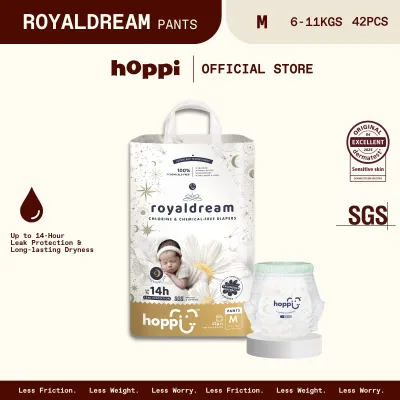
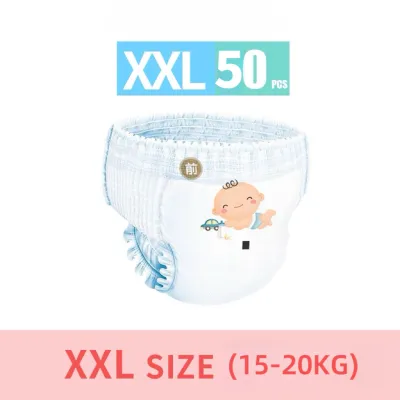
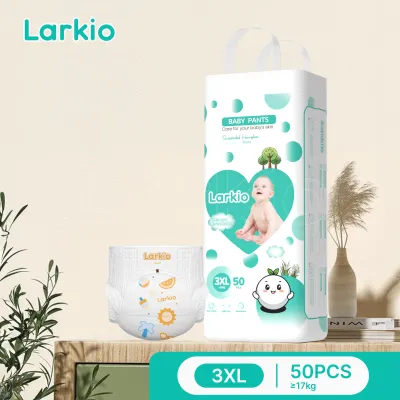
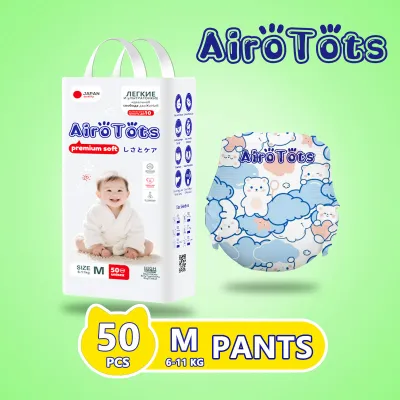
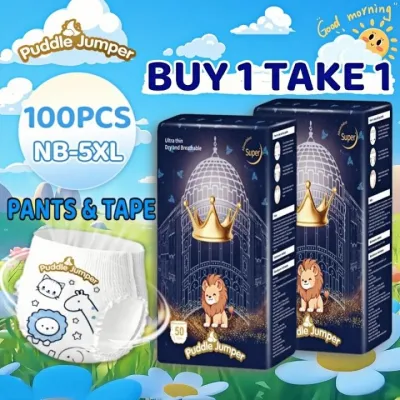
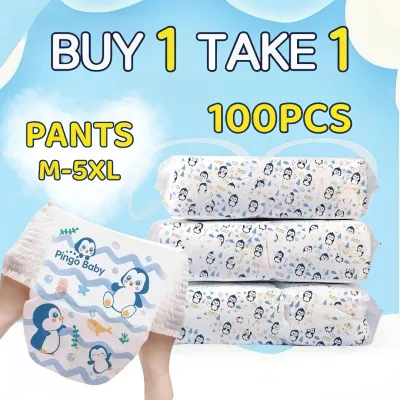
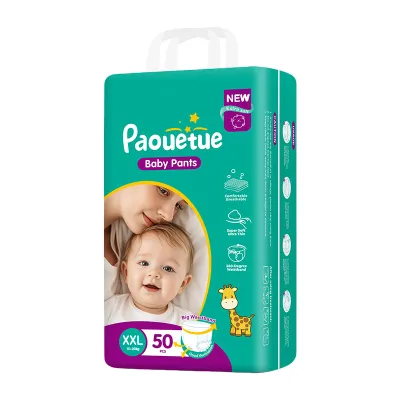
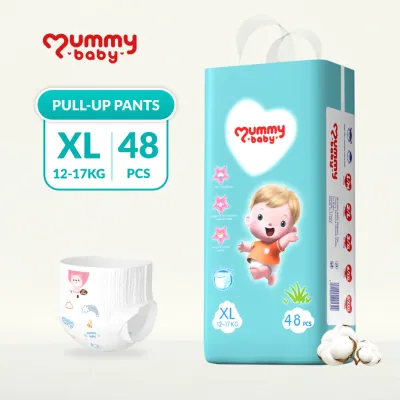
Prices are valid at publication and may change. Please refer to the product page for the latest price.

Absorbency and Core Technology
Absorbency is not merely about how much liquid a diaper can hold, but how quickly it draws moisture away from the skin and locks it inside the core. Modern disposable diapers utilize a blend of fluff pulp and Superabsorbent Polymer (SAP) particles. When liquid enters the diaper, the SAP locks it into a gel, preventing wetness from squeezing back onto the baby’s skin under pressure. To evaluate this, inspect the packaging for terms like “absorbent channels,” “distribution layer,” or “wetness indicator.” A distribution layer helps spread liquid evenly along the length of the diaper rather than letting it pool in one spot, which causes sagging. You can verify real-world performance by observing the diaper after several hours of use: if the core feels heavy but the top sheet remains dry to the touch, the distribution and locking mechanisms are performing effectively.
Fit and Leak Prevention
The fit of diaper pants relies heavily on the waistband and the leg cuffs. Unlike tape diapers, diaper pants must stretch easily over the baby’s hips while contracting securely around the waist without leaving deep red marks. When examining diaper pants, physically stretch the waistband to check its elasticity and recovery. A high-quality waistband should return to its original shape promptly. Next, inspect the inner leg gathers, often called leak guards. These are the thin, hydrophobic barriers running along the leg openings. They must stand upright when the diaper is opened. If the leg gathers are flat or lack adequate elastic tension, liquid will easily bypass them, leading to side leaks during active play or side-sleeping.
Comfort and Breathability in Humid Climates
In the tropical climate of the Philippines, high ambient temperatures and humidity levels of 80% or more make breathability a critical safety factor. When moisture and sweat are trapped inside a diaper, the skin’s natural barrier weakens, dramatically increasing the risk of diaper dermatitis (diaper rash). Comfort should be evaluated by feeling the inner top sheet; it should feel soft and non-abrasive. Additionally, check the outer backsheet. High-quality diaper pants feature micro-porous outer covers that allow air to circulate while keeping liquid molecules contained. If the outer cover feels stiff or plastic-like, it may trap heat and sweat, causing discomfort and heat rash around the waist and groin.
Pampers Medium Diaper Pants (50-Pack): Key Features and Best Fit
Pampers is widely recognized for its focus on lightweight, high-mobility diaper designs. When evaluating a Pampers diaper pants medium 50 pcs pack, you will find a design philosophy centered on keeping the baby dry while minimizing bulk.
Pampers utilizes a proprietary absorbent core design that distributes liquid across distinct channels. This structure prevents the diaper from sagging heavily between the baby’s legs, which can otherwise impede movement as they learn to crawl or walk. The waistband features a 360-degree stretch system designed to mimic the feel of regular underwear, distributing tension evenly around the abdomen to reduce the likelihood of red marks.
It is important to note that Pampers offers several sub-lines in the market, such as Baby Dry Pants and Premium Care Pants. Caregivers must inspect the exact packaging of the 50-pack to identify which line they are purchasing. The Premium Care line typically features a silkier top sheet and enhanced breathability, whereas the Baby Dry line focuses on long-lasting dryness at a more accessible price point.
- Best Fit: This brand is highly suited for active, mobile babies who are constantly on the move. The lightweight profile and flexible waist make it ideal for daytime wear when physical movement is at its peak. It is also excellent for parents who prioritize a dry-surface feel to prevent moisture-related skin irritation.
- Verification: Before committing to a 50-pack, verify the weight guidelines on the box. While medium diaper pants generally cover a range such as 6 to 11 kg, physical build varies. If your baby is on the upper end of the weight range or has particularly chunky thighs, you may need to transition to a larger size sooner than expected to avoid tight leg cuffs.
Equator Medium Diaper Pants (50-Pack): Key Features and Best Fit
Equator occupies a practical, value-focused space in the disposable diaper market. For families seeking diaper pants medium 50 pcs, Equator offers a straightforward, functional design designed to deliver reliable protection without the premium price tag.
The construction of Equator diaper pants typically emphasizes a soft, cloth-like backsheet and a simplified absorbent core. While it may not feature the complex multi-channel distribution systems of premium brands, it utilizes standard SAP and fluff pulp blends that provide reliable absorption for everyday use. The top sheet is designed to be gentle on the skin, and the outer cover is breathable to help manage heat and humidity.
Because value-oriented brands can vary in material composition, caregivers should read the packaging carefully to check the ingredient list and verify any specific dermatological test claims. Understanding the exact composition of the top sheet helps ensure it aligns with your baby’s skin tolerance.
- Best Fit: Equator is highly suitable for daytime use when diaper changes are naturally more frequent. In tropical climates, changing a diaper every three to four hours—regardless of how full it is—helps prevent sweat accumulation and bacterial growth. Using a cost-effective option like Equator for these rapid daytime rotations allows parents to maintain optimal hygiene practices without excessive financial strain.
- Verification: When purchasing an Equator 50-pack, verify the exact piece count and the recommended weight range on the label. Ensure the elastic waistband provides sufficient recovery when stretched, as a secure fit is essential to prevent sagging during active daytime play.
Huggies Medium Diaper Pants (50-Pack): Key Features and Best Fit
Huggies approaches diaper design with a strong emphasis on skin health, structural leak protection, and a plush, cotton-like feel. For parents considering Huggies diaper pants medium 50 pcs, the brand’s distinct design elements offer unique advantages for specific baby needs.
A hallmark of Huggies diaper pants is the focus on containment. Many of their designs incorporate specialized leak guards, including a pocketed waistband at the back designed to trap runny messes and prevent blowout accidents—a common challenge for infants in the medium-size developmental stage. The inner lining is often textured with unique patterns or embossed structures designed to absorb liquid quickly while minimizing the surface area of the diaper that directly touches the baby’s skin.
Huggies also distributes multiple sub-lines, such as Huggies Dry, Huggies Ultra, and Huggies Platinum. The specific series printed on the 50-pack box dictates the diaper’s thickness, softness, and overall absorbency capacity. For example, the premium lines often feature highly breathable, cotton-soft outer covers and lotion-infused inner sheets to protect delicate skin.
- Best Fit: Huggies is an excellent choice for babies with highly sensitive skin who require a soft, non-abrasive barrier. It is also highly recommended for overnight use or long car trips, where the combination of high-capacity absorbent cores and specialized back-leak barriers provides peace of mind against leaks.
- Verification: Carefully check the 50-pack packaging for skin-care endorsements, hypoallergenic certifications, or lotion infusions, such as aloe vera or chamomile, which are common in specific Huggies lines. Always cross-reference your baby's weight with the manufacturer's recommended range to ensure the elastic waistband fits snugly but comfortably.
Side-by-Side Label Checklist for Medium Diapers
To make an informed decision when comparing these three options in-store or online, you should know exactly what technical specifications to look for on the physical packaging. The table below serves as an instructional guide, highlighting the key features you should verify on the labels of Pampers, Equator, and Huggies medium diaper pants.
| Comparison Dimension | Pampers (Check Label For) | Equator (Check Label For) | Huggies (Check Label For) |
|---|---|---|---|
| Exact Weight Range | Verify if the medium size covers 6–11 kg or a different range on the specific sub-line package. | Confirm the weight range matches your baby's current weight, especially for local sizing variations. | Check if the medium size is optimized for 6–12 kg or a tighter range depending on the series. |
| Top Sheet Material | Look for mentions of a "mesh" top sheet or "cottony-soft" materials, depending on Baby Dry vs. Premium. | Check the material list for non-woven fabrics and verify any hypoallergenic or skin-safe claims. | Look for textured liners, embossed patterns, or skin-care lotion infusions (e.g., aloe vera). |
| Wetness Indicator | Verify if the package explicitly states the presence of a color-changing wetness strip on the front. | Check if a wetness indicator is included, as some value-focused packs may omit this feature. | Confirm the presence of a wetness indicator line, which is standard on most Huggies sub-lines. |
| Waistband Stretch | Look for "360-degree stretch" or "S-curve" waistbands designed for active, high-mobility babies. | Check for elastic waistband specifications to ensure comfortable tension and recovery. | Verify if the waistband features a soft, wide elastic band designed to minimize red marks. |
| Special Leak Guards | Look for double-layer leg cuffs or "leak barrier" claims on the side packaging. | Inspect the packaging description for basic barrier leg cuffs and leak-prevention layers. | Confirm if the specific pack features a "back pocket" or "3-way leak protection" system. |
Using this checklist allows you to compare the specific sub-lines available in your local retail outlet, ensuring you do not make assumptions based on brand name alone.
Final Decision Framework: Matching the Diaper to Your Baby
Ultimately, the best diaper pants medium 50 pcs pack is the one that fits your baby’s unique shape, suits their skin chemistry, and aligns with your daily routine. No amount of marketing can replace real-world observation.
Actionable Advice for Caregivers
If you are transitioning your baby to a new brand, a different sub-line, or moving up to the medium size for the first time, avoid purchasing a 50-pack immediately. Instead, buy a smaller trial pack first. Use these trial diapers over a period of three to five days. Observe how the diaper performs during active daytime play, overnight sleep, and immediately after heavy wetting. Check for any signs of skin irritation or red elastic marks around the waist and thighs. Once you have confirmed a perfect fit and excellent skin compatibility, you can confidently invest in the larger 50-pack to enjoy better cost-per-piece value.
Safety and Health Boundaries
Your baby’s health is the absolute priority. If you notice persistent diaper rash, severe redness, or skin chafing that does not resolve with standard diaper cream, stop using the current brand immediately. Similarly, if a diaper consistently leaks despite being within the correct weight range, the shape of that specific brand may not be compatible with your baby’s body type. In cases of severe or persistent diaper rash, always consult a pediatrician or qualified healthcare professional for guidance.
Storage and Maintenance
In the tropical climate of the Philippines, proper storage is vital to preserve diaper integrity. High humidity can cause the superabsorbent polymers to absorb ambient moisture from the air, reducing their effectiveness before use. Additionally, extreme heat can degrade the elastic fibers in the waistband and leg cuffs. Always store your diaper pants 50-pack in a cool, dry place, sealed inside a cabinet or plastic container, away from direct sunlight and moisture.

Community discussion
Share your experience or ask a question. Comments are reviewed before publication.