
Choosing the right diaper pants for your baby in the Philippines involves balancing tropical humidity, skin sensitivity, and household budgets. While there is no single diaper brand that perfectly suits every infant, comparing Pampers, Equator (universally known in the local market as EQ Pants), and Huggies reveals distinct advantages for each. Finding the ideal fit requires looking closely at your baby’s body shape, daily activity levels, and how their skin reacts to different materials.
As infants grow and become more active, traditional taped diapers often become difficult to secure during diaper changes. Diaper pants offer a practical solution, allowing parents to pull them on quickly even while a baby is standing or wriggling. However, because babies come in all shapes and sizes, a diaper pant that works beautifully for one child might cause leaks or red marks on another. Understanding how these three major brands compare across key performance areas will help you make an informed decision for your family.
Quick Answer: Which Diaper Pant Brand is Best for Your Baby?
There is no single best diaper pant brand for every baby because individual physical builds, skin types, and daily routines vary significantly. A diaper that fits a long, lean baby perfectly might leak on a baby with rounder thighs and a fuller tummy. Consequently, the ideal choice is always conditional, depending on what features you prioritize most for your child’s current developmental stage.
Products mentioned in this guide
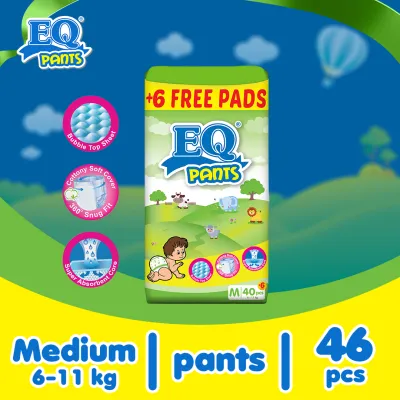
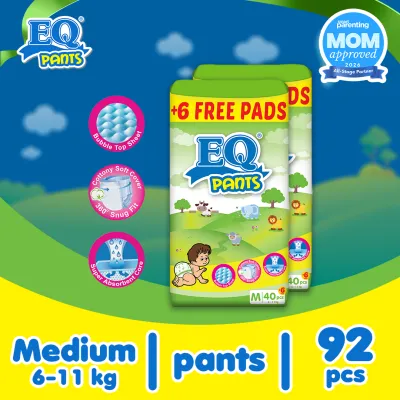
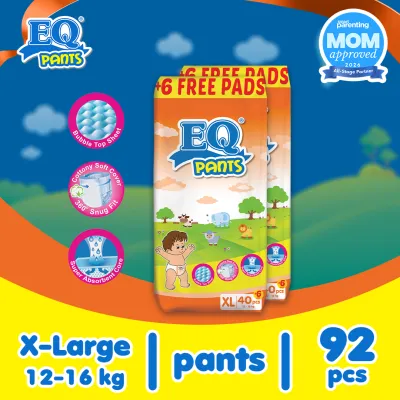
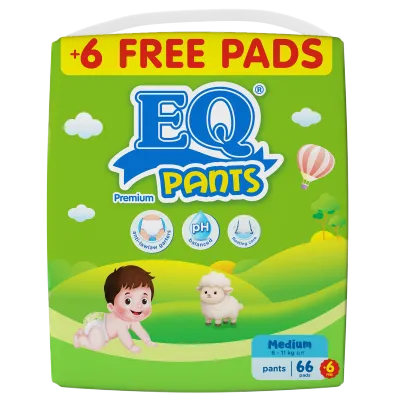
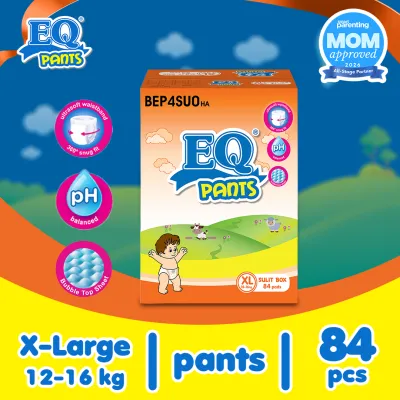
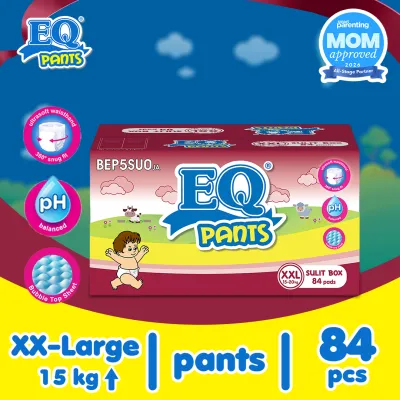
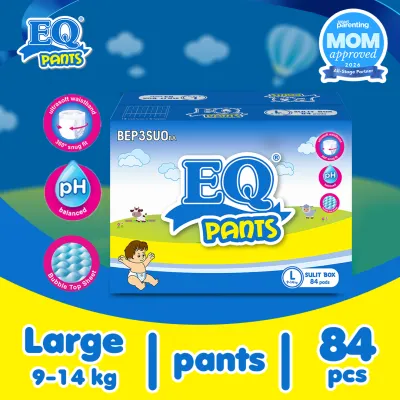
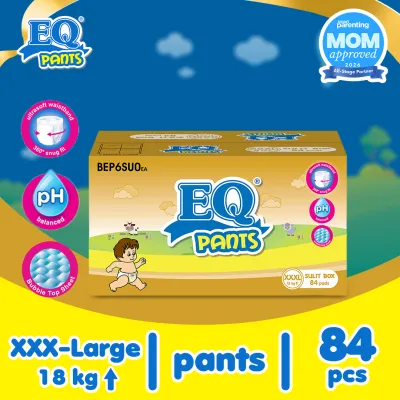
Prices are valid at publication and may change. Please refer to the product page for the latest price.
Each of the three major brands has established a distinct reputation in the Philippine market based on design priorities:
- Pampers is widely recognized for its lightweight, thin core design, excellent moisture distribution, and widespread availability in both local supermarkets and neighborhood sari-sari stores.
- Huggies is highly regarded for its robust waistband construction, secure pocketed designs, and elastic leg cuffs that cater well to highly active babies who need extra leak protection during movement.
- Equator (EQ Pants) is celebrated for balancing cost-effectiveness with reliable daily performance, making it a highly practical option for frequent daytime changes without straining the household budget.
Because diaper performance is highly individual, parents should start by purchasing small trial packs of 4 to 10 pieces before committing to bulk boxes. Testing a small quantity first allows you to observe how the elastic sits on your baby’s skin and whether the absorption capacity matches their typical output. This trial method prevents the waste of money and materials if a particular cut or brand does not align with your baby’s body shape or skin tolerance.
Core Comparison Factors: Absorption, Fit, and Skin Comfort
Evaluating diaper pants requires looking beyond simple brand names and focusing on the specific engineering of the product. The tropical climate of the Philippines introduces unique challenges, as high heat and humidity can worsen the effects of wetness and friction. When comparing Pampers, Equator, and Huggies, parents must assess how each brand handles moisture management, physical movement, and skin protection.

Diaper packaging often displays various technical terms and marketing promises, but the actual performance comes down to three core dimensions. By understanding how absorption, elasticity, and material breathability function in real-world scenarios, you can better interpret packaging labels and select a product designed to keep your baby dry and comfortable throughout the day and night.
Absorption and Leak Protection
To evaluate absorption capabilities, look closely at the diaper’s core technology and wetness indicators. Modern diaper pants utilize Superabsorbent Polymers (SAP) mixed with wood pulp to lock moisture away from the skin. High-quality diaper pants feature specialized distribution channels that spread liquid evenly across the core, preventing the diaper from sagging heavily in one spot and causing gaps around the legs.
Daytime and overnight diapering present very different absorption requirements:
- Daytime diapering focuses on ease of movement and breathability, as diapers are changed more frequently to maintain hygiene.
- Overnight diapering demands maximum absorption capacity and a dry top sheet to ensure uninterrupted sleep. If you need reliable overnight protection, look for specific "nighttime" or "extra absorbent" labels on the packaging, which indicate a higher density of SAP designed to handle multiple wettings over several hours.
While manufacturers often advertise up to 12 hours of dryness, parents should verify these claims by observing the diaper’s actual performance during their baby’s routine. If you notice frequent leaks, damp outer clothing, or heavy sagging after only a few hours, the diaper’s absorption limit has been reached. In such cases, adjusting the change frequency or switching to a line with a more advanced absorbent core is necessary to prevent skin irritation.
Fit, Elasticity, and Comfort
Each brand approaches diaper pant construction with a slightly different design philosophy, directly affecting how the diaper sits on various baby body types. The waistband must be elastic enough to stretch comfortably as the baby’s stomach expands after feeding, yet secure enough to prevent the diaper from sliding down during play. Leg cuffs require double-layered elastic barriers to contain liquid stools, but they must not be so tight that they dig into the baby’s skin.
Pampers generally favors a highly flexible, 360-degree stretchy waistband that mimics the feel of real underwear, providing a slim and contoured fit. Huggies often incorporates a thicker, more structured waistband designed to sit securely around the lower back, which helps prevent blowouts during active crawling. Equator (EQ Pants) utilizes a practical, standard elastic waistband that provides a reliable hold, designed to accommodate a wide variety of body shapes comfortably.
To find the correct size, rely on the weight-based sizing charts printed on the diaper packaging rather than the baby’s age. Babies of the exact same age can have vastly different weights, thigh circumferences, and waist measurements, making age-based selection highly inaccurate. If your baby’s weight falls near the upper limit of a size bracket, it is generally best to size up to ensure adequate coverage and comfort.
Observe how the diaper pant moves when your baby is crawling, walking, or sitting. Look for signs of bunching in the crotch area, slipping at the waist, or gaps opening up around the thighs during movement. A well-fitting diaper pant should remain centered, flat against the lower back, and snug around the thighs without requiring constant readjustment after play.
Skin Sensitivity and Breathability
The materials used in the diaper’s top sheet—the layer in direct contact with the baby’s skin—play a crucial role in preventing diaper rash. High breathability is essential in a tropical climate to allow hot air and moisture to escape, keeping the skin cool. Many brands incorporate specialized embossed textures to minimize the surface area touching the skin, while others infuse mild lotions or use hypoallergenic materials.
Labels such as “hypoallergenic,” “dermatologically tested,” or “organic cotton” indicate that the materials have been evaluated to minimize skin irritation. However, these terms do not provide an absolute guarantee that your baby will not experience a reaction. Every child’s skin chemistry is unique, and sensitivities to specific synthetic fibers, elastic materials, or added fragrances can still occur.
If your baby develops persistent redness, localized heat rash, or diaper dermatitis, prioritize skin safety immediately:
- Discontinue the use of the current diaper brand or product line right away.
- Allow the skin to air-dry completely during changes, and provide diaper-free time if possible.
- Clean the area gently with plain water or fragrance-free wipes, avoiding harsh rubbing.
- Consult a pediatrician or healthcare professional to obtain a proper diagnosis and treatment plan, rather than repeatedly switching brands in search of a cure.
How to Evaluate Price and Value Across Brands
Comparing the financial value of Pampers, Equator, and Huggies requires looking past the shelf price of a single package. Because different brands package their diaper pants in varying quantities—ranging from small travel packs to massive jumbo boxes—comparing package prices directly is misleading. To establish the true cost, you must calculate the “cost per diaper” by dividing the total price of the pack by the number of individual diapers inside.
Within each brand, price points vary significantly depending on the product line. Basic or everyday lines are engineered for cost-effective daily use, utilizing standard materials and absorption cores. Premium lines, such as those marketed for sensitive skin or overnight wear, carry a higher cost per piece due to advanced features like ultra-soft top sheets, wetness indicators, and enhanced channel technology. Identifying whether your baby genuinely requires these premium features can help you optimize your spending.
To maximize your diapering budget in the Philippines, consider these practical purchasing strategies:
- Monitor online marketplaces: E-commerce platforms frequently run monthly sales, flash promotions, and store vouchers that significantly lower the cost of premium diaper brands.
- Check bulk-buy options: Local supermarkets and warehouse clubs often offer discounted rates on mega-packs or multi-pack bundles, lowering the overall unit cost.
- Utilize subscription services: Some online retailers and brand stores provide recurring delivery subscriptions that offer a flat discount on every shipment.
Keep in mind that the cheapest diaper per piece is not always the most cost-effective choice in the long run. If a lower-priced diaper lacks sufficient absorption or fits poorly, you may find yourself changing your baby far more frequently, thereby using more diapers overall. Additionally, frequent leaks lead to hidden costs, including increased water and electricity usage from extra laundry, and the need to purchase fabric stain removers for soiled clothing.
Decision Framework: Which Brand Should You Buy?
To finalize your purchase decision, match your baby’s physical needs, skin sensitivity, and your household budget to the specific strengths of each diaper brand. This structured framework provides clear, conditional recommendations based on real-world parenting scenarios.
- Choose Pampers if: You prefer a highly flexible, slim-fitting diaper pant that does not bunch up under lightweight tropical clothing. This brand is ideal if you value having a highly visible wetness indicator and appreciate the convenience of being able to purchase replacement packs easily at almost any local supermarket, department store, or neighborhood sari-sari store.
- Choose Equator (EQ Pants) if: You are looking for a highly budget-friendly option that delivers reliable performance for frequent daytime changes. EQ Pants are particularly well-suited for families who prefer to change diapers often during hot, humid days to keep the baby fresh, making a lower cost per piece a primary financial and hygienic priority.
- Choose Huggies if: Your baby is highly active, constantly crawling, or walking, and requires a diaper pant with a sturdy, secure waistband that stays in place. This brand is an excellent choice if your baby has rounder thighs and a fuller build, as the robust leg cuffs and generous cut help prevent liquid blowouts during active play.
- Verify first if: Your baby has a history of severe diaper rash, eczema, or highly sensitive skin. Before buying a large quantity of any brand, purchase the smallest trial pack available. Fit the diaper carefully, monitor your baby's skin closely over a 24 to 48-hour period, and consult a pediatrician immediately if any redness or irritation develops. Do not rely solely on packaging claims regarding skin safety.
Frequently Asked Questions (FAQ)
How do I know if it is time to size up in diaper pants?
Several clear, physical signs indicate that your baby has outgrown their current diaper pant size. Look for red, indented marks left by the elastic waistband or leg cuffs on your baby’s skin, which show the diaper is fitting too tightly. Frequent leaks around the legs, a waistband that sits well below the belly button, or difficulty pulling the pants up over your baby’s hips also signal the need for a larger size. Always check the weight range printed on the packaging of the next size up before making the transition.
Can I use different diaper brands for daytime and nighttime?
Using different diaper brands for daytime and nighttime is a highly effective and budget-friendly strategy used by many parents. For daytime hours, when changes are frequent and active movement is constant, you can use a highly cost-effective option like EQ Pants to keep costs low. For overnight use, when your baby needs to sleep undisturbed for longer stretches, you can switch to a premium, high-absorption diaper pant from Pampers or Huggies to ensure maximum dryness and leak protection.
What should I do if the diaper leaves red marks on my baby's skin?
First, determine if the red marks are temporary pressure lines or signs of skin irritation. Mild, temporary marks that disappear within a few minutes of removing the diaper are normal, similar to the marks left by tight socks. However, if the marks are deep, persistent, or accompanied by red, inflamed skin, the diaper is either too tight or causing an allergic reaction. Transition to a larger size to relieve pressure, or switch to a different brand if you suspect material sensitivity. If the skin becomes broken, blistered, or inflamed, consult a healthcare professional immediately.
Community discussion
Share your experience or ask a question. Comments are reviewed before publication.