
Choosing the right newborn diaper in the Philippines involves balancing skin protection, leak prevention, and daily household expenses. With the tropical heat and high humidity, finding a diaper that keeps your newborn dry without causing irritation is a top priority. While Pampers and Huggies are established global brands known for their premium product lines, EQ (Equator) positions itself as a highly budget-friendly alternative for practical households. Ultimately, the ideal choice does not rely on a single universal recommendation; instead, it depends on verifying specific features like the umbilical cord cutout, wetness indicators, and the price per piece to match your baby’s unique body shape, skin sensitivity, and your family’s budget.
Key Factors When Evaluating Newborn Diapers
Before comparing specific brands, understand the baseline criteria for newborn diapers. A baby’s skin during the first few weeks is delicate, thin, and highly susceptible to irritation from friction and trapped moisture.
Umbilical cord care is a vital physical requirement. A newborn’s umbilical cord stump typically takes one to three weeks to dry and fall off, during which time the area must remain clean and dry. Diapers with a front cutout or a flexible fold-down design prevent the waistband from rubbing against the healing navel, reducing friction.
Products mentioned in this guide
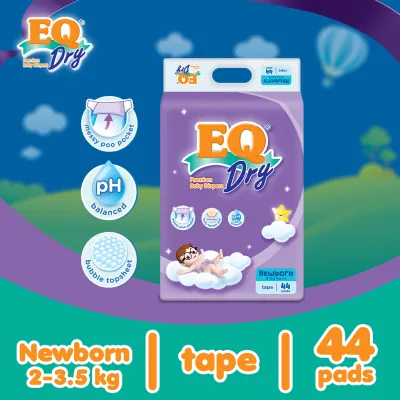
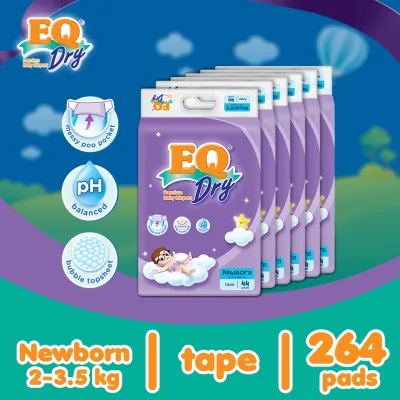
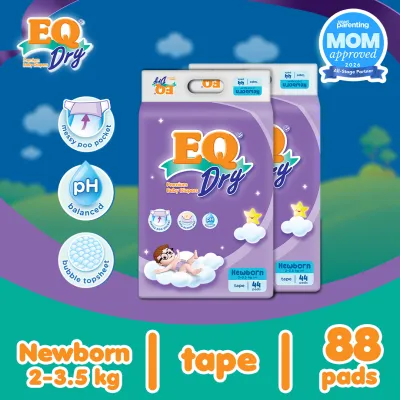
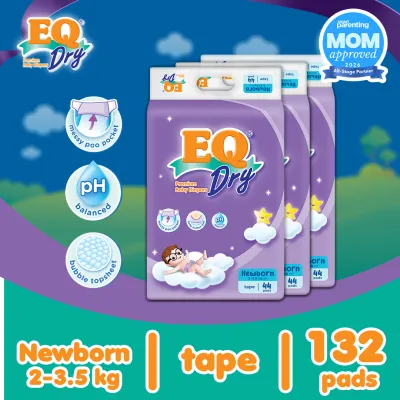
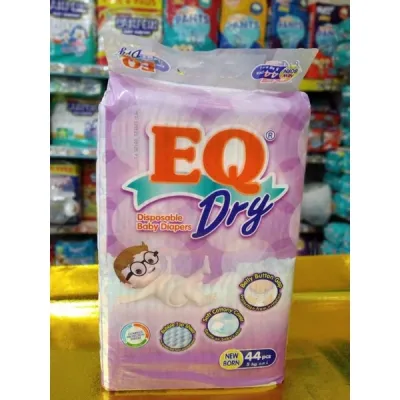
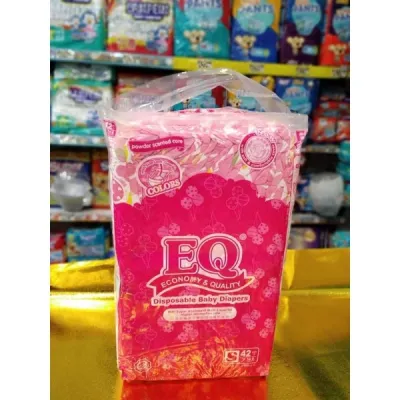
Prices are valid at publication and may change. Please refer to the product page for the latest price.
Skin sensitivity is critical in warm, humid tropical climates where sweat and urine can quickly lead to diaper rash. When evaluating packaging, look for fragrance-free, hypoallergenic, and breathable back sheets. A breathable outer cover allows air to circulate, keeping skin temperature regulated and minimizing moisture buildup.
Finally, physical fit and leg cuffs dictate how well the diaper performs. Newborns grow rapidly, with leg shapes ranging from lean to chunky. Well-designed leg cuffs should have soft, elastic barriers that hug the thighs gently without leaving deep red marks, which indicate a tight fit or an outgrown size.
Pampers vs Equator vs Huggies: Feature Comparison
When deciding between Pampers, EQ (Equator), and Huggies, comparing their newborn (NB) size variants side by side helps clarify what each brand offers. Because diaper designs and materials can change significantly as sizes increase, focusing strictly on the newborn specifications ensures you are evaluating what your baby will actually wear in their first weeks.

Rather than relying on subjective claims of performance, parents should look closely at the verifiable packaging specifications, material descriptions, and physical design elements of each brand. This structured approach allows you to match the diaper’s physical attributes to your daily caregiving routine and your baby’s specific physical needs.
Absorbency and Wetness Indicators
Absorbency is the core function of any disposable diaper, and how a brand manages moisture can vary. When examining the packaging of Pampers, EQ (Equator), and Huggies, look for details regarding their absorbent core technology, such as channels designed to distribute liquid evenly or gel-based locking systems. Even distribution prevents the diaper from sagging in one spot, which can cause discomfort and premature leaks.
A wetness indicator is an invaluable feature for new parents who are still learning to read their baby’s cues. This is typically a colored line on the outside of the diaper that changes color—often from yellow to blue-green—when exposed to moisture. You should verify on the packaging whether the specific newborn pack you are purchasing includes this indicator, as some entry-level or budget lines may omit it to keep costs down.
It is important to remember that actual absorbency in daily life is highly variable. A diaper’s real-world performance depends heavily on your baby’s feeding method, their individual output frequency, and how often you change them. In humid environments, changing the diaper promptly after every wetness signal is crucial for skin health, regardless of the brand’s maximum absorbency claims.
Fit, Comfort, and Umbilical Cord Cutouts
The physical shape of a diaper determines how comfortably it sits on your newborn’s body during sleep and movement. Some brands design their newborn diapers with a pre-cut U-shape at the front waistband specifically for umbilical cord care, while others rely on a highly flexible waistband that caregivers can easily fold downward. Checking the product packaging or official brand descriptions will confirm which approach each brand uses for its newborn size.
The stretchability of the waistband and the design of the fastening tabs also play a major role in securing a snug, leak-proof fit. Soft, refastenable tape allows you to adjust the diaper multiple times without losing grip, which is particularly helpful when checking for wetness. Additionally, the softness of the inner lining—often described on packaging as cottony-soft or textured—affects how gentle the material feels against your baby’s skin.
Because newborns come in all shapes and sizes, a diaper that fits a long, lean baby perfectly might cause leaks on a shorter, chunkier baby. This structural variation makes trial packs an essential first step before committing to large quantities. Testing a small pack of each brand allows you to observe how the elastic sits around your baby’s unique waist and thighs.
Price, Pack Sizes, and Value
Managing the ongoing cost of diapering requires a clear understanding of unit pricing rather than just looking at the retail price of a single pack. To find the true value, calculate the exact price per piece by dividing the total cost of the pack by the number of diapers inside (₱ per piece). This calculation often reveals that larger jumbo packs or box sets offer a lower unit cost than small travel packs, though travel packs remain ideal for initial testing.
In the Philippine market, EQ (Equator) is widely recognized for positioning its diaper lines at a highly budget-friendly price point, making it an attractive option for families looking to manage daily expenses. On the other hand, Pampers and Huggies frequently offer specialized premium lines that feature advanced materials, extra softness, or specialized leak guards, which generally come at a higher price per piece.
To get the best value, parents should regularly check authorized online stores, official brand shops, and local supermarkets in the Philippines. These outlets frequently offer bundle deals, seasonal promotions, or subscription discounts that can significantly lower the cost per diaper. Purchasing from authorized sellers also ensures you are receiving genuine products stored under proper conditions.
Decision Framework: Which Brand Should You Choose?
Selecting the right diaper brand involves aligning your family’s daily routine, budget, and your baby’s physical characteristics with the strengths of each product. Because no single diaper is perfect for every infant, a conditional decision framework can guide your purchasing choices.
You may want to choose Pampers if your primary focus is on premium skin-care features, advanced wetness indicator technology, and a highly flexible, stretchy fit. This brand is often favored by parents who want to minimize friction on highly sensitive skin and prefer a diaper that contours closely to a variety of baby body shapes.
You may want to choose Huggies if you prefer a diaper design with a highly structured waistband, specialized leak-guard barriers around the legs, and a textured inner lining. This option is particularly suitable if your baby is highly active or if you find that their skin responds exceptionally well to the specific materials used in Huggies’ premium lines.
You may want to choose EQ (Equator) if your priority is finding a highly budget-friendly diaper that allows you to perform frequent daytime changes without financial strain. This brand is an excellent choice for practical, everyday use, especially if your baby does not have highly sensitive skin or diagnosed dermatological conditions that require specialized premium materials.
Before making a bulk purchase of any brand, always verify your baby’s specific health status. If your newborn has diagnosed skin conditions, was born prematurely, or has known allergies, it is critical to consult a pediatrician. A medical professional can provide personalized guidance on material compatibility and skin care before you invest in large quantities of diapers.
What to Check Before Buying and Using
Ensuring your baby’s safety and comfort goes beyond choosing a brand; it also requires careful inspection of the products you buy. Always check the manufacturing date or expiration date printed on the diaper packaging. This step is especially important when purchasing bulk boxes or buying from third-party online sellers, as older diapers may experience a degradation in elastic quality or adhesive strength over time.
Before putting a diaper on your newborn, take a moment to inspect it for any visible manufacturing defects. Check that the elastic leg cuffs are intact, the absorbent padding is distributed evenly without lumps, and the fastening tabs are securely attached. Additionally, smell the diaper to ensure there are no strong chemical odors, which can indicate improper storage or manufacturing issues.
Finally, monitor your baby’s skin closely during and after use. If your newborn develops persistent diaper rash, severe redness, swelling, blistering, or any other signs of an allergic reaction, stop using the diaper immediately. Clean the area gently with plain water, allow the skin to air dry, and consult a pediatrician promptly to address the irritation and identify the cause.
Frequently Asked Questions (FAQ)
How many newborn diapers should I stock up on before birth?
It is best to avoid stocking up on too many newborn (NB) size diapers before your baby is born. Newborns grow at an incredibly rapid pace, and many babies outgrow the newborn size within a few weeks, while some larger babies may skip the NB size entirely or wear it for only a few days. A practical approach is to purchase two to three small packs of different brands first. This strategy allows you to test for fit, comfort, and skin compatibility without being left with a large supply of diapers that your baby has already outgrown.
Can I mix different diaper brands for my newborn?
Yes, mixing different diaper brands is a highly practical and safe strategy, provided your baby’s skin does not show any adverse reactions to the materials. Many parents choose to use premium, highly absorbent brands like Pampers or Huggies for nighttime use or long outings when changes might be less frequent. They then switch to more budget-friendly options like EQ (Equator) for daytime use, when diapers are changed much more frequently due to regular feeding and active digestion. This hybrid approach helps protect your baby’s skin during sleep while keeping your overall diapering expenses manageable.

Community discussion
Share your experience or ask a question. Comments are reviewed before publication.