
Finding a reliable yet affordable diaper option is a constant priority for parents in the Philippines, where tropical heat and humidity make skin comfort just as important as budget management. When searching for a “murang diaper 50 pcs” pack, Pampers, Equator, and Huggies frequently stand out as popular options on retail shelves and ecommerce platforms. However, determining which 50-piece pack offers the best value requires looking beyond the initial price tag. Because retail prices fluctuate and every baby has unique physiological needs, finding the right fit involves balancing the cost per piece with absorbency performance and material comfort. By understanding how to calculate true bulk value and assess real-world leak protection, you can confidently choose the pack that matches your budget and keeps your baby’s skin dry.
Understanding the Contenders: Brand Positioning and Design Focus
To make an informed decision, it helps to understand how each brand positions its products in the market. Pampers is widely recognized for its focus on maintaining surface dryness and providing a slim, lightweight fit. Their design philosophy often centers on advanced core absorption technology that locks moisture away quickly, which can be particularly beneficial in warm, humid climates where trapped wetness quickly leads to skin irritation.
Huggies, on the other hand, often emphasizes overall softness, secure elastic waistbands, and robust leak protection. Their diaper designs frequently feature pocketed waistbands and snug leg cuffs intended to contain messes, making them a popular choice for active babies who are constantly crawling, rolling, or walking.
Products mentioned in this guide
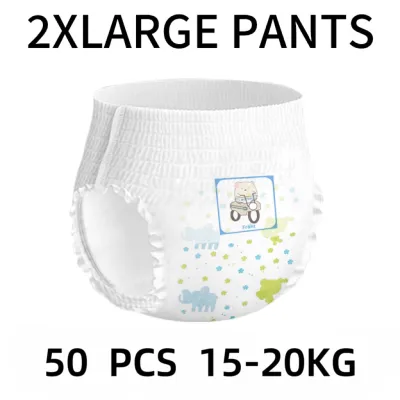
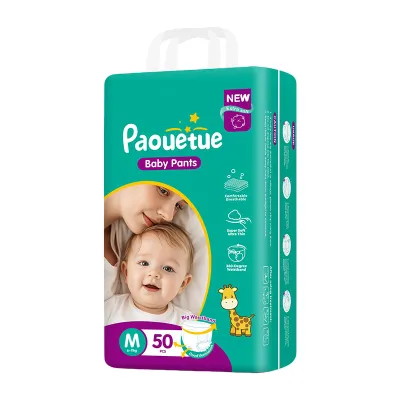
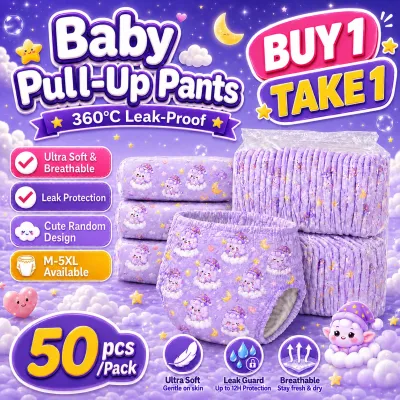
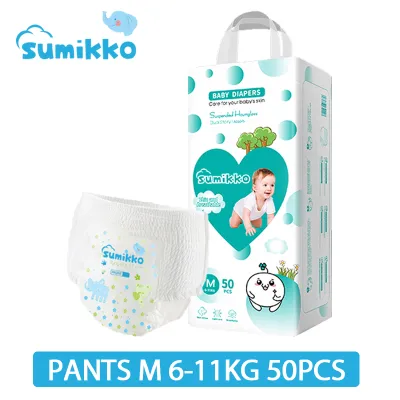

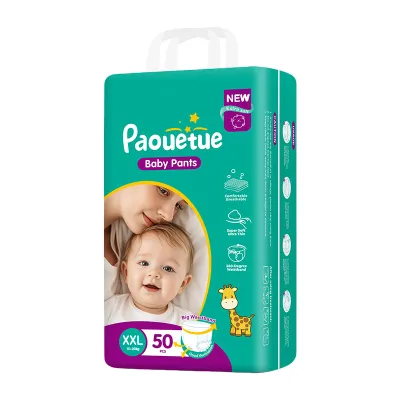
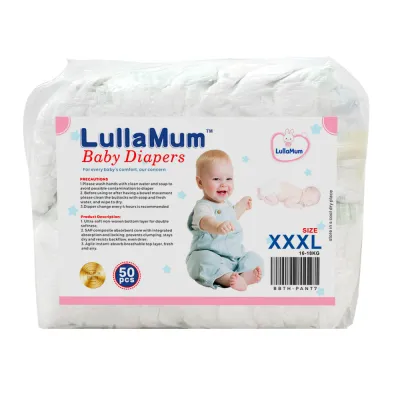
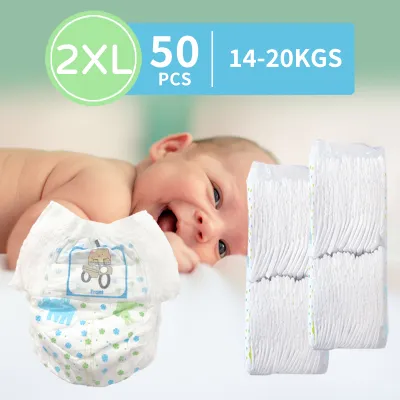
Prices are valid at publication and may change. Please refer to the product page for the latest price.
Equator typically serves as a budget-friendly or value-driven alternative in the local market. This brand appeals directly to parents seeking maximum cost efficiency, especially during the daytime when diaper changes are naturally more frequent. By focusing on essential containment features rather than premium additives, it offers a practical option for families looking to minimize daily diapering expenses.
It is important to note that specific features, materials, and thickness vary significantly across the exact product lines of each brand. For instance, a brand’s premium line may offer enhanced breathability and softer top sheets compared to its standard or economy line. When comparing 50-piece packs, always check the specific product sub-brand on the packaging to understand which features are included.
Calculating the True Cost: Price Per Piece and Bulk Value
Comparing the upfront price of a 50-piece pack can be misleading because retail prices vary across physical supermarkets, local baby boutiques, and online marketplaces. To establish a fair baseline, you should always calculate the exact cost per diaper. You can do this easily by dividing the total price of the pack (in ₱) by 50. This simple calculation gives you a standardized unit price that allows you to compare different brands side-by-side, regardless of any temporary store promotions.

When calculating this cost, remember to factor in external savings that influence overall value. Online marketplaces frequently offer bundle deals, loyalty points, store vouchers, and subscription discounts that can significantly lower the price per piece. Additionally, purchasing during major monthly online sales or using free shipping vouchers can make premium brands much more competitive with budget-oriented options.
However, the lowest upfront cost per piece does not always equal the best long-term value. If a highly affordable diaper has lower absorbency, it may saturate quickly, requiring you to change your baby more frequently throughout the day. This increases your daily usage rate, meaning you will go through a 50-piece pack much faster. Conversely, a slightly more expensive, highly absorbent diaper that keeps your baby dry for longer periods might reduce the total number of diapers you use daily, ultimately saving you money over time.
Evaluating Absorbency and Leak Protection
Absorbency and leak protection are critical factors that directly impact your baby’s comfort and your daily laundry workload. When evaluating a 50-piece pack, start by checking the packaging for key design elements. Look for features such as wetness indicators that change color when wet, double elastic leg cuffs to prevent side leaks, and specialized core absorption layers designed to distribute liquid evenly rather than letting it pool in one spot.
To assess how well a diaper performs for your specific baby, you can conduct a simple real-world home test over a few days of use. Observe how the diaper holds up after a few hours. Check if the diaper begins to sag heavily between the baby’s legs, which can restrict movement and cause discomfort. Feel the inner lining during a change to see if the surface remains relatively dry to the touch, and inspect the leg areas and waistband for any signs of moisture escaping.
It is essential to recognize that optimal absorbency is highly subjective and depends on your baby’s unique physiology, mobility, and sleep patterns. A diaper that works excellently for a sleeping newborn may not provide the same level of leak protection for an active toddler who drinks a large amount of fluids before bed. Finding the best value means matching the diaper’s specific absorption capabilities to your baby’s current developmental stage and daily routine.
Skin Sensitivity and Material Comfort
In the tropical climate of the Philippines, high temperatures and humidity can exacerbate skin sensitivity, making material comfort a top priority. When choosing a diaper pack, carefully read the ingredient and material labels on the packaging. Look for indicators regarding added lotions, hypoallergenic materials, fragrances, or chlorine-free processing. If your baby has highly sensitive skin, opting for fragrance-free and breathable materials can significantly reduce the risk of diaper rash and painful chafing.
Proper fit is another crucial element of material comfort. A diaper that is too tight can cause friction marks around the thighs and waist, trapping sweat and moisture against the skin. Conversely, a diaper that is too loose will inevitably lead to leaks and uneven moisture distribution. Ensure that you select the correct size based on your baby’s current weight rather than their age, as weight ranges provide a much more accurate guide for elastic tension and coverage.
Even with the most premium diapers, proper changing routines are vital for maintaining skin health. If you notice persistent redness, chafing, or an active rash that does not improve with regular diaper creams and frequent changes, it is time to stop using that specific brand. Always consult a pediatrician or qualified healthcare professional to address ongoing skin irritation and to get personalized recommendations for your baby’s skin type.
Decision Framework: Which 50-Piece Pack Should You Choose?
To make the final choice among these three brands, consider your primary diapering priorities, your budget, and your baby’s daily routine. If your main priority is a slim, lightweight fit that keeps moisture away from the skin during active daytime play, Pampers is a strong candidate. Its focus on rapid core absorption makes it well-suited for mobile babies who need to move freely without bulky padding.
If you prefer a diaper with a softer material feel and robust elastic cuffs designed to contain heavy wetness, Huggies is an excellent option to consider. Its secure design makes it highly reliable for overnight use or for babies who tend to experience leaks around the legs and waist during naps.
If you are looking for a highly budget-friendly option to use primarily during the day, Equator offers a practical solution. Because daytime changes should occur frequently regardless of the diaper’s maximum capacity, using a cost-effective diaper like Equator during waking hours allows you to save your premium, highly absorbent diapers for nighttime sleep.
Before purchasing any 50-piece pack, always verify that the specific size matches your baby’s current weight range according to the manufacturer’s guidelines. Check the packaging for any specific skin allergy warnings, and ensure the product is sourced from a reputable retailer to guarantee its quality and authenticity.
Frequently Asked Questions (FAQ)
How many diapers does a baby typically use per day?
The number of diapers a baby uses daily varies significantly by age and feeding schedule. Newborns generally require more frequent changes, often needing a fresh diaper after every feeding. As infants grow older and develop more predictable bladder and bowel habits, the daily count typically decreases. Regardless of the baby’s age, you should change the diaper immediately if the wetness indicator changes color, if the diaper feels heavy and saggy, or if there is any visible soiling, as leaving a wet diaper on for too long can lead to skin irritation.
Is it safe to mix different diaper brands?
Yes, mixing different diaper brands is a common and practical strategy for many parents. For example, you might choose to use a highly budget-friendly brand like Equator for frequent daytime changes when you can monitor and change your baby immediately. You can then switch to a more absorbent, premium brand like Pampers or Huggies for overnight sleep or long outings. When mixing brands, closely monitor your baby’s skin for any signs of redness or irritation, as some babies may react to the specific adhesives, fragrances, or materials used by one brand but not another.
How should I store bulk 50-piece diaper packs?
To maintain the structural integrity and absorbency of your diapers, store both opened and unopened packs in a cool, dry place. In tropical environments with high humidity, keeping diapers exposed to moist air can cause the absorbent gelling material inside to prematurely absorb environmental moisture, reducing its effectiveness when worn. Keep the packs off the floor and away from direct sunlight, damp bathrooms, or areas prone to leaks. Always check the packaging for any specific storage instructions or expiration guidelines provided by the manufacturer.

Community discussion
Share your experience or ask a question. Comments are reviewed before publication.