
Finding the most economical way to keep your baby dry and comfortable is a constant priority for parents in the Philippines. With diaper expenses making up a significant portion of the monthly baby budget, choosing between major brands like Pampers, Huggies, and Equator often comes down to finding the absolute best price per piece. However, simply looking at the price tag on a 50-pack can lead to misleading conclusions. To find the cheapest option per diaper, you must calculate the total landed cost—which includes the base price, shipping fees, and any applicable platform discounts—divided by the pack size. Finding a reliable diaper 50pcs free shipping deal is a common goal for parents looking to balance their household budget without compromising on their baby’s comfort.
In the humid tropical climate of the Philippines, diaper performance is just as critical as the price. A diaper that is cheap up front but leaks frequently or causes heat rash (locally known as bungang araw) will ultimately cost you more in extra laundry, rash creams, and frequent changes. To make an informed decision, you need to look beyond the sticker price and understand how shipping logistics and brand-specific features affect your overall cost per diaper.
The True Cost Formula: Why Sticker Price Is Not Enough
When browsing online marketplaces in the Philippines, it is easy to fall into the trap of buying the diaper pack with the lowest displayed price. A 50-pack of diapers listed at ₱320 might seem like an obvious bargain compared to a competitor priced at ₱390. However, the online shopping landscape relies heavily on dynamic shipping fees that can quickly close this price gap or even reverse it entirely.
Products mentioned in this guide
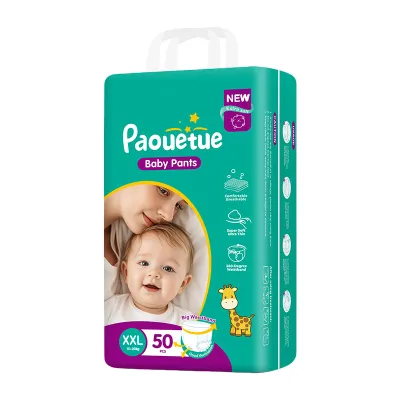
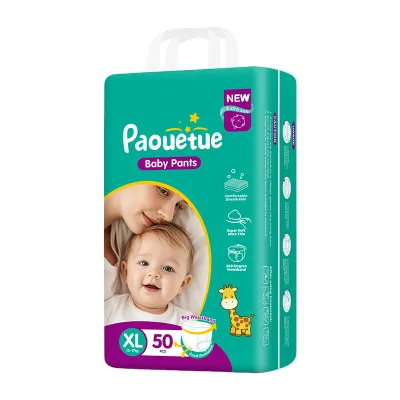
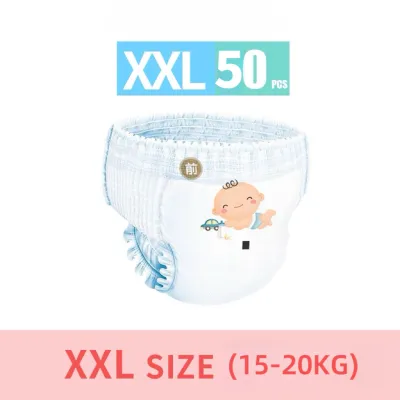
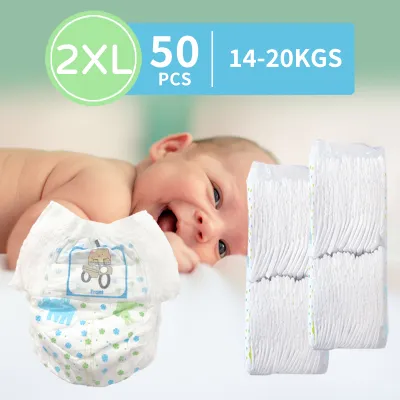
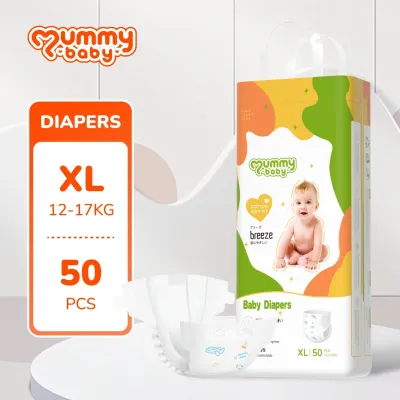


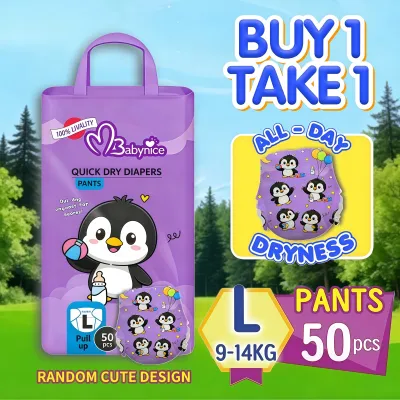
Prices are valid at publication and may change. Please refer to the product page for the latest price.
Shipping costs on local e-commerce platforms are calculated based on package weight, dimensions, and your delivery address. Because a 50-pack of diapers is relatively bulky, shipping fees can range from a modest ₱40 in Metro Manila to upwards of ₱150 or more if you are ordering from provincial areas in Luzon, Visayas, or Mindanao. If the ₱320 pack does not qualify for shipping promotions, a ₱100 delivery fee brings your total checkout cost to ₱420, resulting in a true cost of ₱8.40 per diaper.
Conversely, many official brand stores offer free shipping vouchers once you hit a specific minimum spend threshold. If the ₱390 pack qualifies for a free shipping promotion, your total cost remains ₱390, which translates to ₱7.80 per diaper. In this scenario, the product with the higher sticker price is actually the more economical choice. To find the genuine bargain, you must always look at the final checkout screen where shipping fees and voucher discounts are consolidated.
Step-by-Step: Calculating Your Actual Cost for a Diaper 50pcs Free Shipping Deal
To ensure you are getting the best possible value, you can use a simple, consistent formula every time you add a diaper pack to your virtual cart. This step-by-step method helps you compare different brands and packaging configurations on equal terms.

Step 1: Verify the Product Packaging and Quantity
First, check the product details to confirm the exact number of diapers in the pack. While you may be searching for a standard 50-pack, some brands package their diapers in different quantities, such as 44, 48, or 54 pieces. Additionally, verify if the listing is for a single bundled SKU or a multi-pack (for example, two 25-piece packs taped together). Multi-packs can sometimes have slightly larger physical dimensions, which may trigger higher volumetric shipping rates on certain logistics networks.
Step 2: Check the Landed Cost at Checkout
Add the item to your cart and proceed to the checkout screen to view the actual shipping fee applied to your specific delivery address. Do not rely on the estimated shipping rates shown on the product page, as these can change once your exact location is mapped. Take note of any regional surcharges, particularly if you live in island provinces or remote areas where standard delivery rates do not apply. Apply any platform-wide shipping vouchers, store-specific discounts, or coins to see the final amount you would actually pay.
Step 3: Run the Cost-Per-Piece Calculation
Divide the final checkout price by the total number of diapers in the package. For example, if your total checkout price for a 50-pack is ₱375 after shipping and discounts, your calculation is:
$$\text{Cost Per Diaper} = \frac{\text{₱375}}{\text{50}} = \text{₱7.50}$$
By comparing this final cost-per-piece figure across Pampers, Huggies, and Equator, you can easily identify which brand offers the most diapers for your hard-earned peso.
Pampers, Huggies, and Equator: Comparing Value and Performance
While finding a low cost per piece is important, the diaper must also perform well to provide true value. Each of these three brands targets a slightly different segment of the market, offering unique features that appeal to different parenting priorities and budgets.
Pampers: Premium Absorbency and Brand Trust
Pampers is widely recognized as a premium-to-standard tier diaper brand in the Philippines. The brand is known for incorporating advanced design elements, such as magic gel channels that distribute wetness evenly, breathable outer layers to help prevent skin irritation, and wetness indicators that change color when it is time for a change. These features are particularly beneficial in hot and humid weather, where keeping moisture away from your baby’s skin is crucial for preventing heat rashes.
Because of these premium features, Pampers typically carries a higher base price per piece compared to budget alternatives. However, many parents find that the high absorbency of Pampers means they use fewer diapers overall. If a single Pampers diaper can keep your baby dry for up to twelve hours overnight without leaking, you may only need to use four or five diapers a day, compared to six or seven of a less absorbent brand. When calculating your monthly budget, this high performance can offset the higher initial cost per piece.
Huggies: Reliable Mid-Range Performance
Huggies occupies a highly competitive mid-tier position, offering a reliable balance of leak protection and affordability. Key design features often include pocketed waistbands to help contain runny messes at the back, snug leg cuffs to prevent side leaks, and stretchy side panels for a secure fit. These features make Huggies a popular choice for active babies who are starting to roll, crawl, or walk.
In terms of pricing, Huggies often sits comfortably between premium brands and budget options. This positioning makes it highly attractive for parents who want reliable daytime protection without paying a premium price. When evaluating Huggies 50-packs, it is helpful to check the specific product line—such as Huggies Dry or Huggies Ultra—as the absorbency levels and materials vary. Comparing the manufacturer’s absorbency claims on the packaging against your baby’s typical output will help you determine if this mid-range option provides the right level of protection for your daily routine.
Equator: The Budget-Friendly Contender
Equator is positioned as a budget-friendly diaper brand, focusing on delivering essential protection at the lowest possible cost per piece. By minimizing extra features like wetness indicators or elaborate printed designs, Equator is able to offer highly competitive pricing, making it an excellent option for families looking to maximize their diaper count per peso.
Because Equator diapers are designed to be highly economical, they may have a slightly lower total absorbency capacity or a simpler material feel compared to premium brands. To use them safely and effectively, many parents adopt a hybrid diapering strategy. This involves using budget-friendly diapers like Equator during the day when you can change your baby frequently (every 2 to 3 hours), and reserving highly absorbent premium diapers for overnight use or long outings. This hybrid approach allows you to keep your baby clean and dry while significantly reducing your overall monthly diaper expenses.
Hitting the "Free Shipping" Threshold Without Overspending
To get the most out of a diaper 50pcs free shipping deal, you need to understand how shipping vouchers work on Philippine e-commerce platforms. Most free shipping promotions require you to reach a minimum spend threshold—such as ₱249, ₱499, or ₱999—before the shipping discount is applied. If a single 50-pack of diapers costs ₱380, you might fall just short of a ₱499 free shipping threshold, forcing you to pay a standard delivery fee of ₱80.
Instead of paying the shipping fee, you can use a strategic bundling approach to reach the threshold productively. Combine your diaper purchase with other essential, non-perishable baby care items that you know you will eventually use. Excellent bundling options include:
- Alcohol-free baby wipes
- Hypoallergenic baby laundry detergents
- Baby bottle cleansers
- Cotton balls or cotton buds
- Diaper rash creams
By adding a pack of baby wipes for ₱120 to your ₱380 diaper order, your total comes to ₱500. This unlocks the free shipping voucher, saving you the ₱80 delivery fee. You have successfully redirected money that would have been wasted on shipping into practical baby supplies that you actually need.
Be careful to avoid the “add-on trap,” which occurs when you buy unnecessary, overpriced, or perishable items just to qualify for free shipping. If you spend an extra ₱200 on a toy your baby does not need just to save ₱80 on shipping, you have increased your overall household spending rather than saving money. Stick strictly to daily essentials to keep your budget on track.
The Hidden Costs of a "Cheap" Diaper: Leaks and Rashes
When comparing Pampers, Huggies, and Equator, it is vital to remember that the cheapest diaper on paper is not always the most cost-effective in reality. If a diaper does not fit your baby’s unique body shape or lacks sufficient absorbency, it can lead to hidden costs that quickly erase any initial savings.
For example, frequent leaks mean you will spend more money on water, electricity, and laundry detergent to wash soiled clothing, bedsheets, and blankets. Furthermore, prolonged exposure to moisture can cause painful diaper dermatitis (diaper rash). Treating a severe diaper rash requires specialized barrier creams, extra pediatrician visits, and significant discomfort for your baby.
To find the true “best value” diaper for your baby, use this practical checklist during a trial period with any new brand or size:
- Check for Red Marks: Inspect your baby's thighs and waist after removing the diaper. Red marks indicate that the diaper is too tight or the elastic is too stiff, which can cause chafing.
- Monitor Leak Times: Note how long the diaper lasts before leaking. A quality diaper should easily handle two to three hours of daytime use without leaking.
- Observe Skin Reactions: Check for any signs of redness, bumps, or irritation on your baby's skin. If irritation develops, stop using the diaper immediately and consult a pediatrician.
- Assess the Fit: Ensure the leg cuffs are flared outward and the waistband is snug but allows you to fit two fingers comfortably between the diaper and your baby's tummy.
Always verify your baby’s current weight range and developmental stage against the manufacturer’s size chart on the packaging before buying a 50-pack. Because babies grow rapidly, stocking up on too many packs of a single size can lead to leftover diapers that your baby has already outgrown. The best value is always the diaper that offers the lowest cost per piece while keeping your baby’s skin dry, healthy, and rash-free.
Frequently Asked Questions (FAQ)
Is it safe to buy a 50-pack of diapers online?
Yes, buying diapers online is safe as long as you purchase from reputable sources. To avoid counterfeit or improperly stored products, buy exclusively from official brand flagship stores, authorized distributors, or highly rated mall sellers on major e-commerce platforms. When your package arrives, inspect the outer plastic packaging to ensure it is fully sealed and undamaged. Check the manufacturing and expiration dates printed on the pack, and store your diapers in a cool, dry place away from direct sunlight and high humidity to preserve their absorbency.
Do diaper sizes affect the price per piece in a 50-pack?
Yes, diaper sizes directly impact the cost per piece. As diaper sizes increase (from Newborn up to XXL), manufacturers use more raw materials, such as absorbent pulp and larger elastic panels, to accommodate larger babies. Consequently, a 50-pack of Large or XL diapers will almost always have a higher cost per piece than a 50-pack of Small or Medium diapers of the same brand. Always check the specific size pricing on the product listing before completing your purchase, and avoid overstocking a single size since babies can experience sudden growth spurts.

Community discussion
Share your experience or ask a question. Comments are reviewed before publication.