
Quick Answer: Finding the Right Overnight Fit for Your Baby
Finding the right overnight diaper in an XXL size is not about identifying a single universal winner. Instead, the ideal choice depends entirely on your baby’s unique sleep position, body shape, and nighttime urine volume.
Without standardized, independent clinical testing data comparing Pampers, Equator Dry, and Huggies XXL side-by-side, we cannot declare one brand objectively superior in absorbency. Each brand approaches leak protection with distinct design philosophies.
To make the best choice, parents should look at specific structural elements. Pampers often emphasizes channel-based wetness distribution, Equator Dry focuses on reliable everyday core absorption, and Huggies is known for its snug, stretchy waistbands. By matching these design features to your toddler’s nighttime habits, you can significantly reduce the risk of wet sheets and interrupted sleep.
Products mentioned in this guide

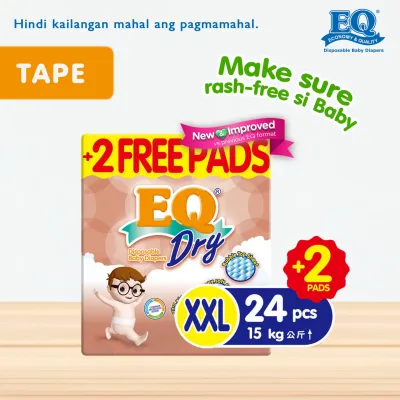


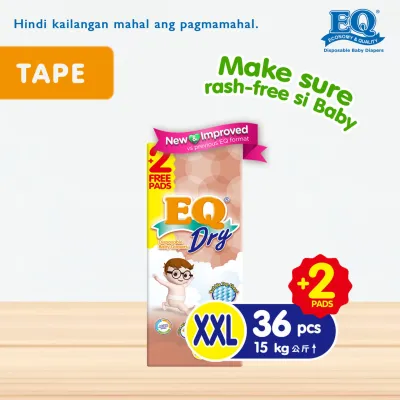
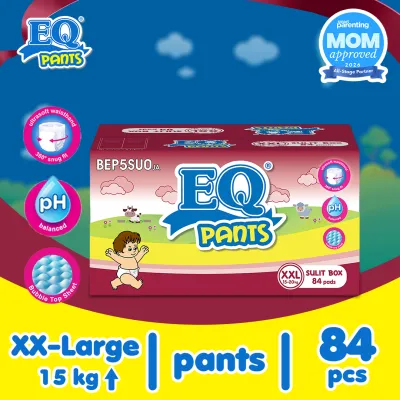
Prices are valid at publication and may change. Please refer to the product page for the latest price.
Why Larger Babies Need Specialized Overnight Leak Protection
As babies grow into the toddler stage and transition to XXL sizes, their physiological and developmental needs change dramatically. Their bladder capacity increases, meaning they release a much larger volume of urine at one time rather than small, frequent amounts throughout the night. This sudden rush of liquid requires a diaper core that can absorb moisture rapidly to prevent pooling against the skin.

Physical development also plays a massive role in overnight diaper performance. Toddlers are highly active, often rolling, crawling, or changing positions throughout their sleep cycle. These constant movements can shift the diaper, creating gaps around the thighs and waist where liquid can easily escape if the elastic barriers are not properly aligned.
Furthermore, skin sensitivity remains a critical concern for older babies, especially in warm, humid tropical climates like the Philippines. Extended exposure to wetness during a twelve-hour sleep cycle can quickly lead to diaper rash or chafing. A diaper that lacks adequate breathability or fails to lock moisture away from the skin surface can compromise your baby’s comfort and disrupt their sleep.
Comparing Core Features: Pampers, Equator Dry, and Huggies XXL
To make an informed choice, you must look closely at the physical construction of each diaper brand’s XXL offering. Evaluating these features on the packaging or during a trial run will help you understand how they perform under pressure.
Absorbent Core Technology
When examining diaper packaging, look for details on how the absorbent core is constructed. Some brands utilize specialized channels designed to distribute liquid evenly from front to back, preventing the diaper from sagging in one spot. Other designs rely on a concentrated pad of superabsorbent polymer (SAP) gel that locks moisture in a specific zone. For heavy wetters, check if the packaging specifies overnight-specific core technology or multi-layer protection.
Leak Guard Barriers
The leg cuffs are your primary defense against side leaks. When opening a diaper, visually inspect the height of the inner leg cuffs. These cuffs should stand upright and feel soft yet elastic. Double-layered outer gathers provide an extra layer of security, wrapping snugly around the thighs to catch any overflow before it reaches the pajamas.
Fit and Fastening
Toddlers come in all shapes, from those with chunky thighs and round bellies to those with longer, leaner torsos. Compare the stretchability of the waistband; a highly elastic back panel helps keep the diaper snug against the lower back, preventing blowouts. The fastening tabs must be strong enough to hold under tension but flexible enough to move with your child’s breathing and shifting positions.
Breathability and Skin Care
In humid climates, trapped heat and moisture can quickly irritate delicate skin. Look for packaging claims regarding breathable outer sheets that allow air to circulate. Some XXL variants feature liners infused with mild lotions or aloe vera to create a protective barrier on the skin. Always check for dermatological testing certifications or hypoallergenic labels if your child is prone to eczema or contact dermatitis.
How to Match the Diaper to Your Baby's Sleep Habits
Selecting the right diaper involves observing how your baby sleeps and matching those patterns to the strengths of each brand.
Choose Pampers if:
- Your baby is a stomach sleeper: Stomach sleepers need targeted absorption at the front of the diaper. Pampers is designed with distinct distribution channels that spread wetness evenly, preventing a heavy, sagging front core.
- You prefer a thinner profile: If you want a diaper that feels less bulky under pajamas while still maintaining reliable absorption, verify the current packaging features to ensure the specific XXL variant you purchase includes these channel designs.
Choose Equator Dry if:
- You want a classic, balanced fit: Equator Dry is suitable if you are looking for a straightforward core design that offers balanced distribution for general sleep positions.
- Your toddler has standard proportions: If your toddler's waist and thigh measurements align well with a standard, classic cut, this option provides dependable coverage without excess bulk. It is often favored by parents seeking a practical balance of everyday performance and secure fit.
Choose Huggies if:
- Your baby is an active sleeper: If your baby tosses, turns, and rolls across the crib throughout the night, Huggies is designed to accommodate constant movement.
- You need maximum waistband stretch: This brand features highly flexible, stretchy waistbands and robust side panels. The secure, body-hugging fit of this design helps minimize gaps during active nighttime wriggling.
Verify First if:
- Your baby has highly sensitive skin: Before buying a large box or bulk pack of any brand, purchase a small travel pack to check the ingredient list for added fragrances, lotions, or specific materials that might trigger a reaction.
Troubleshooting Nighttime Leaks and Fit Issues
Even the most highly rated diaper can leak if it is not applied correctly or if the fit is slightly off. If you are experiencing consistent wetness overnight, try these troubleshooting steps.
Check the Fit
When putting on the diaper, always run your finger around the inside of the leg cuffs to ensure they are fully flared outward rather than tucked inward. The waistband should be snug but comfortable; you should be able to slide two fingers easily between the diaper and your baby’s tummy. If the tabs are fastened at the very edge of the landing zone, the diaper is likely too small.
Evaluate Sizing
If you experience consistent leaks, your baby may have outgrown the effective capacity of the XXL size, even if their weight falls within the recommended range on the package. Alternatively, the diaper’s specific cut may no longer match your toddler’s changing body proportions. In such cases, transitioning to diaper pants or trying a different brand with a wider or narrower cut can resolve the issue.
Adjust Fluid Intake
Consider managing your toddler’s fluid intake in the hour leading up to bedtime. Ensure they receive plenty of hydration throughout the day, but offer smaller sips closer to sleep time. Additionally, encourage them to empty their bladder right before bed if they are undergoing toilet training.
When to Stop and Consult
If nighttime leaks persist despite trying different sizes and brands, and are accompanied by persistent skin rashes, unusual changes in urine volume, or signs of physical discomfort, stop troubleshooting on your own. Consult a pediatrician to rule out any underlying skin sensitivities or urinary tract issues.
Frequently Asked Questions (FAQ)
When should I switch from XXL taped diapers to XXL diaper pants?
Taped diapers allow for a highly customizable fit around the waist, which is ideal for babies with unique body shapes. However, diaper pants are often easier to put on active toddlers who refuse to lie still during changes.
Consider switching to pants if your toddler has learned to undo the tape tabs themselves, or if you notice red marks on their hips from the tabs rubbing against their skin during sleep. Pants also offer a more uniform, underwear-like fit that can be beneficial as toddlers begin toilet training.
Do I need to use a diaper booster pad for overnight XXL protection?
While booster pads can increase overall absorbency, they also add significant bulk to the diaper. This extra bulk can push the built-in leg cuffs outward, creating gaps that actually increase the risk of leaks around the thighs.
Before adding any third-party inserts, check the manufacturer’s guidelines to ensure you do not compromise the diaper’s engineered leak protection system or void any product warranties. If you require more absorbency, upgrading to a larger size or a dedicated overnight diaper variant is generally safer and more effective.

Community discussion
Share your experience or ask a question. Comments are reviewed before publication.