
Finding the perfect diaper pants for your baby in the Philippines often comes down to balancing performance, comfort, and cost. In our tropical climate, where high humidity can quickly lead to diaper rash, choosing between major brands like Pampers, EQ, and Huggies requires a close look at how each brand performs in real-world conditions. While there is no single diaper that fits every baby perfectly, parents can find the ideal match by comparing key attributes such as absorbency, waistband elasticity, and overall value. If you are looking for a reliable everyday option, eq diaper pants offer an exceptionally budget-friendly balance of dryness and accessibility, while Pampers and Huggies cater to parents seeking specialized premium fits or advanced moisture-wicking technologies.
Because diaper pants are designed for active babies who are constantly moving, crawling, or taking their first steps, a secure yet gentle fit is essential. A diaper that is too tight can cause painful chafing, while one that is too loose will inevitably lead to leaks and messy cleanups. By evaluating your baby’s unique body shape, skin sensitivity, and your household’s daily routine, you can make an informed decision that keeps your little one dry and comfortable throughout the day and night.
Quick Answer: Which Diaper Pants Brand Fits Your Baby Best?
To help you quickly identify which brand aligns with your baby’s specific body type and your household’s changing routine, consider this conditional decision framework. Every baby is built differently, meaning a diaper that works wonderfully for a friend’s child might not perform the same way for yours. Your choice should depend on whether you prioritize flexibility, budget, or a highly customized fit for a sturdier build.
Products mentioned in this guide
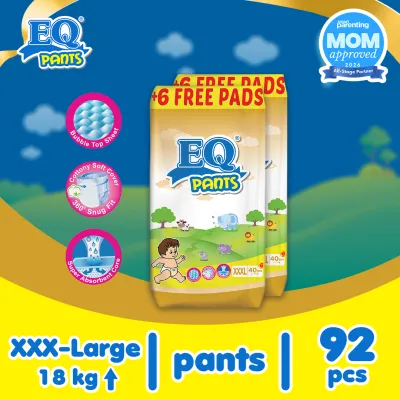
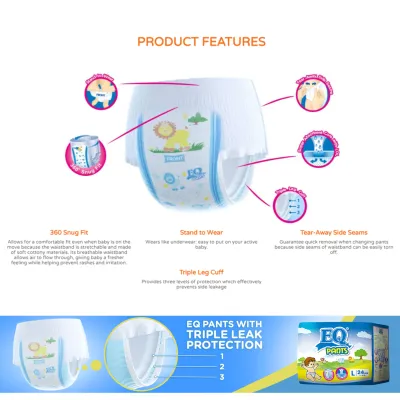
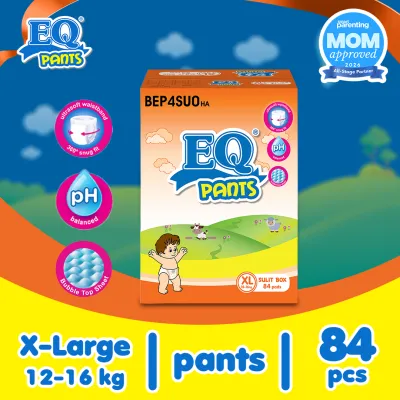
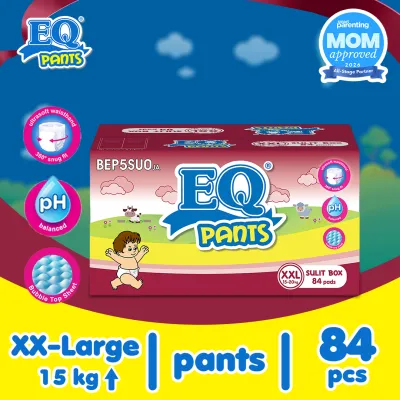
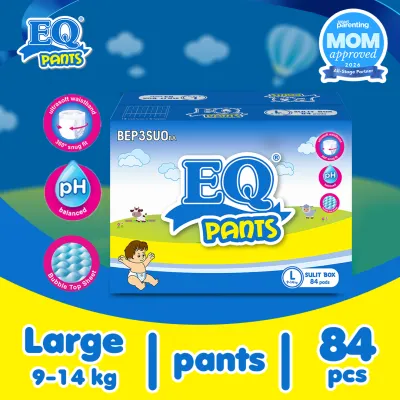
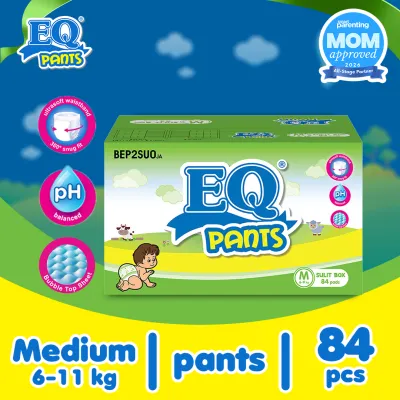
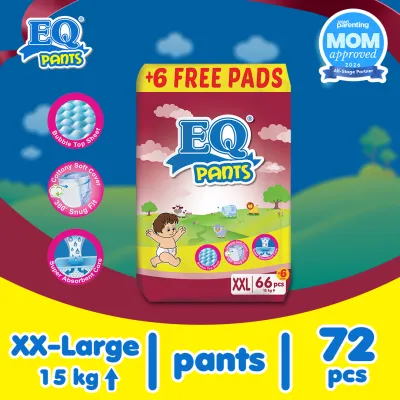
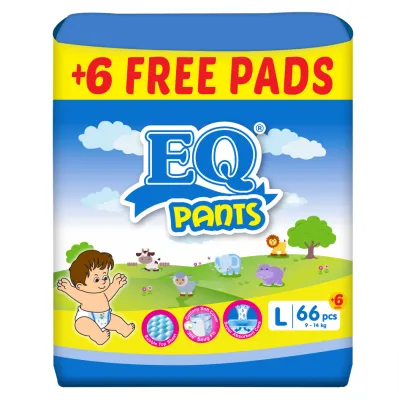
Prices are valid at publication and may change. Please refer to the product page for the latest price.
Choose Pampers if your primary goal is a slim, highly flexible fit and all-around softness for active crawlers or toddlers. This brand is particularly well-suited for parents who want to minimize bulk under lightweight tropical clothing, allowing babies to move freely without a heavy, sagging core between their legs.
Choose EQ if you are a budget-conscious family looking for highly cost-effective daytime diaper pants. EQ diaper pants provide reliable dryness for regular intervals, making them ideal for frequent daytime changes. This brand allows you to maintain high hygienic standards by changing diapers often without stretching your household budget.
Choose Huggies if your baby has chunkier thighs, a rounder tummy, or a wider waist. Huggies is known for its highly elastic, bubble-like waistbands and deep pocket designs, which accommodate fuller baby proportions comfortably while providing robust protection against blowouts during active play.
Ultimately, individual baby anatomy and skin sensitivity will dictate the best choice for your family. No single brand is universally perfect, and many parents find that their preferences change as their baby transitions through different developmental stages, from crawling to independent walking.
Absorbency and Leak Protection: Keeping Your Baby Dry
Absorbency is the core function of any diaper, and each of these three brands approaches moisture management with a slightly different design philosophy. Pampers focuses heavily on even distribution channels, utilizing super-absorbent gel technology designed to spread wetness evenly across the core. This even distribution prevents the diaper from sagging or clumping in one spot, which can restrict your baby’s movement and cause discomfort during active play.

Huggies utilizes rapid-absorb liners and dedicated leak-lock systems featuring deep pockets at the back of the diaper. These pockets are specifically engineered to trap runny stools and heavy wetness quickly, keeping moisture away from your baby’s delicate skin. This design is highly effective for babies who spend a lot of time sitting or rolling around, as it minimizes the risk of back leaks.
EQ diaper pants rely on a sturdy, traditional core padding optimized for standard daily wetting. While it may feel slightly thicker than the ultra-slim profiles of premium competitors, the core provides dependable dryness for regular daytime wear. It is designed to handle standard wetness volumes efficiently, making it a practical choice for parents who adhere to a frequent, structured diaper-changing schedule.
When evaluating how well a diaper pants brand manages moisture, you should regularly inspect the wetness indicator lines on the outer cover, which change color when wet. However, do not rely solely on these lines; physically check the weight and fullness of the diaper after use. A heavily saturated, sagging diaper indicates that the core has reached its limit and requires immediate replacement to prevent moisture from pressing back against the skin.
Additionally, pay close attention to the inner leg gussets, also known as the leak guards. These double-layered barriers must be pulled outward and sit flat against your baby’s skin without gaping or folding inward. If the leg gussets are tucked in, liquid can easily escape along the thighs, regardless of how absorbent the diaper’s core is.
For heavy overnight wetting, standard daytime diaper pants from any of these brands may not provide sufficient protection for a full twelve hours of sleep. If you experience frequent overnight leaks, consider sizing up by one level or switching to designated “overnight” variants that feature enhanced absorbent capacities. Always consult the manufacturer’s specific packaging guidelines to verify if a particular line is rated for overnight use.
Fit and Sizing: Matching the Cut to Your Baby's Shape
Achieving a proper fit is just as important as absorbency when it comes to preventing leaks and ensuring your baby’s comfort. The waistband elasticity varies noticeably among these three brands. Huggies is widely recognized for its highly stretchable, soft “bubble” waistband, which expands and contracts easily to accommodate babies with fuller tummies and rounder waistlines. This high stretch level helps prevent the waistband from digging into the skin when your baby sits up or crawls.
In contrast, Pampers and EQ feature more structured, streamlined waistbands that offer a snug, secure fit. These structured bands are excellent for babies with slimmer, athletic builds, as they keep the diaper firmly in place during high-energy activities. A structured waistband prevents the diaper from slipping down under the weight of wetness, ensuring the absorbent core remains properly positioned.
To prevent chafing and leaks, you must also evaluate the leg cuff tightness and the overall rise of the diaper, which is how high it sits on your baby’s belly. A diaper with a high rise offers better coverage and protection against waist blowouts, while well-proportioned leg cuffs prevent side leaks without constricting blood flow.
After removing a diaper, physically check your baby’s skin for red marks around the waist and thighs. Light, temporary pink indentations that disappear within a few minutes are normal and simply show that the elastic is doing its job. However, deep, angry red marks that persist long after the diaper is removed indicate a poor fit, signaling that the elastic is too tight and may be causing discomfort or chafing.
To avoid sizing mistakes, always rely on the specific weight range charts printed on the packaging rather than relying on age labels or generic sizing terms. A “Medium” in EQ diaper pants may have a completely different physical cut and weight limit than a “Medium” in Pampers or Huggies. Because baby growth spurts can happen suddenly, keeping a close eye on your baby’s current weight will help you choose the correct size and avoid unnecessary leaks.
Comfort and Skin Health: Breathability and Material Feel
In the hot and humid climate of the Philippines, diaper breathability is a critical factor in protecting your baby’s skin from irritation, prickly heat (bungang-araw), and diaper rash. The inner lining textures of these brands differ in material feel. Pampers features a soft, quilted topsheet designed to pull wetness rapidly away from the skin, maintaining a dry surface barrier. Huggies uses smooth or pocketed liners that minimize the surface area in direct contact with wetness, reducing friction.
EQ diaper pants utilize a standard, functional non-woven fabric lining. While it may not feel as plush as the premium lines of Pampers or Huggies, it provides a reliable, dry surface when changed at regular intervals. This makes it highly suitable for daytime use when diapers are changed frequently, minimizing the time wet fabric is in contact with the skin.
To keep your baby’s skin healthy, look for outer covers featuring micro-pore designs that allow heat and humidity to escape while keeping liquid locked inside. A breathable outer cover helps maintain a cooler temperature inside the diaper, which is essential for preventing yeast infections and sweat rashes in tropical weather.
When choosing a diaper, you may encounter marketing terms such as “hypoallergenic,” “dermatologically tested,” or “skin-friendly.” Because formulations, adhesive materials, and manufacturing processes can change, you must physically verify these claims and the ingredient list on the specific package label. Do not assume that a brand is automatically safe for sensitive skin without checking the latest product documentation.
Establish a strict safety boundary for your baby’s skin health. If your baby develops persistent redness, peeling, small blisters, or signs of contact dermatitis, stop using the diaper brand immediately. Do not assume that your baby’s skin will eventually “break in” or get used to the material. Consult a pediatrician or qualified healthcare professional to address the irritation and get advice on skin-safe alternatives.
Value and Availability: Cost per Piece of EQ Diaper Pants and Other Brands
Managing household expenses is a priority for Filipino families, making it essential to calculate the true value of your diaper purchases. Rather than comparing the total price of a package, calculate the “cost per piece” by dividing the total price of the pack by the number of diaper pants inside. Pack sizes, piece counts, and promotional bundles vary significantly between brands, meaning a larger box is not always the most economical choice.
Generally, EQ diaper pants are positioned as a highly accessible, value-driven option in the local market. They are widely available in budget-friendly mega-packs, making them an excellent choice for families looking to minimize daily diapering costs. Pampers and Huggies typically compete in the mid-to-premium price tiers, offering specialized sub-lines that feature advanced materials, higher stretchability, or enhanced overnight absorption capacities.
To ensure you are getting genuine products, always purchase your diapers from authorized channels. These include major local supermarkets, established regional drugstores, and official brand flagship stores on authorized online marketplaces. Purchasing from these verified sources ensures that the diapers have been stored and transported under hygienic conditions, protecting your baby from potential contamination.
Be cautious when buying diapers from unauthorized, unverified third-party sellers online, even if the prices seem exceptionally low. Counterfeit diapers often lack proper quality control, may contain substandard absorbent materials, or utilize harsh chemicals that pose severe skin safety risks to your baby. Investing in genuine diapers from trusted retailers is always the safest choice for your baby’s health.
How to Safely Test and Transition Between Diaper Brands
Transitioning to a new diaper brand should be done carefully to avoid wasting money on a large pack that might not fit or could irritate your baby’s skin. Before committing to bulk boxes or mega-packs, purchase small trial packs or single-serve bundles. This allows you to test the diaper’s performance and fit in real-world conditions without a significant financial commitment.
When testing a new brand, use a simple three-day observation checklist to monitor how well the diaper performs for your baby:
- Check for leaks: Observe if wetness escapes during active daytime play or during naps.
- Monitor sagging: Note if the diaper's core clumps or sags excessively when wet, which can restrict your baby's movement.
- Inspect the skin: Look closely for red marks around the waist and thighs after removing the diaper.
- Assess skin dryness: Feel your baby's skin during changes to ensure the inner lining is successfully keeping moisture away.
If you experience frequent leaks but do not see any red marks on your baby’s skin, the diaper may simply be too small, and you should try sizing up. However, if you notice red marks, chafing, or any signs of skin irritation, discontinue use of that specific brand immediately and switch back to a known, safe option.
To minimize disruptions to your baby’s routine, consider a gradual transition method. Use the new, more affordable brand during the day when you can change the diaper frequently and monitor your baby’s skin closely. Keep your trusted, highly absorbent brand for overnight sleep to ensure your baby enjoys uninterrupted rest. Once you are confident that your baby’s skin tolerates the new brand, you can transition to using it full-time.
Frequently Asked Questions (FAQ)
Can I use different diaper brands for daytime and nighttime?
Yes, using different diaper brands for daytime and nighttime is a highly practical and cost-effective strategy for many families. You can use an affordable, highly breathable diaper like EQ diaper pants during the day when changes are frequent, and switch to a premium, high-absorbency brand like Pampers or Huggies for long overnight stretches. This approach helps manage your monthly budget while ensuring your baby stays dry and comfortable during sleep. Always monitor your baby’s skin to ensure they tolerate the materials of both brands.
How do I know if the diaper pants are too small or too big?
Diaper pants are too small if they leave deep, persistent red marks on your baby’s waist or thighs, if you experience frequent waist blowouts, or if you struggle to pull the pants up over your baby’s hips. The diaper may also sit too low on their waist, failing to cover their backside fully. Conversely, diaper pants are too big if there is visible gaping at the leg cuffs, if the crotch sags heavily even when empty, or if leaks escape easily from the waistband. Always refer to the manufacturer’s weight chart on the packaging to verify the correct size.

Community discussion
Share your experience or ask a question. Comments are reviewed before publication.