
There is no single diaper brand that works perfectly for every baby, as the ideal choice depends on your child’s unique body shape, skin sensitivity, and your household budget. In the tropical climate of the Philippines, where high humidity and heat can quickly lead to skin irritation, finding the right balance between absorbency, breathability, and cost is essential for daily comfort. Rather than relying on generalized rankings, parents can make an informed decision by evaluating Pampers Swaddlers, Huggies, and Equator across specific, observable performance indicators.
By understanding how to read packaging labels, calculate the true cost per piece, and monitor your baby’s physical reactions, you can establish a diapering routine that keeps your baby dry and comfortable. This guide provides a practical, step-by-step framework to help you compare these three popular options and choose the best fit for your family’s daily needs.
Evaluating Absorbency and Leak Protection
When comparing diaper brands, absorbency is often the primary concern for parents looking to prevent leaks and ensure uninterrupted sleep. To evaluate absorbency, start by checking the manufacturer claims on the packaging for specific core technologies. Many premium diapers feature specialized absorbent channels designed to distribute liquid evenly, while others rely on traditional gel-based cores to lock moisture away from the skin. Additionally, look for wetness indicators—color-changing strips on the outside of the diaper—and note the manufacturer’s maximum wear-time recommendations, which can help you plan your changing schedule.
Products mentioned in this guide
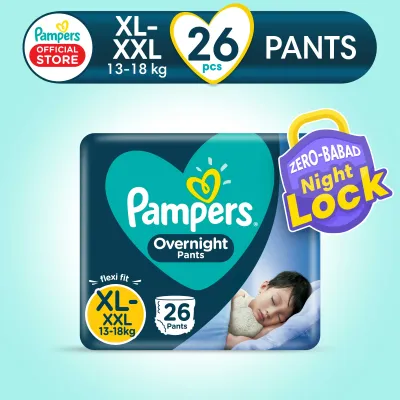
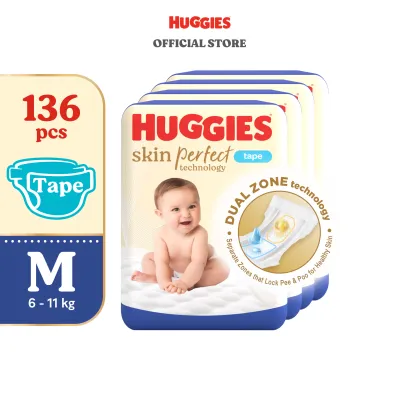
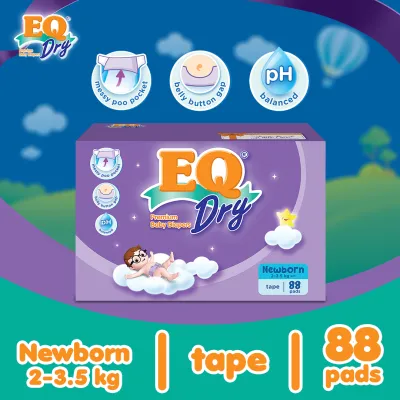



Prices are valid at publication and may change. Please refer to the product page for the latest price.
Real-world observation is the most reliable way to assess how well a diaper performs for your baby. During use, monitor how quickly the diaper sags when wet and whether the outer cover feels damp to the touch. In highly humid environments, a diaper with poor breathability may allow moisture to build up on the outer surface, even if the inner core is not fully saturated. For overnight use, check if the diaper maintains surface dryness after several hours; a dry surface indicates that the core is successfully keeping wetness away from your baby’s skin.
If you experience persistent leaks, do not immediately assume the brand is defective. Heavy wetting needs vary by baby and can change as your child grows or consumes more liquids. Before switching brands, try adjusting the diaper size or increasing your change frequency. Sizing up often provides a larger absorbent core and higher capacity, which can resolve leak issues without requiring a change in brand.
Comparing Comfort, Fit, and Skin Sensitivity
A diaper’s fit and material composition directly impact your baby’s comfort and skin health. Because babies have different body types—ranging from slender builds to those with chunky thighs—the design of the waistband and leg cuffs is critical. Evaluate the elasticity of the waistband and the stretchiness of the fastening tabs. A diaper with high elasticity can accommodate active movement and prevent gaps at the back, while double-layered leg cuffs help contain messes without digging into your baby’s skin.

Skin sensitivity is a major consideration, especially in warm climates where sweat and friction can easily cause diaper rash. When shopping, inspect the packaging for hypoallergenic claims, fragrance-free labels, or specific material compositions. Diapers free from added perfumes, elemental chlorine, and parabens are generally less likely to irritate sensitive skin. However, because every baby’s skin reacts differently, these labels are items you must verify through direct observation rather than assuming absolute safety.
To determine long-term material compatibility, track your baby’s physical skin reactions closely. Check for signs of redness, chafing, or localized diaper rash around the waistband and leg openings during every change. If you notice persistent irritation that does not improve with regular diaper cream and frequent changes, stop using that specific diaper brand immediately. For severe or ongoing skin conditions, always consult a pediatrician or qualified healthcare professional before trying new products.
Calculating Value and Cost per Diaper
To manage your household budget effectively, it is important to calculate the true cost of each diaper brand rather than relying on fluctuating promotional prices or retail packaging sizes. Diaper packs come in various counts, making direct price comparisons misleading. To find the actual unit cost, divide the total price of the pack in Philippine Pesos (₱) by the exact diaper count printed on the packaging. This calculation gives you the cost per piece, which is the only reliable metric for price comparison.
For example, if a pack of diapers costs ₱600 and contains 60 pieces, the cost per piece is ₱10. Comparing this unit cost across different brands and pack sizes allows you to identify which option offers the best financial value. To lower this cost further, look for bulk buying options, mega-packs, or subscription discounts available through official brand websites and authorized online retailers. Buying in larger quantities typically reduces the cost per piece significantly.
When evaluating value, weigh the upfront cost against practical daily performance. A lower-priced diaper that requires frequent changes due to lower absorbency, or one that results in regular blowouts, may end up costing more over time in both diaper consumption and extra laundry. Conversely, a slightly more expensive diaper that keeps your baby dry for longer periods can reduce the total number of diapers used per day, ultimately providing better overall value for your household.
Decision Framework: Choosing the Right Diaper
Selecting the right diaper involves matching your baby’s specific needs and your budget to the unique characteristics of each brand. Use this conditional framework to guide your final purchasing decision based on your observations:
- Choose Pampers Swaddlers if your primary focus is on premium softness, specialized newborn features, and highly visible wetness indicators. This option is often preferred for newborns and infants with highly sensitive skin who benefit from a quilted, breathable top sheet that minimizes contact with wetness.
- Choose Huggies if your baby is highly active or has a body shape that requires a highly contoured fit. This brand is suitable if you prioritize a secure, pocketed waistband designed to prevent back leaks and stretchy fastening tabs that adapt to movement.
- Choose Equator if your main goal is budget optimization and achieving a lower cost per piece in ₱ for daily use. This brand is a practical choice for frequent daytime changes when you can swap diapers immediately upon wetting, allowing you to maintain baseline hygiene without high ongoing expenses.
Before committing to a bulk purchase of any brand, buy a small trial pack to test the fit and monitor your baby’s skin compatibility. If your baby has pre-existing skin conditions, severe eczema, or known allergies, consult a pediatrician for personalized recommendations before introducing a new diaper brand into your routine.
Frequently Asked Questions (FAQ)
Can I mix different diaper brands for day and night use?
Yes, mixing diaper brands is a highly practical and cost-effective strategy for many families. You can use a budget-friendly diaper like Equator for daytime hours when changes are frequent and easily managed. For overnight sleep or long outings, you can switch to a highly absorbent, premium option like Pampers Swaddlers or Huggies to ensure your baby remains dry and comfortable for extended periods without disruptions.
How do I know if I need to size up instead of changing brands?
Before assuming a diaper brand is defective due to leaks, check for physical signs that your baby has outgrown their current size. Indicators that you need to size up include deep red marks around your baby’s thighs or waist, the diaper sitting too low on the waistline, frequent blowouts, or difficulty fastening the tabs securely to the front band. Sizing up provides a larger absorbent core and better coverage, which often resolves leak issues immediately.

Community discussion
Share your experience or ask a question. Comments are reviewed before publication.