
Finding the most cost-effective diaper for your baby involves more than just dividing the price of a pack by fifty. While comparing established international brands like Pampers and Huggies with Korean diaper options like Equator in 50-piece packs, parents often look for a single, universal winner. However, the true value of a diaper pack is determined by how well the design matches your baby’s unique shape, prevents leaks, and protects their skin in a warm, humid climate.
A diaper that costs less per piece but requires twice as many changes due to leaks or causes skin irritation is not a budget-friendly choice. To find the option that offers the most favorable quality-to-price ratio for your household, you must evaluate both the financial math and the physical performance of each brand. This guide provides a practical framework to calculate real unit costs, compare structural designs, and build a smart purchasing strategy.
Understanding the True Cost of 50-Piece Diaper Packs
To find the actual value of a 50-piece diaper pack, you must look beyond the initial price tag displayed on the shelf or screen. The true cost per piece is calculated by taking the final amount you pay at checkout—including all discounts and additional fees—and dividing it by 50. This simple calculation often reveals that the diaper with the lowest list price is not always the most economical choice.
Products mentioned in this guide
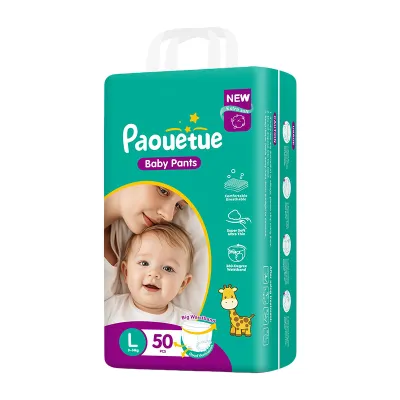
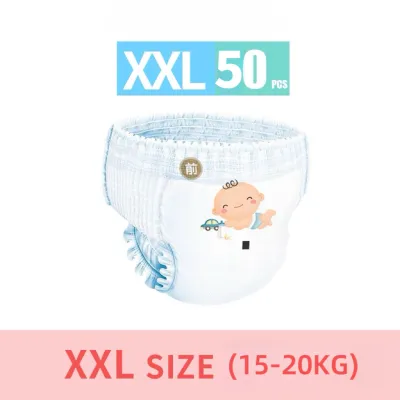
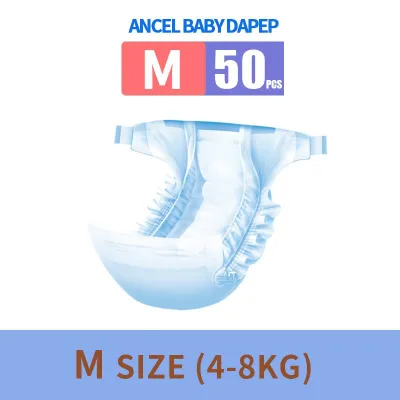

Prices are valid at publication and may change. Please refer to the product page for the latest price.
When shopping on online marketplaces, always calculate your expenses using the final checkout price. This means you must factor in shipping fees, which can vary significantly depending on whether you live in Metro Manila or provincial areas. Conversely, you should subtract any platform vouchers, store-specific coupons, and payment-method discounts that apply to your order. Some platforms offer free shipping vouchers that require a minimum spend, which might influence whether you buy one or two packs to maximize your savings.
Cashback promotions and loyalty points also play a major role in lowering your long-term expenses. If a specific brand or seller regularly offers ten percent cashback, that discount should be factored into your overall diaper budget. Over several months, these small savings accumulate into substantial discounts on your bulk purchases, lowering the real cost of each diaper.
Another critical factor is your baby’s current growth rate and daily diaper usage. A 50-piece pack of diapers might last a newborn less than a week, but it could last an older infant two to three weeks. If your baby is on the verge of transitioning to a larger size, buying multiple 50-piece packs of their current size carries a financial risk.
Babies can outgrow a diaper size quickly, leaving you with leftover diapers that no longer fit comfortably. To avoid this waste, monitor your baby’s weight closely and compare it against the manufacturer’s recommended weight ranges. If your baby is near the upper limit of a size range, it is wiser to buy a single pack or transition to the next size up rather than stocking up on a size they will soon outgrow.
Comparing Pampers, Huggies, and Equator: Key Evaluation Dimensions
When evaluating Pampers, Huggies, and Equator, you are comparing different design philosophies. Pampers and Huggies represent traditional international diaper designs, while Equator represents the increasingly popular Korean diaper style. Understanding how these designs differ structurally allows you to choose the diaper that most comfortably fits your baby’s physical build and activity level.

When examining Pampers, pay close attention to the stretchability of the waistband and the softness of the inner liner. A highly stretchable waistband allows the diaper to expand and contract as your baby breathes and moves, which helps prevent red marks around the tummy. You should also inspect the fit around the thighs, ensuring the elastic gathers sit comfortably in the leg creases without causing friction or leaving gaps.
For Huggies, focus your observation on the structural thickness and the design of the leak-guard barriers. These diapers often feature robust double-layered leg cuffs designed to contain heavy wetness and active movements. Check the secureness of the fastening tabs as well; they should grip the front panel firmly and remain in place even when your baby crawls, rolls, or climbs.
Equator, as a Korean diaper option, typically showcases a slimmer, more lightweight profile. These diapers are designed to prioritize breathability, which is a highly desirable feature in tropical, humid environments. However, because Korean diaper brands often use different sizing cuts compared to Western brands, you must carefully verify their specific size charts. A Korean diaper may feature a narrower crotch or a higher waist, which can affect how the diaper fits your baby’s unique shape.
No single diaper shape fits every baby comfortably. A baby with chunky thighs and a slim waist will require a different cut than a baby with a round tummy and slender legs. When testing these brands, observe how the diaper sits on your baby after a few hours of wear. Look for any sagging, shifting, or red pressure marks, as these are clear indicators that the diaper’s cut does not align with your baby’s body type.
Pre-Checkout Verification for Bulk Diaper Purchases
Before committing to a 50-piece pack on any online marketplace, you must perform several quality and safety checks. Because diapers are hygiene products that come into direct contact with your baby’s sensitive skin, buying from unverified sources can lead to poor performance or skin issues.
First, verify the manufacturing date and the estimated shelf life of the diapers. While diapers do not spoil like food, the elastic materials, adhesive tapes, and absorbent polymers can degrade over time, especially if stored in warm or humid conditions. Ensure the pack you are purchasing is relatively fresh and will be fully used long before any degradation occurs.
Next, investigate the seller’s credentials on the e-commerce platform. Look for official brand stores, authorized distributors, or highly rated sellers. Check the store’s overall rating and read their return and refund policies carefully. A reputable seller should offer clear options for returns if you receive a damaged package or the wrong size.
Take the time to read customer reviews, focusing specifically on feedback regarding packaging quality. Look for comments mentioning torn plastic wraps, broken seals, or cardboard boxes that arrived wet. Diapers that have been exposed to moisture or dust during transit or storage may lose their absorbency or harbor mold, making them unsafe for your baby.
Be highly suspicious of prices that seem too good to be true. If a 50-piece pack is listed at a price significantly lower than the brand’s official flagship store, it may indicate counterfeit goods, old stock, or improperly stored inventory. Investing in authentic products from authorized sellers is the most reliable way to ensure your baby’s safety and comfort.
Building a Flexible Bulk Buying Strategy
A successful bulk buying strategy balances financial savings with your baby’s comfort and skin health. To avoid getting stuck with 50 diapers that do not work for your baby, you should establish a systematic approach to purchasing and testing.
The most important rule of bulk buying is to never purchase a 50-piece pack of an unfamiliar brand or size without testing it first. Always buy a smaller trial pack or a travel pack to evaluate the fit, absorbency, and skin compatibility. Once you have confirmed that the diaper does not cause leaks or redness over a few days of continuous use, you can confidently purchase the larger 50-piece pack.
Many parents find that mixing diaper brands is a highly cost-effective strategy. For example, you might use a highly breathable, lightweight diaper like Equator during the day when you change your baby frequently. For nighttime use or long outings, you might switch to a more absorbent, structurally robust diaper like Huggies or Pampers to ensure your baby stays dry and comfortable through the night.
Your diapering strategy should also adapt to seasonal weather changes. During the hot and humid months in the Philippines, babies are more prone to heat rash and diaper dermatitis. During these times, prioritizing thin, highly breathable diaper designs can help keep your baby’s skin dry and cool, even if those diapers require slightly more frequent changes.
Regardless of the brand you choose, your baby’s skin health must always come first. If you notice persistent redness, unusual bumps, or a severe diaper rash after switching to a new pack, stop using those diapers immediately. Revert to a brand that you know your baby tolerates well, and consult a qualified pediatrician or healthcare professional if the skin irritation does not improve within a few days.
Frequently Asked Questions (FAQ)
Is it safe to buy 50-piece diaper packs from third-party online sellers?
Buying from third-party sellers carries risks such as receiving counterfeit products, expired stock, or diapers that have been stored in damp, unhygienic warehouses. To ensure safety and quality, it is highly recommended to purchase bulk diaper packs from official brand stores or authorized flagship retailers on e-commerce platforms. If you must buy from a third-party seller, carefully check their ratings, customer reviews, and return policies before making a purchase.
How do I know if a Korean diaper brand like Equator runs smaller or larger than Pampers or Huggies?
Korean diaper brands often feature a different cut, such as a narrower crotch or a higher waistband, which can make them feel smaller or tighter than Western brands of the same size category. Because weight ranges printed on packaging are only general guidelines, you should not rely on them entirely. Instead, measure your baby’s waist and thigh circumference, and compare these measurements directly against the brand’s detailed size chart to find the correct fit.
What should I do if my baby develops a rash after switching to a new bulk pack?
If your baby develops skin irritation or a rash after you switch to a new diaper pack, stop using those diapers immediately. Switch back to a previously trusted brand that did not cause any skin reactions. Keep the affected area clean and dry, and avoid using heavily scented wipes or creams. If the redness persists, worsens, or is accompanied by a fever, consult a pediatrician promptly for proper diagnosis and treatment.
Community discussion
Share your experience or ask a question. Comments are reviewed before publication.