
Finding the right newborn diaper is one of the first practical challenges new parents face. While Pampers, Huggies, and Equator are prominent names on store shelves and online marketplaces, there is no single brand that serves as a universal solution for every infant. The ideal choice depends entirely on your baby’s unique body shape, birth weight, and individual skin sensitivity.
In the tropical climate of the Philippines, where high humidity and warm temperatures are constant factors, diaper selection becomes even more critical. Excess moisture trapped against a newborn’s delicate skin can quickly lead to irritation or heat rash. Therefore, parents must learn to evaluate diapers based on observable design features and their baby’s physical response, rather than relying solely on brand reputation or marketing claims. Before purchasing in bulk, it is essential to verify specific newborn-friendly features directly on the product packaging.
Quick Answer: Which Newborn Diaper Brand to Choose?
The ideal newborn diaper is the one that matches your baby’s unique physical proportions and does not cause skin irritation. Because every infant has a different body shape and skin tolerance, no single brand is universally superior. Parents should base their final decision on physical fit checks and observed skin reactions rather than marketing claims.
Products mentioned in this guide
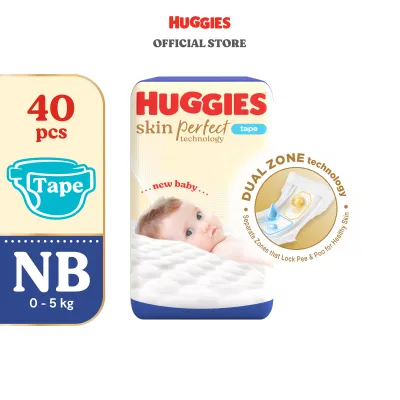
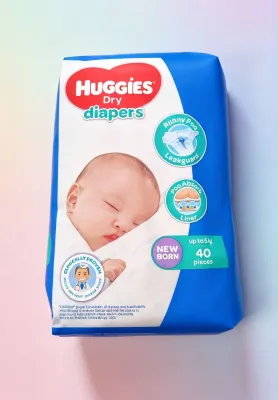
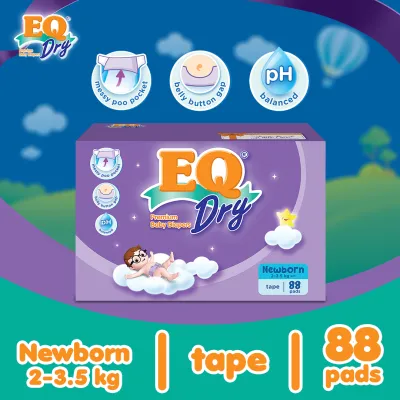
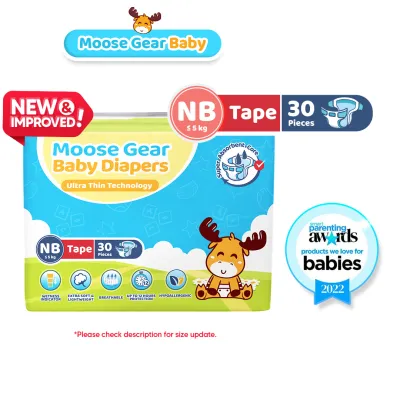
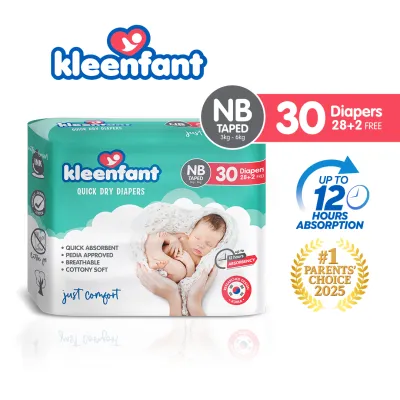
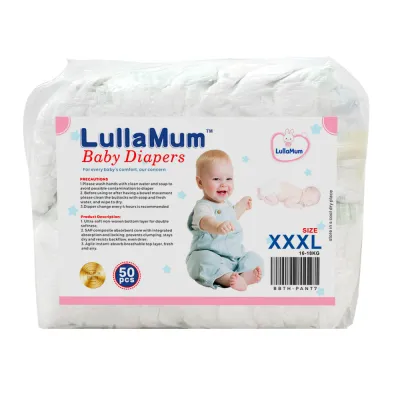
Prices are valid at publication and may change. Please refer to the product page for the latest price.
To find the right option, start by verifying key newborn features—such as an umbilical cord cutout—directly on the product packaging. Purchase small packs of Pampers, Huggies, or Equator to test how the materials interact with your baby’s skin. If you observe red marks, leaks, or persistent dampness, switch to another brand or size to ensure optimal comfort and protection.
Comparing Key Newborn Features: Cutouts, Softness, and Breathability
When comparing Pampers, Huggies, and Equator, parents should focus on three primary design elements that directly impact a newborn’s comfort and health: the umbilical cord cutout, the softness of the inner lining, and the overall breathability of the materials.

Evaluating the Umbilical Cord Cutout
The umbilical stump of a newborn requires careful protection during its first few weeks of life. It must remain clean, dry, and free from friction to prevent irritation or infection. Many diaper brands design their newborn sizes with a contoured, U-shaped cutout at the front of the waistband to ensure the diaper sits safely below the healing stump.
When shopping, look closely at the product packaging or the diaper itself to confirm the presence of this cutout. If a specific pack of Pampers, Huggies, or Equator does not feature this design, you will need to manually fold the front waistband downward. While folding is a common workaround, it can sometimes compromise the diaper’s fit, leading to gaps around the legs or uneven pressure on the baby’s abdomen.
Assessing Material Softness and Inner Linings
A newborn’s skin is significantly thinner and more fragile than adult skin, making it highly susceptible to friction-induced chafing. When evaluating the softness of Pampers, Huggies, or Equator, do not rely on generic “ultra-soft” marketing labels. Instead, look for specific product claims such as “hypoallergenic,” “lotion-free,” or “fragrance-free” to minimize the risk of chemical irritation.
Before placing a diaper on your baby, perform a physical touch-test. Run your fingers along the inner lining, the elastic leg barriers, and the fastening tabs. The material should feel smooth and fabric-like, without any stiff, plastic-like edges or rough seams. Pay close attention to the softness of the leg cuffs, as this area experiences constant movement and friction against the baby’s thighs.
Understanding Breathability in Humid Climates
In warm and humid environments, breathability is crucial for maintaining skin health. A diaper with poor air circulation traps sweat and urine, creating a warm, damp environment where bacteria and yeast can thrive. To assess breathability, check the packaging for indicators such as “breathable outer cover,” “micro-pores,” or “air-circulation channels.”
During actual use, you can observe how well a diaper manages moisture. If your baby’s skin feels damp or clammy immediately during a diaper change, or if you notice significant condensation on the outside of the diaper shell, the material may not be breathing adequately. A highly breathable diaper helps keep the skin dry by allowing moisture vapor to escape while keeping liquid securely contained.
Evaluating Fit and Sizing Across Brands
A diaper can only perform effectively if it fits your baby’s unique proportions. Because babies come in all shapes and sizes, a diaper that fits one newborn perfectly might cause leaks or red marks on another.
Decoding Brand-Specific Weight Ranges
It is a common misconception that all “Newborn” diapers are identical in size. In reality, weight ranges vary across brands and must be verified on the specific box or pack you purchase. For example, one brand’s newborn size might be designed for infants weighing up to 4 kilograms, while another might accommodate babies up to 5 kilograms.
If your baby is born near the upper limit of a brand’s newborn weight range, or if they have rounder thighs, you may need to transition to a larger size sooner than expected. Always use the weight guidelines on the packaging as a starting point, but let your physical observations of the fit guide your final decision.
Checking Leg Cuffs and Waistband Elasticity
To prevent leaks and ensure comfort, a diaper must create a gentle but secure seal around the legs and waist. When fastening the diaper, check that the inner and outer leg ruffles (the cuffs) are flared outward rather than tucked inward. These ruffles act as physical barriers to contain liquid stools.
The waistband should offer sufficient elasticity to stretch comfortably as your baby breathes and moves. You should be able to slide two fingers easily between the fastened waistband and your baby’s stomach. If the waistband feels stiff or lacks stretch, it may apply unnecessary pressure on the baby’s abdomen, especially after feeding.
Identifying Physical Signs of Poor Fit
Your baby’s skin will provide the clearest signs of an improper fit. Watch for deep red marks, indentations, or chafing around the thighs, hips, or waist. These marks indicate that the diaper is either too tight, the elastic is too harsh, or the cut of the diaper does not suit your baby’s body shape.
Frequent leaks or “blowouts” from the back of the diaper are another clear indicator of a poor fit. This often happens if the diaper lacks a pocketed waistband to catch liquid stools, or if the overall size is too small to contain the volume. If you experience consistent leaks despite proper fastening, it is time to try a different brand or size.
Decision Framework: Choosing the Right Diaper for Your Baby
To help you navigate the choices between Pampers, Huggies, and Equator, use this practical, condition-based framework to align each brand’s characteristics with your baby’s specific needs.
- Choose Pampers if: Your baby has a longer, leaner torso and narrower thighs, as this brand's cut often accommodates a slender build well. Select this option if the product packaging confirms the exact skin-friendly features, such as a wetness indicator or specific soft top-sheets, that align with your daily care preferences.
- Choose Huggies if: You observe that your baby requires extra containment around the lower back and legs, and their skin tolerates the specific inner materials without any signs of redness. This is a suitable choice if you prefer a snug, secure waistband design that physically hugs the baby's proportions to prevent back leaks.
- Choose Equator if: It provides a comfortable, proportional fit for your baby's weight, and the packaging meets your verified requirements for basic breathability and softness. This is a practical, straightforward option when you want a reliable diaper for frequent, regular changes throughout the day.
- Verify First if: Your baby has known skin sensitivities, eczema, or a family history of allergies. Always consult a pediatrician before using diapers that contain added botanical lotions, synthetic scents, or specific wetness-indicator chemicals, as these ingredients can sometimes trigger localized skin reactions.
Monitoring Skin Health and Knowing When to Switch
Even the highest-quality diaper can cause irritation if it is not used correctly or if it does not agree with your baby’s skin chemistry. Monitoring your newborn’s skin health daily is essential for preventing severe diaper rash.
Recognizing Early Signs of Skin Irritation
During every diaper change, inspect the entire diaper area under good lighting. Look for early warning signs of irritation, such as mild pinkness, small red bumps, dry patches, or chafing along the leg creases. These signs often indicate that moisture is being held against the skin for too long, or that the diaper material is rubbing against the skin.
Establishing Safe Stopping Conditions
If you observe severe redness, swelling, peeling skin, or blistering in the diaper area, immediately discontinue using that specific diaper brand. Clean the area gently with warm water, pat it completely dry with a clean towel, and consult a healthcare professional or pediatrician. Do not apply medicated creams or ointments without professional guidance, as some over-the-counter products can worsen certain types of rashes.
The Role of Daily Care Habits
It is important to remember that diaper design is only one part of the skin health equation. In the warm, humid climate of the Philippines, proper care habits are far more critical for preventing diaper rash than any specific brand’s technology.
To keep your baby’s skin healthy, change diapers frequently—ideally every two to three hours, or immediately after a bowel movement. Avoid rubbing the skin when cleaning; instead, gently pat the area with water or alcohol-free, fragrance-free wipes. Most importantly, allow the skin to air-dry completely for a few minutes before putting on a fresh diaper to ensure no moisture is trapped inside.
Frequently Asked Questions (FAQ)
Can I mix different diaper brands for my newborn?
Yes, mixing different diaper brands is a safe and highly practical approach. Many parents choose to use one brand during the day when changes are frequent and a different, more absorbent brand at night to help the baby sleep comfortably. However, when introducing a new brand into your rotation, monitor your baby’s skin closely for the first few days to ensure they do not experience friction or sensitivity to the new materials.
How many newborn diapers should I stock up on before birth?
It is best to avoid buying large bulk boxes of newborn diapers before your baby is born. Newborns grow at highly unpredictable rates, and some may outgrow the newborn size within a couple of weeks or even be born too large for them. Start by purchasing one or two small packs (typically containing 20 to 40 diapers each). This allows you to test the physical fit, check for skin compatibility, and ensure the diaper accommodates the umbilical stump before committing to a larger purchase.

Community discussion
Share your experience or ask a question. Comments are reviewed before publication.