
Preparing a nursery for a newborn is an exciting milestone, but it often brings a overwhelming list of furniture recommendations. Traditional setups highlight heavy wooden cribs, dedicated changing tables, and matching dressers, which can quickly crowd a room and strain your budget. For many modern families, a versatile pack and play bundle offers a highly functional, space-saving alternative that fulfills multiple roles in a single purchase.
Deciding whether to invest in a full traditional furniture set or rely on a multi-functional playard depends on your living space, daily routines, and long-term parenting plans. By understanding which pieces are absolute essentials for newborn care and which ones you can safely skip, you can design a safe, comfortable, and clutter-free environment for your baby.
Assessing Your Space: Choosing Between a Traditional Set and a Pack and Play Bundle
Evaluating your home’s layout is the logical first step before purchasing any nursery furniture. In compact urban homes, such as condominiums and apartments in Metro Manila, floor space is often limited. A traditional wooden crib paired with a standalone changing table can easily overwhelm a small bedroom, leaving very little room for parents to move around comfortably, especially during late-night feedings.
Products mentioned in this guide
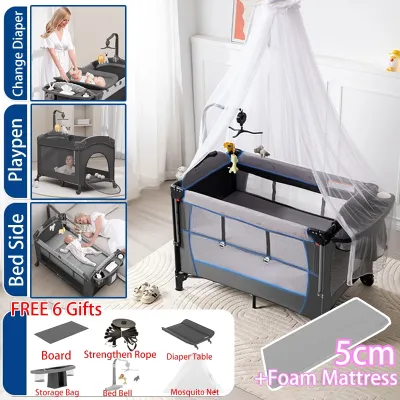

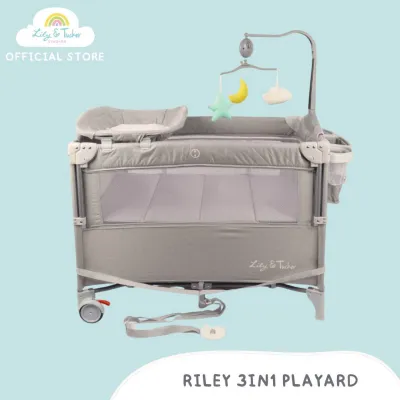
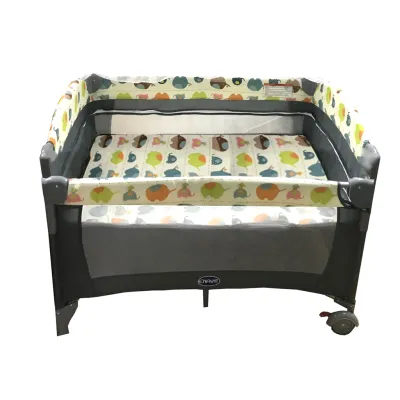
Prices are valid at publication and may change. Please refer to the product page for the latest price.
Multi-functional furniture bundles centered around a pack and play are designed specifically to address these space constraints. These systems typically combine a sleep space, a diaper changing station, and storage compartments into a single, compact footprint. This consolidation allows you to keep your bedroom or nursery open, airy, and easy to navigate.
Mobility is another critical factor to consider when evaluating your daily routine. Traditional nursery furniture is heavy and designed to remain in a single spot. In contrast, a portable playard can be folded down and moved between rooms, allowing you to keep your sleeping newborn close by while you work in the living room or cook in the kitchen. This portability is also highly beneficial for families who travel frequently or visit relatives on weekends.
From a financial perspective, a full wooden nursery suite is a significant investment, often costing upwards of ₱20,000 to ₱40,000 once you purchase the crib, mattress, changing table, and matching dresser. A high-quality pack and play bundle generally ranges from ₱5,000 to ₱15,000, offering a complete care station at a fraction of the cost. This budget-friendly path allows you to allocate your resources toward other essential newborn expenses, such as healthcare, diapers, and clothing.
The Core Essentials: Non-Negotiables for Newborn Care
Regardless of the style of nursery you choose, a newborn baby has very simple, non-negotiable needs: a safe, flat surface for sleeping and a sanitary, ergonomic area for diaper changes. Understanding how different furniture options fulfill these core needs will help you make a practical decision.

Sleep Space: Traditional Crib vs. Pack and Play Bassinet
A safe sleep environment is the most critical element of any nursery setup. Traditional cribs provide a large, sturdy, and long-lasting sleep space that can accommodate your child from infancy through toddlerhood. They are designed to meet strict international safety standards, featuring fixed side rails and robust wooden slats that ensure proper ventilation and security.
However, for the first few months of life, room-sharing is highly recommended by pediatric health organizations to facilitate easy nighttime monitoring and feeding. A traditional crib can be difficult to fit into a parent’s bedroom. This is where a pack and play with an integrated bassinet attachment shines, offering a smaller, lightweight sleep space that fits comfortably right beside your bed.
When choosing between these options, keep in mind that the bassinet attachment on a playard is a temporary sleep solution. These attachments have strict weight limits, typically ranging from 15 to 20 pounds (approximately 6.8 to 9 kilograms), and must be discontinued as soon as your baby begins to roll over or push up on their hands and knees. Once these milestones are reached, you must transition your baby to the lower, main level of the playard or to a traditional crib to prevent accidental falls.
Diaper Changing: Dedicated Table vs. Pack and Play Changer
Diaper changes will occupy a significant portion of your daily routine during your baby’s first year, occurring up to 10 to 12 times a day. A dedicated changing table offers a spacious, waist-high surface that minimizes the need to bend over, which can be a lifesaver for caregivers recovering from childbirth or dealing with chronic lower back pain. Standalone tables also feature built-in shelves or drawers to keep a large supply of diapers, wipes, and extra clothes within arm’s reach.
A pack and play bundle often includes a snap-on changing station that sits securely across the top rails of the playard. This setup is incredibly space-efficient, eliminating the need for an extra piece of furniture in the room. Most snap-on changers feature wipe-clean, water-resistant fabrics that make managing messes quick and straightforward.
Despite their convenience, snap-on changers do have limitations that you should consider before purchasing. They generally have lower weight limits than standalone wooden tables and require you to bend over slightly more, which may not be ideal for taller caregivers or those recovering from a cesarean section. If you choose to rely solely on a snap-on changer, look for a bundle that includes a hanging storage organizer to keep your diapering essentials organized and easily accessible without needing to step away from the baby.
Nice-to-Have Additions: What You Can Skip or Delay
Many nursery items marketed as essentials are actually luxury additions that you can easily skip or delay until your baby is older. Prioritizing your purchases helps keep your nursery functional and prevents unnecessary clutter.
Seating: Glider, Rocker, or Basic Baby Chair?
A comfortable seat is highly beneficial for late-night feedings, soothing a fussy baby, and reading bedtime stories. Dedicated nursery gliders and rocking chairs offer smooth, rhythmic motions that help lull babies to sleep, along with supportive armrests that reduce shoulder strain during feeding. However, these specialized chairs are often expensive, bulky, and difficult to repurpose once your child outgrows the nursery stage.
If you have limited space or a tight budget, you do not need to buy a specialized nursing chair. You can easily repurpose a comfortable armchair or recliner from your living room by adding a supportive lumbar pillow and a small footstool to achieve an ergonomic feeding position. For daytime wake windows, a basic baby chair, bouncer, or a simple padded floor cushion can provide a safe spot to set your baby down nearby while keeping your pathways clear.
Before placing any seating in the nursery, measure the chair’s full range of motion. Ensure that a rocking chair or glider has ample clearance behind and in front of it so it does not strike the walls, the crib, or the pack and play when in use. Keeping walkways completely clear is essential for navigating the room safely in the dark.
Extra Storage and Decorative Furniture
It is tempting to purchase matching bookshelves, toy chests, and elaborate decorative dressers to create a picture-perfect nursery. However, newborns do not have complex storage needs; their small clothing items, blankets, and minimal toys can easily be organized using existing closets or simple storage solutions. Heavy, freestanding furniture can quickly crowd a room, leaving little floor space for essential developmental activities like tummy time.
Instead of buying bulky wooden furniture, consider utilizing under-crib storage boxes, hanging fabric organizers on the back of doors, or installing simple wall-mounted floating shelves. These options keep items off the floor and maximize your vertical space. In humid climates, open storage solutions like wire baskets or breathable fabric bins are often preferable to closed wooden chests, as they promote air circulation and help prevent mold and mildew growth on fabrics.
Delaying the purchase of heavy decorative furniture is also an important safety decision. As babies grow into the crawling and pulling-up stages, any tall or heavy furniture becomes a serious tip-over hazard. If you do choose to install freestanding storage units, they must be securely anchored to the wall to ensure they cannot fall if a curious toddler attempts to climb them.
Safety First: Setup Rules for Pack and Play Bundles
Whether you choose a traditional nursery layout or a portable bundle, safety must be your top priority during assembly and daily use. Adhering to manufacturer guidelines and safety standards is essential to protect your newborn from sleep-related hazards and physical injuries.
Verify Mattress Fit and Firmness
- Use only the mattress pad provided directly by the manufacturer for your specific playard model.
- Never add aftermarket mattresses, memory foam toppers, pillows, or folded blankets to the playard, as these create dangerous gaps where a baby's head can become trapped, posing a severe suffocation risk.
- Ensure the mattress pad lies completely flat and is secured tightly to the bottom of the playard using the built-in straps or snaps.
Anchor Tall Standalone Furniture
- If your nursery includes a traditional dresser, bookshelf, or standalone changing table, anchor it securely to the wall using heavy-duty anti-tip straps.
- Do not rely on the weight of the furniture to keep it stable; even heavy wooden dressers can tip forward easily when multiple drawers are pulled open at the same time.
Manage Cords and Cables
- Position your baby's sleep and changing areas well away from windows where blind cords or curtain pulls hang down.
- Keep baby monitor cameras and their power cables at least 3 feet (approximately 1 meter) away from any part of the playard or crib to eliminate the risk of strangulation.
Check Locks and Recalls
- Before placing your baby in a playard, double-check that all four top rails are securely locked into place and that the bottom hub is pushed down completely.
- Ensure that any snap-on attachments, such as a bassinet or changing table, are clicked firmly into their designated slots according to the instruction manual.
- Regularly check official product safety databases for any active product recalls associated with your specific brand and model of nursery furniture.
Frequently Asked Questions (FAQ)
Can a baby sleep in a pack and play every night instead of a crib?
Yes, a baby can sleep in a playard nightly, provided the product is certified for safe sleep and you strictly follow the manufacturer’s guidelines. The sleeping surface must be the firm, flat mattress pad supplied with the unit, kept completely free of loose blankets, pillows, bumper pads, or soft toys. Always verify that your child has not exceeded the manufacturer’s height or weight limits for the playard, and transition them to a toddler-appropriate bed once they are able to climb out of the unit.
Do I really need a changing table if I have a pack and play with a changer?
No, you do not absolutely need a standalone changing table if your playard features a secure, snap-on changing attachment. The integrated changer is an excellent, space-saving solution that is perfectly adequate for the first few months. However, if you find that bending over the playard causes back strain, or if your baby outgrows the weight limit of the snap-on attachment, you may want to transition to a waist-high changing table or utilize a secure changing pad placed on top of a low dresser.
When should I transition my baby from the bassinet attachment to the main pack and play?
You must transition your baby out of the elevated bassinet attachment as soon as they reach the manufacturer’s specified weight limit, which is commonly 15 pounds (approx. 6.8 kg), or when they show signs of rolling over, pushing up on their hands and knees, or sitting up. Once any of these developmental milestones occur, the elevated bassinet becomes a fall hazard, and the baby must be placed directly on the lower, main mattress level of the playard for all sleep periods.
Community discussion
Share your experience or ask a question. Comments are reviewed before publication.