
Quick Answer: Which Outlet Protector Fits Your Home?
Selecting the appropriate outlet protector for your home is not a single, uniform decision. Instead, the ideal choice depends on three critical factors: whether the socket is in active use, the specific type of appliance plugged into it, and your child’s current developmental stage. For outlets that are permanently unused, simple plug-in socket covers offer a quick and highly economical barrier. However, for outlets that you access frequently, sliding plate protectors are a far more practical and secure option because they eliminate the risk of loose, removable parts.
For outlets where essential appliances must remain plugged in constantly, bulky outlet box covers are the most reliable choice because they secure both the outlet and the plug itself, preventing curious hands from pulling on cords. A complete baby-proofing plan rarely relies on just one type of protector. Because different rooms in your house serve different functions, you will likely need a strategic combination of plug-in covers, sliding plates, and box covers. By assessing the unique layout and electrical demands of each room, you can create a secure environment that protects your child while maintaining convenient access to electricity for your daily household needs.
The 3 Main Types of Outlet Protectors Explained
To make an informed decision for your baby-proofing strategy, it is essential to understand how each of the three primary outlet protectors functions, along with their distinct advantages and physical limitations.
Products mentioned in this guide
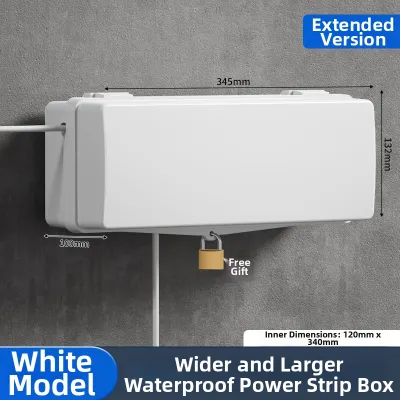
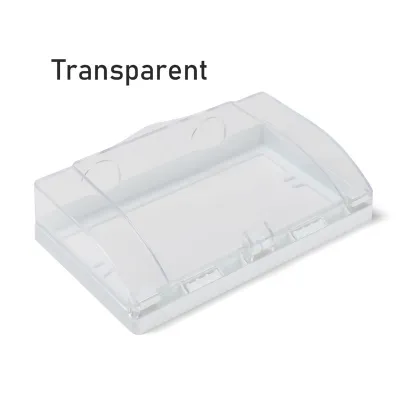
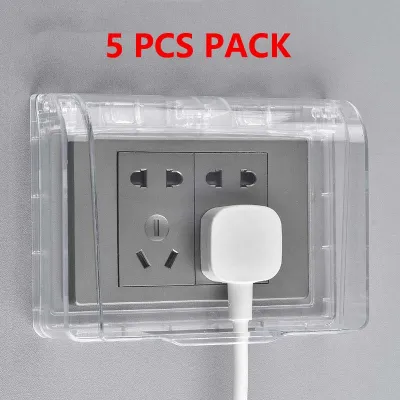
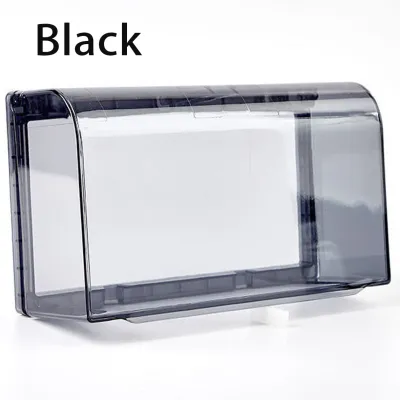
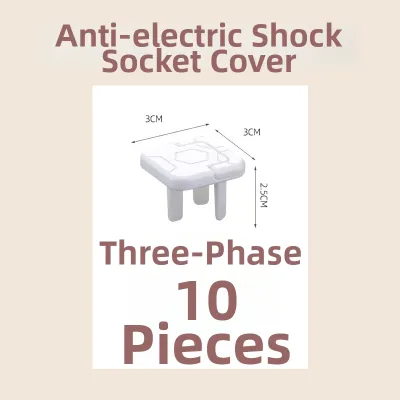
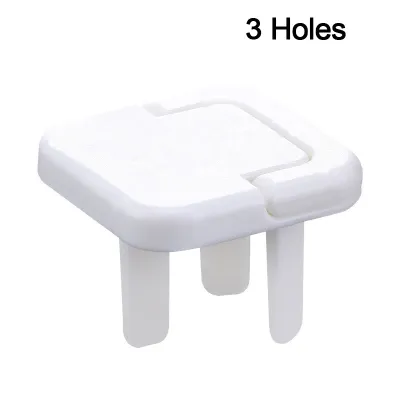
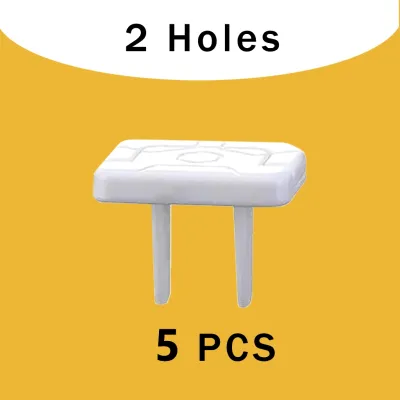
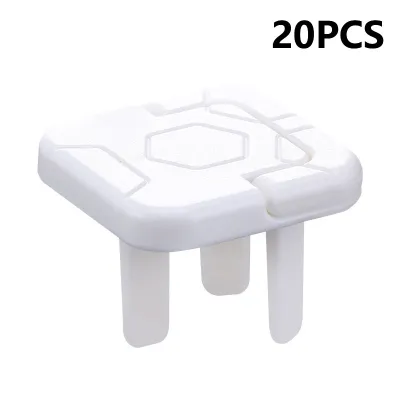
Prices are valid at publication and may change. Please refer to the product page for the latest price.

Plug-In Socket Covers
Plug-in socket covers are the traditional, insert-style plastic caps that press directly into the open slots of an unused electrical outlet. They are designed to create a flush, solid barrier that prevents children from inserting fingers, toys, or conductive objects like keys and hairpins into live electrical contacts. These covers are highly cost-effective and can be installed instantly across your entire home without any tools or electrical modifications. They are particularly useful for outlets that are hidden behind heavy furniture or are rarely, if ever, used.
However, plug-in covers have a significant limitation tied directly to your child’s cognitive and physical development. As infants grow into toddlers—typically between 12 and 18 months of age—they develop fine motor skills, including the pincer grasp. Curious toddlers quickly learn to mimic adult behavior and may attempt to pry these plastic caps out of the wall using their fingernails, teeth, or small toys. Once a plug-in cover is removed, it immediately presents two serious hazards: the exposed outlet becomes accessible again, and the small plastic cap itself becomes a major choking hazard. Consequently, these covers require constant caregiver monitoring and should be replaced with more secure alternatives as your child becomes more mobile and dexterous.
Outlet Box Covers
Outlet box covers are protective plastic enclosures that fit directly over your existing wall plate, completely surrounding both the outlet and any plugs that are currently inserted. These boxes feature a hinged or snap-on lid that securely locks in place, with a small, narrow exit slot at the bottom or side through which the electrical cords pass. This design ensures that even if a child pulls on the exposed cord, they cannot unplug the appliance or access the live electrical contacts.
This type of protector is highly recommended for outlets powering essential, heavy household appliances that must remain plugged in continuously, such as refrigerators, stand fans, air purifiers, or water dispensers. By enclosing the plug, you eliminate the risk of a toddler accidentally or intentionally pulling a heavy plug out of the wall, which could cause a sudden loss of power or create a spark hazard. The primary trade-off with outlet box covers is their bulky, protruding aesthetic. They stick out several centimeters from the wall, which can make it difficult to place furniture flush against the wall. Additionally, you must verify that the box cover’s internal dimensions are large enough to accommodate oversized power adapters or bulky plugs without bending the cords at unsafe angles.
Sliding Plate Protectors
Sliding plate protectors are replacement faceplates that feature built-in, spring-loaded mechanical shutters. When no appliance is plugged in, the internal shutters automatically slide closed, completely blocking access to the live contact holes. To plug in a device, you must insert the prongs of the plug into the shutter slots and slide the plate to the side before pushing the plug all the way in. Once you unplug the device, the spring mechanism instantly snaps the shutters back into the closed, locked position.
The greatest advantage of sliding plate protectors is that they provide a seamless, highly aesthetic look while completely eliminating the risk of small, removable parts. Because there are no loose caps to lose or misplace, sliding plates completely remove the choking hazard associated with traditional plug-in covers. They offer maximum convenience for adults who frequently need to plug and unplug items, such as vacuum cleaners or phone chargers, in high-traffic areas. However, sliding plates require a more involved installation process. You must unscrew and remove your existing wall faceplate and mount the sliding plate in its place. This task requires turning off the main electrical breaker and exercising basic electrical safety precautions. If you are uncomfortable working near electrical wiring, you should consult a qualified professional to handle the installation.
Room-by-Room Guide: Where to Use Each Protector
Every room in your home has a unique layout, traffic pattern, and set of electrical needs. To baby-proof effectively, you must tailor your choice of outlet protectors to the specific activities and hazards present in each individual space.
Living Rooms and Play Areas
The living room and designated play areas are high-traffic zones where your child will spend a significant amount of time exploring, playing, and crawling on the floor. These spaces typically feature a mix of permanently plugged-in electronics—such as televisions, media consoles, and Wi-Fi routers—and outlets that are used occasionally for phone chargers, floor lamps, or vacuum cleaners.
For frequently used outlets in open areas, sliding plate protectors are highly recommended. They provide a neat appearance, require no daily management from adults, and ensure the outlet is instantly protected the moment a plug is pulled out. For outlets located behind heavy furniture like sofas, entertainment units, or bookshelves, plug-in covers may seem like an easy option. However, you must remember that toddlers are highly curious and persistent. They often try to squeeze into tight spaces behind furniture or may attempt to pull furniture away from the wall to reach hidden outlets. If you choose to use plug-in covers in these hidden areas, you must perform regular visual checks to ensure the furniture has not shifted and the covers remain firmly in place. For main entertainment hubs where multiple cords are plugged into a power strip or wall outlet, using a specialized outlet box cover or a cable management box is the safest way to keep a tangle of heavy cords completely out of your child’s reach.
Kitchens and High-Traffic Zones
Kitchens are busy, high-risk environments characterized by high-power appliances, heat, and moisture. In a typical household, appliances like refrigerators, microwave ovens, rice cookers, and water dispensers are plugged in constantly, often at floor level or low countertop heights that are easily accessible to a crawling baby or toddler.
For these essential, permanently plugged-in kitchen appliances, outlet box covers are the absolute best choice. They prevent your child from pulling on the cords and unplugging critical appliances, which could lead to spoiled food, spilled hot water, or electrical hazards. Conversely, countertop outlets present a different challenge. These outlets are frequently used for small, temporary appliances like blenders, electric kettles, or coffee makers. Relying on plug-in covers for countertop outlets is highly impractical because you must constantly remove and replace the caps. This repetitive task increases the likelihood that a cap will be left lying on the counter, where a curious child can easily grab and swallow it. Instead, install sliding plate protectors on all countertop outlets. This ensures the sockets are automatically secured the instant you unplug your kitchen appliances, maintaining a safe environment without interrupting your daily kitchen routine.
Nurseries and Bedrooms
Your child’s nursery and bedroom require the highest level of security. These are the rooms where your child will sleep, play independently, and spend unsupervised time, making it critical to eliminate any potential hazards before they can cause harm.
In these sensitive areas, you should avoid traditional plug-in covers entirely to eliminate the risk of choking. Instead, opt for sliding plate protectors on all general-use wall outlets. If you have essential electronics in the nursery, such as baby monitors, humidifiers, nightlights, or white noise machines, these cords must be managed with extreme care. A loose, dangling cord near a crib or changing table poses a severe strangulation and pulling hazard. Use outlet box covers to completely enclose the plugs for these devices, and use wall-mounted cord covers to secure the length of the cords flat against the wall, keeping them entirely out of your child’s reach.
Bathrooms and Utility Areas
Bathrooms and utility rooms present unique safety challenges due to the constant presence of water, high humidity, and specialized electrical fixtures. In these wet areas, outlets are typically equipped with Ground Fault Circuit Interrupters (GFCIs) to protect against electrical shocks.
When baby-proofing bathrooms and laundry areas, you must verify that any outlet protector you choose is specifically compatible with GFCI outlets. Many standard sliding plates and plug-in covers do not fit properly over GFCI plates, or they may block the critical “Test” and “Reset” buttons. For outlets that power essential, continuously plugged-in items—such as electric toothbrush chargers, water heaters, or washing machines—look for specialized, moisture-resistant outlet box covers. These covers are designed to protect the outlet from water splashes and high tropical humidity while ensuring the protective enclosure does not interfere with the outlet’s built-in safety features. Always check the manufacturer’s documentation for both the outlet protector and your appliances to ensure compatibility and safe operation in damp environments.
Comparing Security, Convenience, and Installation
To help you weigh the practical trade-offs of each outlet protector type, the following comparison table outlines their stable, observable characteristics. This matrix balances physical security, adult convenience, and the effort required for installation.
| Protector Type | Toddler-Proof Security | Adult Convenience | Installation Effort | Choking Hazard Risk |
|---|---|---|---|---|
| Plug-In Socket Covers | Low (toddlers can learn to pry them out) | Low (must be manually removed and replaced) | Extremely Low (no tools required; push-in design) | High (small, loose parts when removed) |
| Outlet Box Covers | High (completely encloses plugs and outlets) | Medium (requires opening a latch to access plugs) | Low to Medium (screws onto existing plate or uses adhesive) | Low (no small, easily removable parts) |
| Sliding Plate Protectors | High (automatic closing mechanism) | High (seamless use; slides open with plug prongs) | Medium (requires replacing the wall faceplate) | None (integrated into the wall fixture) |
When using this table to plan your baby-proofing strategy, consider how your priorities may shift depending on your child’s age and mobility. For a newborn or young infant who is not yet crawling, plug-in covers offer an easy, temporary solution to block open sockets. However, as your child transitions into a highly mobile toddler with improved hand-eye coordination and strength, the security level of plug-in covers drops significantly. At this stage, prioritizing sliding plates for frequently accessed outlets and box covers for active appliances will provide a much higher level of physical security and peace of mind, while also reducing the daily hassle of managing loose plastic caps.
The Decision Framework: How to Choose
To finalize your baby-proofing purchases and installation plan, use this structured decision framework to match the right outlet protector to each specific outlet in your home.
Choose Plug-In Covers if:
- The outlet is completely and permanently unused, or is hidden securely behind exceptionally heavy, immobile furniture.
- Your baby is not yet mobile (under 6 months) and has not yet developed the physical strength or curiosity to explore wall fixtures.
- You need an immediate, budget-friendly solution while you plan a more permanent baby-proofing upgrade.
Choose Outlet Box Covers if:
- The outlet hosts an active, continuously plugged-in appliance that should never be unplugged, such as a refrigerator, stand fan, or air purifier.
- The outlet is located at floor level where a toddler could easily pull on a heavy power cord or adapter.
- You need to secure bulky, non-standard power adapters that do not fit flush against a standard wall plate.
Choose Sliding Plates if:
- The outlet is used frequently for daily or weekly tasks, such as vacuuming, iron use, or charging mobile devices.
- You want a permanent, highly aesthetic solution that blends seamlessly with your home's interior design.
- You want to completely eliminate the risk of choking hazards associated with loose, removable plastic caps in your child's bedroom or nursery.
Verify First if:
- Your home has specialized outlets: Many homes feature universal outlets, USB-integrated plates, or non-standard shapes. Before purchasing any protector, measure your existing faceplates and inspect the prong configuration (such as flat two-prong Type A or grounded three-prong Type B outlets) to ensure physical compatibility.
- The outlet is a GFCI unit: Ensure that the protector does not block the test and reset buttons or cover the grounding pin slots, which are critical for electrical safety in wet areas like bathrooms and kitchens.
Safety Checks and Installation Boundaries
While installing outlet protectors is a straightforward home safety project, you must follow strict safety protocols to protect yourself and your family from electrical hazards.
Before installing sliding plate protectors or modifying any wall fixtures, you must turn off the main power breaker at your home’s distribution board. Never rely solely on a wall switch to cut the power. Use a reliable voltage tester to verify that the outlet is completely de-energized before unscrewing the faceplate. Always read the manufacturer’s instructions for both the outlet protector and the appliances you intend to use to ensure physical compatibility and prevent voiding product warranties.
If you notice any warning signs during installation—such as an outlet that feels warm to the touch, shows signs of discoloration, scorching, or melting, or if the protector does not fit completely flush against the wall—stop immediately. Do not attempt to force the protector or use the outlet. These are signs of potentially dangerous electrical issues, and you must consult a registered, qualified electrician to inspect and repair the wiring.
Finally, remember that no physical safety product can replace active caregiver supervision. Outlet protectors are designed to buy you valuable reaction time, not to make an area completely childproof. Regularly inspect all protectors for signs of wear, cracks, loose fittings, or toddler tampering as part of your routine home maintenance to ensure your living spaces remain safe for your growing child.
Community discussion
Share your experience or ask a question. Comments are reviewed before publication.