
Choosing the right socket safety cover for your home is not about finding a single, universal product that solves every hazard. Instead, the most effective baby-proofing strategy relies on matching the specific state of each electrical outlet to the correct protective device. For outlets that constantly power household appliances, a full-enclosure outlet box cover is necessary to keep cords plugged in safely. For empty, unused sockets, simple plug-in protectors offer a low-profile barrier against curious fingers.
In the Philippines, homes often feature a mix of older two-prong outlets and modern three-prong grounded outlets, sometimes mounted on wide-series wall plates. The warm, humid tropical climate can also affect how plastic materials age, making regular inspections of baby-proofing gear essential. By understanding how your family uses electricity in daily life, you can create a secure environment that protects your child without disrupting your household routines.
Understanding Outlet Box Covers and Plug-in Protectors
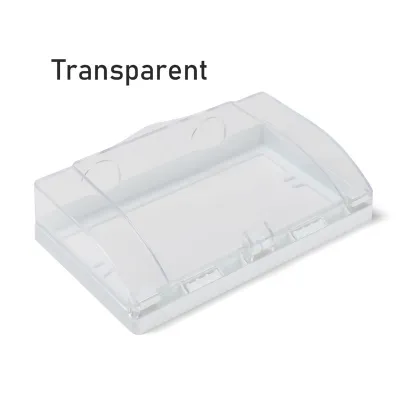
An outlet box cover is a full plastic enclosure designed to fit over the entire wall plate. It features a deep, protective dome and a latching door that allows electrical cords to remain plugged into the socket while the cover is closed. The primary function of a box cover is to prevent a child from pulling out active plugs, touching live metal prongs, or inserting foreign objects into the gaps around an active plug. These covers typically feature openings at the bottom for cords to exit safely, keeping the electrical connection completely inaccessible to toddlers.
Products mentioned in this guide
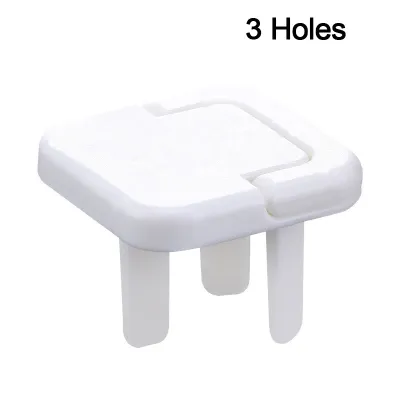
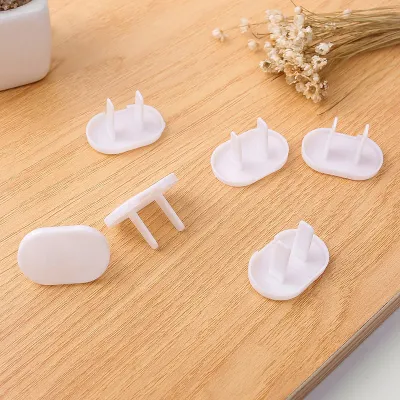
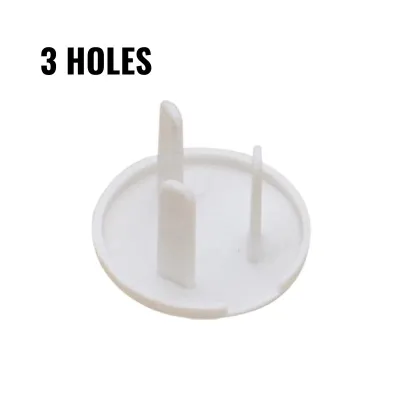
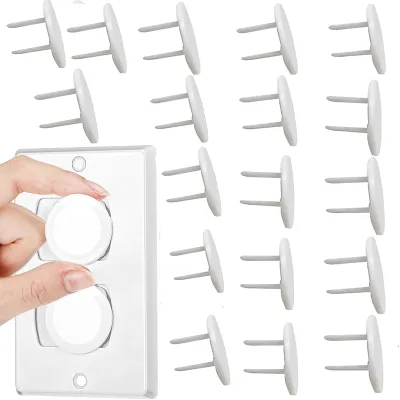

Prices are valid at publication and may change. Please refer to the product page for the latest price.
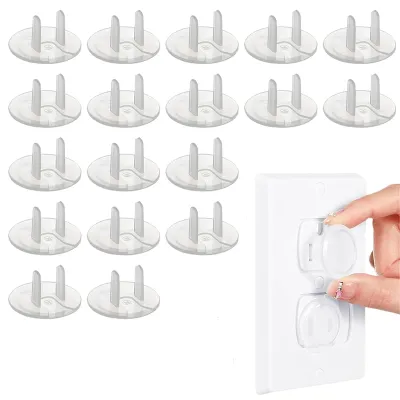
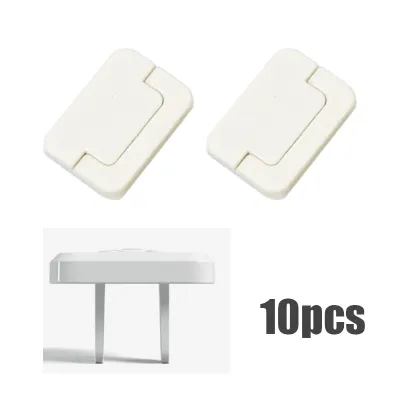
In contrast, a plug-in protector is a small, individual plastic insert designed to block the holes of completely empty, unused sockets. Often referred to as outlet caps, these protectors feature plastic prongs on the back that mimic an electrical plug, allowing them to push directly into the socket. Once inserted, they sit flush against the wall plate, leaving no exposed edges for a child to grip. Their sole purpose is to prevent babies from inserting toys, keys, or fingers into live, open electrical contacts.
The fundamental distinction between these two safety devices lies in how you use the outlet. Box covers are designed to manage active outlets where appliances must remain plugged in, while plug-in protectors are meant to secure inactive sockets that are not currently in use. Because a typical home contains a mix of both active and inactive outlets, relying on only one type of cover will leave significant safety gaps in your baby-proofing plan.
Neither option can be declared universally superior because they serve entirely different operational needs. A plug-in protector cannot secure an outlet that is running a refrigerator, and an outlet box cover is unnecessarily bulky for an empty socket hidden behind a guest room bed. The right socket safety cover depends entirely on whether the socket is actively powering an appliance or sitting empty.
Comparing Safety, Convenience, and Compatibility
Installing these two types of covers requires very different levels of effort and physical compatibility. Plug-in protectors require zero tools or technical skill; you simply push them into the empty socket slots. Outlet box covers, however, often require you to unscrew the existing wall plate and replace it with a specialized mounting bracket, or use strong adhesive backings. This installation process requires careful attention to the shape of your wall plates, as standard Western-style box covers may not align perfectly with the wide-series plates commonly installed in local homes.

Adult accessibility and daily convenience must also be balanced against toddler deterrence. Outlet box covers generally utilize a double-action squeeze latch or a hidden release mechanism that requires adult hand strength and coordination to open. While this keeps curious toddlers out, it can make unplugging appliances slightly more time-consuming for adults. Plug-in protectors rely purely on a tight friction fit; they are easy for adults to pull out when needed, but they can also be pried loose by a determined toddler with strong fingernails if the fit is not perfectly snug.
Visual integration is another key point of comparison in living spaces. Box covers are inherently bulky and protrude several centimeters from the wall, making them highly visible and sometimes drawing unwanted attention from a curious child. Plug-in protectors are much more discreet, often made of clear or solid white plastic designed to blend seamlessly into the outlet plate. However, their small size means they can easily be misplaced once removed, creating a potential hazard if left on the floor.
When to Use Outlet Box Covers for Active Sockets
Outlet box covers are the ideal solution for outlets that power continuous, essential appliances. In local households, appliances like stand fans, air purifiers, refrigerators, and electronic insect repellents often remain plugged in for hours or days at a time. A toddler pulling on these cords can cause sudden power interruptions, damage the appliance plug, or expose live electrical contacts. Using a box cover ensures these vital appliances stay powered while keeping the physical connection completely out of your child’s reach.
Despite their utility, box covers have distinct physical limitations. Their bulky design prevents furniture, such as sofas, cabinets, or beds, from being pushed flush against the wall. Additionally, standard box covers may not accommodate oversized power adapters, smart home modules, or voltage regulators. If you must use these larger devices, you will need to search for extra-deep box covers specifically designed for bulky plugs, or consider rearranging your room layout to keep those outlets completely out of reach.
When installing an outlet box cover, always perform a thorough safety check to ensure proper function. Verify that the cover closes completely and latches with a distinct click, indicating it is locked. Check that the power cords exit through the designated bottom slots without being pinched, bent at sharp angles, or strained. A pinched cord can experience internal wire damage over time, which increases the risk of short circuits or electrical fires in warm, humid environments.
When to Use Plug-in Protectors for Empty Sockets
Plug-in protectors are best suited for completely empty, unused sockets located in low-traffic areas or spaces where appliances are rarely connected. These might include low-lying outlets in hallways, guest bedrooms, or dining areas where you only occasionally plug in a vacuum cleaner or a mobile charger. Because these sockets spend most of their time empty, a simple, flush-fitting plug-in protector is a highly efficient way to block access without adding bulk to the wall.
However, plug-in protectors carry a specific safety risk that caregivers must carefully manage: they can become a choking hazard. If a toddler manages to pry a protector out of the socket, the small plastic piece can easily end up in their mouth. For this reason, you should avoid using cheap, loose-fitting plastic caps. Always supervise your child closely in areas with plug-in protectors, and consider upgrading to models that require a specialized plastic key to remove, which significantly reduces the risk of a child prying them loose.
To ensure maximum safety, perform regular checks on every plug-in protector in your home. Insert the protector and try to remove it using only your fingertips; if it comes out easily without resistance, the fit is too loose, and you should replace it immediately. Additionally, inspect the plastic regularly for signs of wear. High humidity and ambient heat can cause cheap plastics to become brittle over time, which may lead to the prongs snapping off and getting stuck inside the live socket contacts.
Your Decision Framework: Choosing the Right Socket Safety Cover
To secure your home effectively, follow this structured, step-by-step action plan to audit your electrical outlets and select the appropriate protection for each area.
- Step 1: Audit every outlet in the home. Walk through each room at your child's eye level. Identify and list every outlet located below one meter from the floor. Classify each socket as either "active" (permanently or frequently plugged in) or "inactive" (rarely or never used).
- Step 2: Measure existing wall plates and check configurations. Note whether your outlets are traditional duplex styles or modern wide-series plates. Check if the sockets accept two-prong flat plugs (Type A) or three-prong grounded plugs (Type B) to ensure any protector you buy matches the physical shape of your outlets.
- Step 3: Establish a regular maintenance routine. Set a recurring monthly reminder to inspect all safety covers. Check that box covers still latch securely, ensure no plug-in protectors are missing or loose, and verify that older siblings have not left covers open after using an outlet.
Use the following comparison table to quickly determine the correct safety solution for your specific household needs:
| Scenario / Outlet Condition | Recommended Solution | Key Verification Check |
|---|---|---|
| Outlet with a permanently plugged-in appliance (e.g., refrigerator, stand fan) | Outlet Box Cover | Verify the cover latches completely and does not pinch or strain the cord. |
| Unused socket within reach of a crawling baby or toddler | Plug-in Protector | Verify the fit is tight enough that it cannot be pried out by a child's fingernails. |
| Outlet located directly behind heavy, flush-to-wall furniture | Low-profile Plug-in Protector | Ensure the furniture does not press against the protector, which could damage the socket. |
| Outlets using oversized adapters or smart plugs | Extra-Deep Outlet Box Cover | Measure the adapter depth to ensure the box cover can close and latch fully over it. |
| Outlets in high-traffic areas where appliances are frequently plugged and unplugged | Sliding Outlet Cover Plate | Verify the spring-loaded mechanism snaps shut instantly when the plug is removed. |
Frequently Asked Questions (FAQ)
Are sliding socket covers better than plug-in protectors?
Sliding socket covers, which replace your existing wall plate with a spring-loaded faceplate, offer a highly convenient alternative to plug-in protectors. When you unplug an appliance, the cover automatically slides shut to block the live contacts, eliminating the risk of a caregiver forgetting to replace a manual insert. They also completely eliminate the choking hazard associated with loose plug-in caps. However, they require replacing the entire wall plate, which demands basic DIY skills, and they must be carefully matched to the specific mounting box and wiring configuration of your home.
What should I do if my plug-in protector gets stuck in the socket?
If a plug-in protector becomes wedged or its plastic prongs snap off inside the socket, never use metal tools like screwdrivers, scissors, or metal tweezers to pry it out, as this poses an immediate risk of severe electrical shock. First, go to your home’s main electrical panel and turn off the circuit breaker for that specific room. Verify the power is completely off by testing a working appliance in the adjacent socket. Once the power is cut, use non-conductive plastic tweezers or needle-nose pliers with fully insulated rubber grips to carefully extract the stuck piece. If you cannot remove it easily, or if you feel unsure about the process, contact a licensed electrician to safely resolve the issue.
Community discussion
Share your experience or ask a question. Comments are reviewed before publication.