
Nutrilin drops can be a safe and highly beneficial multivitamin supplement for your baby, but their safety is strictly conditional on your child’s age, weight, health profile, and a pediatrician’s direct approval. Because every infant’s nutritional needs and physical development differ, you should never administer these drops without first consulting a healthcare professional. A doctor can determine whether your baby actually requires a supplement or if they are already receiving adequate nutrients from breast milk, infant formula, and complementary foods.
In the Philippines, infant vitamin drops are commonly discussed among parents looking to support their child’s growth, especially during rapid developmental milestones. These supplements are designed to bridge specific nutritional gaps that might arise due to dietary limitations or specific health conditions. However, vitamins are active compounds that affect metabolic processes, meaning they must be treated with the same care and caution as any medical intervention.
Before purchasing any vitamin drops, parents must prioritize sourcing. Counterfeit or improperly stored health products can pose severe risks to an infant’s delicate system. Always purchase supplements exclusively from authorized physical pharmacies, official brand stores, or reputable clinics. Avoid buying from unverified third-party sellers on online marketplaces, as exposure to extreme heat and humidity during improper storage or transit can degrade the vitamins or compromise the product.
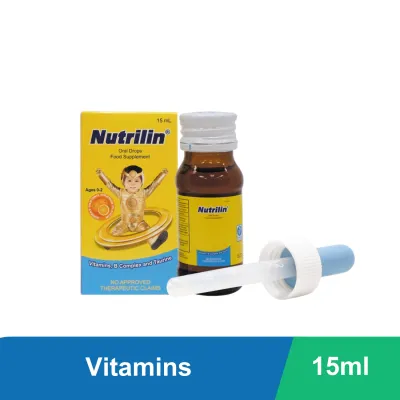
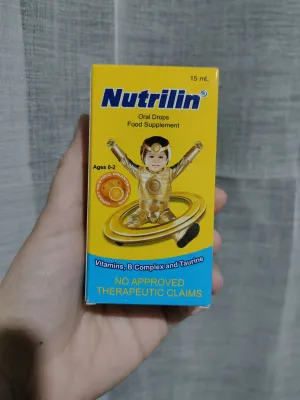
Products mentioned in this guide


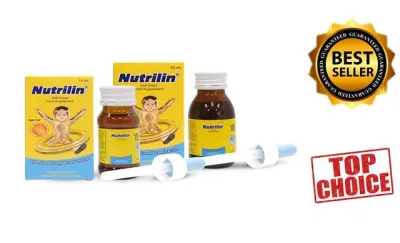
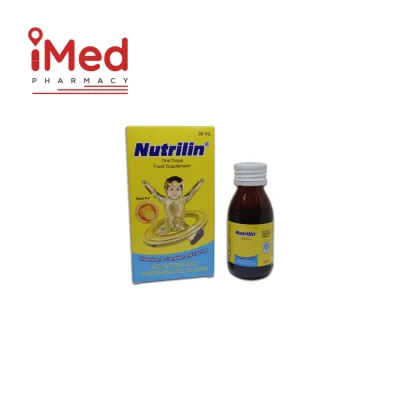
Prices are valid at publication and may change. Please refer to the product page for the latest price.
How to Verify Age, Weight, and Dosage Guidelines
To ensure the safe use of any infant supplement, parents must learn how to accurately read and interpret the manufacturer’s age and weight guidelines. These details are typically printed on the outer carton, the bottle label, or the enclosed product insert. Never rely on advice from online forums or well-meaning relatives when determining how much to give your baby, as formulations and concentrations can vary significantly between different product batches and brands.
Pediatric dosing is primarily calculated based on a child’s weight rather than their chronological age. This is because an infant’s metabolic rate, kidney function, and liver maturity correlate much more closely with body mass than with the number of months since birth. A baby who is larger or smaller than average may require a different dosage than what is standard for their age bracket. Consequently, guessing the correct dose based on age alone can lead to accidental underdosing or dangerous overdosing.
Before administering the first dose, consult your pediatrician to obtain a precise dosage recommendation tailored to your baby’s current weight. If your baby undergoes a growth spurt or experiences weight loss due to an illness, do not adjust the dosage on your own. Always seek professional guidance to recalculate the correct volume. Even if the product packaging provides a general dosage chart, your doctor’s specific instructions must always take precedence.
Keep a dedicated logbook or digital tracker to record the exact time and amount of each dose administered. This practice is especially helpful in households with multiple caregivers, as it prevents accidental double-dosing. If you notice any discrepancies between the dosage recommended by your doctor and the guidelines printed on the packaging, pause administration and clarify the instructions with your pediatrician or a licensed pharmacist before proceeding.
Checking Ingredients, Additives, and Allergens
A critical step in verifying the safety of any baby supplement is conducting a thorough review of the ingredient list. Active ingredients, such as specific vitamins and minerals, must align precisely with your pediatrician’s recommendations. Giving your baby a multivitamin that contains nutrients they do not need can strain their developing organs, particularly their kidneys, which are responsible for filtering excess water-soluble vitamins and processing minerals.

Beyond the active vitamins, parents must carefully examine the inactive ingredients, which include binders, preservatives, flavorings, and colorants. Some infant drops contain artificial sweeteners, synthetic dyes, or chemical preservatives to improve shelf life and palatability. While these additives are generally regulated, some infants may have sensitivities or mild allergic reactions to specific coloring agents or flavorings. Opting for formulations with minimal additives is often preferred for very young infants.
Allergens are another vital consideration, especially if your baby has a family history of allergies or has shown signs of food sensitivities. Check the product packaging for warnings regarding common allergens such as soy, gluten, dairy, or peanut derivatives, which are sometimes used in the manufacturing process or present due to shared facility equipment. If the label does not explicitly state that the product is free from allergens relevant to your child, consult the manufacturer or your pediatrician before use.
Formulations can change without prior notice, meaning a product you have safely used in the past might now contain different ingredients. Make it a habit to read the ingredient list on every new bottle you purchase, even if the packaging looks identical to the previous one. If you notice any changes in the color, smell, or consistency of the liquid, do not administer it until you have verified with a professional that the product is safe and authentic.
Safe Administration and Storage Practices
Administering liquid vitamins to an infant requires precision and a calm, controlled approach. Always use the specific dropper or oral syringe provided by the manufacturer inside the product packaging. Never substitute these tools with household kitchen spoons, medicine cups from other products, or droppers from different brands. Household spoons vary widely in volume, and even a minor measurement error can result in a significant overdose for a small infant.
When drawing the liquid into the dropper, ensure there are no large air bubbles, which can cause you to under-measure the dose. To administer the drops safely, place your baby in a semi-upright position to prevent choking or aspiration. Gently insert the tip of the dropper into the side of their mouth, aiming toward the inside of the cheek rather than the back of the throat. Release the liquid slowly, allowing your baby to swallow naturally at their own pace.
Proper storage is essential to maintain the potency and safety of the vitamins, particularly in tropical environments characterized by high temperatures and humidity. Read the storage instructions on the label carefully to determine whether the product must be refrigerated after opening or kept at a cool room temperature. Store the bottle in a dark, dry place away from direct sunlight, stoves, or humid bathroom cabinets, as heat and moisture can rapidly degrade active vitamins.
Always keep the vitamin bottle securely closed and stored completely out of the reach and sight of children. As babies grow into toddlers, their curiosity and developing motor skills can lead them to explore cabinets and mimic adult behaviors. Accidental ingestion of concentrated vitamins, especially those containing iron, can be highly toxic to young children. Treat vitamin drops with the same storage security as prescription medications.
Adverse Reactions: When to Stop and Seek Medical Help
Even when administered correctly, any new supplement can potentially cause an adverse reaction or intolerance in a sensitive infant. After giving your baby the drops, monitor them closely for several hours for any physical or behavioral changes. Common signs of mild intolerance include minor digestive upset, such as mild gas, a slight change in stool consistency, or temporary fussiness.
More serious adverse reactions require immediate action. Stop administering the drops immediately if you observe signs of physical distress, such as unexplained skin rashes, hives, persistent vomiting, severe diarrhea, or unusual, inconsolable crying. If you decide to discontinue the product, keep the bottle and packaging intact so you can show the exact batch number and ingredient list to your healthcare provider during your consultation.
It is vital to distinguish between a mild reaction that warrants a call to your pediatrician and a medical emergency that requires immediate hospital care. Seek emergency medical attention immediately if your baby exhibits signs of a severe allergic reaction, such as difficulty breathing, wheezing, swelling of the face, lips, tongue, or throat, extreme lethargy, or a rapid, weak pulse. Do not attempt to treat these symptoms at home with over-the-counter allergy medications without explicit professional instruction.
Frequently Asked Questions (FAQ)
Can I mix the drops with breast milk or formula?
Before mixing vitamin drops with your baby’s milk, consult the product label or ask your pharmacist for specific compatibility guidelines. While mixing can sometimes make administration easier, it carries a significant practical risk. If your baby does not finish the entire bottle of breast milk or formula, they will not receive the full, intended dose of the vitamin. To ensure accurate dosing, it is generally recommended to administer the drops directly into the baby’s mouth or mix them with a very small, separate portion of milk that you are certain they will consume completely.
What should I do if I miss a dose or accidentally give too much?
If you miss a scheduled dose of your baby’s vitamin drops, the safest approach is to skip the missed dose entirely and resume the regular schedule at the next planned time. Never double the dose to make up for a missed one, as this can lead to an unsafe concentration of vitamins in your baby’s system. In the event of an accidental overdose—such as a caregiver administering a double dose or a child consuming the liquid unsupervised—contact a poison control center, emergency medical hotline, or your pediatrician immediately. Keep the product bottle nearby so you can read the exact ingredients and concentration to the medical professional.
Community discussion
Share your experience or ask a question. Comments are reviewed before publication.