
Quick Answer: Is Nursy Right for Sensitive Skin?
Determining whether Nursy baby wipes suit your baby’s sensitive skin depends on verifying the specific variant’s ingredient list and understanding your child’s unique skin triggers. Because infant skin is exceptionally thin and highly permeable, no single brand can guarantee absolute safety for every individual baby.
To make an informed choice, parents must inspect the product packaging to confirm the absence of common chemical irritants, such as drying alcohols, parabens, and synthetic fragrances. In the warm, humid climate of the Philippines, where sweat and friction can easily exacerbate diaper rash, choosing a wipe with a minimal, gentle formulation is crucial.
Ultimately, the only definitive way to ensure compatibility is to perform a localized patch test. Apply a single wipe to a small, clear area of your baby’s skin, such as the inner forearm, and monitor the spot for any signs of redness or irritation over twenty-four hours before using the product regularly during diaper changes.
Products mentioned in this guide
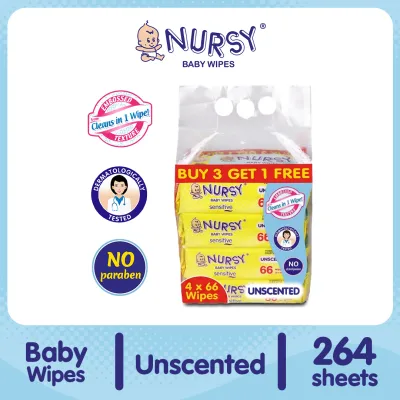
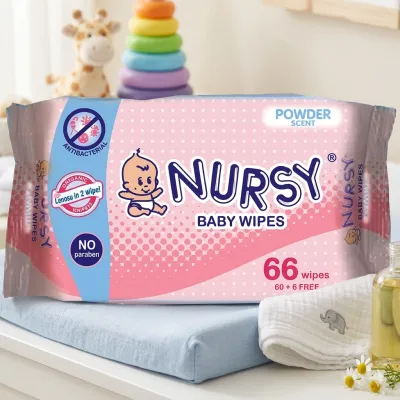
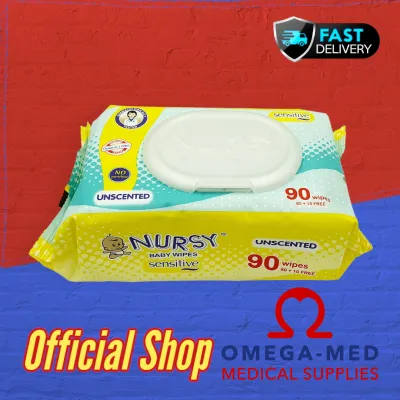
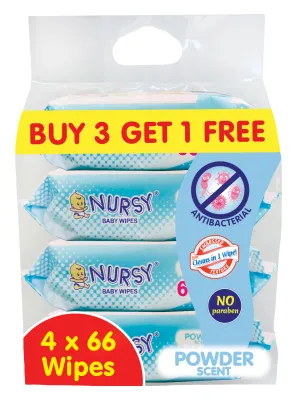
![[PROMO PACK] Nursy Wipes Scented 120s x 2 packs (240 pulls)](https://img.lazcdn.com/g/p/435c95f1d11ae4999f3fc7fb1320ecdd.jpg_400x400q80.jpg_.webp)
![[PROMO PACK] Nursy Wipes Powder Scent 90 pulls - 4 Packs with FREE 30 pulls 2 Packs](https://img.lazcdn.com/g/p/5cbff1f93441a40c4c1cd5d80ed88c0e.jpg_400x400q80.jpg_.webp)
![[PROMO PACK] Nursy Wipes Powder Scent 90 pulls - 6 Packs with FREE 30 pulls 3 Packs](https://img.lazcdn.com/g/p/0b2eafd04d22766eac88a4f72afa24ee.jpg_400x400q80.jpg_.webp)
Prices are valid at publication and may change. Please refer to the product page for the latest price.
Core Dimensions for Comparing Baby Wipes
When evaluating any baby wipe brand for sensitive skin, parents should look past marketing claims and focus on objective, measurable criteria. Comparing products across these core dimensions allows you to identify which formulations support the skin barrier and which might cause unnecessary irritation.

Ingredient Transparency and Chemical Irritants
The first and most critical dimension is the transparency of the ingredient list. Many standard wipes contain hidden irritants or strong preservatives designed to extend shelf life, but these can easily trigger contact dermatitis in sensitive infants.
When reading labels, look closely for preservatives like methylisothiazolinone (MI) or phenoxyethanol. While some regulatory bodies permit these in limited concentrations, highly sensitive skin may react to them, especially when the skin barrier is already compromised by heat or friction.
Additionally, be cautious of essential oils and botanical extracts. Although often marketed as natural soothing agents, ingredients like lavender, tea tree, or citrus oils contain natural allergens that can provoke allergic reactions on delicate baby skin.
Material, Thickness, and Texture
The physical properties of the wipe play a direct role in skin health. The material determines how much friction is applied to the baby’s skin during cleaning, which is especially important during frequent diaper changes in tropical weather.
Wipes are typically made from plant-based fibers, bamboo, or polyester blends. Bamboo and high-quality plant-based fibers generally offer a softer, smoother texture that minimizes friction, whereas cheaper polyester blends can feel rough and abrasive.
Thickness, often measured in grams per square meter (GSM), is also vital. Thicker wipes hold more moisture and provide a protective barrier for your hands, allowing you to clean thoroughly with fewer passes and less rubbing, which directly reduces the risk of mechanical skin irritation.
Moisture Content and pH Balance
The liquid formulation infused into the wipe must respect the natural physiology of infant skin. Healthy baby skin has a slightly acidic pH, typically between 4.5 and 5.5, which forms a protective barrier known as the acid mantle.
Using wipes that are not pH-balanced can disrupt this mantle, making the skin more susceptible to bacterial infections and diaper rash. Look for labels that explicitly state the formulation is pH-balanced or matched to the skin’s natural acidity.
Furthermore, the purity of the water used in the formulation is paramount. High-quality sensitive wipes utilize multi-filtered or purified water to ensure that no trace minerals, chlorine, or contaminants are transferred to your baby’s skin during use.
Evaluating Nursy Baby Wipes: What to Check on the Label
To determine if Nursy baby wipes are a safe match for your child, you must become an active label reader. Packaging designs often highlight appealing keywords, but the true safety profile of the product lies in the fine print on the back of the pack.
Start by locating the complete ingredient list, which is usually printed near the bottom or side of the packaging. Verify the primary cleansing agent used; mild, non-ionic surfactants are generally preferred over harsh detergents that strip the skin of its natural lipids.
Next, look for specific sensitive-skin certifications or dermatological testing claims printed on the pack. Keep in mind that terms like “dermatologically tested” can vary in meaning, so it is wise to check if the packaging references independent testing standards or hypoallergenic certifications.
It is also essential to distinguish between “fragrance-free” and “unscented” labels. A fragrance-free product contains no added fragrance chemicals, whereas an unscented product may actually contain masking agents designed to neutralize the natural chemical smell of the ingredients, which can still irritate sensitive skin.
Finally, check the manufacturer’s instructions regarding the age range and specific areas of use. Some variants may be formulated specifically for the diaper area of older babies, while others are designed to be gentle enough for newborns.
How Nursy Compares to Other Wipe Categories
Understanding where Nursy fits within the broader market helps you weigh the trade-offs between cleansing efficiency, skin safety, and household budget. In local supermarkets and online marketplaces, baby wipes generally fall into three distinct categories.
99% Water Wipes
Water-based wipes are designed with the absolute minimum number of ingredients, typically consisting of 99% purified water and a trace amount of a mild preservative or fruit extract. These wipes offer the lowest risk of chemical irritation, making them highly recommended for newborns.
However, because they lack active cleansing surfactants, water wipes may require more physical wiping to clean sticky or oily messes. This extra friction can sometimes irritate sensitive skin, and water-based options are often priced higher, ranging from ₱120 to ₱250 per pack.
When comparing Nursy to this category, check if the Nursy variant you are considering relies on a similar high-water formula or if it includes additional cleansing agents that might offer more cleaning power at the cost of a slightly longer ingredient list.
Botanical and "Natural" Extract Wipes
Many popular brands infuse their wipes with botanical extracts like aloe vera, chamomile, or calendula, marketing them as soothing solutions for dry or irritated skin. These wipes are widely available and popular among parents looking for natural skincare benefits.
While these extracts can provide genuine hydration and barrier support for some babies, they present a potential hazard for infants with active eczema or highly reactive skin. Plant proteins can act as sensitizers, leading to contact allergies over time.
If you are comparing Nursy wipes to botanical options, inspect the ingredient list to see if Nursy utilizes these extracts. If your baby has a history of reacting to plant-based skincare, a simpler, extract-free formula is generally the safer choice.
Standard Everyday Wipes
Standard everyday wipes are formulated for maximum cleansing efficiency and a long shelf life. They often feature stronger preservative systems and synthetic fragrances to keep the wipes fresh and mask unpleasant odors during diaper changes.
These wipes are highly cost-effective, often sold in bulk packs on online marketplaces for under ₱80, making them appealing for budget-conscious households. However, the presence of strong preservatives and fragrances makes them unsuitable for babies with sensitive skin or active diaper rash.
If your baby has sensitive skin, transitioning from standard everyday wipes to a dedicated sensitive variant—whether from Nursy or another specialized brand—is highly recommended to reduce the chemical load on the skin barrier.
Decision Framework: Which Wipe Should You Choose?
Selecting the right baby wipe requires balancing your baby’s specific skin condition, your daily routine, and your household budget. Use this condition-based framework to guide your next purchase on local e-commerce platforms.
- For Newborns and Babies with Severe Eczema: Prioritize minimal-ingredient or 99% water wipes. At this stage, the skin barrier is highly permeable, and avoiding potential allergens is more important than heavy cleansing power.
- For Babies with Dry Skin and Frequent Diaper Rash: Opt for thicker, sensitive wipes that include mild moisturizing agents like glycerin. These help lock in moisture and provide a physical barrier against the irritating effects of urine and stool.
- For Budget-Conscious Parents of Moderately Sensitive Babies: Look for mid-range sensitive wipes that are fragrance-free and alcohol-free. Before purchasing large bulk boxes to save money, always buy a single pack first to test on your baby's skin.
- For Active Toddlers and On-the-Go Cleaning: Choose a durable, textured wipe with a secure plastic lid closure. In the tropical heat of the Philippines, open sticker seals can dry out quickly, rendering the wipes useless and wasting your money.
Monitoring Skin Reactions and When to Stop
Even when using wipes labeled as “hypoallergenic” or “sensitive,” you must remain vigilant and monitor your baby’s skin after every diaper change. Irritation can develop gradually as the skin is repeatedly exposed to a specific ingredient.
Identifying Signs of Irritation
Watch closely for early signs of contact dermatitis or localized skin irritation. These typically present as persistent redness, dry or flaky patches, small raised bumps, or a warm sensation in the diaper area.
You may also notice behavioral changes, such as your baby crying or showing signs of discomfort specifically when you wipe the area. In tropical climates, it is important to distinguish between heat rash—which usually appears as tiny, itchy bumps in skin folds—and wipe-induced irritation, which aligns closely with the areas of direct contact.
Immediate Action Steps
If you suspect a wipe is causing a reaction, stop using it immediately. Do not attempt to finish the pack or transition slowly; immediate discontinuation is the most effective way to prevent the irritation from worsening.
Switch temporarily to cleaning the diaper area with plain, lukewarm water and soft, disposable cotton pads or a clean, damp washcloth. Gently pat the skin dry with a soft towel instead of rubbing, and allow the skin to air-dry completely before putting on a fresh diaper.
When to Consult a Professional
While mild irritation often resolves within a few days of stopping the offending product, some cases require professional medical attention. If the redness persists, spreads, or develops into open sores, blisters, or pus-filled bumps, consult your pediatrician or a pediatric dermatologist.
Never apply over-the-counter medicated creams, steroid ointments, or heavy home remedies without professional guidance, as these can trap moisture and worsen infections in humid environments. A qualified professional can help identify the exact cause of the reaction and prescribe a safe, effective treatment plan.
Frequently Asked Questions (FAQ)
Can I use sensitive skin baby wipes on my newborn's face and hands?
While sensitive skin baby wipes are formulated to be gentle, using them on a newborn’s face and hands requires extra caution. The skin on a newborn’s face is significantly thinner and more sensitive than the skin on their diaper area, making it highly susceptible to irritation from even mild cleansing agents.
Before using any wipe on your baby’s face, check the manufacturer’s packaging for explicit instructions stating that the product is safe for facial use. Many brands advise keeping wipes away from the delicate eye area to prevent accidental stinging or chemical irritation.
For daily cleaning of a newborn’s face and hands, pediatricians generally recommend using a clean washcloth dampened with plain, lukewarm water. This minimal-ingredient approach eliminates the risk of exposing your newborn’s highly permeable facial skin to unnecessary preservatives or surfactants.

Community discussion
Share your experience or ask a question. Comments are reviewed before publication.