
A nursing pillow is designed to support your arms and help position your newborn at the correct height for breastfeeding or bottle-feeding. By lifting your baby closer to your chest, these pillows reduce strain on your back, neck, and shoulders, making feeding sessions far more comfortable. However, because newborns are incredibly vulnerable, using this popular accessory requires strict adherence to safety guidelines to prevent serious accidents.
The most critical rule to remember is that a nursing pillow is strictly a feeding aid and must never be used as a sleep or lounging device. Newborns lack the physical strength to rescue themselves from unsafe positions, making constant, active adult supervision mandatory whenever the pillow is in use. Your baby’s airway must remain completely clear, unobstructed, and visible to you at all times during the feed.
Before using any nursing pillow, always read and follow the specific manufacturer’s instructions regarding age, weight limits, and proper placement. Every brand has unique design specifications, and what works for one model might not apply to another. If your product documentation conflicts with general advice, or if you are unsure about its suitability, stop using the pillow and consult a certified lactation consultant or your pediatrician.
Products mentioned in this guide


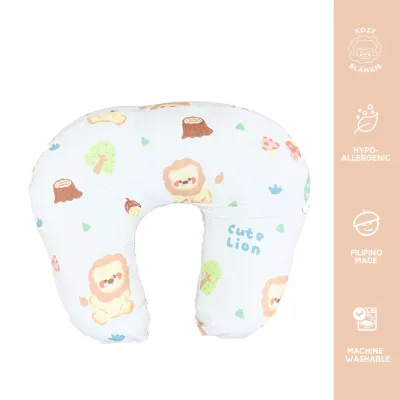



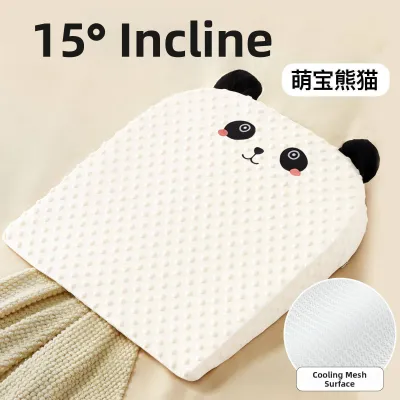
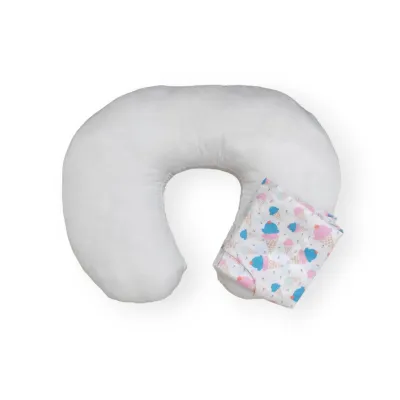
Prices are valid at publication and may change. Please refer to the product page for the latest price.
Understanding Suffocation and Positional Risks for Newborns
Suffocation and Airway Obstruction
Newborn babies have very limited head and neck control, meaning they cannot easily lift or turn their heads if their nose and mouth become pressed against a soft surface. The plush, contoured design of a nursing pillow can easily conform to a baby’s delicate face if they roll or slip, cutting off their oxygen supply within moments. This risk is particularly high during the first few months of life when infant reflexes are still developing.
Another silent danger is positional asphyxia, which occurs when a baby’s body slumps forward or slides into a curved position that forces their chin down toward their chest. Because a newborn’s airway is soft and narrow, this chin-to-chest posture can kink the trachea, blocking breathing without the baby making any sound, struggling, or crying. Caregivers must understand that a baby can suffocate quietly in this position even if they appear to be resting peacefully.
Loose fabric, ill-fitting slipcovers, or decorative accessories on the pillow also present significant hazards. If a cover is too loose, the excess fabric can bunch up around the baby’s face, creating a pocket of trapped air that leads to rebreathing carbon dioxide or direct suffocation. Always verify that any cover used is designed specifically for your exact pillow model and fits snugly without sagging or wrinkling.
Spinal and Neck Strain
A newborn’s spine is highly flexible and still developing, requiring flat, firm support to maintain proper alignment. When a baby is placed directly on top of a soft, rounded nursing pillow without additional support, their spine can curve unnaturally, placing unnecessary strain on their lower back and neck. This improper positioning not only causes physical discomfort but can also interfere with their ability to swallow safely during a feed.
The “chin-to-chest” position is a primary concern for neck strain as well as airway obstruction. When the head is pushed forward, the muscles and ligaments in the neck are stretched beyond their comfortable range, which can lead to soreness and muscle tightness. To prevent this, the baby’s head must be kept in a neutral position, where the neck is slightly extended—similar to a “sniffing” posture—to keep the airway open and natural.
To protect your baby’s spine, remember that the nursing pillow is meant to support the caregiver’s arms and take the weight of the baby’s torso, not to act as a hands-free mattress. Your hand, arm, or a properly positioned support must always cradle the baby’s head and neck to ensure their body remains in a straight, comfortable line. Never allow the baby’s head to hang over the edge of the pillow or rest at an awkward, unsupported angle.
How to Safely Position Your Newborn During Feeding Sessions
Setting Up the Pillow and Caregiver Posture
To begin a safe feeding session, sit in a supportive, comfortable chair with your back resting firmly against the backrest. In the warm and humid climate of the Philippines, choosing a chair made of breathable material, such as rattan or a light fabric, can prevent you from overheating and slipping out of a comfortable posture. If your chair does not offer adequate lumbar support, place a firm regular pillow behind your lower back before putting on the nursing pillow.

Position the nursing pillow securely across your lap, wrapping it snugly around your waist. If your pillow model features an adjustable belt, strap, or buckle, secure it tightly to prevent the pillow from sliding away from your body during the feed. A gap between your torso and the pillow is highly dangerous, as your baby can slip down into the crevice and become trapped.
The primary goal of the pillow is to bring your baby up to the level of your breast or the bottle, allowing you to feed without hunching forward. Hunching over not only causes severe back and shoulder pain for the caregiver but also shifts the angle of the pillow, causing the baby to slide downward. If the pillow sits too low on your lap, place a folded receiving blanket or a firm cushion underneath the nursing pillow to raise it to the correct height.
Positioning the Newborn for Optimal Airway and Latch
Once the pillow is secure, place your baby on their side in the “tummy-to-tummy” position, ensuring their entire body is facing yours. In this position, the baby’s ear, shoulder, and hip should form a straight, unbroken line. Feeding a baby while they are lying flat on their back with their head turned to the side is a choking hazard and makes swallowing highly difficult.
Cradle your baby’s head and neck in the crook of your arm or support their head with your hand, keeping their neck slightly extended to open the airway. This hand-on-head support ensures you can instantly adjust their position if they begin to slip or if their chin starts to drop toward their chest. Your arm should act as the primary bridge between the nursing pillow and the baby’s head, ensuring stable, controlled support.
As your baby latches onto the breast or bottle, carefully check that their nose is completely clear of any obstruction, including your breast tissue, the bottle, and the pillow’s fabric. Newborns are obligate nose breathers, meaning they breathe primarily through their noses; even a slight blockage can cause sudden respiratory distress. If necessary, use your free hand to gently press down on your breast or adjust the bottle angle to keep their nasal passages completely open.
Always maintain at least one hand on your baby throughout the entire feeding session, regardless of how secure they seem on the pillow. Babies can wiggle, startle, or roll unexpectedly, especially as they grow more active. Keeping physical contact ensures you can react instantly to any sudden movements and prevents the baby from sliding off the edge of the pillow.
Critical Mistakes and Unsafe Practices to Avoid
Never Use for Sleep or Unsupervised Rest
The most dangerous mistake a caregiver can make is allowing a newborn to sleep on a nursing pillow. These pillows are designed with soft, plush materials and contoured shapes that do not meet the strict, flat, and firm standards required for safe infant sleep. If a baby falls asleep on a nursing pillow, their head can easily tilt forward or roll to the side, leading to rapid, silent suffocation from airway blockage or positional asphyxia.
This rule is especially critical during late-night or early-morning feedings when caregivers are highly fatigued. It is incredibly easy to doze off while holding your baby on a nursing pillow, creating a high-risk scenario where the baby could slip down between your body and the pillow, or roll off onto a soft mattress. If you feel yourself becoming drowsy during a feed, immediately place your baby in a safe sleep space and sit up in a position where you cannot easily fall asleep.
The moment your baby finishes feeding, make it an absolute rule to transition them to a safe sleep environment. This means placing them on their back on a firm, flat, and completely empty mattress in a crib, bassinet, or playpen. Never leave your baby resting on a nursing pillow while you step away to wash bottles, use the restroom, or attend to other household chores, even for a single minute.
Avoiding Slipping and Falling Hazards
Never place a nursing pillow, with or without your baby on it, on any elevated surface such as an adult bed, sofa, dining table, changing table, or kitchen countertop. Newborns can wiggle, stretch, or experience sudden startle reflexes that can cause them to slide off the pillow and fall to the floor. Falls from these heights can result in severe head injuries, fractures, and other trauma.
Avoid using the nursing pillow while you are in a semi-reclined or fully reclined position, such as propped up in bed or lying on a recliner chair. When you recline, gravity pulls your baby downward into the space between your abdomen and the pillow, increasing the risk of entrapment and suffocation. Always maintain an upright, seated posture where the pillow rests flat and stable across your thighs.
Additionally, never use a nursing pillow to prop up a baby who cannot sit independently, unless specifically directed by a pediatrician for a supervised therapeutic reason. Propping a newborn up on a pillow forces them into an unstable position where they can easily slide sideways or slump forward, compromising their airway. Keep the pillow flat on your lap, and use it only for its intended purpose: active, supervised feeding support.
Safety Features to Verify in Your Nursing Pillow
When purchasing or evaluating a nursing pillow, always check the manufacturer’s label for specific age, weight, and developmental stage recommendations. Some pillows are designed strictly for newborns, while others can be adjusted as your baby grows. Never assume a pillow is safe for your baby based solely on its name or appearance; verify the official guidelines and safety certifications provided by the manufacturer.
Assess the firmness of the pillow before use. A safe nursing pillow should feel firm to the touch and should not compress significantly under your baby’s weight. If the pillow is too soft, your baby’s body and face can sink into the material, greatly increasing the risk of suffocation. Press your hand into the pillow; if it leaves a deep, lasting indentation or feels like a soft sleeping pillow, it is not firm enough for a newborn.
Look for secure, adjustable fastening mechanisms such as sturdy buckles, straps, or hook-and-loop fasteners. These straps keep the pillow anchored tightly against your waist, eliminating the dangerous gap that can form between your body and the pillow during a feeding session. Ensure that any straps are kept short and tucked away safely so they do not present a strangulation or tripping hazard.
In the Philippines, where high humidity and warm temperatures are common, choosing a pillow with a breathable, tightly woven cover is essential. Materials like 100% organic cotton or bamboo fibers help regulate temperature, reducing sweat and preventing heat rash on your baby’s sensitive skin. Ensure the cover is easily removable and machine-washable, as regular washing is necessary to prevent the buildup of mold, mildew, and bacteria from sweat, spit-up, or milk spills.
Regularly inspect your nursing pillow for signs of wear and tear, including loose threads, frayed seams, broken zippers, or degraded filling. If the stuffing inside the pillow begins to clump, break down, or escape through a torn seam, it can pose a serious choking or inhalation hazard to your baby. If you notice any structural damage, check the product’s label for care instructions, stop using the pillow immediately, and replace it or contact the manufacturer for a replacement.
When to Stop Using the Nursing Pillow and Transition
As your baby grows, their physical dimensions and developmental milestones will naturally signal when it is time to stop using the nursing pillow. One clear indicator is when your baby exceeds the manufacturer’s specified weight limit or becomes too long to fit comfortably across the pillow’s surface. If your baby’s legs or torso hang awkwardly off the sides, maintaining a safe, aligned feeding posture becomes difficult.
Another sign to transition away from the pillow is when your baby becomes highly active, wiggly, or begins to roll over independently. An active baby who constantly twists, kicks, or tries to sit up during a feed is at a much higher risk of sliding off the pillow or shifting into an unsafe, unaligned position. Once your baby can sit up without support or has excellent head and neck control, you will likely find that you no longer need the extra height provided by the pillow.
Your own confidence and physical recovery will also play a role in this transition. In the early weeks postpartum, especially if you are recovering from a Cesarean section, a nursing pillow provides vital protection for your incision and support for your healing abdominal muscles. As your body heals and your baby develops stronger neck muscles, you may naturally transition to other feeding holds, such as the side-lying position or the cradle hold, without needing the pillow.
If your baby experiences ongoing feeding difficulties, poor weight gain, or latch issues, do not rely on a nursing pillow to solve these challenges. Consult a certified lactation consultant or your pediatrician to address the root cause of the feeding issues. They can evaluate your baby’s latch, assess for oral restrictions like tongue-ties, and help you transition to safe, comfortable feeding positions that support your baby’s healthy growth.
Frequently Asked Questions (FAQ)
Can a newborn sleep on a nursing pillow?
No, a newborn must never sleep on a nursing pillow. Nursing pillows are soft, contoured, and do not meet safe sleep standards, posing a severe risk of suffocation, entrapment, and positional asphyxia. If your baby falls asleep during a feeding session, immediately transfer them to a firm, flat, and empty sleep surface, such as a crib or bassinet, and place them on their back.
Is it safe to use a nursing pillow in a car seat or stroller?
No, it is highly unsafe to use a nursing pillow in a car seat or stroller. These pillows are not crash-tested or approved for use in transit, and adding them can interfere with the proper fit and function of the safety harness. Furthermore, the bulk of the pillow can force your baby’s head forward into a dangerous chin-to-chest position, restricting their airway during travel.
What should I do if my baby keeps slipping down the pillow?
If your baby keeps slipping, first check that the pillow is fastened snugly around your waist with no gaps between the pillow and your body. Adjust your seating posture to ensure you are sitting fully upright, and consider placing a rolled-up receiving blanket in the gap or under your arm for extra support. If the slipping persists, try a different feeding hold, check the manufacturer’s sizing guide, or consult a lactation specialist for personalized positioning advice.

Community discussion
Share your experience or ask a question. Comments are reviewed before publication.