
Deciding whether to invest in a dedicated nursing chair or rely on a regular chair paired with a nursing pillow is a common dilemma for new parents. There is no universal rule that makes a specialized chair an absolute necessity; the right choice depends entirely on your physical comfort, the ergonomics of your existing furniture, and your daily feeding routine. In the warm and humid climate of the Philippines, factors like fabric breathability and room ventilation also play a massive role in your comfort. Feeding a baby can quickly become warm and sweaty, making the material of your chair and pillow just as important as their ergonomic shape. By assessing your current setup, you can avoid spending thousands of pesos on unnecessary furniture and instead focus on what truly keeps you and your little one comfortable.
Signs Your Current Seating Is Not Working
Many homes in the Philippines feature beautiful, traditional wooden furniture like narra or rattan sets, or deep, plush living room sofas. While these pieces are excellent for hosting guests, they may not provide the specific support needed for long, repetitive feeding sessions. If you experience persistent back, neck, or shoulder pain during or after feeding, your current seating is likely falling short.
Inadequate armrest height is a common culprit. If the armrests are too low or too hard, you will find yourself tensing your shoulders or bruising your elbows as you try to support your baby’s weight. A proper setup should allow your upper body to remain completely relaxed.
Products mentioned in this guide
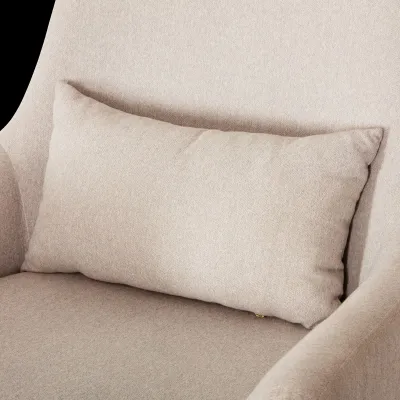
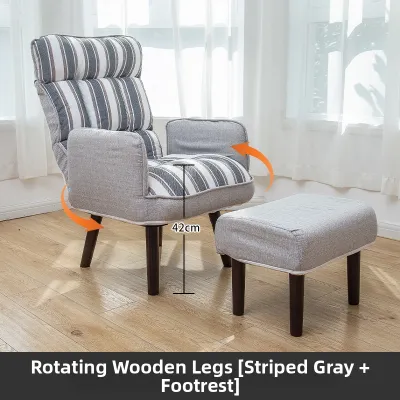
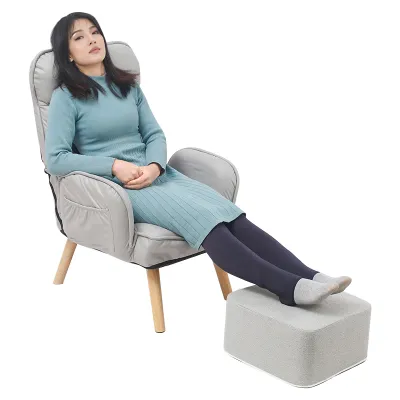
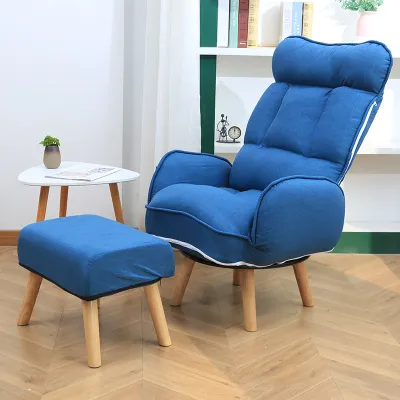
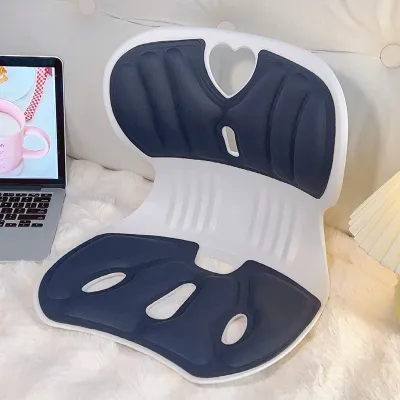
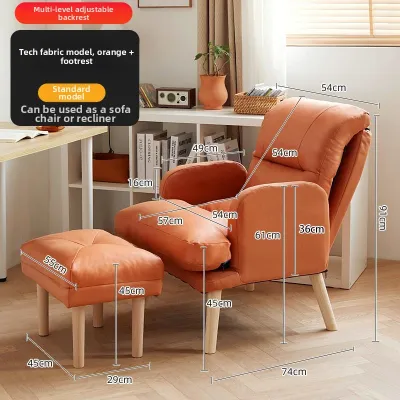
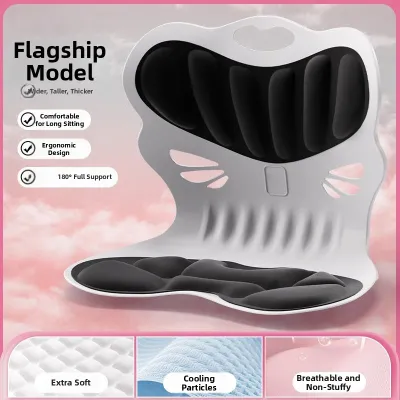
Prices are valid at publication and may change. Please refer to the product page for the latest price.
Another warning sign is difficulty getting in and out of the chair. Deep, soft sofas can trap you, making it incredibly difficult to stand up safely while holding a sleeping infant. If you have to rock back and forth or strain your abdominal muscles to stand—especially when recovering from childbirth or a cesarean section—the chair poses a practical safety risk.
Lastly, some babies are highly sensitive to movement and settle down more easily with a gentle, rhythmic motion. If your current furniture is completely stationary and you find yourself constantly bouncing on your feet to soothe your baby during feeds, a chair that glides or rocks may be a necessary upgrade.
When a Regular Chair and Nursing Pillow Are Enough
You do not need to buy a specialized nursing chair if your favorite living room armchair or a sturdy dining chair already meets basic ergonomic needs. Start by checking the firmness of the seat cushion. A supportive chair should keep your hips level with or slightly higher than your knees, preventing you from sinking too deep into the frame.

The armrests should allow your elbows to rest naturally at a comfortable angle without forcing your shoulders to shrug upward. When you place a firm nursing pillow across your lap, it should bridge the gap between your thighs and your breasts, bringing the baby directly to your nipple level. Always check the manufacturer’s documentation for the pillow’s recommended age range and proper positioning instructions to ensure safe use.
If your current chair is slightly too deep, you can easily modify it with items you already own. Placing a firm lumbar roll or a small decorative cushion behind your lower back can push you forward into a safer, more upright posture. This simple adjustment can save you from spending thousands of pesos on new furniture.
For shorter legs or high seats, adding a simple wooden footstool or a sturdy plastic step stool can make a massive difference. Elevating your feet slightly tilts your pelvis back, reducing lower back strain and creating a more stable platform for your nursing pillow. If your baby feeds quickly and you do not experience physical discomfort, this modified setup is often more than enough.
How to Test Your Setup Before Making a Purchase
Before browsing online marketplaces or visiting baby boutiques, perform a practical “mock feed test” in your home. Sit in your chosen regular chair with your nursing pillow on your lap. Place a weighted object, like a heavy bag of rice or a folded weighted blanket, on the pillow to simulate your baby’s weight.
Stay in this position for at least twenty to thirty minutes to simulate a typical feeding duration. Pay close attention to where you feel tension. If your arms start to ache, your shoulders creep up toward your ears, or your lower back begins to throb, your current setup is not providing adequate support.
Observe your posture in a mirror or ask a family member to take a photo of you from the side. Your spine should be straight, and your head should be aligned over your shoulders. If you are hunching forward to bring your chest to the simulated baby, you will likely experience latch difficulties and physical pain during real feeds.
Consider the physical space in your home. Dedicated nursing gliders and recliners often have a large footprint and require extra clearance behind them to rock or recline. Measure your nursery or living room carefully to ensure a bulky chair will not block walkways or crowd out essential items like the crib or diaper changing station.
If you experience persistent physical pain or if your baby struggles to latch, stop trying to adjust the setup on your own. Consult a certified lactation consultant or healthcare professional, as positioning techniques and latch dynamics matter far more than the specific chair you sit in.
Ergonomic Features to Look for If You Decide to Upgrade
If your self-assessment reveals that your current furniture is causing pain, a dedicated nursing chair can be a worthwhile investment. Look for wide, heavily padded armrests that support the full weight of your forearms and the nursing pillow. This takes the strain off your neck and rotator cuff muscles during long feeding sessions.
The seat depth should allow your back to rest firmly against the backrest while leaving a small gap between the back of your knees and the edge of the seat. Choose a chair with a firm cushion that does not sag. This is crucial for postpartum recovery, as a firm surface makes it much easier to stand up without putting undue pressure on your pelvic floor or abdominal muscles.
If you prefer a chair that moves, look for a smooth, quiet gliding or rocking mechanism. Ensure it has a reliable locking feature so you can stabilize the chair when you need to stand up safely with your baby. Always verify the manufacturer’s weight limits and safety certifications before purchasing.
In the warm and humid climate of the Philippines, fabric selection is critical. Avoid heavy, heat-trapping synthetic leathers or thick velvet. Instead, look for breathable, stain-resistant performance fabrics or removable, washable slipcovers that can withstand milk spills, spit-up, and daily sweat without developing odors.
Frequently Asked Questions (FAQ)
Can I use a standard rocking chair instead of a specialized nursing chair?
Traditional wooden rocking chairs can be used, but they often present challenges for nursing. They typically lack padded armrests, which can cause discomfort during long feeding sessions. Additionally, older or inherited rocking chairs may have a deep, sloping seat that makes standing up difficult. Always check the weight capacity and stability of any older furniture, and verify that the model has not been subject to any safety recalls before use.
What should I do with the nursing chair after weaning?
A well-designed nursing chair can easily transition into a standard reading chair for your child’s bedroom or a comfortable accent chair in your living room. If the design is too nursery-specific and no longer fits your home decor, you can consider selling it on local secondhand platforms or donating it to a relative or friend who is expecting a baby.
Community discussion
Share your experience or ask a question. Comments are reviewed before publication.