
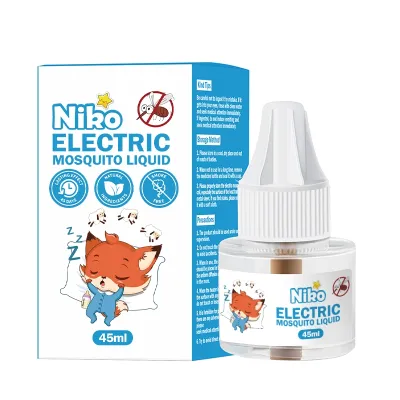
Whether Niko mosquito repellent is safe for babies and toddlers depends entirely on the specific product’s active ingredients, concentration, and the manufacturer’s stated age restrictions. Because different formulations have varying safety thresholds, parents must carefully read the product label before use and follow standard pediatric guidelines regarding age limits, application methods, and alternative physical protection for infants who are too young for chemical repellents.
In warm, humid tropical environments where mosquitoes thrive year-round, protecting young children from insect bites is a top priority for families. However, a baby’s skin is significantly thinner and more sensitive than an adult’s, making it highly permeable to topical chemicals. This vulnerability means that what is safe for an adult or even an older child might pose health risks to an infant or toddler.
Rather than assuming any single brand or product line is universally safe for all ages, caregivers must adopt a systematic approach to verifying product labels. This guide outlines how to inspect Niko mosquito repellent formulations, apply them safely when appropriate, recognize adverse reactions, and implement non-chemical protective measures to keep your little ones safe.
Products mentioned in this guide
Prices are valid at publication and may change. Please refer to the product page for the latest price.
How to Verify Niko Mosquito Repellent Ingredients for Infant Safety
Niko mosquito repellents come in various forms, including sprays, lotions, patches, and clip-on devices. Because these different formats utilize distinct chemical or plant-based formulations, parents must never assume that one product’s safety profile applies to the entire brand line. The first step in verifying safety is to locate the active ingredients list, which is typically printed on the back or side of the product packaging. This section details the specific compounds used to repel insects and their exact concentration percentages.
Once you have identified the active ingredients, cross-reference them with the manufacturer’s stated minimum age requirement on the label. Many regulatory bodies and pediatric associations recommend avoiding certain synthetic chemicals on infants under two months of age, while other natural ingredients like oil of lemon eucalyptus are restricted for children under three years. If the Niko packaging does not explicitly state a safe minimum age, or if the labeling is vague, it is safest to err on the side of caution and avoid using the product on young children.
In addition to age limits, carefully inspect the packaging for specific warnings regarding sensitive skin, pregnancy, or inhalation risks. Some formulations may include added fragrances or alcohol carriers that can dry out or irritate a baby’s delicate skin barrier. Finally, look for registration or approval marks from local health authorities, which indicate that the product has undergone standard safety evaluations. If you are purchasing imported versions of these products through an online marketplace, verify that the labeling is in a language you understand so you do not miss critical safety warnings.
General Safety Guidelines for Using Repellents Around Babies
Pediatric health guidelines establish clear boundaries for using insect repellents on young children to prevent accidental poisoning and skin irritation. As a general rule, chemical repellents should never be used on infants younger than two months old. For babies who meet the age requirements, the repellent must only be applied to exposed skin and the outside of clothing. Never apply repellent on skin that is covered by clothing, as the fabric can trap the chemicals against the skin, increasing absorption rates and the risk of localized reactions.

When applying repellent, always use the minimum effective amount. A thin, light layer is sufficient to keep mosquitoes away; applying a thick coat or spraying excessively does not provide stronger protection and only increases the child’s chemical exposure. If you are using a spray formulation, avoid spraying it in enclosed spaces where the baby might inhale the mist. Instead, apply the product in a well-ventilated area or outdoors.
It is also vital to remember that natural or organic labels do not automatically guarantee safety for infants. Many plant-based essential oils, such as citronella, lemongrass, or peppermint, can be highly irritating to a baby’s skin and respiratory system in concentrated forms. Always treat natural repellents with the same caution as synthetic ones, verifying the manufacturer’s age recommendations and testing a tiny patch of skin before full application.
Safe Application Practices and Precautions for Toddlers
Applying mosquito repellent to an active toddler requires a careful, controlled approach to prevent the product from entering their eyes, mouth, or lungs. Adults should never spray repellent directly onto a child’s face or body. Instead, dispense a small amount of the Niko repellent into your own hands first, rub your palms together, and then gently pat or rub the product onto the toddler’s exposed skin. This method ensures precise application and prevents accidental inhalation of sprays.
There are several areas on a toddler’s body that must be strictly avoided during application. Never apply repellent to a child’s hands or fingers, as toddlers frequently rub their eyes and put their hands in their mouths, which can lead to painful chemical irritation or accidental ingestion. Avoid the immediate area around the eyes and mouth, and never apply the product over cuts, scrapes, sunburns, eczema, or any other broken or irritated skin.
Once your child comes back indoors, make it a habit to wash their treated skin thoroughly with mild baby soap and warm water. This removes any remaining chemical residue and prevents the repellent from transferring to bedsheets, pillows, or toys. Additionally, always store repellent bottles, patches, and devices in a secure, high cabinet out of the child’s reach. Never allow a toddler to handle the bottle or attempt to apply the repellent themselves, as accidental eye contact or ingestion can occur in a matter of seconds.
When to Stop Use and Seek Medical Advice
Even when parents follow all safety guidelines, some children may experience an adverse reaction to mosquito repellents. Caregivers must monitor their child closely after application for any signs of localized skin irritation. These signs typically include sudden redness, swelling, a bumpy rash, hives, or blistering at the application site. If you observe any of these symptoms, immediately wash the product off the child’s skin with plenty of soap and water and discontinue use of that specific formulation.
In rare cases, a child may experience a systemic reaction, especially if the product was accidentally inhaled, ingested, or applied over broken skin. Watch for symptoms such as persistent coughing, wheezing, difficulty breathing, unusual lethargy, dizziness, headache, or vomiting. These symptoms indicate a more serious issue that requires immediate professional medical evaluation.
If your child shows signs of a severe allergic reaction or systemic illness, seek emergency medical care immediately. When visiting a pediatrician or emergency room, always bring the exact Niko mosquito repellent container with you. Having the original packaging allows medical professionals to quickly identify the active ingredients and concentration, enabling them to provide the most accurate and effective treatment.
Alternative Mosquito Protection Methods for Infants
For infants who are too young for chemical repellents, physical and environmental barriers offer the safest and most reliable defense against mosquito-borne illnesses. Fitting a fine-mesh mosquito net over your baby’s crib, bassinet, stroller, or playpen creates a highly effective physical barrier that keeps insects at bay without exposing the child to topical chemicals. Ensure the net is pulled taut and secured properly so it does not drape loose and create a safety hazard.
Dressing your baby in appropriate clothing is another simple yet effective protective measure. Opt for loose-fitting, light-colored, long-sleeved shirts and long pants. Light colors are less attractive to mosquitoes than dark shades, and loose clothing makes it much more difficult for insects to bite through the fabric to reach the skin. In warm, humid climates, choose breathable fabrics like cotton to keep the baby cool and prevent heat rashes.
Managing the home environment is equally crucial for long-term protection. Ensure that all windows and doors are fitted with intact, fine-mesh screens to prevent mosquitoes from entering the living spaces. Regularly inspect your yard or balcony to eliminate any standing water in flowerpots, buckets, or drains, as these serve as breeding grounds for mosquitoes. While purchasing screens or nets may require a small initial investment in Philippine Pesos (₱), these physical barriers provide long-term, chemical-free protection. Additionally, using a household fan in the room where your baby rests can help, as the constant airflow makes it difficult for mosquitoes to fly and locate their target.
Frequently Asked Questions (FAQ)
Can I apply Niko mosquito repellent to my baby's clothing instead of skin?
Applying repellent to clothing is a practical way to minimize direct skin contact and reduce chemical absorption. However, you must first check the Niko product label to ensure the formulation is safe for fabrics, as some active ingredients can damage or stain synthetic materials. When treating clothing, spray the garments outdoors and allow them to dry completely before dressing your baby to prevent the wet chemical from transferring onto their skin.
Is it safe to use Niko repellent alongside baby sunscreen?
Yes, you can use both products together, but they must be applied in the correct order. Always apply the baby sunscreen first, rub it in thoroughly, and allow it to absorb into the skin for 15 to 20 minutes before applying the Niko repellent over it. Avoid using combination sunscreen-repellent products, as sunscreen needs to be reapplied frequently, which can lead to an unsafe buildup of repellent chemicals on your child’s skin.
How often should I reapply the repellent on my toddler during dengue season?
Reapplication frequency must be guided strictly by the specific Niko product label, which outlines the maximum daily application limits. In hot, humid climates, heavy sweating or water play can wash the repellent off, reducing its effective duration. If mosquito activity is high, you may need to reapply the product, but never exceed the manufacturer’s recommended daily limit; instead, transition to physical barriers like long clothing or mosquito nets.
Community discussion
Share your experience or ask a question. Comments are reviewed before publication.