
Selecting the right toddler formula for your child between the ages of 1 and 3 is a significant decision for many Filipino households. With prominent options like Nido, NAN, and Enfagrow lining supermarket shelves, it is easy to feel overwhelmed by competing claims of brain development, immunity support, and physical growth. The reality is that no single brand is universally superior for every toddler; the ideal choice depends entirely on matching a specific product’s label to your child’s nutritional needs, their taste acceptance, and your household budget.
To make an informed choice, you must look beyond front-of-pack marketing and carefully analyze the nutrition facts panel and ingredient list of each product. Because formulations, packaging sizes, and regional variants can change, relying on a structured comparison method is the safest way to evaluate what goes into your toddler’s cup. This guide provides a practical framework to help you compare these three popular brands, calculate the actual cost per serving, and navigate the transition process safely under the guidance of your pediatrician.
Baseline Nutritional Needs for 1-3 Year Olds
During the toddler years, your child undergoes rapid physical and cognitive development, transitioning from a primary milk diet to a wider variety of solid foods. According to standard pediatric guidelines, the primary source of nutrition for a child aged 1 to 3 should ideally come from balanced, nutrient-dense solid meals. Toddler formulas or milk drinks are designed to serve as a safety net, helping to fill potential nutritional gaps rather than replacing whole foods.
Products mentioned in this guide
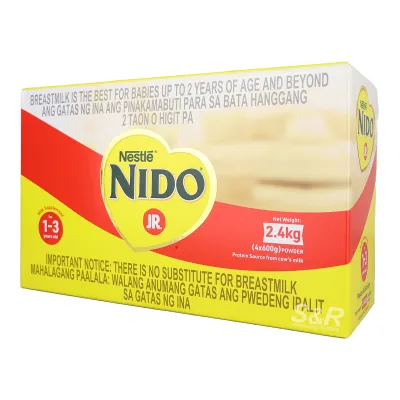
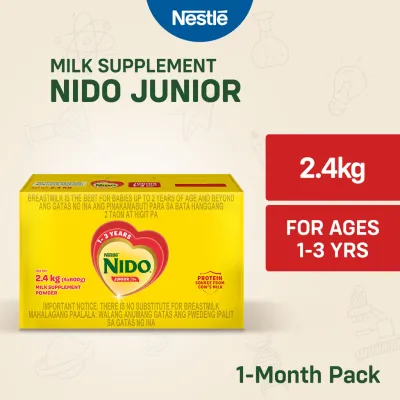
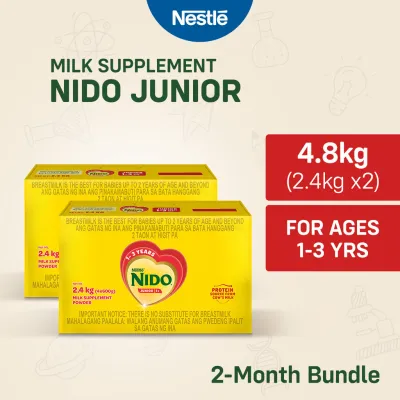
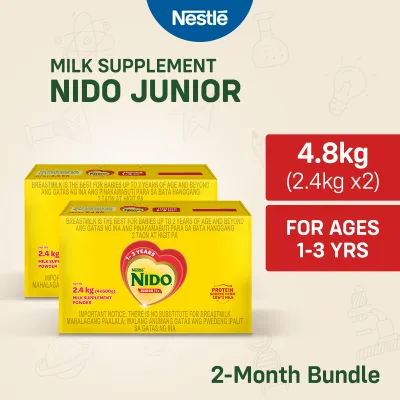
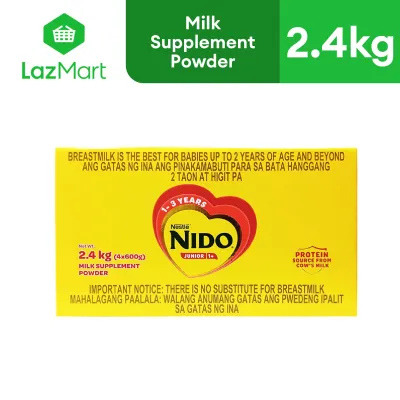


Prices are valid at publication and may change. Please refer to the product page for the latest price.
When examining any toddler formula label, there are several essential nutrients you should verify to ensure they align with standard developmental requirements. Iron is critical for healthy brain development and preventing anemia, especially if your toddler is a picky eater who avoids iron-rich meats or green leafy vegetables. Calcium and vitamin D work synergistically to support bone density and skeletal growth during active growth spurts. Additionally, docosahexaenoic acid (DHA), an omega-3 fatty acid, is frequently included in toddler formulas to support ongoing brain and visual development.
While many healthy toddlers transition successfully to whole cow’s milk alongside their solid meals, certain situations may warrant the use of a fortified toddler formula. If your child is experiencing slow weight gain, exhibits severe picky eating habits, or has specific dietary restrictions, a fortified milk drink can provide peace of mind by delivering concentrated micronutrients. However, because every child’s growth trajectory is unique, you should always consult your pediatrician to determine whether your toddler requires a specialized formula or if whole milk is sufficient for their daily needs.
Nido vs NAN vs Enfagrow: How to Compare the Labels
To conduct a fair and accurate comparison among Nido, NAN, and Enfagrow, you must first ensure you are looking at the correct product variants designed specifically for the 1 to 3 age bracket. Manufacturers use distinct staging systems, often labeling these products as “Stage 3” or explicitly marking them for children aged 1 to 3 years. Comparing a Stage 3 formula from one brand to a Stage 4 formula from another will skew your analysis, as nutrient concentrations are tailored to different developmental milestones.

Once you have identified the correct stages, turn the packaging over to inspect the ingredient list, paying close attention to the types of carbohydrates and sweeteners used. Some toddler formulas contain added sugars, such as sucrose, corn syrup solids, fructose, or maltodextrin, to enhance flavor and acceptability. While these ingredients provide quick energy, pediatric health organizations generally recommend limiting added sugars in a toddler’s diet to encourage a preference for natural flavors and support dental health. Look for formulas that rely primarily on lactose, the natural sugar found in milk, rather than added sweeteners.
Next, standardize your comparison of key nutrients by looking at the values listed per 100 grams of powder or per standard serving size rather than comparing the raw numbers directly. Because scoop sizes and water-to-powder ratios vary significantly between Nido, NAN, and Enfagrow, comparing the nutrient levels per single scoop can be highly misleading. Check the manufacturer’s preparation instructions to see how many grams of powder make up one standard serving, then calculate the nutrient delivery based on that specific volume.
To assist you in your next trip to the grocery store, use the following checklist to guide your label inspection across these three brands:
| Brand | Correct Stage to Look For | Serving Size to Compare | Added Sugars to Check |
|---|---|---|---|
| Nido | Stage 3 (1-3 years) | Check grams per serving on the back panel | Look for sucrose, maltodextrin, or corn syrup |
| NAN | Stage 3 (1-3 years) | Check grams per serving on the back panel | Look for added sweeteners or maltodextrin |
| Enfagrow | Stage 3 (1-3 years) | Check grams per serving on the back panel | Look for corn syrup solids, sucrose, or table sugar |
By systematically filling in these details from the physical packages available in your local store, you can objectively see which brand offers the nutritional profile that best matches your pediatrician’s recommendations.
Managing Taste Preferences and Picky Eating
Even the most nutritionally complete formula is of no value if your toddler refuses to drink it. Toddlers have highly sensitive taste buds and are naturally neophobic, meaning they are often wary of new tastes, smells, or textures. If you are switching from breast milk, infant formula, or a different brand, your child may initially reject the new formula simply because it tastes less sweet, smells different, or has a thicker consistency.
To ease this transition and minimize resistance, implement a gradual introduction strategy rather than making an abrupt switch. Start by offering a very small portion of the new formula in a cup alongside a familiar snack or meal, allowing your toddler to explore the taste without pressure. Alternatively, you can gradually replace one feeding session a day with the new brand over the course of a week. Throughout this process, always prepare each formula brand in separate containers strictly according to their respective manufacturer instructions before offering them to your child, ensuring the correct water-to-powder ratio is maintained for safety.
While a brief period of adjustment is normal, you must establish clear stop conditions to protect your child’s health. If your toddler consistently refuses the new formula over several days, shows signs of digestive distress such as vomiting, diarrhea, or unusual gas, or develops physical symptoms like skin rashes or hives, halt the transition immediately. These reactions could indicate an underlying food allergy or intolerance, requiring prompt evaluation by your pediatrician before you attempt to introduce any other milk products.
Calculating the True Cost per Serving in the Philippines
In the Philippines, managing household expenses is a priority for many families, and toddler formula can represent a significant portion of the monthly grocery budget. To find the most economical option, you should avoid comparing only the retail price of the tins or boxes. Instead, calculate the true cost per serving, which reveals how much you actually pay every time you prepare a cup of milk for your child.
To calculate the cost per serving, use this simple formula:
Cost per Serving = Total Retail Price of the Package / Total Number of Servings in the Package
You can find the total number of servings by checking the nutrition facts panel, which typically states “Servings Per Container” or provides the total weight of the powder alongside the recommended grams per serving. For example, if a package costs ₱1,200 and contains approximately 30 servings, your cost per serving is ₱40. Performing this quick calculation for Nido, NAN, and Enfagrow based on current local prices will show you the real impact on your wallet.
The packaging format you choose also plays a major role in both cost and product freshness. Buying large bulk packs, such as a 2.4kg box, generally offers a lower cost per gram compared to smaller tins or single-serve sachets. However, the tropical climate of the Philippines presents unique storage challenges; high humidity can cause opened milk powder to clump, absorb moisture, and spoil if not consumed quickly. If you purchase bulk packs, ensure you can store the powder in an airtight container in a cool, dry place, and use it within the manufacturer’s recommended timeframe—usually three to four weeks after opening. If your toddler drinks milk infrequently, smaller tins or individually sealed sachets may be more practical and hygienic, despite the higher cost per serving.
To ensure you are purchasing authentic, safe formula, always buy from reputable sources. Counterfeit infant and toddler milks are a serious health hazard. Stick to established local supermarkets, pharmacies, or the official online flagship stores of the brands on authorized ecommerce platforms. Avoid buying heavily discounted, unsealed, or dented packages from unauthorized third-party sellers, as these products may have been stored incorrectly or tampered with.
Final Decision Guide: Matching the Formula to Your Child
Making the final choice between Nido, NAN, and Enfagrow requires synthesizing your nutritional checks, budget calculations, and your toddler’s unique preferences into a clear decision framework. Because there is no universal winner, your choice should be guided by specific, observable conditions:
- Choose Nido if: You are looking for a widely accessible, budget-friendly option that provides standard micronutrient fortification, and your toddler prefers a classic, slightly sweeter taste profile without experiencing any digestive issues.
- Choose NAN if: Your pediatrician recommends a formula that focuses on specific protein structures or active cultures for digestive comfort, and you are comfortable paying a premium price point for specialized formulation features.
- Choose Enfagrow if: You want to prioritize specific levels of dietary fibers and DHA as part of a fortified diet, your toddler accepts the distinct flavor, and the cost fits comfortably within your long-term household budget.
Before making any purchase or switching brands, you must verify specific health conditions with your pediatrician. If your child has a known cow’s milk protein allergy, lactose intolerance, or a history of severe reflux, standard toddler formulas from these brands may not be suitable. Your doctor can recommend specialized, hypoallergenic, or lactose-free alternatives that are clinically proven to manage these conditions safely.
Finally, establish a strict pre-purchase safety routine every time you buy a new pack of formula. Always inspect the physical packaging for any signs of damage, such as deep dents, rust on metal tins, or broken foil seals on cardboard boxes, which can compromise the sterility of the powder. Check the expiration date printed on the bottom or side of the package to ensure your child will consume the entire contents well before the product expires.
Frequently Asked Questions (FAQ)
Can I mix two different toddler formula brands together?
Mixing two different toddler formula brands or stages in the same bottle is generally discouraged by pediatricians and manufacturers. Each brand is formulated with a precise balance of nutrients and requires a specific water-to-powder ratio to ensure proper hydration and digestion. Combining different powders can alter this delicate concentration, potentially leading to digestive upset, constipation, or an imbalance in nutrient intake. If you are transitioning your child from one brand to another, it is safer to offer them as separate feeds at different times of the day rather than mixing them together in a single cup.
Is toddler formula necessary if my 1-year-old is already eating solid foods?
Toddler formula is not strictly necessary if your one-year-old is growing well and consuming a diverse, balanced diet of solid foods. Major pediatric associations state that healthy toddlers who eat a variety of fruits, vegetables, grains, and proteins can transition to whole cow’s milk as their primary beverage. However, toddler formulas can serve as a helpful nutritional supplement if your child is an extremely picky eater, has difficulty gaining weight, or has specific nutrient gaps identified by your doctor. Always consult your pediatrician to evaluate your child’s diet before deciding whether to continue with formula or transition to whole milk.
How long can I keep prepared toddler formula at room temperature?
Once prepared, toddler formula should not be kept at room temperature for more than two hours. In the warm and humid climate of the Philippines, bacteria can multiply rapidly in prepared milk, increasing the risk of foodborne illness. If your toddler does not finish a cup of milk within one hour of starting their feed, you must discard the remaining liquid. This is because bacteria from your child’s saliva can enter the cup during drinking, contaminating the milk and making it unsafe to store or reheat for later use.
Community discussion
Share your experience or ask a question. Comments are reviewed before publication.